English
- Afrikaans
- Albanian
- Amharic
- Arabic
- Armenian
- Azerbaijani
- Basque
- Belarusian
- Bengali
- Bosnian
- Bulgarian
- Catalan
- Cebuano
- Corsican
- Croatian
- Czech
- Danish
- Dutch
- English
- Esperanto
- Estonian
- Finnish
- French
- Frisian
- Galician
- Georgian
- German
- Greek
- Gujarati
- Haitian Creole
- hausa
- hawaiian
- Hebrew
- Hindi
- Miao
- Hungarian
- Icelandic
- igbo
- Indonesian
- irish
- Italian
- Japanese
- Javanese
- Kannada
- kazakh
- Khmer
- Rwandese
- Korean
- Kurdish
- Kyrgyz
- Lao
- Latin
- Latvian
- Lithuanian
- Luxembourgish
- Macedonian
- Malgashi
- Malay
- Malayalam
- Maltese
- Maori
- Marathi
- Mongolian
- Myanmar
- Nepali
- Norwegian
- Norwegian
- Occitan
- Pashto
- Persian
- Polish
- Portuguese
- Punjabi
- Romanian
- Russian
- Samoan
- Scottish Gaelic
- Serbian
- Sesotho
- Shona
- Sindhi
- Sinhala
- Slovak
- Slovenian
- Somali
- Spanish
- Sundanese
- Swahili
- Swedish
- Tagalog
- Tajik
- Tamil
- Tatar
- Telugu
- Thai
- Turkish
- Turkmen
- Ukrainian
- Urdu
- Uighur
- Uzbek
- Vietnamese
- Welsh
- Bantu
- Yiddish
- Yoruba
- Zulu

Telephone: +86 13120555503
Email: frank@cypump.com


Apr . 01, 2024 17:55 Back to list
china metal slurry pump parts Material Performance and Manufacturing Specifications
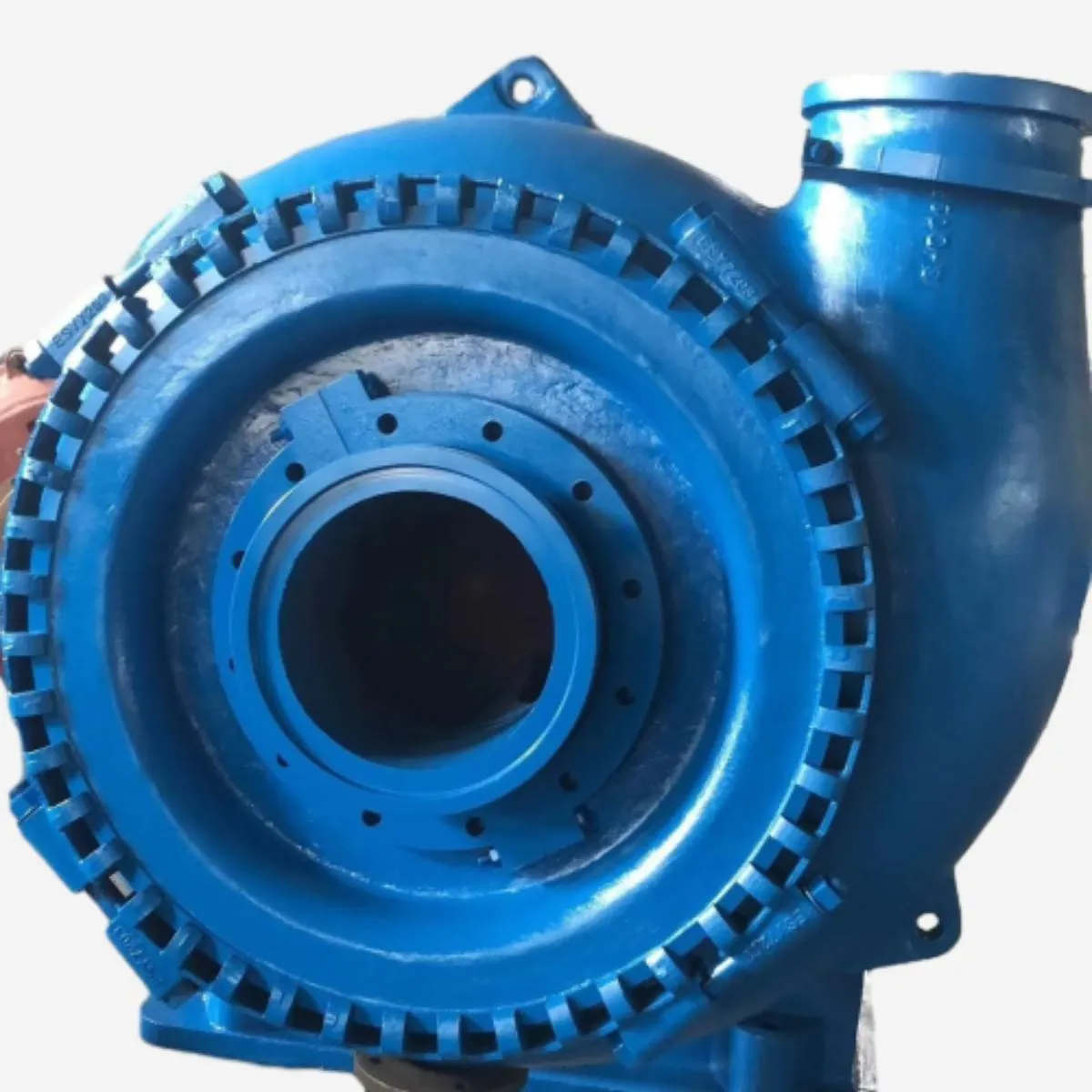
China Metal Slurry Pump Parts: Material Performance and Manufacturing Specifications
Metal slurry pump parts constitute the critical wear interface in heavy-industrial fluid transport systems, specifically designed to handle high-density, abrasive suspensions found in mining, dredging, and chemical processing. These components—primarily impellers, volute liners, throat bushings, and shaft sleeves—operate in an environment characterized by extreme impingement erosion and corrosive chemical attack. In the industrial supply chain, these parts represent the primary consumable cost of slurry transport. The technical objective is to optimize the trade-off between hardness (to resist abrasive wear) and toughness (to prevent brittle fracture under hydraulic shock), ensuring maximum Mean Time Between Failures (MTBF) while maintaining hydraulic efficiency across varying slurry concentrations and particle size distributions.
Material Science & Manufacturing
The metallurgy of china metal slurry pump parts is centered on the synergy between a martensitic matrix and hard primary carbides. The most prevalent materials employed are High-Chromium White Cast Irons (ASTM A532) and Natural Rubber compounds for lower-velocity applications. For high-stress metal parts, the focus is on the 25% to 28% Chromium alloy. The carbon content is carefully calibrated to ensure the formation of M7C3 carbides, which provide a hardness typically exceeding 60 HRC. These carbides are embedded in a chromium-rich matrix that provides essential corrosion resistance by forming a passive chromium oxide layer, preventing the "preferential leaching" of the matrix that often leads to carbide fallout.
Manufacturing processes are strictly controlled to avoid casting defects such as shrinkage porosity or gas inclusions, which act as stress concentrators. The process typically follows a rigorous sequence: precision investment casting or sand casting, followed by a controlled cooling cycle to prevent internal thermal stresses. Heat treatment is the most critical phase, involving a full austenitizing soak followed by air cooling or quenching to achieve a fully martensitic structure. Post-casting, parts undergo CNC precision machining to ensure tight tolerances for the impeller-to-casing clearance, which is vital to prevent recirculation and premature wear. Dynamic balancing of the impeller is mandatory to eliminate centrifugal vibrations that could lead to premature bearing failure or shaft fatigue.
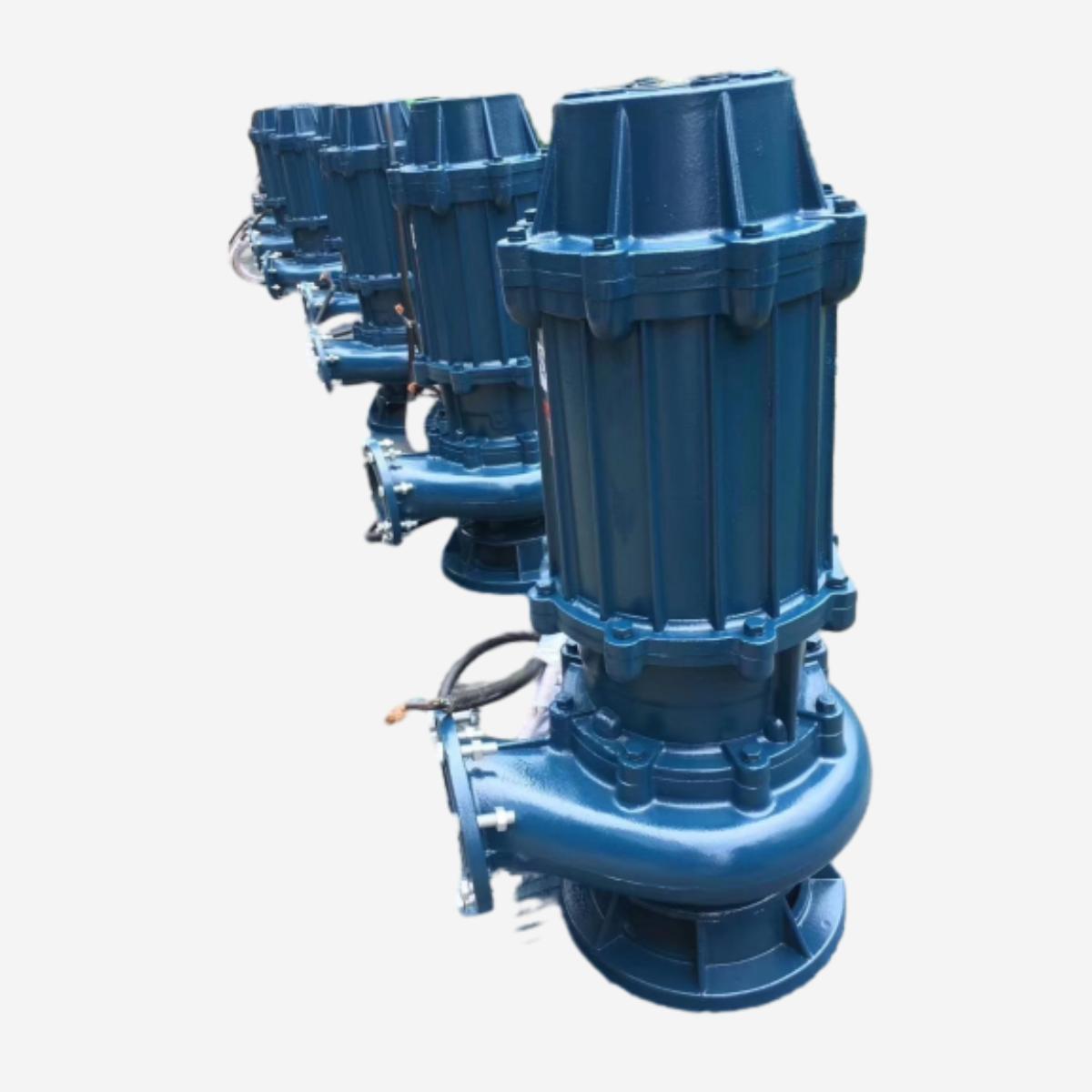
Performance & Engineering
Engineering the performance of slurry pump parts requires a deep analysis of fluid dynamics and tribology. The primary failure mechanism is erosive wear, where kinetic energy from abrasive particles (such as silica or pyrite) strikes the metal surface. Engineering efforts focus on the "Critical Velocity" threshold; if the fluid velocity is too low, solids settle, causing sedimentation and clogging; if too high, the erosion rate increases exponentially according to the power law (Wear Rate $propto$ Velocity$^n$, where $n$ is typically 2.5 to 3.5). To mitigate this, impeller vanes are designed with optimized curvature to minimize turbulence and high-impact zones.
Force analysis in these components also accounts for hydraulic imbalance and axial thrust. The selection of the throat bushing material is particularly critical, as this area experiences the highest velocity and most concentrated abrasive attack. Engineering specifications often dictate a "staged wear" approach, where sacrificial liners are utilized to protect the primary pump casing. Furthermore, chemical compatibility is analyzed to prevent galvanic corrosion, especially when the pump handles acidic mine drainage or alkaline tailings. The integration of Hardfacing (via PTA or SMA welding) on the leading edges of the impellers provides an additional layer of extreme wear resistance for the most vulnerable zones.
Technical Specifications
| Material Grade | Hardness (HRC) | Chromium Content (%) | Wear Resistance Index | Application Environment | Typical Life Cycle |
|---|---|---|---|---|---|
| High-Cr Alloy (A532) | 60 - 65 | 25% - 28% | Extreme | High-concentration tailings | 8,000 - 12,000 Hours |
| Hardened Cast Steel | 35 - 45 | 1% - 3% | Moderate | Low-abrasive slurries | 4,000 - 6,000 Hours |
| Duplex Stainless Steel | 25 - 35 | 22% - 25% | Corrosion-Centric | Acidic chemical slurries | 6,000 - 9,000 Hours |
| Tungsten Carbide Coat | 70+ | Variable | Maximum | Ultra-fine abrasive sands | 15,000+ Hours |
| Ni-Hard Alloy | 55 - 60 | 12% - 18% | High | General mineral processing | 5,000 - 8,000 Hours |
| Austenitic Iron | 20 - 30 | 18% - 22% | Low/Corrosion Res. | Caustic/Saline fluids | 3,000 - 5,000 Hours |
Failure Mode & Maintenance
The primary failure mode in metal slurry pump parts is "Erosive Cavitation," where the combination of vacuum bubbles collapsing and abrasive particle impact creates pits in the material, accelerating the metal loss. Another common failure is "Fatigue Cracking," often occurring at the junction of the impeller vanes and the hub due to cyclic hydraulic loading and vibration. In corrosive environments, "Pitting Corrosion" can occur, where the passive layer is breached, leading to localized deep holes that weaken the structural integrity of the casing.
Maintenance protocols must transition from reactive to predictive. This involves the use of ultrasonic thickness gauging to monitor the wear rate of the volute liners without dismantling the pump. When the liner thickness reaches the "Minimum Safe Wall" (typically 20-30% of original thickness), replacement is mandatory to prevent catastrophic casing breach. Maintenance also includes the rigorous inspection of the mechanical seal and packing gland to prevent slurry leakage into the bearing housing, which would cause immediate seizure. For impellers showing localized wear, professional hard-facing repair can be performed using chromium-carbide electrodes, provided the base metal is preheated to prevent thermal cracking.
Industry FAQ
Q: How do we determine whether to use High-Chrome alloy or Natural Rubber liners?
A: The decision is based on the particle size and velocity. High-Chrome alloys are superior for large, sharp-edged particles and high-velocity flows where the material is "cut" or "scoured." Natural Rubber is preferred for smaller, rounded particles at lower velocities, as the elastic properties of rubber allow it to absorb the impact energy and "bounce" the particle away, whereas metal would be eroded.
Q: Why is the "Hardness vs. Toughness" balance so critical in impeller design?
A: If a part is too hard (excessive carbides), it becomes brittle. In the event of a "tramp iron" (a piece of steel) entering the pump, a brittle impeller will shatter. If it is too soft, the abrasive slurry will wear through the vanes in days. We engineer a martensitic matrix that provides the necessary toughness to absorb shocks while the carbides provide the hardness to resist erosion.
Q: What causes premature failure of the throat bushing despite using high-grade alloys?
A: This is usually caused by "Turbulent Eddy Currents." If the impeller is incorrectly balanced or the clearance is too wide, the slurry creates a vortex at the throat, causing the particles to strike the surface at a 90-degree angle repeatedly. This localized high-energy impact bypasses the general wear resistance of the material.
Q: Can these parts be salvaged through welding if they are worn?
A: Yes, but only with specific procedures. Because High-Cr alloys are prone to cracking during welding, the parts must be preheated to 300-450°C and slowly cooled. We recommend using a buildup of Cr-carbide welding wire to restore the geometry before final CNC machining to ensure hydraulic efficiency.
Q: How does the slurry concentration (percentage of solids) affect the wear rate?
A: The relationship is non-linear. At low concentrations, wear increases linearly with solids. However, at very high concentrations (above 40-50% by weight), a "cushioning effect" occurs where particles collide with each other rather than the pump wall, actually slowing the wear rate per particle, though the overall system energy requirement increases.
Conclusion
The reliability of china metal slurry pump parts is fundamentally dependent on the precision of their metallurgical composition and the rigor of their thermal processing. By optimizing the distribution of M7C3 carbides within a martensitic matrix and adhering to strict CNC tolerances, these components can withstand the most aggressive abrasive and corrosive environments. The integration of fluid dynamic engineering ensures that wear is distributed evenly, preventing localized failure and maximizing the operational life of the equipment.
Moving forward, the industry is shifting toward hybrid material composites and "intelligent" wear monitoring. For procurement and engineering teams, the focus should remain on specifying materials based on the exact mineralogy of the slurry and implementing a thickness-based predictive maintenance schedule. This technical approach reduces unplanned downtime and optimizes the Total Cost of Ownership (TCO) for slurry transport infrastructure.
-
submersible pump for sewage treatment plant Performance Analysis
News2026-06-01
-
single phase sewage submersible pump Material Science Manufacturing
News2026-06-01
-
sewage water submersible pump Material Science Manufacturing
News2026-06-01
-
Sewage Submersible Pump Price List Performance Analysis
News2026-06-01
-
sewage submersible pump 3hp Performance Analysis
News2026-06-01
-
submersible effluent sewage pump Performance Analysis
News2026-05-31
-
stainless steel submersible sewage pumps Performance Engineering
News2026-05-31
-
stainless steel submersible sewage pump Material Science Manufacturing
News2026-05-31
-
Sewage Submersible Pump Installation Performance Analysis
News2026-05-31
-
sewage submersible pump 2hp Performance Analysis
News2026-05-31
-
sewage submersible pump 1hp Performance Analysis
News2026-05-30
-
1 hp sewage submersible pump Performance Analysis
News2026-05-30
-
waste pump for basement bathroom Performance and Engineering
News2026-05-30
-
Sump Pump Drain Field Performance Analysis
News2026-05-30
-
small sewage pump Performance Analysis
News2026-05-30




