English
- Afrikaans
- Albanian
- Amharic
- Arabic
- Armenian
- Azerbaijani
- Basque
- Belarusian
- Bengali
- Bosnian
- Bulgarian
- Catalan
- Cebuano
- Corsican
- Croatian
- Czech
- Danish
- Dutch
- English
- Esperanto
- Estonian
- Finnish
- French
- Frisian
- Galician
- Georgian
- German
- Greek
- Gujarati
- Haitian Creole
- hausa
- hawaiian
- Hebrew
- Hindi
- Miao
- Hungarian
- Icelandic
- igbo
- Indonesian
- irish
- Italian
- Japanese
- Javanese
- Kannada
- kazakh
- Khmer
- Rwandese
- Korean
- Kurdish
- Kyrgyz
- Lao
- Latin
- Latvian
- Lithuanian
- Luxembourgish
- Macedonian
- Malgashi
- Malay
- Malayalam
- Maltese
- Maori
- Marathi
- Mongolian
- Myanmar
- Nepali
- Norwegian
- Norwegian
- Occitan
- Pashto
- Persian
- Polish
- Portuguese
- Punjabi
- Romanian
- Russian
- Samoan
- Scottish Gaelic
- Serbian
- Sesotho
- Shona
- Sindhi
- Sinhala
- Slovak
- Slovenian
- Somali
- Spanish
- Sundanese
- Swahili
- Swedish
- Tagalog
- Tajik
- Tamil
- Tatar
- Telugu
- Thai
- Turkish
- Turkmen
- Ukrainian
- Urdu
- Uighur
- Uzbek
- Vietnamese
- Welsh
- Bantu
- Yiddish
- Yoruba
- Zulu

Telephone: +86 13120555503
Email: frank@cypump.com


Apr . 01, 2024 17:55 Back to list
china metal lined slurry pump Performance Analysis
Introduction
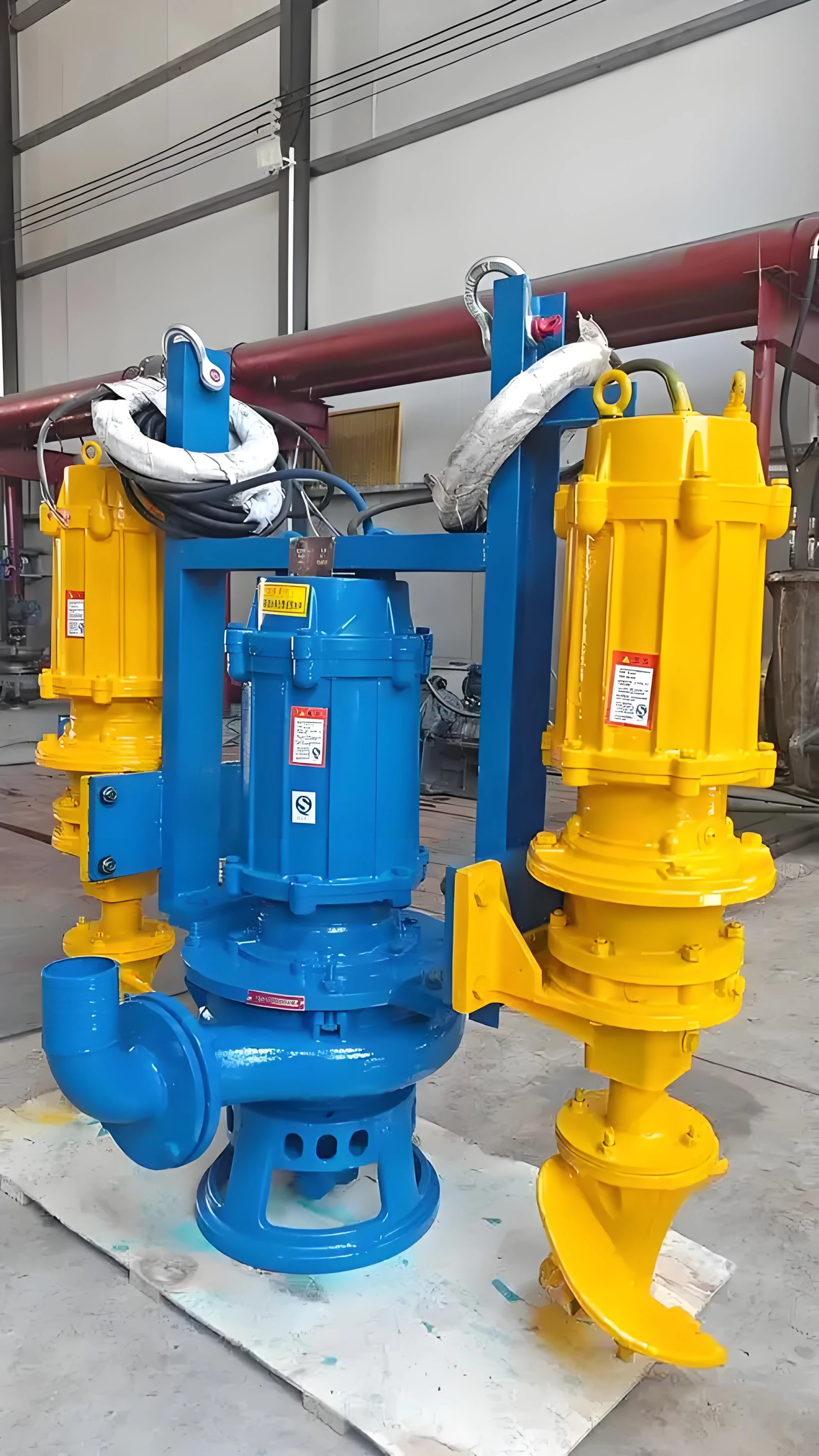
Metal-lined slurry pumps represent a critical component in numerous industrial processes involving abrasive and corrosive fluid handling. Specifically, china metal lined slurry pumps have gained prominence due to a combination of manufacturing capabilities and cost-effectiveness. These pumps are designed to transfer slurries – mixtures of liquids and solid particles – commonly found in mining, chemical processing, wastewater treatment, and dredging applications. The ‘metal lining’ refers to a protective layer applied to the pump casing, impeller, and volute, mitigating erosion and corrosion that would rapidly degrade unprotected materials. Common lining materials include high-chrome cast iron, white iron, stainless steel, and rubber, selected based on the slurry’s specific characteristics. This guide provides an in-depth technical overview of china metal lined slurry pumps, encompassing material science, manufacturing processes, performance parameters, failure modes, and relevant industry standards. The increasing demand for robust, reliable slurry handling solutions necessitates a comprehensive understanding of these pumps' capabilities and limitations, particularly given the variations in quality and manufacturing practices amongst different Chinese suppliers.
Material Science & Manufacturing
The performance and longevity of a metal-lined slurry pump are fundamentally dictated by the material selection for both the casing and the lining. Casing materials are typically grey cast iron due to its machinability and cost, providing structural support. However, the lining material demands careful consideration. High-chrome cast iron (typically 13-28% chromium) is frequently employed for its exceptional abrasion resistance, stemming from the formation of hard chromium carbides within the iron matrix. White iron alloys, containing higher carbon and chromium content, offer superior abrasion resistance but are inherently brittle and less resistant to impact. Stainless steel linings (304, 316, duplex) are chosen for corrosive environments, providing excellent chemical resistance, albeit with lower abrasion resistance compared to high-chrome iron. Rubber linings, often utilizing natural or synthetic rubber compounds, provide damping characteristics, reducing noise and vibration, and are effective against mildly abrasive slurries.
Manufacturing processes involve several key stages. Casing casting utilizes sand casting techniques, requiring precise mold design to ensure dimensional accuracy. The metal lining is applied via welding (SMAW, GMAW, or FCAW are common), requiring skilled welders and stringent quality control to prevent porosity or cracking. Welding parameters – amperage, voltage, travel speed, and electrode selection – are critical to achieving a strong metallurgical bond between the lining and the casing. Post-weld heat treatment (PWHT) is often employed to relieve residual stresses and improve the lining’s hardness and toughness. The impeller, a dynamically loaded component, is typically manufactured from high-chrome cast iron or stainless steel using investment casting or sand casting, followed by machining and balancing. Volute construction also utilizes casting and machining. Critical parameters monitored during manufacturing include lining thickness (ensuring adequate protection), weld quality (through radiographic inspection and dye penetrant testing), impeller balance (minimizing vibration), and dimensional tolerances (ensuring proper fit and alignment of components). Deviation from these parameters significantly impacts pump performance and lifespan.
Performance & Engineering
The performance of a china metal-lined slurry pump is governed by hydraulic principles and the physical properties of the slurry. Key performance indicators include flow rate (m³/hr), head (meters), pump efficiency (%), and solids handling capacity (percentage by weight or volume). The pump’s hydraulic design – impeller geometry, volute shape, and casing diameter – directly influences these parameters. Force analysis reveals that the impeller experiences significant centrifugal and hydrodynamic forces, especially with high-solids-content slurries. These forces induce stress on the impeller and shaft, necessitating robust design and material selection. Environmental resistance considerations are paramount. Exposure to extreme temperatures, corrosive chemicals, and abrasive particles can accelerate degradation. Pump casings are often designed with external cooling jackets or cooling coils to manage heat generated by friction and slurry turbulence. Compliance requirements vary by application and region. For example, pumps used in mining operations may need to comply with explosion-proof standards (ATEX, IECEx) and environmental regulations regarding discharge water quality. Proper selection of shaft sealing arrangements (mechanical seals, packing glands) is crucial to prevent leakage and contamination. The pump’s net positive suction head required (NPSHr) must be less than the net positive suction head available (NPSHa) to avoid cavitation, a phenomenon that causes vapor bubble formation and erosion damage.
Technical Specifications
| Parameter | Unit | Typical Range (China Metal Lined Slurry Pump) | Notes |
|---|---|---|---|
| Flow Rate | m³/hr | 20 – 1200 | Varies significantly with impeller diameter and speed |
| Head | m | 10 – 80 | Dependent on impeller design and pump speed |
| Maximum Solids Concentration | % by weight | Up to 60 | Higher concentrations reduce pump efficiency and lifespan. |
| Maximum Particle Size | mm | Up to 75 | Larger particles increase abrasion rates. |
| Lining Material | - | High-Chrome Cast Iron, Rubber, Stainless Steel | Selected based on slurry composition. |
| Power | kW | 1.5 – 300 | Dependent on flow rate and head. |
Failure Mode & Maintenance
Metal-lined slurry pumps are susceptible to several failure modes. Abrasion is the most common, leading to erosion of the impeller and volute lining, reducing pump efficiency and head. Corrosion, particularly in acidic or alkaline slurries, can weaken the lining and casing material, causing leakage or catastrophic failure. Cavitation, resulting from insufficient NPSH, induces localized high stresses, leading to pitting and erosion. Fatigue cracking can occur in the impeller and shaft due to cyclic loading. Delamination of the metal lining from the casing, often caused by poor welding or inadequate PWHT, compromises the pump’s protective layer. Oxidation of stainless steel linings in high-temperature environments can reduce their corrosion resistance.
Preventative maintenance is crucial for maximizing pump lifespan. Regular inspections should focus on monitoring lining thickness, checking for signs of corrosion or erosion, and verifying impeller balance. Lubrication of bearings is essential to prevent overheating and premature failure. Seal replacement should be performed according to manufacturer recommendations. If cavitation is suspected, the pump’s operating conditions should be adjusted to increase NPSHa. In the event of a lining failure, the damaged section should be replaced using qualified welders and appropriate welding procedures. Regular performance monitoring (flow rate, head, power consumption) can detect early signs of degradation. Vibration analysis can identify impeller imbalance or bearing wear. Implementing a comprehensive maintenance program, including routine inspections, preventative maintenance, and timely repairs, significantly reduces downtime and extends the pump’s operational life.
Industry FAQ
Q: What is the primary difference between a high-chrome iron lining and a rubber lining, and when would I choose one over the other?
A: High-chrome iron linings excel in abrasive slurry applications, offering exceptional resistance to particle wear. They are ideal for handling slurries with high solids content and large particle sizes. Rubber linings, however, are better suited for mildly abrasive slurries and provide superior damping characteristics, reducing noise and vibration. Rubber is also more effective in handling slurries with impact forces. The choice depends on the slurry’s composition, particle size distribution, and the level of noise and vibration acceptable for the application.
Q: How does the welding process impact the integrity of the metal lining, and what quality control measures are essential?
A: The welding process is critical. Improper welding can introduce porosity, cracking, or insufficient fusion between the lining and the casing. This leads to premature delamination and corrosion. Essential quality control measures include visual inspection, dye penetrant testing, radiographic inspection, and hardness testing of the weld deposit. Qualified welders with specific experience in slurry pump lining applications are crucial. Post-weld heat treatment is also vital to relieve stress and improve weld integrity.
Q: What is NPSH, and why is it so important for slurry pump operation?
A: NPSH (Net Positive Suction Head) is the absolute pressure at the pump suction that prevents cavitation. Cavitation occurs when the liquid pressure drops below its vapor pressure, forming vapor bubbles that collapse violently, causing erosion and noise. Maintaining adequate NPSH (NPSHa > NPSHr) is essential to prevent cavitation and ensure pump reliability. Factors affecting NPSHa include suction lift, liquid temperature, and atmospheric pressure.
Q: What are the common causes of premature bearing failure in slurry pumps, and how can they be mitigated?
A: Common causes include improper lubrication, contamination of the lubricant, excessive vibration, and misalignment. Mitigation strategies include implementing a regular lubrication schedule, using sealed bearings to prevent contamination, performing dynamic balancing of the impeller, and ensuring proper pump alignment during installation. Regular vibration monitoring can also detect bearing wear early on.
Q: How do I determine the appropriate lining material for a specific slurry, and what resources are available to aid in this selection?
A: Slurry composition (chemical and abrasive components), particle size distribution, slurry concentration, temperature, and flow velocity are key factors. Consult material compatibility charts and corrosion rate data for various lining materials. Slurry pump manufacturers typically offer guidance on material selection based on slurry analysis. Laboratory testing of slurry samples can also provide valuable data on corrosion and erosion rates. Industry standards (ASTM, ISO) provide guidance on material testing and selection.
Conclusion
China metal lined slurry pumps offer a viable solution for a wide range of abrasive and corrosive slurry handling applications. Their performance and longevity are fundamentally linked to careful material selection, meticulous manufacturing processes, and diligent maintenance practices. Understanding the interplay between slurry characteristics, pump design, and operating parameters is critical for optimizing pump performance and minimizing downtime. The proliferation of manufacturers necessitates rigorous quality control throughout the supply chain, ensuring adherence to industry standards and specifications.
Looking ahead, advancements in materials science, such as the development of more wear-resistant alloys and improved rubber compounds, will continue to enhance the performance and lifespan of these pumps. Implementing predictive maintenance strategies, leveraging sensor data and machine learning, will enable proactive identification of potential failures and optimization of maintenance schedules. Continued investment in research and development, coupled with a commitment to quality and reliability, will solidify the position of china metal lined slurry pumps as a key technology in various industrial sectors.
-
Comprehensive Guide to Waterproof ORings for Optimal Sealing Solutions
News2026-06-09
-
Septic Pump System Performance Analysis
News2026-06-08
-
pump for septic Material Science
News2026-06-08
-
basement sewer pump Performance Analysis
News2026-06-08
-
submerged pump Performance Engineering
News2026-06-08
-
Septic System Pumps Performance Analysis
News2026-06-08
-
septic system pump Material Science and Manufacturing
News2026-06-07
-
pump for septic tank Material Science Manufacturing
News2026-06-07
-
submersible sewage pump Material Science
News2026-06-07
-
Sewage Ejector Material Science and Manufacturing
News2026-06-07
-
Ejection Pump Material Science
News2026-06-07
-
pump submersible Performance Analysis
News2026-06-06
-
ejector pumps Performance Engineering
News2026-06-06
-
basement ejector pump Material Science Manufacturing
News2026-06-06
-
Septic Tanks Pumping Performance Analysis
News2026-06-06




