English
- Afrikaans
- Albanian
- Amharic
- Arabic
- Armenian
- Azerbaijani
- Basque
- Belarusian
- Bengali
- Bosnian
- Bulgarian
- Catalan
- Cebuano
- Corsican
- Croatian
- Czech
- Danish
- Dutch
- English
- Esperanto
- Estonian
- Finnish
- French
- Frisian
- Galician
- Georgian
- German
- Greek
- Gujarati
- Haitian Creole
- hausa
- hawaiian
- Hebrew
- Hindi
- Miao
- Hungarian
- Icelandic
- igbo
- Indonesian
- irish
- Italian
- Japanese
- Javanese
- Kannada
- kazakh
- Khmer
- Rwandese
- Korean
- Kurdish
- Kyrgyz
- Lao
- Latin
- Latvian
- Lithuanian
- Luxembourgish
- Macedonian
- Malgashi
- Malay
- Malayalam
- Maltese
- Maori
- Marathi
- Mongolian
- Myanmar
- Nepali
- Norwegian
- Norwegian
- Occitan
- Pashto
- Persian
- Polish
- Portuguese
- Punjabi
- Romanian
- Russian
- Samoan
- Scottish Gaelic
- Serbian
- Sesotho
- Shona
- Sindhi
- Sinhala
- Slovak
- Slovenian
- Somali
- Spanish
- Sundanese
- Swahili
- Swedish
- Tagalog
- Tajik
- Tamil
- Tatar
- Telugu
- Thai
- Turkish
- Turkmen
- Ukrainian
- Urdu
- Uighur
- Uzbek
- Vietnamese
- Welsh
- Bantu
- Yiddish
- Yoruba
- Zulu

Telephone: +86 13120555503
Email: frank@cypump.com


Apr . 01, 2024 17:55 Back to list
china interchangeable slurry pump Technical Dimension and Performance Analysis
China Interchangeable Slurry Pump: Technical Dimension and Performance Analysis
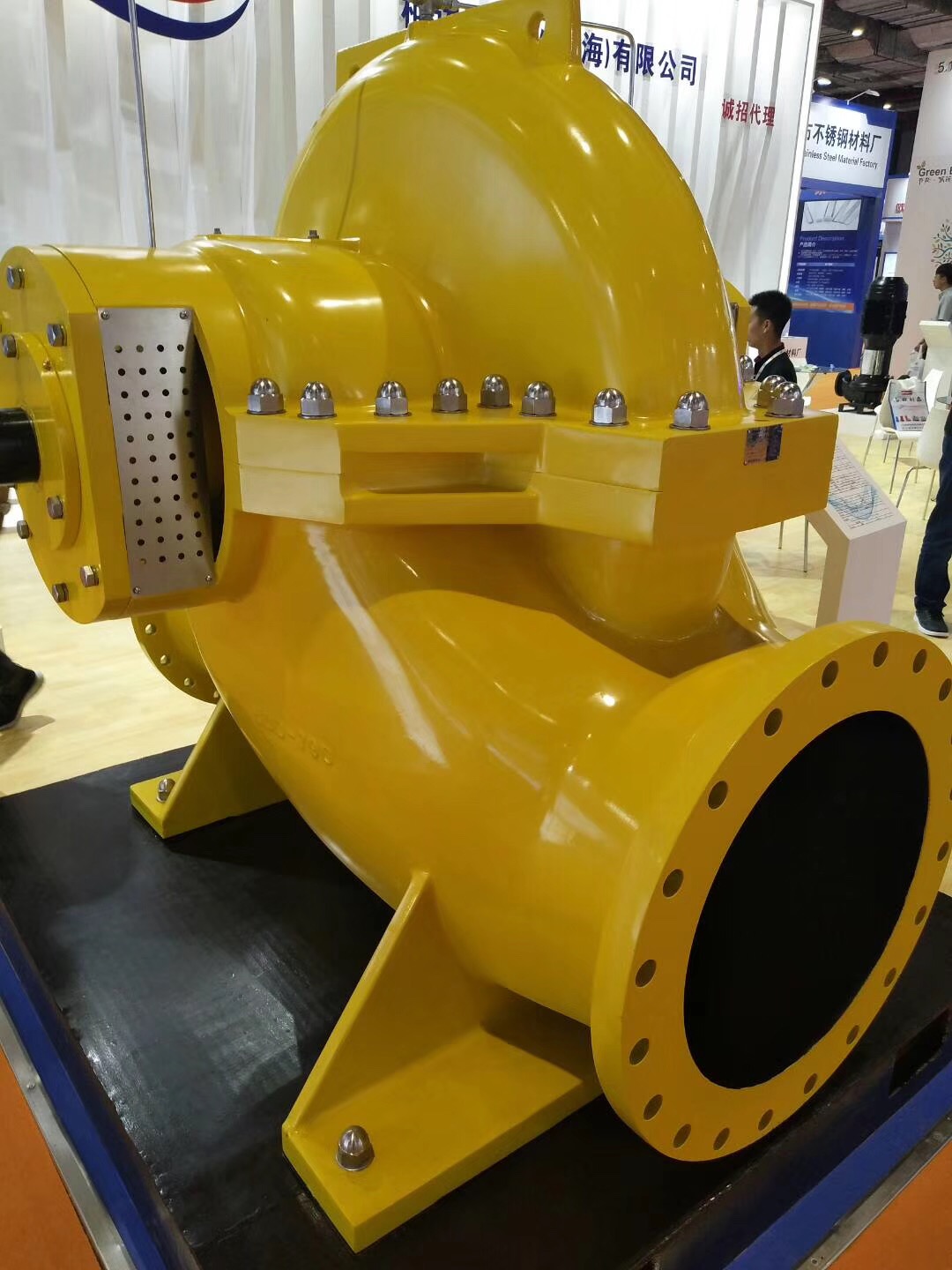
The china interchangeable slurry pump represents a critical advancement in centrifugal pumping technology, specifically engineered for the transport of highly abrasive and corrosive fluids. Positioned as a pivotal component in the midstream process of mineral processing, chemical production, and wastewater treatment, these pumps are designed to mitigate the operational downtime traditionally associated with liner and impeller wear. The "interchangeable" architectural design allows for the rapid replacement of wear parts without the necessity of dismantling the entire pump casing or disconnecting the suction and discharge piping. By utilizing a modular approach to the wet-end assembly, these pumps maintain high hydraulic efficiency while ensuring that the mean time between maintenance (MTBM) is optimized for continuous industrial cycles. The core performance of these units is defined by their ability to handle high solids concentration (up to 70% by weight) while resisting the synergistic effects of erosive wear and chemical corrosion.
Material Science & Manufacturing
The operational longevity of a china interchangeable slurry pump is fundamentally dependent on the metallurgical properties of its wetted parts. The industry standard involves the use of High-Chrome (Hi-Cr) alloys, typically ranging from 27% to 28% Cr, which undergo a precise heat treatment process to create a matrix of hard chromium carbides embedded in a martensitic matrix. This structure provides a hardness rating often exceeding 60 HRC, essential for resisting the impingement of coarse particles.
For applications involving highly acidic or alkaline slurries, duplex stainless steels or synthetic elastomers such as Natural Rubber (NR) and Polyurethane (PU) are employed. The manufacturing process involves precision investment casting to ensure a smooth internal surface finish, which reduces turbulence and minimizes the localized velocity peaks that accelerate wear. The interchangeable cartridge design is manufactured using CNC precision machining to ensure tolerances within microns, guaranteeing a hermetic seal between the liner and the pump frame. Key parameter control during the casting process includes the management of the cooling rate to prevent the formation of brittle delta ferrite, which could lead to catastrophic structural failure under high-pressure surge conditions.
Performance & Engineering
From an engineering perspective, the performance of the china interchangeable slurry pump is analyzed through the lens of fluid dynamics and force analysis. The impeller design utilizes a semi-open or closed geometry optimized for a high Net Positive Suction Head required (NPSHr), reducing the risk of cavitation in low-pressure intake scenarios. The velocity profile within the volute is carefully calculated to minimize "eddy currents," which are primary drivers of localized erosion in the casing.
Environmental resistance is achieved through the implementation of advanced sealing systems, typically utilizing a combination of expeller seals and gland packing or mechanical seals with flush-water cooling. This prevents the egress of abrasive slurry into the bearing housing. Engineering compliance requires that the pump operate within a specific "stability zone" on the HQ curve to avoid surge and vibration. Force analysis is applied to the shaft design to ensure that the radial and axial loads generated by the asymmetric pressure distribution of the slurry do not lead to premature fatigue of the shaft or bearing failure. The integration of an interchangeable wear-liner system ensures that the hydraulic profile remains constant throughout the life of the liner, preventing the efficiency drop-off typical of worn-down non-interchangeable pumps.
Technical Specifications
| Parameter Dimension | High-Chrome Specification | Natural Rubber Specification | Duplex Steel Specification | Operational Limit |
|---|---|---|---|---|
| Hardness (HRC/Shore A) | 60 - 65 HRC | 65 - 75 Shore A | 25 - 35 HRC | Variable by Medium |
| Max Particle Size (mm) | Up to 12mm | Up to 8mm | Up to 10mm | Based on Impeller Eye |
| Corrosion Resistance | Moderate (Acidic) | High (Alkaline) | Extreme (Chloride) | pH Range 2 - 12 |
| Max Operating Pressure | 1.6 MPa | 1.0 MPa | 2.0 MPa | Casing Rated Limit |
| Efficiency Range (%) | 72% - 84% | 68% - 80% | 75% - 86% | Best Efficiency Point |
| Operating Temp (°C) | -20 to 150°C | -10 to 70°C | -40 to 200°C | Material Dependent |
Failure Mode & Maintenance
Failure analysis of china interchangeable slurry pumps typically reveals three primary modes of degradation: erosive wear, cavitation-induced pitting, and seal leakage. Erosive wear occurs most prominently at the impeller vanes and the volute tongue; this is characterized by "scouring" patterns where high-velocity particles strip the passive oxide layer from the metal surface. Cavitation occurs when the NPSH available falls below the NPSH required, creating vapor bubbles that implode with extreme force, leading to localized fatigue cracking and a "honeycomb" surface texture.
Maintenance protocols must focus on the systematic monitoring of vibration signatures and discharge pressure. To prevent catastrophic failure, a predictive maintenance schedule should include: 1. Monthly ultrasonic thickness testing of the liners to determine wear rates. 2. Periodic alignment checks using laser tools to ensure the pump and motor shaft are concentric within 0.05mm. 3. Routine inspection of the gland water flow rate to ensure the sealing face remains lubricated and cooled. When the liner thickness reaches its minimum threshold (typically 20% of original thickness), the interchangeable cartridge should be replaced entirely to restore the pump's original hydraulic efficiency and prevent casing penetration.
Industry FAQ
Q: How does the interchangeable design specifically reduce Total Cost of Ownership (TCO)?
A: The interchangeable design reduces TCO by drastically lowering the Mean Time To Repair (MTTR). Instead of hours spent dismantling piping and removing the pump from its base, the wear cartridge is swapped out as a single unit. This minimizes production downtime and reduces the labor costs associated with complex field teardowns.
Q: Which material should be selected for a slurry with a pH level of 3 and high silica content?
A: For this specific combination of acidity and abrasion, a High-Chrome alloy (27% Cr) is generally preferred over rubber, as rubber may degrade in certain acidic environments. However, if the corrosion rate is extreme, a Duplex Stainless Steel liner with a specialized ceramic coating would be the most engineering-sound choice.
Q: What is the primary indicator that the pump is operating under cavitation conditions?
A: The primary indicators are an increase in high-frequency noise (often described as "pumping gravel") and erratic discharge pressure readings. From a technical standpoint, a significant drop in the pump's head-capacity curve indicates that vapor pockets are obstructing the flow path.
Q: Can the interchangeable slurry pump handle air entrainment in the suction line?
A: While designed for solids, excessive air entrainment can lead to "air binding" and loss of prime. To mitigate this, we recommend installing a vortex breaker in the supply tank and utilizing a pump with a lower NPSHr design to ensure continuous fluid saturation at the impeller eye.
Q: How often should the impeller be balanced after multiple interchangeable replacements?
A: It is recommended to perform a dynamic balance check every three liner/impeller replacement cycles. Even with precision manufacturing, cumulative wear on the shaft sleeve and minor variations in casting weight can introduce imbalances that lead to bearing fatigue.
Conclusion
The china interchangeable slurry pump is a sophisticated engineering solution that balances the conflicting requirements of extreme wear resistance and operational agility. Through the strategic application of high-chrome metallurgy and a modular interchangeable architecture, these pumps effectively address the core industry pain point of unplanned downtime. The integration of precision casting and fluid dynamic optimization ensures that the equipment operates at peak efficiency even under the harshest abrasive conditions.
Looking forward, the evolution of these pumps will likely integrate IoT-based vibration sensors and real-time wear monitoring to transition from scheduled maintenance to condition-based maintenance. For procurement managers and engineers, the selection process must remain focused on the synergy between material compatibility and the specific rheology of the slurry to ensure maximum lifecycle value and system reliability.
-
submersible effluent sewage pump Performance Analysis
News2026-05-31
-
stainless steel submersible sewage pumps Performance Engineering
News2026-05-31
-
stainless steel submersible sewage pump Material Science Manufacturing
News2026-05-31
-
Sewage Submersible Pump Installation Performance Analysis
News2026-05-31
-
sewage submersible pump 2hp Performance Analysis
News2026-05-31
-
sewage submersible pump 1hp Performance Analysis
News2026-05-30
-
1 hp sewage submersible pump Performance Analysis
News2026-05-30
-
waste pump for basement bathroom Performance and Engineering
News2026-05-30
-
Sump Pump Drain Field Performance Analysis
News2026-05-30
-
small sewage pump Performance Analysis
News2026-05-30
-
sewer pump for basement Material Science Manufacturing
News2026-05-29
-
sewage sump pumps Performance and Engineering
News2026-05-29
-
sewage pumps for septic tanks Material Science and Manufacturing
News2026-05-29
-
Sewage Pumping Companies Performance Analysis
News2026-05-29
-
Sewage Pump Manufacturers Performance Engineering
News2026-05-29




