English
- Afrikaans
- Albanian
- Amharic
- Arabic
- Armenian
- Azerbaijani
- Basque
- Belarusian
- Bengali
- Bosnian
- Bulgarian
- Catalan
- Cebuano
- Corsican
- Croatian
- Czech
- Danish
- Dutch
- English
- Esperanto
- Estonian
- Finnish
- French
- Frisian
- Galician
- Georgian
- German
- Greek
- Gujarati
- Haitian Creole
- hausa
- hawaiian
- Hebrew
- Hindi
- Miao
- Hungarian
- Icelandic
- igbo
- Indonesian
- irish
- Italian
- Japanese
- Javanese
- Kannada
- kazakh
- Khmer
- Rwandese
- Korean
- Kurdish
- Kyrgyz
- Lao
- Latin
- Latvian
- Lithuanian
- Luxembourgish
- Macedonian
- Malgashi
- Malay
- Malayalam
- Maltese
- Maori
- Marathi
- Mongolian
- Myanmar
- Nepali
- Norwegian
- Norwegian
- Occitan
- Pashto
- Persian
- Polish
- Portuguese
- Punjabi
- Romanian
- Russian
- Samoan
- Scottish Gaelic
- Serbian
- Sesotho
- Shona
- Sindhi
- Sinhala
- Slovak
- Slovenian
- Somali
- Spanish
- Sundanese
- Swahili
- Swedish
- Tagalog
- Tajik
- Tamil
- Tatar
- Telugu
- Thai
- Turkish
- Turkmen
- Ukrainian
- Urdu
- Uighur
- Uzbek
- Vietnamese
- Welsh
- Bantu
- Yiddish
- Yoruba
- Zulu

Telephone: +86 13120555503
Email: frank@cypump.com


Apr . 01, 2024 17:55 Back to list
china horizontal slurry pump Performance Analysis
Introduction
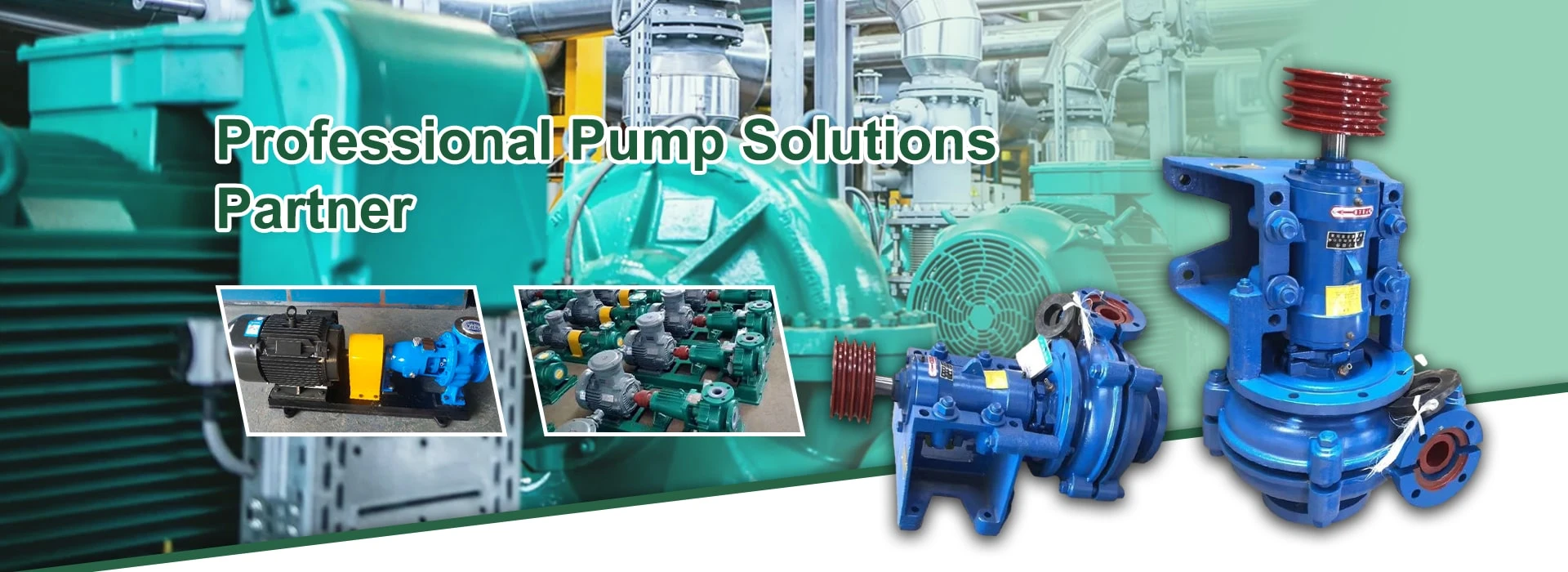
China horizontal slurry pumps are centrifugal pumps specifically designed for the transportation of abrasive and erosive slurries. Positioned within the mining, wastewater treatment, and industrial processing industries, they represent a critical component in material handling systems. Unlike conventional water pumps, these pumps are engineered to withstand the high solids content and aggressive nature of slurries, minimizing wear and maximizing operational longevity. Core performance characteristics center on flow rate, head (pressure), solids handling capacity, and wear resistance, directly impacting process efficiency and overall lifecycle cost. The increasing demand for efficient and reliable slurry handling, particularly within expanding infrastructure projects in emerging economies, fuels the growth of this segment within the pump industry. This guide provides a comprehensive technical overview of these pumps, covering materials, manufacturing, performance considerations, failure modes, and relevant industry standards.
Material Science & Manufacturing
The performance and durability of a horizontal slurry pump are intrinsically linked to the materials employed in its construction and the precision of the manufacturing process. Key components, including the impeller, volute casing, and liner, are typically constructed from high-chromium cast iron (typically 26-28% Cr) due to its exceptional abrasion resistance. Alternative materials, like high-hardened stainless steels (e.g., duplex stainless steel) or specialized alloys, are utilized for handling highly corrosive slurries. The impeller design often incorporates a closed or semi-open configuration, with the latter preferred for higher solids content to prevent clogging. Manufacturing commences with sand casting for the major components, followed by heat treatment to achieve optimal hardness and toughness. Critical dimensions are machined to tight tolerances to ensure proper impeller-casing clearances. The volute casing undergoes rigorous hydrostatic testing to verify its structural integrity. Shaft material is frequently 4140 alloy steel, undergoing quenching and tempering. Sealing is achieved through mechanical seals or packing glands, selected based on slurry characteristics and operational requirements. Welding procedures, adhering to AWS D1.1 standards, are crucial for joining the pump casing and other structural elements, minimizing residual stress and preventing cracking. Rubber liners are frequently employed to further enhance abrasion resistance, typically manufactured from natural rubber or synthetic elastomers like polyurethane, and bonded to the casing using vulcanization processes. Quality control includes non-destructive testing (NDT) methods like radiographic inspection and ultrasonic testing to detect internal flaws in castings and welds.
Performance & Engineering
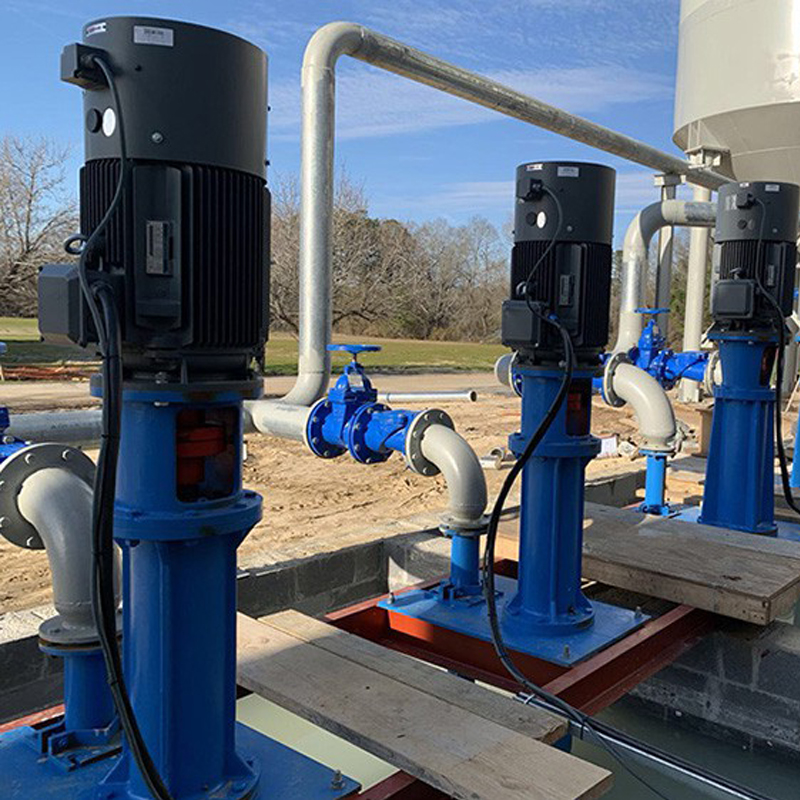
The performance of a horizontal slurry pump is governed by fundamental principles of fluid dynamics and mechanical engineering. Pump performance curves depict the relationship between flow rate (Q), head (H), and power consumption. The hydraulic efficiency is affected by impeller geometry, internal clearances, and slurry characteristics (solids concentration, particle size, and density). Net Positive Suction Head Required (NPSHr) is a critical parameter, ensuring adequate pressure at the impeller inlet to prevent cavitation. Cavitation, the formation and collapse of vapor bubbles, leads to impeller erosion and reduced pump efficiency. Force analysis involves assessing the hydraulic forces acting on the impeller and casing, as well as the radial loads imposed by the shaft and bearings. Bearing selection considers the radial and axial loads, speed, and operating temperature. Environmental resistance is paramount, particularly in harsh industrial environments. Casing materials must exhibit resistance to corrosion and erosion from the slurry. Pump design incorporates features like wear plates and replaceable liners to prolong component life. Compliance requirements include adherence to API 610 standards for centrifugal pumps and relevant environmental regulations regarding emissions and waste disposal. The pump's motor is typically an induction motor, protected by appropriate enclosures (e.g., TEFC – Totally Enclosed Fan Cooled) to prevent ingress of dust and moisture. Coupling alignment is critical to minimize vibration and bearing wear. Pump selection considers the system’s total dynamic head (TDH), slurry specific gravity, and desired flow rate, based on established pump affinity laws.
Technical Specifications
| Parameter | Unit | Typical Range (China Horizontal Slurry Pump) | Common Variation |
|---|---|---|---|
| Flow Rate | m³/h | 10 – 1200 | Dependent on impeller diameter and speed |
| Head | m | 5 – 80 | Varies with impeller design |
| Solids Handling Size | mm | Up to 150 | Larger sizes available for specific applications |
| Slurry Concentration (by weight) | % | Up to 60 | Dependent on pump design and slurry properties |
| Impeller Material | - | High-Chromium Cast Iron (26-28% Cr) | Stainless Steel, Rubber Lined |
| Casing Material | - | High-Chromium Cast Iron | Rubber Lined, Stainless Steel |
Failure Mode & Maintenance
Horizontal slurry pumps are susceptible to several failure modes, primarily stemming from the abrasive and erosive nature of the slurries they handle. Fatigue cracking in the impeller and casing is common, initiated by cyclic stresses and exacerbated by the presence of abrasive particles. Erosion, the gradual wear of material due to impact from solid particles, occurs primarily on the impeller vanes, casing liner, and volute tongue. Corrosion, particularly in chemically aggressive slurries, leads to material degradation and thinning of pump components. Mechanical seal failure is frequent, caused by abrasive wear, chemical attack, or improper installation. Bearing failure arises from contamination, inadequate lubrication, or excessive loads. Delamination of rubber liners can occur due to bond failure or impact damage. Preventive maintenance is crucial. This includes regular visual inspections for wear and corrosion, monitoring bearing temperatures and vibrations, and performing periodic seal replacement. Impeller and casing replacement is inevitable, with service life dependent on slurry abrasiveness and operating conditions. Proper lubrication schedules, using appropriate greases and oils, are essential for bearing longevity. Filtration of the slurry upstream of the pump minimizes abrasive wear. Periodic analysis of wear patterns provides valuable insights for optimizing pump selection and maintenance strategies. Shutdown and overhaul schedules should be based on operating hours and performance monitoring, ensuring timely replacement of worn components before catastrophic failure occurs.
Industry FAQ
Q: What is the impact of slurry particle size on pump selection and performance?
A: Larger particle sizes require pumps with larger internal passages and more robust impeller designs to prevent clogging and minimize erosion. Increased particle size generally reduces pump efficiency and increases power consumption. Selection criteria should prioritize pumps specifically designed for handling the anticipated particle size distribution.
Q: How do different impeller designs affect pump performance in abrasive slurries?
A: Closed impellers are more efficient for clean fluids but are prone to clogging in abrasive slurries. Semi-open impellers offer better solids handling capabilities but exhibit lower efficiency. Open impellers are ideal for high-solids concentrations but have the lowest efficiency. The optimal choice depends on the slurry composition and required flow rate.
Q: What are the key considerations for selecting mechanical seals for slurry pumps?
A: Mechanical seal selection requires careful consideration of slurry composition, particle size, pressure, and temperature. Materials resistant to abrasion and chemical attack are crucial. Double mechanical seals with a barrier fluid are often employed for highly abrasive or hazardous slurries.
Q: How can cavitation be prevented in horizontal slurry pumps?
A: Ensuring sufficient NPSHa (Net Positive Suction Head Available) is critical. This involves optimizing suction piping layout, minimizing suction lift, and controlling slurry temperature. Proper impeller design and speed control can also help mitigate cavitation risk.
Q: What are the benefits of using rubber liners in slurry pump casings?
A: Rubber liners provide excellent abrasion resistance, protecting the metal casing from wear and extending its service life. They also dampen noise and vibration. However, rubber liners have limited chemical resistance and may require periodic replacement.
Conclusion
China horizontal slurry pumps represent a vital technology for industries dealing with abrasive and erosive slurries. Their design and material selection, driven by the need for robust performance and extended operational life, are critical. Understanding the interplay between fluid dynamics, materials science, and engineering principles is paramount for proper pump selection, installation, and maintenance.
Continued advancements in materials, such as improved alloys and elastomeric compounds, coupled with sophisticated modeling and simulation techniques, are expected to further enhance the efficiency and reliability of these pumps. Future trends include the integration of advanced monitoring systems for predictive maintenance and the development of pumps capable of handling even more challenging slurry characteristics.
-
Effluent vs Sump Pump Performance Analysis
News2026-05-22
-
effluent septic pump Performance Engineering
News2026-05-22
-
best sewer pumps Performance Engineering
News2026-05-22
-
best sewer pump Performance Analysis
News2026-05-22
-
best sewage pumps Performance Engineering
News2026-05-22
-
basement bathroom sewage pump Material Science Manufacturing
News2026-05-21
-
wastewater treatment plant pumps Material Science Manufacturing
News2026-05-21
-
waste water pump for basement Material Science Manufacturing
News2026-05-21
-
sump pump sewage Performance Analysis
News2026-05-21
-
sump pump for sewage Material Science and Manufacturing
News2026-05-21
-
sump pump for septic systems Material Science Manufacturing
News2026-05-20
-
sump pump and ejector pump Material Science Manufacturing
News2026-05-20
-
sewage treatment plant pumps Performance Analysis
News2026-05-20
-
sewage tank pump Material Science and Manufacturing
News2026-05-20
-
sewage pump for septic tank Performance Analysis
News2026-05-20




