English
- Afrikaans
- Albanian
- Amharic
- Arabic
- Armenian
- Azerbaijani
- Basque
- Belarusian
- Bengali
- Bosnian
- Bulgarian
- Catalan
- Cebuano
- Corsican
- Croatian
- Czech
- Danish
- Dutch
- English
- Esperanto
- Estonian
- Finnish
- French
- Frisian
- Galician
- Georgian
- German
- Greek
- Gujarati
- Haitian Creole
- hausa
- hawaiian
- Hebrew
- Hindi
- Miao
- Hungarian
- Icelandic
- igbo
- Indonesian
- irish
- Italian
- Japanese
- Javanese
- Kannada
- kazakh
- Khmer
- Rwandese
- Korean
- Kurdish
- Kyrgyz
- Lao
- Latin
- Latvian
- Lithuanian
- Luxembourgish
- Macedonian
- Malgashi
- Malay
- Malayalam
- Maltese
- Maori
- Marathi
- Mongolian
- Myanmar
- Nepali
- Norwegian
- Norwegian
- Occitan
- Pashto
- Persian
- Polish
- Portuguese
- Punjabi
- Romanian
- Russian
- Samoan
- Scottish Gaelic
- Serbian
- Sesotho
- Shona
- Sindhi
- Sinhala
- Slovak
- Slovenian
- Somali
- Spanish
- Sundanese
- Swahili
- Swedish
- Tagalog
- Tajik
- Tamil
- Tatar
- Telugu
- Thai
- Turkish
- Turkmen
- Ukrainian
- Urdu
- Uighur
- Uzbek
- Vietnamese
- Welsh
- Bantu
- Yiddish
- Yoruba
- Zulu

Telephone: +86 13120555503
Email: frank@cypump.com


Apr . 01, 2024 17:55 Back to list
china horizontal froth slurry pump Performance Analysis
Introduction
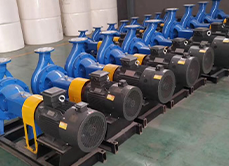
The china horizontal froth slurry pump is a centrifugal pump specifically designed for the efficient transportation of froth-laden slurries commonly found in mineral processing, tailings management, and wastewater treatment applications. Unlike standard slurry pumps, these units incorporate design features optimized for handling the unique rheological properties of frothy mixtures, which present challenges due to entrained air. Positioned within the mineral processing plant’s solid-liquid separation chain, typically downstream of flotation cells, it is crucial for moving concentrate, tailings, and recycled water. Core performance characteristics are defined by its volumetric flow rate (m³/h), total dynamic head (TDH) in meters, solids handling capability (percentage by weight and particle size distribution), and the pump’s power efficiency. Addressing the core industry pain point of pump cavitation and reduced throughput when handling frothy materials, these pumps offer robust construction and specialized impeller designs to ensure consistent operation and minimize maintenance.
Material Science & Manufacturing
The primary material for the pump casing is typically HT250 cast iron, chosen for its robust tensile strength (250 MPa minimum), good wear resistance, and ease of casting. Impellers are commonly constructed from high-chromium cast iron (e.g., 27% Cr) or specialized alloys like duplex stainless steel (e.g., 2205) to withstand abrasive wear from solid particles and corrosion from process fluids. Shafts are manufactured from 40CrMo steel, offering high torsional strength and fatigue resistance. Seals utilize materials like tungsten carbide or silicon carbide for mechanical seals to ensure long-term reliability. The manufacturing process begins with pattern making and sand casting for the casing and impeller. Critical dimensions are maintained through precision machining and quality control checks using coordinate measuring machines (CMMs). Welding processes, when employed for component assembly, follow ISO 9606-1 standards. Key parameter control during manufacturing includes monitoring casting temperature, controlling cooling rates to minimize residual stresses, and ensuring correct hardness levels through heat treatment. The impeller's blade angle and volute geometry are meticulously controlled to optimize hydraulic efficiency. Rubber liners, typically natural rubber or synthetic elastomers (e.g., EPDM) are vulcanized into the casing to provide enhanced corrosion and abrasion resistance.
Performance & Engineering
Performance of a horizontal froth slurry pump is heavily influenced by the froth's air-liquid ratio and bubble size distribution. Force analysis involves assessing hydrodynamic forces acting on the impeller, radial loads on the bearings, and axial thrust. Cavitation is a critical concern, especially with frothy slurries; the pump design incorporates a larger suction port and a lower net positive suction head required (NPSHr) to mitigate this risk. Environmental resistance focuses on preventing corrosion and erosion. Materials selection, as discussed above, is paramount. Coatings such as epoxy resins or polyurethane linings can further enhance corrosion protection. Compliance requirements are dictated by industry standards (see footer) and local regulations regarding environmental emissions and workplace safety. Functional implementation relies on a carefully balanced hydraulic design to ensure stable pump operation and prevent excessive vibration. The pump's power consumption is minimized through optimized impeller geometry and efficient motor selection. Furthermore, the selection of the correct pump curve based on the system’s total head and flow rate requirements is essential to achieving optimal performance and extending pump life. The design must also accommodate thermal expansion and contraction of the pump components to prevent binding and ensure smooth operation.
Technical Specifications
| Pump Model | Capacity (m³/h) | Head (m) | Motor Power (kW) |
|---|---|---|---|
| HFSP-80 | 20-80 | 15-30 | 11-22 |
| HFSP-125 | 40-125 | 25-45 | 30-55 |
| HFSP-150 | 60-150 | 35-60 | 45-75 |
| HFSP-200 | 80-200 | 40-70 | 55-110 |
| HFSP-250 | 100-250 | 50-80 | 75-150 |
| HFSP-300 | 150-300 | 60-90 | 110-185 |
Failure Mode & Maintenance
Common failure modes for horizontal froth slurry pumps include impeller wear due to abrasive solids, cavitation damage leading to impeller erosion, seal failures resulting in leakage, bearing failures due to overloading or improper lubrication, and casing corrosion. Fatigue cracking can occur in the pump casing due to cyclical loading and stress concentration. Delamination of rubber liners can occur due to improper bonding or aggressive chemical attack. Degradation of elastomer components occurs from exposure to hydrocarbons or excessive temperatures. Oxidation of metallic components can arise from prolonged exposure to oxidizing environments. Maintenance solutions involve regular inspections for wear and corrosion. Impeller replacement is necessary when wear exceeds acceptable limits. Seal replacement should be performed proactively to prevent leaks. Bearing lubrication schedules must be strictly followed. Casing corrosion can be addressed with protective coatings. Rubber liners should be inspected for damage and replaced as needed. A preventative maintenance schedule, incorporating vibration analysis and oil analysis, is crucial for identifying potential problems before they lead to catastrophic failures. Proper alignment of the pump and motor is essential to minimize bearing loads and extend pump life. Regular monitoring of pump performance parameters (flow rate, head, power consumption) can also help detect early signs of degradation.
Industry FAQ
Q: What is the impact of froth air-liquid ratio on pump performance?
A: Increased air-liquid ratio in the slurry reduces the effective volumetric flow rate and increases the NPSHr required by the pump. The entrained air creates compressibility issues, leading to reduced pump efficiency and potential cavitation. Specialized impeller designs and larger suction ports are crucial for mitigating these effects.
Q: How does the pump casing material affect its service life in a corrosive environment?
A: The casing material is a key determinant of service life. HT250 cast iron provides basic corrosion resistance, but for highly corrosive slurries, materials like duplex stainless steel or casings lined with rubber or epoxy resins are necessary. Regular inspection for corrosion and proactive replacement of corroded components are essential.
Q: What are the key considerations when selecting a pump for a specific froth slurry application?
A: Key considerations include the slurry's solid concentration, particle size distribution, froth characteristics (air-liquid ratio, bubble size), flow rate, total dynamic head, and the corrosive/abrasive nature of the slurry. Pump selection should be based on a detailed system analysis and consideration of the pump's performance curves.
Q: What preventative maintenance measures can be taken to extend the pump’s operating life?
A: Preventative maintenance includes regular lubrication of bearings, seal inspections and replacements, impeller wear checks, casing corrosion inspections, and monitoring of pump performance parameters (flow, head, power). Vibration analysis and oil analysis can also identify potential problems early on.
Q: How do I troubleshoot a pump that is experiencing reduced flow rate and increased vibration?
A: Reduced flow rate and increased vibration can indicate impeller wear, cavitation, seal failure, bearing failure, or misalignment. Troubleshooting steps involve checking for impeller damage, verifying proper suction conditions, inspecting seals and bearings, and ensuring proper pump and motor alignment.
Conclusion
The china horizontal froth slurry pump represents a critical component in numerous industrial processes, specifically those involving froth-laden slurries. Its design, material selection, and manufacturing processes are all geared towards overcoming the challenges presented by these complex fluids, namely mitigating cavitation, maximizing efficiency, and ensuring longevity in abrasive and corrosive environments. Understanding the nuanced interplay between slurry characteristics and pump performance is vital for optimal operation and cost-effective maintenance.
Future advancements are likely to focus on enhanced impeller geometries leveraging computational fluid dynamics (CFD) modeling to further optimize performance and reduce energy consumption. The development of more durable and corrosion-resistant materials, as well as the integration of condition monitoring systems for predictive maintenance, will also play a crucial role in enhancing the reliability and lifespan of these pumps. Selecting the correct pump for a specific application, coupled with a robust preventative maintenance program, remains paramount for achieving optimal performance and minimizing downtime.
-
Precision at the Pump: How Better Machining Protects Flow and Uptime
News2026-11-20
-
Why Pump Reliability Begins Before the First Drop of Fluid
News2026-11-20
-
Beyond the Pump: Designing Safer Access Around Critical Water Infrastructure
News2026-11-20
-
Why Pumping Stations Depend on the Infrastructure Beneath the Pumps
News2026-11-20
-
Beyond the Pump Room: How Smarter Loading Protects Industrial Equipment
News2026-11-19
-
When Pumps Stop: Designing More Resilient Power for Critical Pumping Systems
News2026-11-19
-
The Hidden Role of Dust and Gas Monitoring in Reliable Pump Operations
News2026-11-19
-
The Hidden Role of Mineral Compounds in Extending Industrial Pump Lifespan
News2026-10-12
-
Why Pump System Reliability Depends on Precision Hose Assembly Methods
News2026-09-15
-
How Advanced Imaging Films Are Transforming Pump Component Quality Control
News2026-08-25
-
How Advanced Filtration Protects Pump Systems from Premature Wear and Costly Downtime
News2026-08-25
-
How Steel Material Selection Drives Pump Reliability in Heavy-Duty Systems
News2026-08-25
-
Ensuring Pump System Efficiency: The Role of High-Quality Pipe Fittings and Tubing
News2026-08-24
-
Optimizing Fluid Dynamics and Material Consistency in Industrial Processing
News2026-08-18
-
Innovations and Challenges in Hydraulic Systems for Heavy Machinery
News2026-08-13




