English
- Afrikaans
- Albanian
- Amharic
- Arabic
- Armenian
- Azerbaijani
- Basque
- Belarusian
- Bengali
- Bosnian
- Bulgarian
- Catalan
- Cebuano
- Corsican
- Croatian
- Czech
- Danish
- Dutch
- English
- Esperanto
- Estonian
- Finnish
- French
- Frisian
- Galician
- Georgian
- German
- Greek
- Gujarati
- Haitian Creole
- hausa
- hawaiian
- Hebrew
- Hindi
- Miao
- Hungarian
- Icelandic
- igbo
- Indonesian
- irish
- Italian
- Japanese
- Javanese
- Kannada
- kazakh
- Khmer
- Rwandese
- Korean
- Kurdish
- Kyrgyz
- Lao
- Latin
- Latvian
- Lithuanian
- Luxembourgish
- Macedonian
- Malgashi
- Malay
- Malayalam
- Maltese
- Maori
- Marathi
- Mongolian
- Myanmar
- Nepali
- Norwegian
- Norwegian
- Occitan
- Pashto
- Persian
- Polish
- Portuguese
- Punjabi
- Romanian
- Russian
- Samoan
- Scottish Gaelic
- Serbian
- Sesotho
- Shona
- Sindhi
- Sinhala
- Slovak
- Slovenian
- Somali
- Spanish
- Sundanese
- Swahili
- Swedish
- Tagalog
- Tajik
- Tamil
- Tatar
- Telugu
- Thai
- Turkish
- Turkmen
- Ukrainian
- Urdu
- Uighur
- Uzbek
- Vietnamese
- Welsh
- Bantu
- Yiddish
- Yoruba
- Zulu

Telephone: +86 13120555503
Email: frank@cypump.com


Apr . 01, 2024 17:55 Back to list
china centrifugal vertical slurry pump Performance Analysis
Introduction
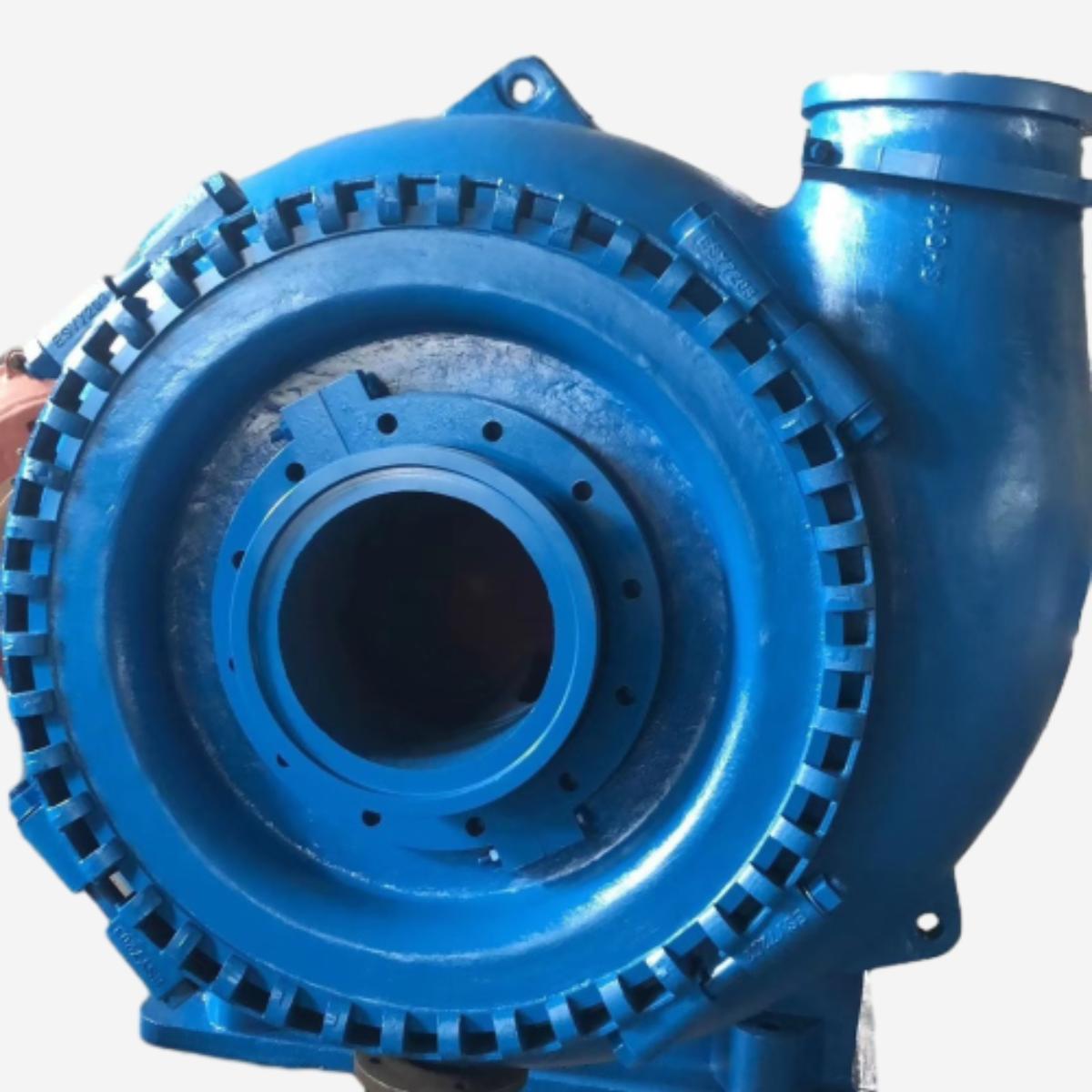
China centrifugal vertical slurry pumps are engineered for the efficient and reliable transport of abrasive, corrosive, and high-solids content slurries. Positioned as critical components in mineral processing, wastewater treatment, dredging, and chemical industries, these pumps offer advantages over horizontal configurations by minimizing footprint, simplifying installation, and enhancing suction lift capabilities. Their design addresses the specific challenges posed by handling mixtures containing solids, such as wear, erosion, and potential clogging. Core performance metrics center around flow rate, head, solids handling capacity, and pump efficiency, all dictated by impeller design, casing geometry, and material selection. Addressing industry pain points related to maintenance downtime, operational costs, and material degradation, advancements focus on robust construction, wear-resistant materials, and optimized hydraulic designs.
Material Science & Manufacturing
The construction of a centrifugal vertical slurry pump relies heavily on materials resistant to abrasive and corrosive attack. Casing materials typically include high-chrome cast iron (A33, A49) for its exceptional wear resistance, alloy steels (e.g., 25CrMo4) for high tensile strength and impact toughness, and specialized rubber linings for corrosive applications. Impellers are commonly manufactured from high-chrome alloys, hardened stainless steels (e.g., 304, 316), or ceramic materials like alumina (Al2O3) for extreme wear resistance. Shafts employ materials such as 4140 alloy steel, heat treated for enhanced strength and fatigue resistance. Seals utilize materials like tungsten carbide or silicon carbide against hardened metal faces to prevent leakage and maintain pump efficiency.
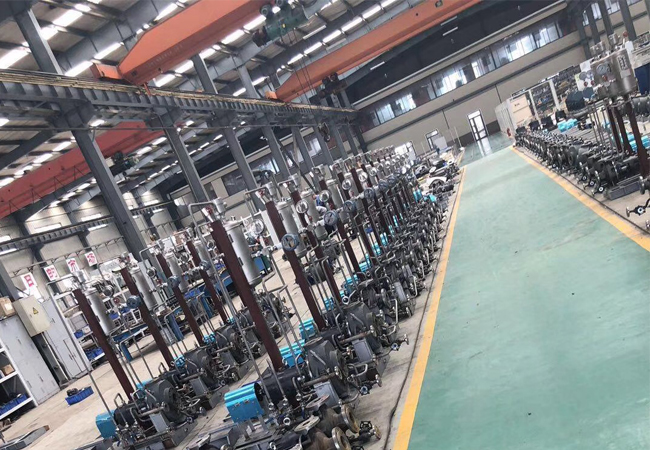
Manufacturing processes involve several key steps. Casing and impeller production often begins with sand casting, followed by precision machining to ensure dimensional accuracy and smooth surface finish. Rubber linings are applied via vulcanization, bonding the rubber to the metal substrate. Shaft manufacturing involves forging, turning, and heat treatment. Welding is employed for joining components, requiring qualified welders and stringent quality control to prevent defects like porosity or cracking. Critical parameters controlled during manufacturing include chemical composition verification, hardness testing, dimensional inspections using coordinate measuring machines (CMMs), and non-destructive testing (NDT) methods like ultrasonic testing and radiographic inspection to detect internal flaws. Impeller balancing is paramount to minimize vibration and ensure smooth operation.
Performance & Engineering
The performance of a centrifugal vertical slurry pump is governed by hydraulic principles and mechanical engineering considerations. Force analysis focuses on radial loads imposed by the impeller on the shaft and bearings, and axial thrust generated by pressure differences. Bearings, typically deep-groove ball or cylindrical roller bearings, are sized to withstand these loads with adequate safety factors. Environmental resistance is crucial; pumps operating in harsh climates require appropriate sealing arrangements and corrosion protection. Compliance with industry standards, such as API 610 for centrifugal pumps, dictates design requirements, material selection, and testing procedures.
Functional implementation involves optimizing impeller geometry for solids handling. Impeller designs range from closed impellers for cleaner slurries to open or semi-open impellers for higher solids concentrations. Casing design minimizes flow restrictions and promotes uniform slurry distribution. Suction and discharge piping arrangements must be carefully designed to avoid cavitation and ensure stable flow. Variable Frequency Drives (VFDs) are frequently integrated to control pump speed and flow rate, optimizing energy consumption and process control. The Net Positive Suction Head Required (NPSHr) is a critical parameter that must be considered during system design to prevent cavitation damage. Furthermore, proper alignment between the pump and motor is vital for extended bearing life and efficient power transmission.
Technical Specifications
| Parameter | Unit | Typical Range (Small Pump) | Typical Range (Large Pump) |
|---|---|---|---|
| Flow Rate | m³/h | 5 – 50 | 200 – 800 |
| Head | m | 10 – 30 | 50 – 150 |
| Solids Handling Capacity | % by weight | 5 – 20 | 20 – 60 |
| Maximum Particle Size | mm | 10 – 25 | 50 – 100 |
| Power | kW | 1.5 – 7.5 | 30 – 150 |
| Operating Temperature | °C | -20 to 80 | -40 to 120 |
Failure Mode & Maintenance
Centrifugal vertical slurry pumps are susceptible to several failure modes. Fatigue cracking can occur in the shaft due to cyclic loading and bending stresses, particularly if the pump is subjected to vibration or hydraulic shocks. Impeller erosion is a common issue, especially when handling highly abrasive slurries, leading to reduced pump efficiency and flow rate. Casing wear can result from impingement of solid particles, requiring periodic inspection and repair. Seal failures are frequent, causing leakage and potential damage to bearings. Bearing failures can arise from inadequate lubrication, misalignment, or excessive loading. Cavitation damage can occur if the NPSHr is exceeded, leading to pitting and erosion of the impeller.
Preventive maintenance is crucial for maximizing pump life and minimizing downtime. Regular inspection of wear components, such as the impeller, casing, and seals, is essential. Periodic lubrication of bearings and seal flushing are critical. Vibration monitoring can detect early signs of imbalance or bearing wear. Alignment checks should be performed after maintenance activities. Proper strainer selection and maintenance prevent clogging and ensure consistent flow. Flush lines should be inspected for blockages. Material upgrades, such as employing hardened materials or rubber linings, can significantly extend component life. Root cause analysis of failures should be conducted to identify and address underlying issues, preventing recurrence.
Industry FAQ
Q: What are the key considerations when selecting a slurry pump material for a highly abrasive application?
A: For highly abrasive applications, the primary consideration is wear resistance. High-chrome cast iron is a common choice due to its excellent abrasion resistance, but the specific alloy composition should be tailored to the slurry’s characteristics. Ceramic materials like alumina offer superior wear resistance but are more brittle and expensive. The slurry’s pH and chemical composition also influence material selection to prevent corrosion.
Q: How can cavitation be prevented in a vertical slurry pump?
A: Cavitation is prevented by ensuring adequate Net Positive Suction Head Available (NPSHa) exceeds the Net Positive Suction Head Required (NPSHr). This involves minimizing suction lift, increasing suction pipe diameter, reducing fluid temperature, and avoiding restrictions in the suction piping.
Q: What is the impact of impeller design on pump efficiency and solids handling capacity?
A: Open or semi-open impellers are preferred for high-solids content slurries as they reduce the risk of clogging and allow solids to pass through without causing significant wear. However, closed impellers generally offer higher efficiency for cleaner slurries. Impeller vane angle and width also influence pump performance and solids handling capability.
Q: What are the benefits of using a Variable Frequency Drive (VFD) with a slurry pump?
A: VFDs allow for precise control of pump speed and flow rate, optimizing energy consumption and process control. They can also reduce hydraulic shocks and wear by modulating pump speed during startup and shutdown. VFDs are particularly beneficial in applications with varying flow requirements.
Q: How often should the pump seals be inspected and replaced?
A: Seal inspection frequency depends on the slurry’s abrasiveness and corrosiveness. As a general guideline, seals should be inspected every 6-12 months, or more frequently in severe applications. Replace seals when signs of leakage, wear, or damage are observed. Regularly flushing the seals is also crucial for extending their lifespan.
Conclusion
China centrifugal vertical slurry pumps represent a robust and efficient solution for handling challenging slurries across a diverse range of industrial applications. Their design, prioritizing vertical configuration and material selection, directly addresses common pain points associated with horizontal pumps in abrasive environments – namely, footprint limitations and reduced suction lift. Understanding the material science underpinning construction, coupled with diligent maintenance practices focusing on wear component monitoring and preventative measures, is paramount to maximizing pump lifespan and operational reliability.
Continued advancements in impeller design, seal technology, and monitoring systems will further enhance the performance and longevity of these pumps. Integrating predictive maintenance strategies utilizing vibration analysis and remote monitoring will transition maintenance from reactive to proactive, minimizing downtime and optimizing lifecycle costs. As environmental regulations become increasingly stringent, the development of more energy-efficient pump designs and materials will be crucial for sustainable operation.
-
Precision at the Pump: How Better Machining Protects Flow and Uptime
News2026-11-20
-
Why Pump Reliability Begins Before the First Drop of Fluid
News2026-11-20
-
Beyond the Pump: Designing Safer Access Around Critical Water Infrastructure
News2026-11-20
-
Why Pumping Stations Depend on the Infrastructure Beneath the Pumps
News2026-11-20
-
Beyond the Pump Room: How Smarter Loading Protects Industrial Equipment
News2026-11-19
-
When Pumps Stop: Designing More Resilient Power for Critical Pumping Systems
News2026-11-19
-
The Hidden Role of Dust and Gas Monitoring in Reliable Pump Operations
News2026-11-19
-
The Hidden Role of Mineral Compounds in Extending Industrial Pump Lifespan
News2026-10-12
-
Why Pump System Reliability Depends on Precision Hose Assembly Methods
News2026-09-15
-
How Advanced Imaging Films Are Transforming Pump Component Quality Control
News2026-08-25
-
How Advanced Filtration Protects Pump Systems from Premature Wear and Costly Downtime
News2026-08-25
-
How Steel Material Selection Drives Pump Reliability in Heavy-Duty Systems
News2026-08-25
-
Ensuring Pump System Efficiency: The Role of High-Quality Pipe Fittings and Tubing
News2026-08-24
-
Optimizing Fluid Dynamics and Material Consistency in Industrial Processing
News2026-08-18
-
Innovations and Challenges in Hydraulic Systems for Heavy Machinery
News2026-08-13




