English
- Afrikaans
- Albanian
- Amharic
- Arabic
- Armenian
- Azerbaijani
- Basque
- Belarusian
- Bengali
- Bosnian
- Bulgarian
- Catalan
- Cebuano
- Corsican
- Croatian
- Czech
- Danish
- Dutch
- English
- Esperanto
- Estonian
- Finnish
- French
- Frisian
- Galician
- Georgian
- German
- Greek
- Gujarati
- Haitian Creole
- hausa
- hawaiian
- Hebrew
- Hindi
- Miao
- Hungarian
- Icelandic
- igbo
- Indonesian
- irish
- Italian
- Japanese
- Javanese
- Kannada
- kazakh
- Khmer
- Rwandese
- Korean
- Kurdish
- Kyrgyz
- Lao
- Latin
- Latvian
- Lithuanian
- Luxembourgish
- Macedonian
- Malgashi
- Malay
- Malayalam
- Maltese
- Maori
- Marathi
- Mongolian
- Myanmar
- Nepali
- Norwegian
- Norwegian
- Occitan
- Pashto
- Persian
- Polish
- Portuguese
- Punjabi
- Romanian
- Russian
- Samoan
- Scottish Gaelic
- Serbian
- Sesotho
- Shona
- Sindhi
- Sinhala
- Slovak
- Slovenian
- Somali
- Spanish
- Sundanese
- Swahili
- Swedish
- Tagalog
- Tajik
- Tamil
- Tatar
- Telugu
- Thai
- Turkish
- Turkmen
- Ukrainian
- Urdu
- Uighur
- Uzbek
- Vietnamese
- Welsh
- Bantu
- Yiddish
- Yoruba
- Zulu

Telephone: +86 13120555503
Email: frank@cypump.com


Apr . 01, 2024 17:55 Back to list
china buccaneer slurry pumps Performance Analysis
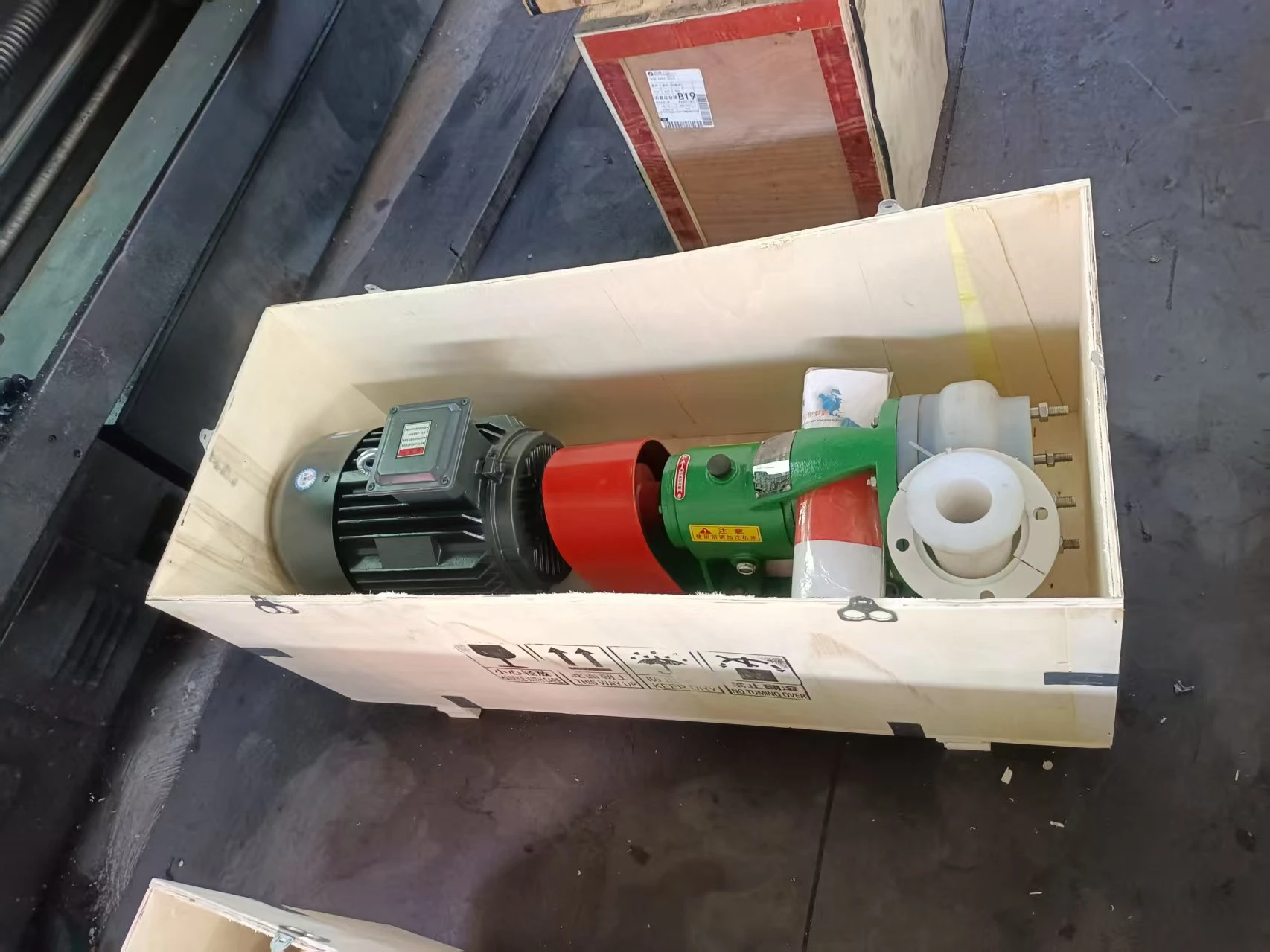
China Buccaneer Slurry Pumps Performance Analysis
China buccaneer slurry pumps represent a specialized class of heavy-duty centrifugal pumping systems engineered specifically for the transport of highly abrasive and corrosive fluids. In the industrial chain, these pumps occupy a critical position between the primary extraction/processing phase and the refining/tailings disposal phase. Unlike standard water pumps, the buccaneer slurry pump is designed to handle non-Newtonian fluids characterized by high solids concentration and significant particle size distribution. The core technical objective of these systems is to maintain a stable flow rate while minimizing the rate of erosive wear on the internal wetted parts, ensuring operational continuity in mining, mineral processing, and chemical dredging applications.
Material Science & Manufacturing
The operational longevity of china buccaneer slurry pumps is fundamentally dependent on the metallurgical properties of their components. To combat the synergistic effects of abrasion and corrosion, these pumps utilize advanced material science strategies. The primary wetted components—the impeller and volute liner—are typically manufactured from high-chrome white cast irons (ASTM A532) containing 25% to 28% chromium. This alloying process creates a dense matrix of primary M7C3 carbides, which provide the requisite hardness (typically 600-650 HB) to resist the scouring action of slurry particles.
In applications involving extreme chemical aggression, duplex stainless steels or specialized rubber liners are employed. The rubber liners utilize high-molecular-weight elastomers that exhibit high resilience, allowing the material to deform elastically under particle impact and then recover, thereby absorbing the energy that would otherwise cause brittle fracture in metallic liners. Manufacturing involves precision investment casting for the impeller to ensure hydraulic efficiency, followed by rigorous CNC machining to achieve tight tolerances in the wear plate clearances. The assembly process incorporates heat-treatment cycles to relieve internal stresses induced during casting, preventing premature fatigue cracking during high-pressure operation.
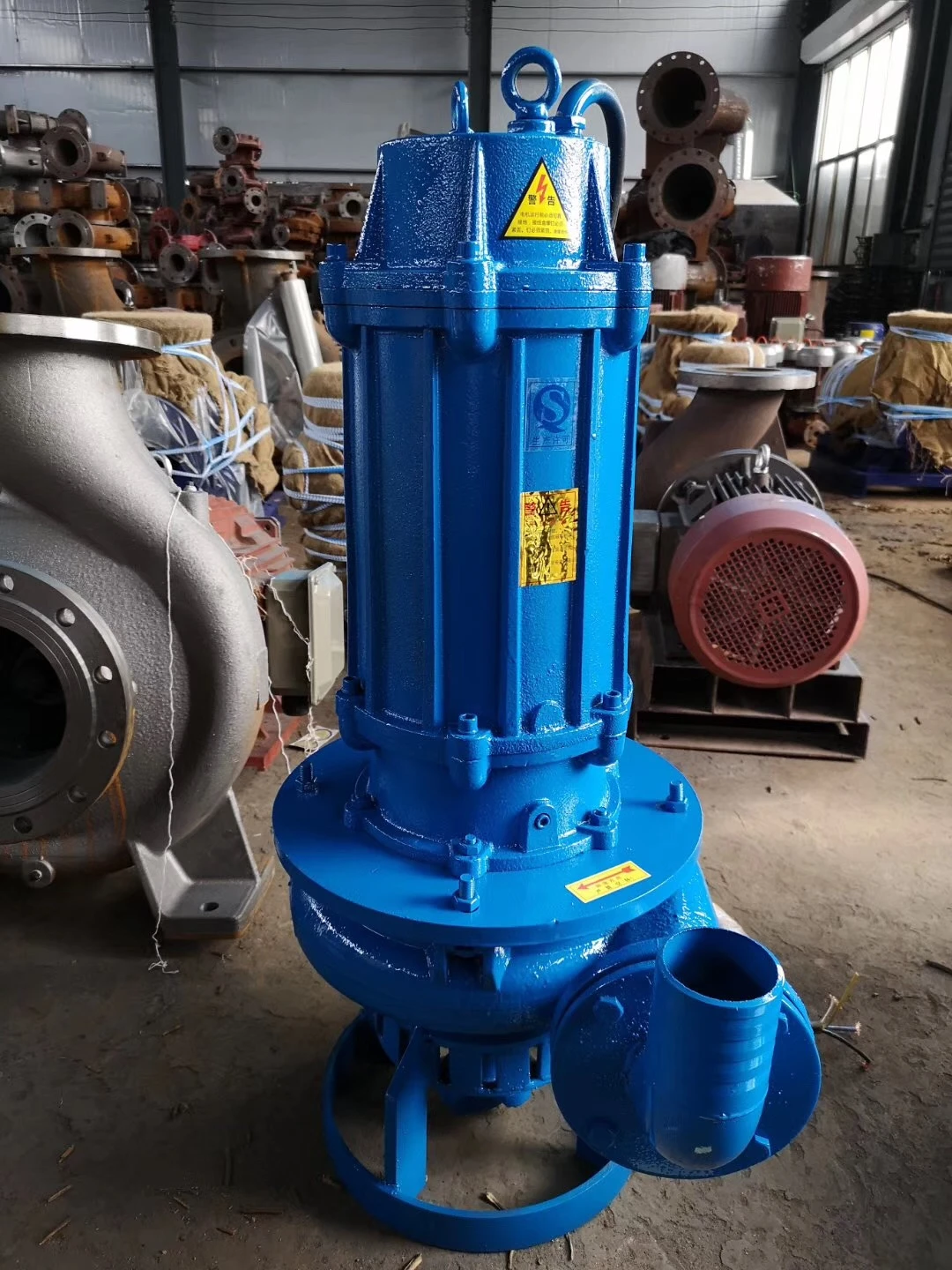
Performance & Engineering
The engineering of china buccaneer slurry pumps centers on the management of fluid dynamics and force analysis. The critical challenge is the prevention of "settling velocity," where solid particles precipitate out of the fluid, leading to pipeline blockage. To counter this, the pumps are engineered to maintain a critical velocity that exceeds the settling rate of the largest particles in the slurry. This requires a precise calculation of the Net Positive Suction Head (NPSH) to avoid cavitation, which is significantly more destructive in slurry service than in clear water service, as cavitation bubbles collapsing near abrasive particles accelerate material loss.
Force analysis is applied to the shaft and bearing assembly to handle the radial loads generated by unbalanced slurry distribution within the volute. The use of heavy-duty spherical roller bearings and robust shaft sealing systems—often employing mechanical seals with flush-water systems or high-grade gland packing—ensures that the abrasive medium does not penetrate the bearing housing. Environmental resistance is further bolstered by epoxy-based anti-corrosive coatings on the pump exterior to withstand the humid and chemically active environments typical of mineral processing plants.
Technical Specifications
| Parameter Dimension | Standard Grade | High-Performance Grade | Extreme Duty Grade |
|---|---|---|---|
| Max Flow Rate (m³/h) | 450 | 1,200 | 3,500 |
| Maximum Head (m) | 40 | 85 | 150 |
| Impeller Material | High Chrome (27% Cr) | Duplex Steel | Ceramic Composite |
| Liner Hardness (HB) | 580 - 620 | 620 - 660 | >700 |
| Max Particle Size (mm) | 15 | 35 | 75 |
| Operating Temp (°C) | -10 to 80 | -20 to 110 | -40 to 180 |
Failure Mode & Maintenance
The failure modes of china buccaneer slurry pumps are primarily categorized into erosive wear, corrosive degradation, and mechanical fatigue. Erosive wear typically manifests as "thinning" of the volute liner and the leading edge of the impeller vanes. This occurs due to high-velocity impingement of solids, leading to a gradual decrease in hydraulic efficiency and an increase in NPSH requirements. Corrosive degradation often appears as pitting or intergranular corrosion, particularly in the presence of chlorides or acidic tailings, which weakens the metallic matrix and allows carbides to be plucked away by the slurry flow.
Mechanical failure often originates from shaft deflection or bearing seizure caused by seal leakage. To mitigate these risks, a professional maintenance protocol must be implemented. This includes the installation of vibration monitoring sensors to detect early signs of imbalance or cavitation. Routine maintenance involves the measurement of liner thickness using ultrasonic testing; once the liner reaches a predefined "wear limit" (typically 20% of original thickness), immediate replacement is required to prevent the slurry from eroding the pump casing. Lubrication systems must be purged regularly to ensure no particulate contamination has entered the oil reservoir.
Industry FAQ
Q: How is the specific speed of the pump adjusted to handle varying slurry densities?
A: The specific speed is managed by optimizing the impeller diameter and the vane angle. For higher densities, we utilize a larger impeller with a modified blade profile to increase the discharge pressure and ensure the flow remains above the critical deposition velocity.
Q: What is the impact of pH levels on the choice between rubber and high-chrome liners?
A: Rubber liners are superior for acidic slurries (pH < 4) and moderately abrasive materials. However, in highly alkaline environments or for extremely sharp-edged particles, high-chrome white iron is required due to its superior hardness and chemical stability in basic conditions.
Q: How do you prevent the pump from "sanding in" during unplanned shutdowns?
A: We implement an automated flush system that injects clear water into the pump volute and suction line immediately upon shutdown. This clears the suspended solids and prevents the slurry from settling and solidifying within the pump casing.
Q: What are the signs that the pump is operating under cavitation conditions?
A: Cavitation is identified by a characteristic "marbles in the pump" sound, accompanied by erratic discharge pressure readings and high-frequency vibration in the suction piping. This indicates the NPSH available is lower than the NPSH required.
Q: Why is the wear plate clearance critical in these pumps?
A: The clearance between the impeller and the wear plate controls the internal recirculation flow. If the gap becomes too wide due to wear, the pump's volumetric efficiency drops significantly, leading to increased energy consumption and accelerated erosion of the casing.
Conclusion
The technical efficacy of china buccaneer slurry pumps is rooted in the synergy between advanced metallurgical selection and rigorous fluid dynamic engineering. By integrating high-chrome alloys and precision-engineered hydraulic paths, these pumps successfully address the industry's core pain points of abrasive wear and systemic inefficiency. The ability to maintain operational stability under high solids loading makes them indispensable for modern industrial mineral processing.
Looking forward, the integration of smart sensing technologies and the development of nano-ceramic coatings are expected to further extend the Mean Time Between Failures (MTBF). For operators, the focus must remain on strict adherence to maintenance schedules and the precise monitoring of fluid velocities to maximize the lifecycle of the equipment and reduce total cost of ownership.
-
sewer pump for basement Material Science Manufacturing
News2026-05-29
-
sewage sump pumps Performance and Engineering
News2026-05-29
-
sewage pumps for septic tanks Material Science and Manufacturing
News2026-05-29
-
Sewage Pumping Companies Performance Analysis
News2026-05-29
-
Sewage Pump Manufacturers Performance Engineering
News2026-05-29
-
sewage pump for basement Performance and Engineering
News2026-05-28
-
Sewage Pump Companies Performance Analysis
News2026-05-28
-
Sewage Pit and Pump Performance Analysis
News2026-05-28
-
Sewage Lift Pumps Material Science
News2026-05-28
-
Sewage Ejector Tank Material Science and Manufacturing
News2026-05-28
-
sewage effluent pumps Material Science Manufacturing
News2026-05-27
-
septic tank effluent pump Performance Analysis
News2026-05-27
-
Septic Sewer Pump Performance Analysis
News2026-05-27
-
septic sewage pumps Performance Analysis
News2026-05-27
-
septic sewage pump Material Science and Manufacturing
News2026-05-27




