English
- Afrikaans
- Albanian
- Amharic
- Arabic
- Armenian
- Azerbaijani
- Basque
- Belarusian
- Bengali
- Bosnian
- Bulgarian
- Catalan
- Cebuano
- Corsican
- Croatian
- Czech
- Danish
- Dutch
- English
- Esperanto
- Estonian
- Finnish
- French
- Frisian
- Galician
- Georgian
- German
- Greek
- Gujarati
- Haitian Creole
- hausa
- hawaiian
- Hebrew
- Hindi
- Miao
- Hungarian
- Icelandic
- igbo
- Indonesian
- irish
- Italian
- Japanese
- Javanese
- Kannada
- kazakh
- Khmer
- Rwandese
- Korean
- Kurdish
- Kyrgyz
- Lao
- Latin
- Latvian
- Lithuanian
- Luxembourgish
- Macedonian
- Malgashi
- Malay
- Malayalam
- Maltese
- Maori
- Marathi
- Mongolian
- Myanmar
- Nepali
- Norwegian
- Norwegian
- Occitan
- Pashto
- Persian
- Polish
- Portuguese
- Punjabi
- Romanian
- Russian
- Samoan
- Scottish Gaelic
- Serbian
- Sesotho
- Shona
- Sindhi
- Sinhala
- Slovak
- Slovenian
- Somali
- Spanish
- Sundanese
- Swahili
- Swedish
- Tagalog
- Tajik
- Tamil
- Tatar
- Telugu
- Thai
- Turkish
- Turkmen
- Ukrainian
- Urdu
- Uighur
- Uzbek
- Vietnamese
- Welsh
- Bantu
- Yiddish
- Yoruba
- Zulu

Telephone: +86 13120555503
Email: frank@cypump.com


Apr . 01, 2024 17:55 Back to list
china auxiliary slurry pump Performance Analysis and Manufacturing Specifications
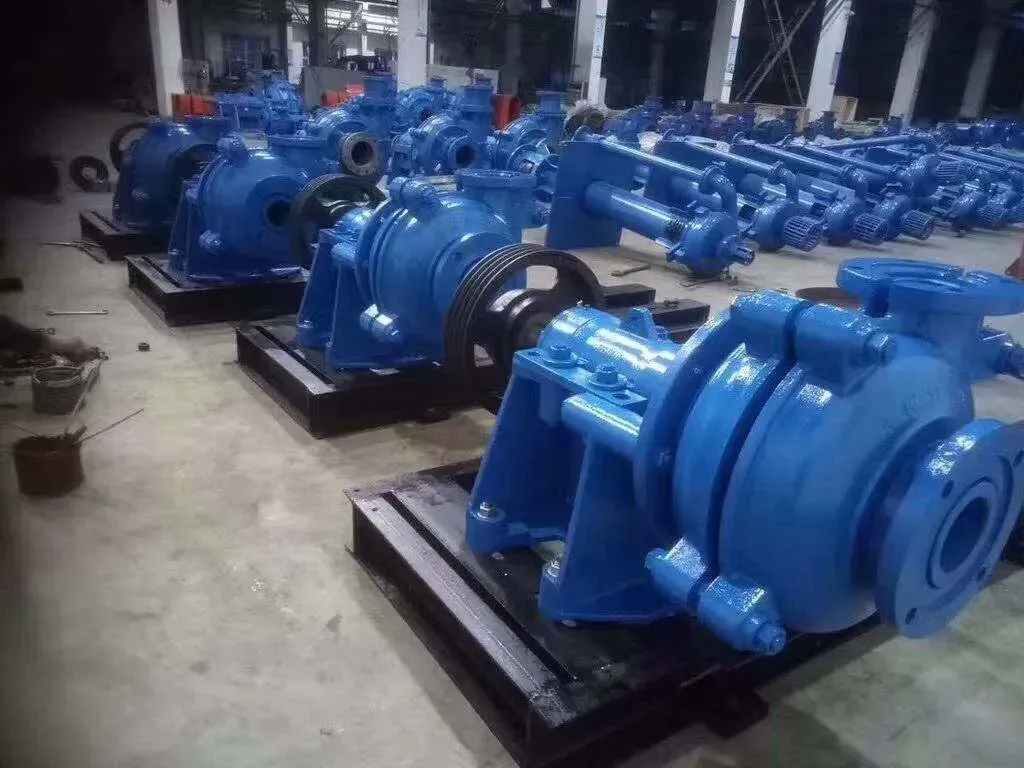
China Auxiliary Slurry Pump Performance Analysis and Manufacturing Specifications
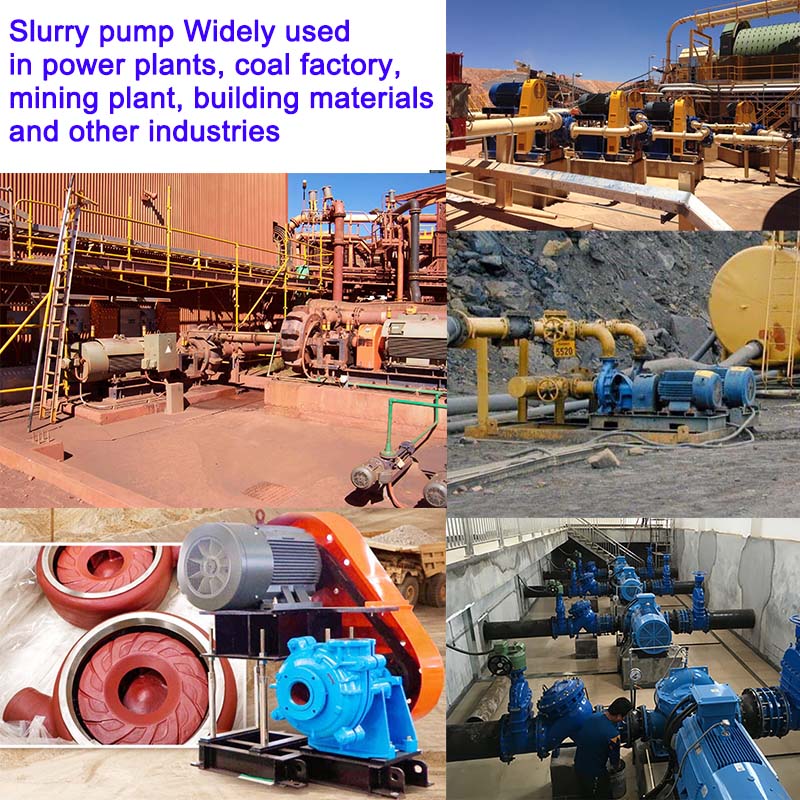
The China auxiliary slurry pump serves as a critical secondary fluid transport mechanism within the broader industrial slurry handling chain, typically utilized in mining, dredging, and chemical processing. Unlike primary pumps that handle bulk transport, the auxiliary slurry pump is engineered for specialized tasks such as sump emptying, tailings recirculation, and precise dosage feeding of abrasive suspensions. Its technical position is defined by the requirement to handle high-viscosity, non-Newtonian fluids containing suspended solids while maintaining operational stability under fluctuating hydraulic heads. The core performance of these units is measured by their ability to balance volumetric efficiency with extreme abrasion resistance, ensuring that the pump does not suffer premature catastrophic failure when exposed to high-concentration particulate loads.
Material Science & Manufacturing
The longevity of an auxiliary slurry pump is fundamentally determined by the metallurgical properties of its wetted parts. Given the high shear stress and impingement of abrasive particles, China's leading manufacturers employ high-chrome white iron (ASTM A532) and natural rubber liners. High-chrome alloys (typically 25% to 28% Cr) are utilized for the impeller and volute casing to create a matrix of hard M7C3 carbides, which provide the necessary hardness (HRC 58-65) to resist micro-cutting and abrasive wear. In contrast, for slurries with smaller, sharper particles, high-resilience polyurethane or natural rubber is applied via centrifugal casting or bonding, leveraging the material's elasticity to absorb particle impact and "bounce back" rather than erode.
Manufacturing processes involve precise investment casting and CNC machining to ensure tight tolerances between the impeller and the wear plate. The assembly process focuses on the "critical clearance" control; excessive gaps lead to recirculation and accelerated erosion of the casing, while overly tight clearances risk seizing during thermal expansion. Furthermore, the shafting is typically forged from 42CrMo alloy steel, subjected to induction hardening and precision grinding to prevent deflection and fatigue under the asymmetric loads characteristic of slurry pumping.
Performance & Engineering
Engineering a slurry pump requires a deep dive into fluid dynamics and force analysis. The primary challenge is the "critical settling velocity"—the minimum velocity required to keep solids in suspension. If the flow rate drops below this threshold, sedimentation occurs within the pump volute, leading to blockages and localized turbulence that accelerates wear. China auxiliary slurry pumps are designed with optimized hydraulic profiles to minimize turbulence and cavitation, specifically focusing on the Net Positive Suction Head required (NPSHr) to prevent the formation of vapor bubbles in the high-density medium.
Environmental resistance is managed through a combination of mechanical seals and expeller seals. In aggressive chemical environments, the pump's metallurgy is shifted toward duplex stainless steels or Hastelloy to prevent pitting and stress corrosion cracking (SCC). Force analysis during the design phase accounts for the radial thrust generated by the asymmetric pressure distribution in the volute, which is countered by reinforced bearing housings and heavy-duty spherical roller bearings to ensure shaft alignment and reduce vibration frequencies that could lead to resonance failure.
Technical Specifications
| Parameter Dimension | Standard Configuration | High-Performance Grade | Extreme Duty Grade | Tolerance/Deviation |
|---|---|---|---|---|
| Max Flow Rate (m³/h) | 150 - 300 | 300 - 600 | 600 - 1200 | ± 5% |
| Max Discharge Head (m) | 20 - 50 | 50 - 110 | 110 - 200 | ± 3% |
| Casing Hardness (HRC) | 55 - 58 | 58 - 62 | 62 - 66 | ± 2 HRC |
| Max Particle Size (mm) | 10 - 20 | 20 - 40 | 40 - 80 | Fixed limit |
| Operating Temp (°C) | -10 to 80 | -20 to 120 | -40 to 180 | ± 2°C |
| Efficiency (η) | 65% - 72% | 72% - 80% | 80% - 88% | ± 1.5% |
Failure Mode & Maintenance
Failure analysis of auxiliary slurry pumps typically reveals three primary modes: abrasive wear, cavitation erosion, and mechanical seal failure. Abrasive wear manifests as the thinning of the impeller vanes and the widening of the volute clearance, resulting in a significant drop in discharge pressure. Cavitation occurs when the suction pressure drops below the vapor pressure of the liquid, creating imploding bubbles that pit the metal surface, often mistaken for corrosion. Mechanical seal failure is usually triggered by the ingress of abrasive particles into the seal faces, causing rapid scoring and subsequent leakage.
Professional maintenance requires a predictive approach. Vibration analysis should be conducted monthly to detect bearing degradation or impeller imbalance. Wear liners must be measured using ultrasonic thickness gauges to determine the remaining life of the casing before the structural integrity is compromised. For maintenance, it is recommended to implement a "modular swap" strategy where pre-assembled wear kits (impeller and liner) are replaced during scheduled shutdowns to minimize Mean Time To Repair (MTTR). Shaft alignment should be verified using laser tools to ensure the coupling is within 0.05mm of center.
Industry FAQ
Q: How do we determine whether to use a high-chrome alloy or a rubber liner for our auxiliary pump?
A: The decision depends on the particle size and hardness. For larger particles (>2mm) or high-hardness materials like quartz or pyrite, high-chrome alloys are required for their superior hardness. For smaller, finer particles with high impact energy, rubber liners are preferred as they dissipate the kinetic energy of the particles through elastic deformation.
Q: What is the primary cause of premature impeller failure in high-density slurry applications?
A: The most common cause is "internal recirculation" caused by excessive clearance between the impeller and the wear plate. This creates high-velocity eddies that concentrate abrasive particles in a small area, leading to localized "washout" or rapid erosive thinning.
Q: How can we mitigate the risk of cavitation when the slurry density increases?
A: To mitigate cavitation, you must ensure the Net Positive Suction Head Available (NPSHa) exceeds the NPSHr by at least 0.5 to 1 meter. This can be achieved by increasing the suction pipe diameter to reduce friction losses or by lowering the pump installation height relative to the slurry source.
Q: Is it possible to run the auxiliary slurry pump dry for short periods?
A: No. Running a slurry pump dry can lead to immediate failure of the mechanical seals and potential overheating of the impeller. If dry running is a risk, an automated dry-run protection system using a pressure switch or flow meter should be integrated into the control logic.
Q: What is the recommended frequency for replacing the wear liners in a high-abrasion environment?
A: While it varies by application, we recommend ultrasonic thickness testing every 500 operating hours. Replacement should occur when the liner thickness reaches 20% of its original dimension to prevent the abrasive slurry from contacting and destroying the outer pressure-retaining casing.
Conclusion
The China auxiliary slurry pump is a sophisticated engineering solution that balances the conflicting requirements of high hydraulic efficiency and extreme material durability. By integrating advanced high-chrome metallurgy and precision fluid dynamics, these pumps ensure the stability of the industrial slurry chain, reducing downtime and optimizing the cost-per-ton of material transported. The technical synergy between material selection and hydraulic design is the cornerstone of operational reliability in the most demanding mining and chemical environments.
Looking forward, the industry is shifting toward "smart pumping" systems, integrating IoT sensors for real-time wear monitoring and automated VFD (Variable Frequency Drive) adjustments to maintain the critical settling velocity. For procurement managers and engineers, the focus must remain on the total cost of ownership (TCO), prioritizing high-grade materials and precise manufacturing tolerances over initial acquisition costs to ensure long-term industrial productivity.
-
sewage pump for basement Performance and Engineering
News2026-05-28
-
Sewage Pump Companies Performance Analysis
News2026-05-28
-
Sewage Pit and Pump Performance Analysis
News2026-05-28
-
Sewage Lift Pumps Material Science
News2026-05-28
-
Sewage Ejector Tank Material Science and Manufacturing
News2026-05-28
-
sewage effluent pumps Material Science Manufacturing
News2026-05-27
-
septic tank effluent pump Performance Analysis
News2026-05-27
-
Septic Sewer Pump Performance Analysis
News2026-05-27
-
septic sewage pumps Performance Analysis
News2026-05-27
-
septic sewage pump Material Science and Manufacturing
News2026-05-27
-
residential sewage pumps Material Science and Manufacturing
News2026-05-26
-
residential sewage lift pump Performance Analysis
News2026-05-26
-
high head sump pump Performance and Engineering
News2026-05-26
-
effluent pump for septic tank Material Science Manufacturing
News2026-05-26
-
effluent and sewage pumps Material Science Manufacturing
News2026-05-26




