English
- Afrikaans
- Albanian
- Amharic
- Arabic
- Armenian
- Azerbaijani
- Basque
- Belarusian
- Bengali
- Bosnian
- Bulgarian
- Catalan
- Cebuano
- Corsican
- Croatian
- Czech
- Danish
- Dutch
- English
- Esperanto
- Estonian
- Finnish
- French
- Frisian
- Galician
- Georgian
- German
- Greek
- Gujarati
- Haitian Creole
- hausa
- hawaiian
- Hebrew
- Hindi
- Miao
- Hungarian
- Icelandic
- igbo
- Indonesian
- irish
- Italian
- Japanese
- Javanese
- Kannada
- kazakh
- Khmer
- Rwandese
- Korean
- Kurdish
- Kyrgyz
- Lao
- Latin
- Latvian
- Lithuanian
- Luxembourgish
- Macedonian
- Malgashi
- Malay
- Malayalam
- Maltese
- Maori
- Marathi
- Mongolian
- Myanmar
- Nepali
- Norwegian
- Norwegian
- Occitan
- Pashto
- Persian
- Polish
- Portuguese
- Punjabi
- Romanian
- Russian
- Samoan
- Scottish Gaelic
- Serbian
- Sesotho
- Shona
- Sindhi
- Sinhala
- Slovak
- Slovenian
- Somali
- Spanish
- Sundanese
- Swahili
- Swedish
- Tagalog
- Tajik
- Tamil
- Tatar
- Telugu
- Thai
- Turkish
- Turkmen
- Ukrainian
- Urdu
- Uighur
- Uzbek
- Vietnamese
- Welsh
- Bantu
- Yiddish
- Yoruba
- Zulu

Telephone: +86 13120555503
Email: frank@cypump.com


Apr . 01, 2024 17:55 Back to list
china abrasive slurry pump Technical Dimension and Performance Analysis
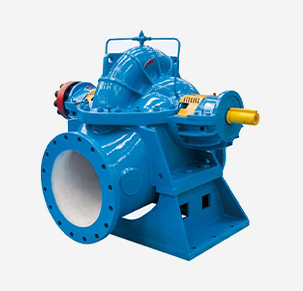
China Abrasive Slurry Pump: Technical Dimension and Performance Analysis
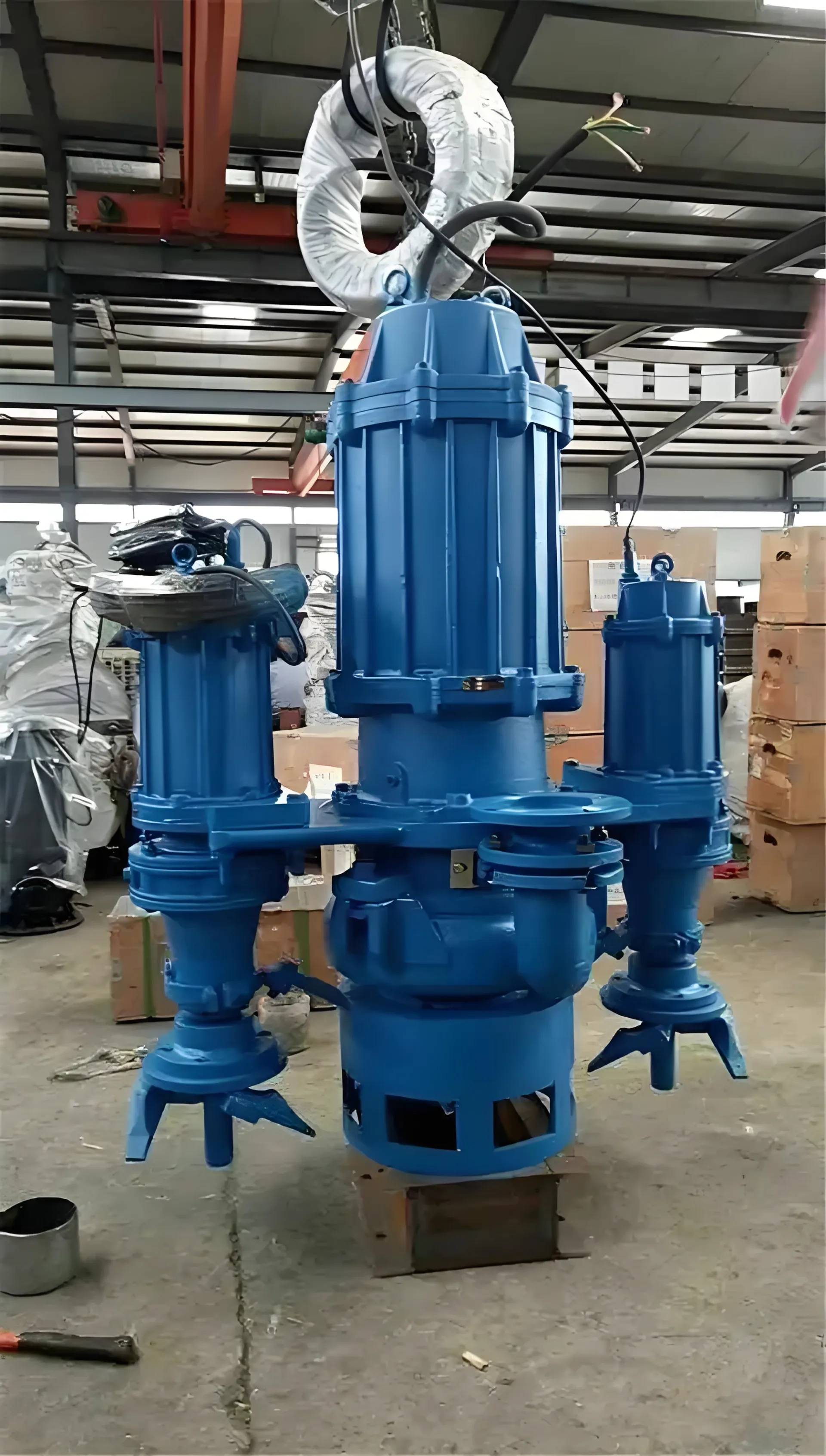
The abrasive slurry pump is a critical piece of heavy-duty industrial machinery engineered specifically for the transport of fluids containing high concentrations of solid particles. Within the global industrial supply chain, these pumps occupy a pivotal position in sectors such as mining, mineral processing, dredging, and chemical production. Unlike standard centrifugal pumps, the china abrasive slurry pump is designed to withstand the synergistic effects of erosive wear and corrosive attack. The primary technical challenge involves managing the high kinetic energy of abrasive particles (such as silica, alumina, or iron ore) as they impact the pump's internal wetted surfaces. High-performance slurry pumps utilize a combination of specialized hydraulic design and advanced metallurgy to minimize the Rate of Material Loss (RML) while maintaining high volumetric efficiency and NPSH (Net Positive Suction Head) requirements.
Material Science & Manufacturing
The longevity of an abrasive slurry pump is directly proportional to the hardness and toughness of its internal components. Material selection focuses on the "hard-face, tough-core" principle to prevent both abrasive scouring and brittle fracture.
1. High-Chrome Alloys (ASTM A532): For extreme abrasion, 27% Cr white iron is the industry standard. The manufacturing process involves the precipitation of primary M7C3 carbides within a martensitic matrix. These carbides provide a hardness typically exceeding 600 HB (Brinell), ensuring that the surface can resist the cutting and plowing actions of sharp mineral particles. The precise heat treatment—including quenching and tempering—is critical to reduce internal stresses and avoid spontaneous cracking during operation.
2. Natural and Synthetic Elastomers: In applications involving finer particles or highly corrosive slurries, polyurethane or natural rubber linings are employed. These materials operate on the principle of "elastic rebound," where the material absorbs the impact of the particle and deflects it, rather than being eroded. Manufacturing involves high-pressure vulcanization and bonding processes to ensure the liner does not delaminate from the cast iron shell under vacuum conditions.
3. Manufacturing Process Control: The production of the pump casing involves precision sand casting followed by CNC machining to ensure tight tolerances between the impeller and the volute. Dynamic balancing of the impeller is performed to G2.5 standards to minimize vibration, which otherwise accelerates mechanical seal failure and bearing degradation.
Performance & Engineering
Engineering a slurry pump requires a deep understanding of fluid dynamics and particle behavior. The core objective is to maintain a stable flow velocity that is higher than the critical settling velocity of the solids to prevent sedimentation and blockage.
Hydraulic Analysis: The impeller geometry is optimized to reduce turbulence. High turbulence leads to localized high-velocity zones where abrasive wear is exponentially increased. By employing CFD (Computational Fluid Dynamics) modeling, engineers optimize the vane angle and the discharge area to ensure a smooth transition of the slurry from the impeller to the volute, thereby reducing the impact angle of particles against the pump walls.
Force Analysis and Structural Integrity: The pump must withstand significant radial and axial thrusts. Heavy-duty bearing housings are engineered with reinforced ribs to prevent deflection. The shaft is typically manufactured from 42CrMo or similar high-strength alloy steels, treated for surface hardness to resist wear at the sleeve interface.
Seal Engineering: To prevent the ingress of abrasive particles into the bearing housing, expeller seals or double mechanical seals with a pressurized flush system (API Plan 53 or 54) are utilized. This creates a hydraulic barrier that keeps the abrasive slurry away from the delicate sealing faces.
Technical Specifications
| Technical Parameter | High-Chrome Alloy Model | Rubber Lined Model | Duplex Stainless Model |
|---|---|---|---|
| Max Discharge Capacity | Up to 12,000 m³/h | Up to 8,000 m³/h | Up to 10,000 m³/h |
| Max Delivery Head | 150 Meters | 80 Meters | 120 Meters |
| Max Particle Size | 100 mm | 60 mm | 80 mm |
| Material Hardness | 60-65 HRC | 70-85 Shore A | 25-35 HRC |
| Corrosion Resistance | Moderate | High (Acidic/Alkaline) | Very High (Chlorides) |
| Recommended Slurry % | Up to 70% by weight | Up to 45% by weight | Up to 60% by weight |
Failure Mode & Maintenance
Failure in abrasive slurry pumps is rarely the result of a single event but rather a cumulative degradation process. Understanding the failure mode is essential for predictive maintenance.
1. Erosive Wear (Wall Thinning): The most common failure mode. It occurs when high-velocity particles strike the casing, removing material via micro-cutting. This is identified by a gradual drop in discharge pressure and flow rate. Maintenance requires the installation of wear plates or the replacement of the liner.
2. Cavitation Erosion: Occurs when the NPSH available is lower than the NPSH required, leading to the formation and collapse of vapor bubbles. This creates pitting on the impeller eye. Solution: Increase suction head or reduce fluid temperature.
3. Mechanical Seal Leakage: Caused by the penetration of abrasive fines into the seal faces, leading to scoring and loss of vacuum. Maintenance involves flushing the seal system more frequently and inspecting the seal flush piping for blockages.
4. Shaft Fatigue: Heavy solids can cause unbalanced loads on the impeller, leading to cyclic bending stresses and fatigue cracking of the shaft. Regular vibration analysis (FFT) is recommended to detect early signs of imbalance.
Industry FAQ
Q: How do I choose between a high-chrome alloy liner and a rubber liner?
A: The choice depends on particle size and chemistry. High-chrome alloys are superior for large, sharp, and hard particles (e.g., quartz, granite) that would cut through rubber. Rubber liners are preferable for smaller, rounded particles and environments with high chemical corrosivity where the rubber's elasticity prevents wear.
Q: What is the primary cause of premature impeller failure in these pumps?
A: The primary cause is typically "operating far from the Best Efficiency Point (BEP)." When a pump operates at low flow, recirculation occurs at the impeller eye, causing localized high-velocity erosion and cavitation, which rapidly degrades the material.
Q: How does slurry density affect the pump's power consumption?
A: Increased slurry density increases the fluid viscosity and overall mass. This significantly raises the BHP (Brake Horsepower) requirement. Failure to adjust the motor capacity for high-density slurries can lead to motor overload and burnout.
Q: Can these pumps handle air entrainment in the slurry?
A: Heavy air entrainment can lead to "air binding" or erratic flow. To mitigate this, we recommend installing an air release valve at the highest point of the suction line or using a specialized air-handling impeller design.
Q: What is the recommended maintenance interval for the wear parts?
A: There is no universal interval, but we recommend a monthly ultrasonic thickness measurement of the casing and a quarterly inspection of the impeller clearance. Replacement should occur when the thickness reaches 30% of the original wall thickness.
Conclusion
The selection and operation of a china abrasive slurry pump demand a rigorous integration of metallurgical science and hydraulic engineering. By optimizing the balance between hardness and toughness in material selection and ensuring the pump operates near its Best Efficiency Point, industrial operators can significantly extend the mean time between failures (MTBF) and reduce the total cost of ownership.
Looking forward, the industry is moving toward "intelligent pumping," integrating real-time wear sensors and IoT-based vibration monitoring. This shift from reactive to predictive maintenance will allow for the optimization of energy consumption and the elimination of unplanned downtime in critical mining and processing circuits.
-
sewage pump for basement Performance and Engineering
News2026-05-28
-
Sewage Pump Companies Performance Analysis
News2026-05-28
-
Sewage Pit and Pump Performance Analysis
News2026-05-28
-
Sewage Lift Pumps Material Science
News2026-05-28
-
Sewage Ejector Tank Material Science and Manufacturing
News2026-05-28
-
sewage effluent pumps Material Science Manufacturing
News2026-05-27
-
septic tank effluent pump Performance Analysis
News2026-05-27
-
Septic Sewer Pump Performance Analysis
News2026-05-27
-
septic sewage pumps Performance Analysis
News2026-05-27
-
septic sewage pump Material Science and Manufacturing
News2026-05-27
-
residential sewage pumps Material Science and Manufacturing
News2026-05-26
-
residential sewage lift pump Performance Analysis
News2026-05-26
-
high head sump pump Performance and Engineering
News2026-05-26
-
effluent pump for septic tank Material Science Manufacturing
News2026-05-26
-
effluent and sewage pumps Material Science Manufacturing
News2026-05-26




