English
- Afrikaans
- Albanian
- Amharic
- Arabic
- Armenian
- Azerbaijani
- Basque
- Belarusian
- Bengali
- Bosnian
- Bulgarian
- Catalan
- Cebuano
- Corsican
- Croatian
- Czech
- Danish
- Dutch
- English
- Esperanto
- Estonian
- Finnish
- French
- Frisian
- Galician
- Georgian
- German
- Greek
- Gujarati
- Haitian Creole
- hausa
- hawaiian
- Hebrew
- Hindi
- Miao
- Hungarian
- Icelandic
- igbo
- Indonesian
- irish
- Italian
- Japanese
- Javanese
- Kannada
- kazakh
- Khmer
- Rwandese
- Korean
- Kurdish
- Kyrgyz
- Lao
- Latin
- Latvian
- Lithuanian
- Luxembourgish
- Macedonian
- Malgashi
- Malay
- Malayalam
- Maltese
- Maori
- Marathi
- Mongolian
- Myanmar
- Nepali
- Norwegian
- Norwegian
- Occitan
- Pashto
- Persian
- Polish
- Portuguese
- Punjabi
- Romanian
- Russian
- Samoan
- Scottish Gaelic
- Serbian
- Sesotho
- Shona
- Sindhi
- Sinhala
- Slovak
- Slovenian
- Somali
- Spanish
- Sundanese
- Swahili
- Swedish
- Tagalog
- Tajik
- Tamil
- Tatar
- Telugu
- Thai
- Turkish
- Turkmen
- Ukrainian
- Urdu
- Uighur
- Uzbek
- Vietnamese
- Welsh
- Bantu
- Yiddish
- Yoruba
- Zulu

Telephone: +86 13120555503
Email: frank@cypump.com


Apr . 01, 2024 17:55 Back to list
china 4 inch slurry pump Technical Dimension and Performance Analysis
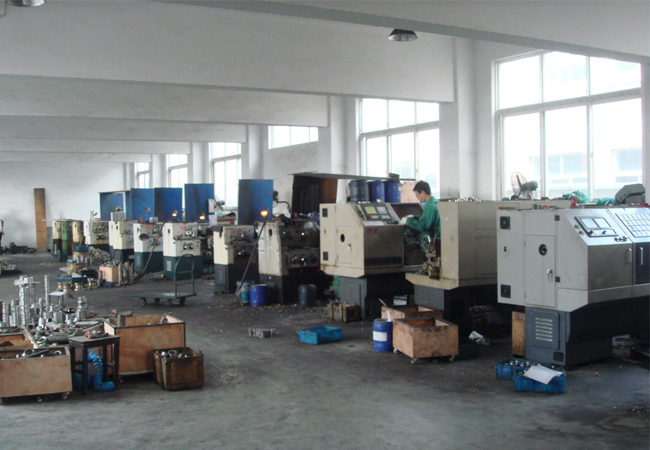
China 4 Inch Slurry Pump: Technical Dimension and Performance Analysis
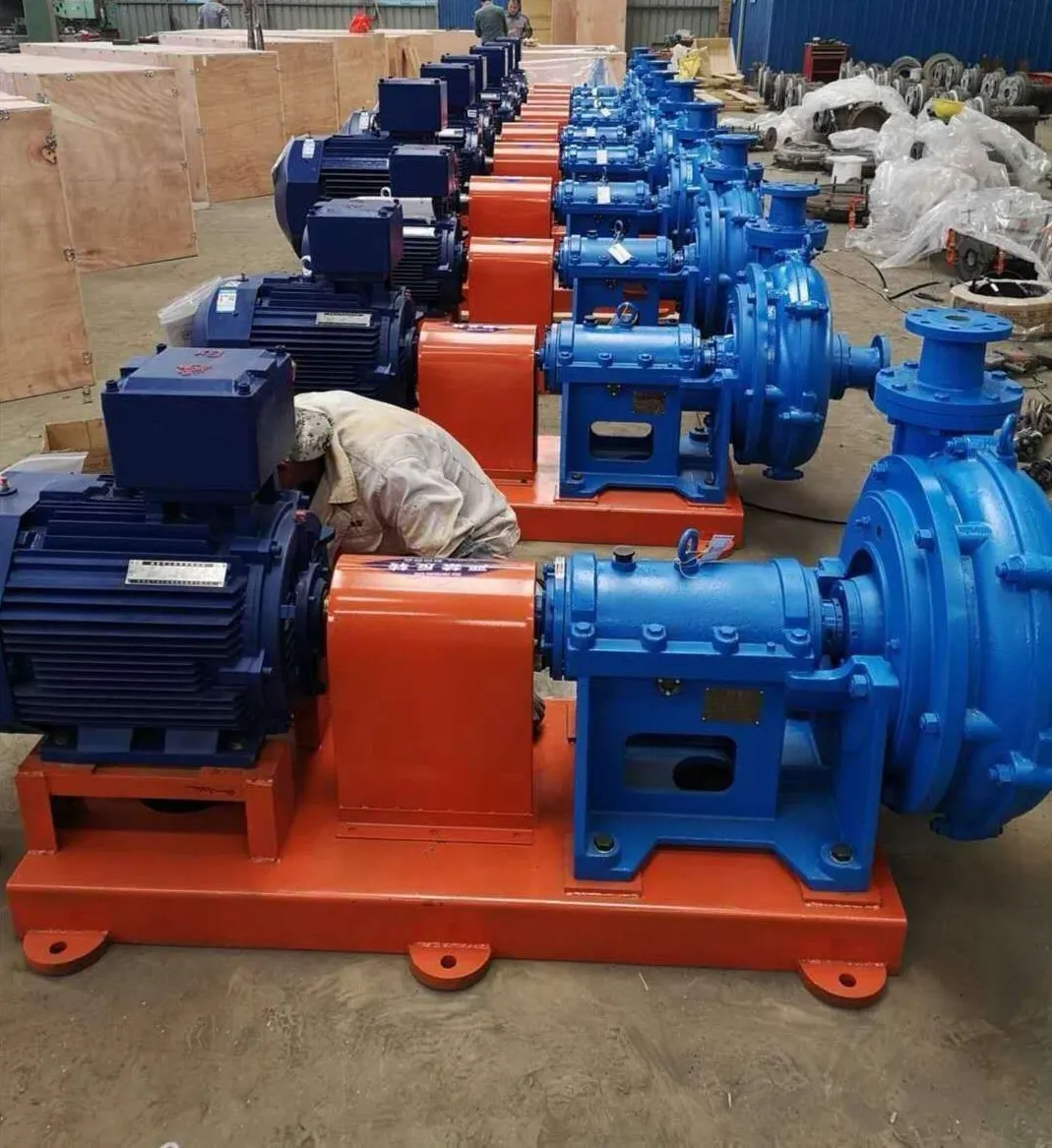
The china 4 inch slurry pump is a heavy-duty centrifugal machine engineered specifically for the transport of abrasive fluids, tailings, and high-density mineral slurries. Positioned as a critical component in the mid-stream of mining and industrial processing chains, this equipment is designed to handle the complex rheological properties of non-Newtonian fluids. Unlike standard water pumps, the 4-inch slurry pump must maintain volumetric efficiency while resisting the extreme erosive forces of suspended solids. Its technical architecture focuses on the optimization of the impeller geometry and the utilization of high-chromium alloys to mitigate the impact of particulate impingement, ensuring operational stability in environments such as gold mining, dredging, and chemical waste management.
Material Science & Manufacturing
The structural integrity of a china 4 inch slurry pump is predicated on advanced material science, specifically the management of hardness and toughness to counter abrasive wear. The primary wetted parts—the impeller and liner—are typically manufactured from High-Chromium White Cast Iron (ASTM A532), often containing 25% to 28% Chromium. This metallurgy creates a matrix of hard M7C3 carbides embedded in a martensitic steel matrix, providing a Brinell hardness (HB) often exceeding 600. This is essential because slurry wear is a function of the relative hardness between the pump material and the transported particles.
Manufacturing employs precision investment casting to ensure the hydraulic profiles of the impeller are maintained within strict tolerances, reducing turbulence and localized high-velocity zones that accelerate erosion. The pump casing is often designed as a dual-shell structure: an outer structural shell made of ductile iron or carbon steel to provide mechanical rigidity, and an inner replaceable liner made of high-chrome alloy or natural rubber. The lining process involves precise interference fitting or bolting systems to prevent "bridging" or gaps where slurry could leak and erode the outer shell. Key parameter control during manufacturing focuses on the heat treatment cycle—quenching and tempering—to eliminate internal stresses and prevent brittle fractures under hydraulic shock loads.
Performance & Engineering
Engineering a 4-inch slurry pump requires a deep analysis of fluid dynamics and force distribution. The primary engineering challenge is the "Critical Velocity" (Cv)—the minimum velocity required to keep solids in suspension and prevent sedimentation within the pump casing. If the flow rate drops below the critical threshold, particles settle, leading to clogging and rapid abrasive wear at the bottom of the volute. The 4-inch discharge diameter is calibrated to balance flow capacity with the necessary kinetic energy to maintain this suspension.
From a force analysis perspective, the impeller is subject to immense radial and axial thrust, exacerbated by the high density of the slurry (often exceeding 1.3 g/cm³). To manage this, the pump utilizes heavy-duty bearings and a reinforced shaft assembly. Sealing is another critical engineering focal point; most high-performance slurry pumps employ an expeller seal (mechanical seal) or a gland packing system with a dedicated flushing water jacket. This prevents abrasive particles from entering the bearing housing, which would otherwise lead to catastrophic failure within hours of operation. Environmental resistance is ensured through epoxy-based anti-corrosion coatings on non-wetted surfaces to withstand the acidic or alkaline environments common in mining sites.
Technical Specifications
| Parameter Specification | Standard Configuration | High-Chrome Option | Rubber Lined Option | Tolerance/Range |
|---|---|---|---|---|
| Discharge Diameter | 100mm (4 inch) | 100mm (4 inch) | 100mm (4 inch) | ± 0.5mm |
| Max Flow Rate (m³/h) | 250 - 450 | 200 - 400 | 250 - 420 | ± 5% |
| Max Head (m) | 30 - 60 | 35 - 65 | 25 - 50 | ± 2m |
| Impeller Hardness (HB) | 500 - 550 | 620 - 680 | N/A (Polymer) | ± 20 HB |
| Maximum Slurry Density | 1.3 t/m³ | 1.5 t/m³ | 1.2 t/m³ | ± 0.1 t/m³ |
| Operating Temperature | -10°C to 80°C | -10°C to 120°C | -10°C to 60°C | ± 5°C |
Failure Mode & Maintenance
The primary failure modes of the china 4 inch slurry pump are centered around abrasive wear and mechanical fatigue. Cavitation is a frequent failure mode, occurring when the Net Positive Suction Head Available (NPSHa) falls below the Net Positive Suction Head Required (NPSHr). This leads to the formation and collapse of vapor bubbles, which create micro-jets that pit the impeller surface, leading to a loss of hydraulic efficiency and increased vibration.
Another critical failure mode is "Edge Wear" or "Washout," where the slurry bypasses the impeller seals or wears through the volute liner, attacking the structural casing. This is often caused by operating the pump too far from its Best Efficiency Point (BEP). To mitigate these risks, a rigorous maintenance protocol is mandatory. This includes: 1) Regular measurement of liner thickness using ultrasonic testing to predict the remaining service life. 2) Vibration analysis of the bearing housing to detect misalignment or impeller imbalance. 3) Monitoring the seal flush water pressure to ensure no slurry ingress. When replacing liners, it is critical to ensure that all mounting bolts are torqued to specification to avoid gaps that cause "channeling" erosion.
Industry FAQ
Q: How do I determine whether to use high-chrome alloys or rubber liners for my 4-inch pump?
A: The choice depends on the particle size and chemistry of the slurry. High-chrome alloys are superior for large, sharp, and highly abrasive particles (e.g., crushed rock) because they provide high surface hardness. Rubber liners are preferred for fine, sandy particles and corrosive slurries, as the elastomer absorbs the impact energy of the particles, effectively "bouncing" them off the surface.
Q: What is the impact of slurry viscosity on the pump's total dynamic head (TDH)?
A: Increased viscosity increases the friction losses within the pump and the piping system. This results in a reduction of the total dynamic head and a decrease in the flow rate. In engineering terms, we apply a correction factor to the water performance curve to account for the increased shear stress of the slurry.
Q: Why is the pump experiencing excessive vibration during the transport of high-density tailings?
A: Excessive vibration is typically caused by either an unbalanced impeller—often due to uneven abrasive wear—or cavitation. If the slurry density is too high, it can lead to unstable flow patterns within the volute, creating hydraulic imbalances. We recommend checking the suction head and verifying the slurry concentration against the pump's design limit.
Q: How often should the impeller clearance be adjusted?
A: Impeller clearance should be monitored every 500 to 1,000 operating hours, depending on the abrasiveness of the material. As the impeller wears, the gap between the impeller and the suction liner increases, leading to internal recirculation and a significant drop in pump efficiency. Adjusting the impeller position restores the hydraulic seal and maintains volumetric efficiency.
Q: Can this 4-inch slurry pump handle chemicals in addition to solids?
A: Yes, provided the materials of construction are compatible. For acidic slurries, we recommend using duplex stainless steel or specialized polymer coatings. High-chrome iron is resistant to many industrial environments but can be susceptible to specific types of chemical corrosion (such as chloride-induced pitting) if not properly specified.
Conclusion
The china 4 inch slurry pump represents a sophisticated balance of metallurgical resilience and hydraulic engineering. By integrating high-chromium alloys with precision-cast geometries, these pumps effectively address the industry's core pain points: abrasive wear and energy inefficiency. The technical success of the equipment depends not only on the initial material selection but also on the rigorous adherence to the critical velocity and NPSH requirements during operation.
Looking forward, the integration of smart monitoring systems—such as real-time wear sensors and vibration diagnostics—will likely redefine the maintenance lifecycle of slurry pumps. For operators, the priority must remain on the synchronization of pump specifications with the specific rheology of the slurry to maximize the mean time between failures (MTBF) and reduce the total cost of ownership in demanding industrial applications.
-
sewage effluent pumps Material Science Manufacturing
News2026-05-27
-
septic tank effluent pump Performance Analysis
News2026-05-27
-
Septic Sewer Pump Performance Analysis
News2026-05-27
-
septic sewage pumps Performance Analysis
News2026-05-27
-
septic sewage pump Material Science and Manufacturing
News2026-05-27
-
residential sewage pumps Material Science and Manufacturing
News2026-05-26
-
residential sewage lift pump Performance Analysis
News2026-05-26
-
high head sump pump Performance and Engineering
News2026-05-26
-
effluent pump for septic tank Material Science Manufacturing
News2026-05-26
-
effluent and sewage pumps Material Science Manufacturing
News2026-05-26
-
1 2 hp sewage ejector pump Performance Engineering
News2026-05-25
-
Zoeller 1/2 hp sewage pump Performance Analysis
News2026-05-25
-
Effluent Pump Performance Analysis
News2026-05-25
-
sump pump vs effluent pump Performance Analysis
News2026-05-25
-
sewer pumps residential Performance Analysis
News2026-05-25




