English
- Afrikaans
- Albanian
- Amharic
- Arabic
- Armenian
- Azerbaijani
- Basque
- Belarusian
- Bengali
- Bosnian
- Bulgarian
- Catalan
- Cebuano
- Corsican
- Croatian
- Czech
- Danish
- Dutch
- English
- Esperanto
- Estonian
- Finnish
- French
- Frisian
- Galician
- Georgian
- German
- Greek
- Gujarati
- Haitian Creole
- hausa
- hawaiian
- Hebrew
- Hindi
- Miao
- Hungarian
- Icelandic
- igbo
- Indonesian
- irish
- Italian
- Japanese
- Javanese
- Kannada
- kazakh
- Khmer
- Rwandese
- Korean
- Kurdish
- Kyrgyz
- Lao
- Latin
- Latvian
- Lithuanian
- Luxembourgish
- Macedonian
- Malgashi
- Malay
- Malayalam
- Maltese
- Maori
- Marathi
- Mongolian
- Myanmar
- Nepali
- Norwegian
- Norwegian
- Occitan
- Pashto
- Persian
- Polish
- Portuguese
- Punjabi
- Romanian
- Russian
- Samoan
- Scottish Gaelic
- Serbian
- Sesotho
- Shona
- Sindhi
- Sinhala
- Slovak
- Slovenian
- Somali
- Spanish
- Sundanese
- Swahili
- Swedish
- Tagalog
- Tajik
- Tamil
- Tatar
- Telugu
- Thai
- Turkish
- Turkmen
- Ukrainian
- Urdu
- Uighur
- Uzbek
- Vietnamese
- Welsh
- Bantu
- Yiddish
- Yoruba
- Zulu

Telephone: +86 13120555503
Email: frank@cypump.com


Apr . 01, 2024 17:55 Back to list
chemical water pump Material Science
Introduction
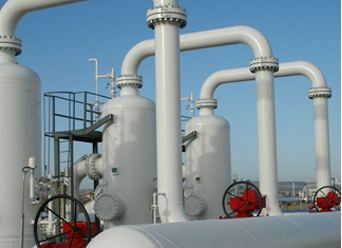
Chemical water pumps are engineered devices designed for the transfer of corrosive and chemically aggressive fluids. Distinct from standard centrifugal pumps, these units are constructed from materials exhibiting high chemical resistance and incorporate specialized sealing mechanisms to prevent leakage and contamination. They are integral to a wide range of industrial processes including chemical processing, wastewater treatment, pharmaceutical manufacturing, and semiconductor fabrication. Their technical position within the industrial chain is critical, often acting as a core component in fluid handling systems responsible for maintaining process integrity and safety. Core performance characteristics center around flow rate, head pressure, material compatibility, and sealing effectiveness, differentiating them based on application-specific needs. Addressing the industry’s core pain points – namely, preventing catastrophic failures due to corrosion and ensuring long-term operational reliability – is paramount in the design and selection of these pumps.
Material Science & Manufacturing
The performance and longevity of chemical water pumps are fundamentally dictated by the material selection and manufacturing processes employed. Pump housings are commonly fabricated from materials like Polypropylene (PP), Polyvinylidene Fluoride (PVDF), Chlorinated Polyvinyl Chloride (CPVC), stainless steel alloys (316, 316L), and fluoropolymers (PTFE, PFA). PP and CPVC offer cost-effective solutions for less aggressive chemicals, exhibiting good resistance to acids and bases but limited temperature tolerance. PVDF provides improved temperature and chemical resistance, while stainless steel alloys excel in handling a broader range of chemicals, particularly oxidizing agents, and can withstand higher temperatures and pressures. Fluoropolymers represent the pinnacle of chemical resistance but are considerably more expensive. Impeller materials typically mirror housing material selection. Manufacturing processes include injection molding for plastic components, investment casting and machining for metal components, and welding for joining dissimilar metals. Critical parameters during manufacturing include maintaining tight tolerances on impeller balance to minimize vibration, ensuring complete penetration of welds to prevent corrosion initiation, and performing rigorous non-destructive testing (NDT) like radiographic inspection to identify internal flaws. Surface finishing, such as electropolishing stainless steel, is essential to enhance corrosion resistance by removing surface imperfections that act as initiation sites for pitting corrosion. Seal materials, often PTFE, Viton, or EPDM, require careful selection based on chemical compatibility and temperature limitations.
Performance & Engineering
The engineering of chemical water pumps necessitates a comprehensive understanding of fluid dynamics, mechanical stress analysis, and materials science. Performance is assessed by parameters such as flow rate (typically measured in gallons per minute or liters per second), head pressure (measured in feet or meters), and pump efficiency. Force analysis is crucial to determine the stresses on pump components during operation, especially considering the dynamic loads imposed by fluid flow and impeller rotation. Finite element analysis (FEA) is frequently employed to optimize pump housing and impeller designs for minimizing stress concentrations and preventing fatigue failure. Environmental resistance is a critical concern. Pumps must withstand not only the chemical attack of the pumped fluid but also external factors like temperature fluctuations, humidity, and UV exposure. Compliance requirements vary depending on the application. For example, pumps used in food and beverage processing must meet 3-A Sanitary Standards, while those handling hazardous chemicals are subject to ATEX directives for explosion protection. The selection of appropriate sealing systems – including mechanical seals, magnetic drive pumps, and sealless designs – is vital. Mechanical seals utilize a rotating face against a stationary face to create a leak-proof barrier. Magnetic drive pumps eliminate the need for a mechanical seal entirely, relying on magnetic coupling to transfer torque, thereby eliminating the risk of leakage. Cavitation, a phenomenon caused by vapor bubble formation due to low pressure, is a common performance issue. Pump design must incorporate features to mitigate cavitation, such as optimized impeller geometry and sufficient net positive suction head (NPSH).
Technical Specifications
| Parameter | Unit | Typical Range | Material Options |
|---|---|---|---|
| Flow Rate | GPM (Gallons Per Minute) | 10 - 500 | PP, PVDF, SS316, PTFE |
| Head Pressure | ft (Feet) | 20 - 200 | PP, PVDF, SS316, PTFE |
| Temperature Range | °F (Fahrenheit) | -40 to 350 | PP, PVDF, SS316, PTFE |
| Maximum Solids Handling | inches | 0 - 0.5 | PP, PVDF, SS316 |
| Seal Type | - | Mechanical Seal, Magnetic Drive | PTFE, Viton, EPDM |
| Power Supply | Volts | 115/230 VAC, 460 VAC | Various |
Failure Mode & Maintenance
Chemical water pumps are susceptible to various failure modes, stemming from both mechanical and chemical degradation. Common failure modes include corrosion-induced component failure (housing, impeller, shaft), seal failure leading to leakage, bearing failure due to insufficient lubrication or contamination, and cavitation damage. Corrosion manifests as pitting, crevice corrosion, and stress corrosion cracking, dependent on the chemical environment and material properties. Fatigue cracking can occur in pump housings and impellers due to cyclical loading. Seal failure often results from abrasive particles, chemical attack on seal materials, or improper installation. Bearing failure is frequently linked to inadequate lubrication, contamination, or overloading. Preventive maintenance is crucial. Regular inspection of pump components for signs of corrosion, erosion, or wear is essential. Lubrication schedules should be strictly adhered to, utilizing chemically compatible lubricants. Seal replacement should be performed proactively based on manufacturer recommendations or observed leakage. Proper pump alignment is vital to minimize bearing stress. Flush the pump regularly to remove accumulated solids. For pumps handling slurries, incorporate strainers or filters upstream to prevent abrasive wear. When failures occur, root cause analysis should be performed to identify the underlying issue and prevent recurrence. Employing non-destructive testing (NDT) techniques like ultrasonic testing and visual inspection can aid in early detection of flaws.
Industry FAQ
Q: What material is best for a pump handling concentrated sulfuric acid?
A: For concentrated sulfuric acid, PTFE (Polytetrafluoroethylene) is generally the most suitable material due to its exceptional chemical resistance. However, PVDF (Polyvinylidene Fluoride) can be considered for less aggressive concentrations or lower temperatures. Stainless steel alloys like 316 are not recommended for prolonged exposure to high concentrations due to corrosion concerns.
Q: How do I prevent cavitation in my chemical pump?
A: Preventing cavitation requires ensuring adequate Net Positive Suction Head Available (NPSHa) exceeds the Net Positive Suction Head Required (NPSHr) by a sufficient margin. This involves minimizing suction line losses, lowering fluid temperature, and increasing the suction pressure. Proper pump sizing and impeller design also contribute to cavitation prevention.
Q: What are the advantages of a magnetic drive chemical pump?
A: Magnetic drive pumps eliminate the need for a mechanical seal, thereby eliminating the risk of leakage and reducing maintenance requirements. They are ideal for handling highly toxic, flammable, or corrosive fluids where even minimal leakage is unacceptable.
Q: What is the best way to inspect a pump for corrosion?
A: Visual inspection is the first step, looking for signs of pitting, scaling, or discoloration. Ultrasonic testing can detect internal corrosion that is not visible externally. Liquid penetrant testing can reveal surface cracks. Regular monitoring of pump performance metrics like flow rate and pressure can also indicate corrosion-related degradation.
Q: What should I consider when selecting a seal material?
A: Seal material selection should prioritize chemical compatibility with the fluid being pumped, temperature range, pressure, and the presence of any abrasive particles. PTFE, Viton, and EPDM are common choices, each with its own strengths and limitations. Consult chemical compatibility charts and manufacturer recommendations.
Conclusion
Chemical water pumps represent a critical enabling technology for a broad spectrum of industries handling aggressive fluids. The selection, implementation, and maintenance of these pumps demand a thorough understanding of materials science, fluid dynamics, and potential failure modes. Prioritizing material compatibility, robust engineering design, and a proactive maintenance strategy are essential for maximizing pump lifespan and ensuring safe, reliable operation.
Ultimately, minimizing downtime and preventing costly failures hinges on a holistic approach that encompasses appropriate pump selection, meticulous installation, regular inspection, and timely repairs. Investing in high-quality pumps from reputable manufacturers and partnering with experienced service providers will contribute significantly to long-term operational efficiency and reduced total cost of ownership.
-
Precision at the Pump: How Better Machining Protects Flow and Uptime
News2026-11-20
-
Why Pump Reliability Begins Before the First Drop of Fluid
News2026-11-20
-
Beyond the Pump: Designing Safer Access Around Critical Water Infrastructure
News2026-11-20
-
Why Pumping Stations Depend on the Infrastructure Beneath the Pumps
News2026-11-20
-
Beyond the Pump Room: How Smarter Loading Protects Industrial Equipment
News2026-11-19
-
When Pumps Stop: Designing More Resilient Power for Critical Pumping Systems
News2026-11-19
-
The Hidden Role of Dust and Gas Monitoring in Reliable Pump Operations
News2026-11-19
-
The Hidden Role of Mineral Compounds in Extending Industrial Pump Lifespan
News2026-10-12
-
Why Pump System Reliability Depends on Precision Hose Assembly Methods
News2026-09-15
-
How Advanced Imaging Films Are Transforming Pump Component Quality Control
News2026-08-25
-
How Advanced Filtration Protects Pump Systems from Premature Wear and Costly Downtime
News2026-08-25
-
How Steel Material Selection Drives Pump Reliability in Heavy-Duty Systems
News2026-08-25
-
Ensuring Pump System Efficiency: The Role of High-Quality Pipe Fittings and Tubing
News2026-08-24
-
Optimizing Fluid Dynamics and Material Consistency in Industrial Processing
News2026-08-18
-
Innovations and Challenges in Hydraulic Systems for Heavy Machinery
News2026-08-13




