English
- Afrikaans
- Albanian
- Amharic
- Arabic
- Armenian
- Azerbaijani
- Basque
- Belarusian
- Bengali
- Bosnian
- Bulgarian
- Catalan
- Cebuano
- Corsican
- Croatian
- Czech
- Danish
- Dutch
- English
- Esperanto
- Estonian
- Finnish
- French
- Frisian
- Galician
- Georgian
- German
- Greek
- Gujarati
- Haitian Creole
- hausa
- hawaiian
- Hebrew
- Hindi
- Miao
- Hungarian
- Icelandic
- igbo
- Indonesian
- irish
- Italian
- Japanese
- Javanese
- Kannada
- kazakh
- Khmer
- Rwandese
- Korean
- Kurdish
- Kyrgyz
- Lao
- Latin
- Latvian
- Lithuanian
- Luxembourgish
- Macedonian
- Malgashi
- Malay
- Malayalam
- Maltese
- Maori
- Marathi
- Mongolian
- Myanmar
- Nepali
- Norwegian
- Norwegian
- Occitan
- Pashto
- Persian
- Polish
- Portuguese
- Punjabi
- Romanian
- Russian
- Samoan
- Scottish Gaelic
- Serbian
- Sesotho
- Shona
- Sindhi
- Sinhala
- Slovak
- Slovenian
- Somali
- Spanish
- Sundanese
- Swahili
- Swedish
- Tagalog
- Tajik
- Tamil
- Tatar
- Telugu
- Thai
- Turkish
- Turkmen
- Ukrainian
- Urdu
- Uighur
- Uzbek
- Vietnamese
- Welsh
- Bantu
- Yiddish
- Yoruba
- Zulu

Telephone: +86 13120555503
Email: frank@cypump.com


Apr . 01, 2024 17:55 Back to list
chemical slurry pump Material Science Manufacturing
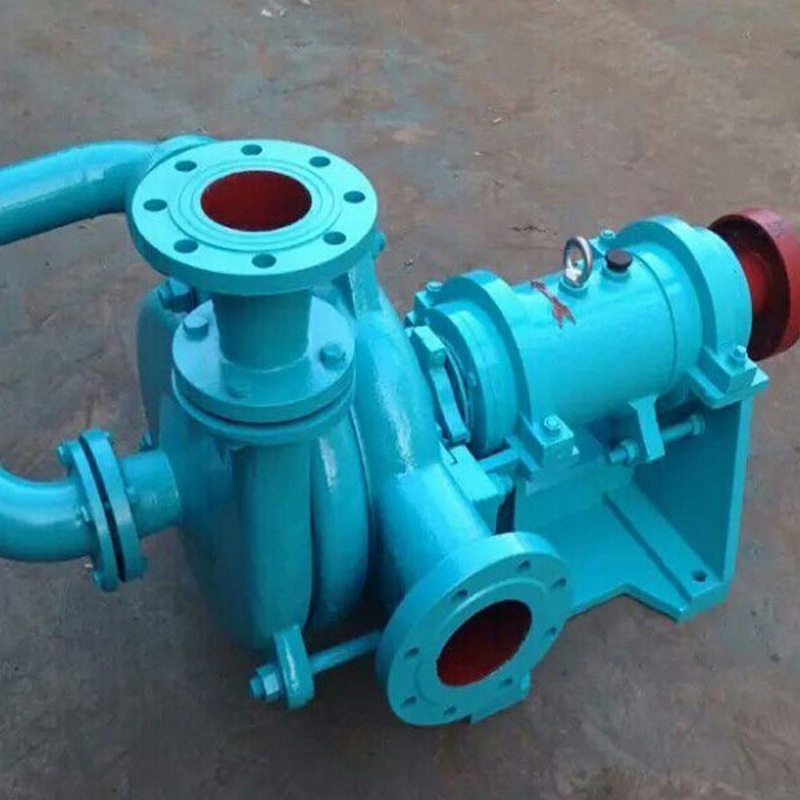
Introduction
Chemical slurry pumps are engineered to transfer abrasive, corrosive, and erosive fluids encountered across diverse industrial applications including chemical processing, mining, wastewater treatment, and power generation. Unlike general-purpose pumps, these units are specifically designed to handle mixtures containing solid particles—the 'slurry'—without significant degradation of performance or component failure. Their technical position within the process chain is critical; they often represent a high-reliability point for consistent process operation, preventing bottlenecks and ensuring efficient material conveyance. Core performance characteristics include flow rate (typically measured in gallons per minute or cubic meters per hour), head (pressure generated, in feet or meters), solids handling capability (maximum particle size and concentration), and materials of construction designed for chemical compatibility and wear resistance. The selection of the appropriate chemical slurry pump necessitates careful consideration of slurry characteristics, operational demands, and overall system economics. A frequent industry pain point stems from premature pump failure due to inadequate material selection or improper operational practices, leading to costly downtime and maintenance.
Material Science & Manufacturing
The performance and longevity of a chemical slurry pump are inextricably linked to the material science of its components and the precision of its manufacturing processes. Pump casings are commonly constructed from high-chromium cast iron (typically 27-30% Cr), stainless steels (316, 304L, duplex stainless steels), or specialized alloys like Hastelloy and Alloy 20, selected based on the corrosive nature of the slurry. Impeller materials follow similar criteria, with rubber linings (natural rubber, EPDM, chlorobutyl) often employed for abrasive slurries to provide sacrificial wear protection. Shafts are frequently made of duplex stainless steel or carbon steel with protective coatings (ceramic coatings, hard chrome plating) to resist erosion and corrosion. Manufacturing typically involves several key processes. Casing production utilizes sand casting, investment casting, or centrifugal casting, demanding meticulous quality control to ensure dimensional accuracy and freedom from defects. Impeller fabrication often involves casting followed by machining to achieve precise hydraulic profiles. Welding is a critical process, requiring qualified welders and appropriate filler metals to maintain material integrity and prevent localized corrosion. A key parameter control point is heat treatment post-welding to relieve stresses and optimize material properties. Linings are applied using vulcanization or adhesive bonding, requiring strict adherence to surface preparation protocols and curing schedules. Failure to control these parameters can lead to cracking, cavitation damage, and reduced pump efficiency.
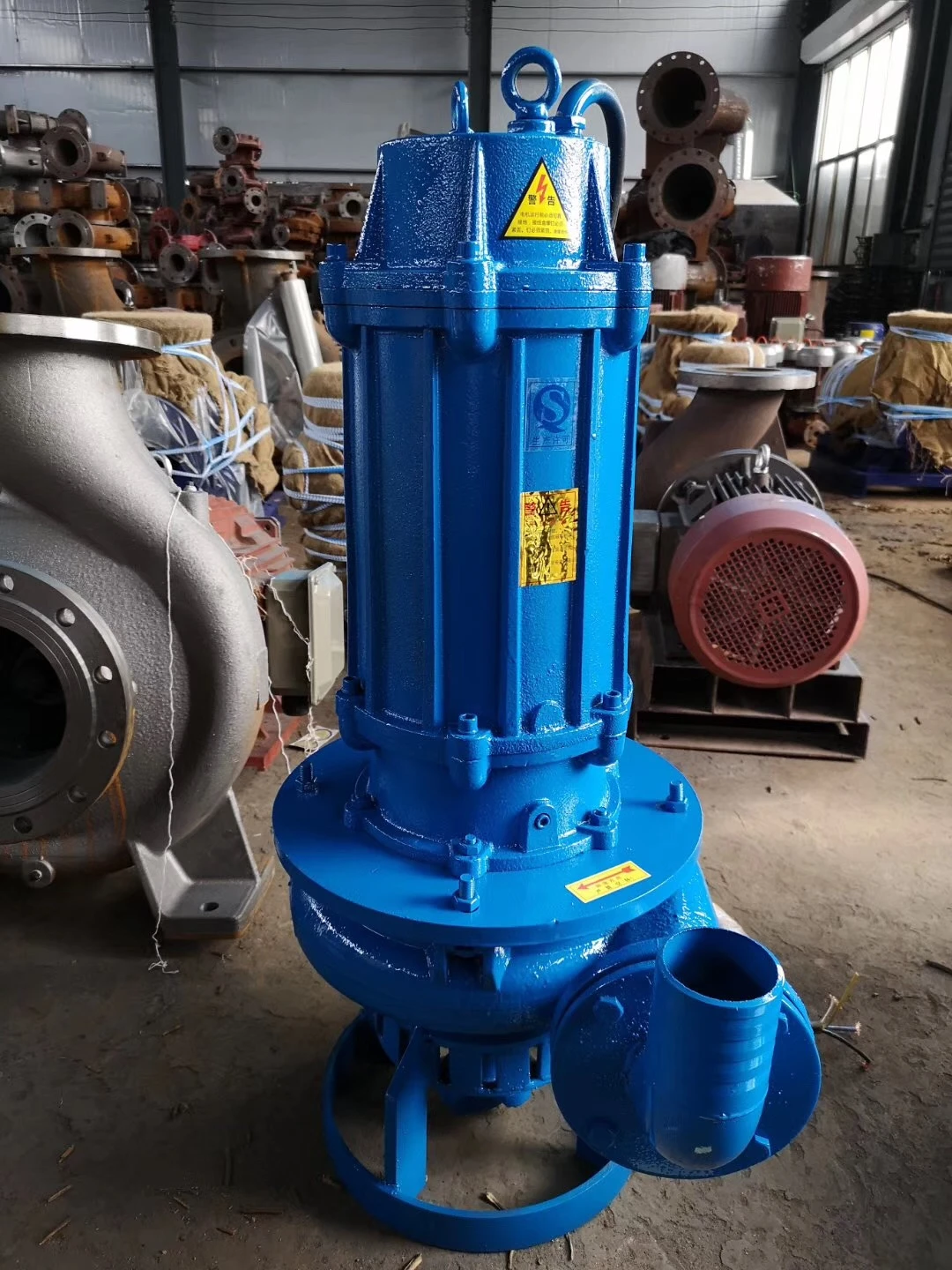
Performance & Engineering
The engineering of chemical slurry pumps necessitates a thorough understanding of fluid mechanics, materials science, and mechanical design principles. Force analysis is paramount, considering hydrostatic pressure, dynamic loads from impeller rotation, and external forces imposed by piping systems. Cavitation is a significant concern, particularly with volatile or low-NPSHA (Net Positive Suction Head Available) slurries. Pump designs incorporate inducer rings or optimized impeller geometry to minimize cavitation risk. Environmental resistance is addressed through material selection and protective coatings, safeguarding against corrosion, erosion, and temperature extremes. Compliance requirements vary by region and application. ATEX certification is mandatory for pumps operating in potentially explosive atmospheres. For food and beverage applications, adherence to 3-A Sanitary Standards is essential. Functional implementation often involves the integration of variable frequency drives (VFDs) for flow control and energy optimization. Seal selection is critical for preventing leakage and ensuring environmental protection; mechanical seals (single, double, tandem) and packing glands are commonly employed, with materials chosen for chemical compatibility and abrasion resistance. A common industry challenge is balancing flow rate, head, and solids handling capacity—increasing one parameter often compromises another. Proper pump sizing and system design are crucial for achieving optimal performance and minimizing operational costs.
Technical Specifications
| Parameter | Unit | Typical Range (Standard Duty) | Typical Range (Heavy Duty) |
|---|---|---|---|
| Flow Rate | GPM (US) | 50-500 | 200-1500 |
| Head | ft | 50-200 | 100-400 |
| Solids Handling Size | in | Up to 1.5 | Up to 3.0 |
| Slurry Concentration (Wt%) | % | Up to 30 | Up to 60 |
| Maximum Operating Pressure | psi | 150 | 300 |
| Temperature Range | °F | -20 to 250 | -20 to 400 |
Failure Mode & Maintenance
Chemical slurry pump failures commonly manifest as impeller wear, casing erosion, seal failures, and bearing degradation. Fatigue cracking in the casing or impeller can occur due to cyclical loading and stress concentration. Delamination of rubber linings results from improper bonding or excessive abrasion. Degradation of elastomers (seals, linings) is accelerated by chemical attack and temperature extremes. Oxidation of metallic components leads to corrosion and loss of material thickness. Proactive maintenance is vital for mitigating these failures. Regular visual inspections should identify signs of wear, corrosion, or leakage. Vibration analysis can detect bearing defects or impeller imbalance. Impeller and casing replacements are routine maintenance tasks. Seal flushing systems prevent abrasive particles from damaging seal faces. Lubrication schedules must be strictly adhered to prevent bearing failure. A critical failure analysis approach involves identifying the root cause of failure (e.g., improper material selection, insufficient lubrication, excessive operating conditions) and implementing corrective actions to prevent recurrence. Preventative maintenance schedules should be tailored to the specific slurry characteristics and operating conditions, extending pump lifespan and minimizing downtime. Routine monitoring of pump performance (flow rate, pressure, power consumption) can provide early warning signs of developing problems.
Industry FAQ
Q: What is the primary difference between a centrifugal slurry pump and a positive displacement slurry pump, and when would I choose one over the other?
A: Centrifugal slurry pumps are best suited for high-flow, low-to-medium head applications with relatively low solids concentrations. They are simpler in design and generally more cost-effective. Positive displacement pumps (e.g., progressing cavity, diaphragm pumps) excel at handling highly viscous slurries, high solids concentrations, and applications requiring precise metering and consistent flow regardless of pressure changes. The choice depends heavily on slurry properties and process requirements.
Q: How do I determine the appropriate material of construction for my chemical slurry pump given the corrosive nature of the fluid?
A: Begin by thoroughly characterizing the slurry's chemical composition, concentration, temperature, and presence of any abrasive solids. Consult a chemical compatibility chart to identify materials resistant to the specific chemicals involved. Consider the pH level, as acidity or alkalinity significantly impacts corrosion rates. Stainless steels (316, duplex) are common for many applications, but for highly corrosive environments, specialized alloys like Hastelloy or Alloy 20 may be necessary. Rubber linings can provide an additional layer of protection.
Q: What steps can be taken to minimize cavitation damage in my slurry pump?
A: Ensure sufficient NPSHA (Net Positive Suction Head Available) by optimizing pump location, minimizing suction line length and elevation, and increasing suction pressure. Select a pump with an appropriate impeller design to reduce pressure drop. Avoid operating the pump at excessively high speeds. Regularly inspect the impeller for signs of cavitation damage (pitting, erosion). Consider using an inducer ring to boost suction performance.
Q: How do I properly size a slurry pump for my application?
A: Accurate pump sizing requires considering the flow rate, head, slurry density, viscosity, and solids concentration. Utilize pump performance curves provided by the manufacturer to select a pump that operates within its optimal efficiency range. Account for system head losses due to friction in piping and valves. Oversizing a pump can lead to energy waste and cavitation, while undersizing will result in insufficient flow.
Q: What are the key considerations when selecting a mechanical seal for a chemical slurry pump?
A: Chemical compatibility between the seal faces and the slurry is paramount. The seal material must be resistant to corrosion and abrasion. Consider the operating pressure and temperature. Select a seal arrangement (single, double, tandem) based on the application's leakage requirements and the toxicity of the fluid. Ensure proper seal flushing to remove abrasive particles and prevent overheating.
Conclusion
Chemical slurry pumps represent a critical component in numerous industrial processes demanding reliable fluid transfer of abrasive and corrosive materials. Their design and material selection are inherently complex, dictated by the specific properties of the slurry being handled and the demands of the application. Optimizing pump performance and longevity hinges on a meticulous understanding of fluid mechanics, materials science, and preventative maintenance practices.
Looking ahead, advancements in materials technology, such as ceramic composites and novel alloys, will continue to enhance the durability and chemical resistance of slurry pumps. Furthermore, the integration of smart sensors and predictive maintenance algorithms will enable proactive failure detection and reduce unplanned downtime. Adhering to industry best practices and prioritizing a comprehensive lifecycle cost analysis will remain essential for ensuring optimal performance and maximizing return on investment.
-
Comprehensive Guide to Waterproof ORings for Optimal Sealing Solutions
News2026-06-09
-
Septic Pump System Performance Analysis
News2026-06-08
-
pump for septic Material Science
News2026-06-08
-
basement sewer pump Performance Analysis
News2026-06-08
-
submerged pump Performance Engineering
News2026-06-08
-
Septic System Pumps Performance Analysis
News2026-06-08
-
septic system pump Material Science and Manufacturing
News2026-06-07
-
pump for septic tank Material Science Manufacturing
News2026-06-07
-
submersible sewage pump Material Science
News2026-06-07
-
Sewage Ejector Material Science and Manufacturing
News2026-06-07
-
Ejection Pump Material Science
News2026-06-07
-
pump submersible Performance Analysis
News2026-06-06
-
ejector pumps Performance Engineering
News2026-06-06
-
basement ejector pump Material Science Manufacturing
News2026-06-06
-
Septic Tanks Pumping Performance Analysis
News2026-06-06




