English
- Afrikaans
- Albanian
- Amharic
- Arabic
- Armenian
- Azerbaijani
- Basque
- Belarusian
- Bengali
- Bosnian
- Bulgarian
- Catalan
- Cebuano
- Corsican
- Croatian
- Czech
- Danish
- Dutch
- English
- Esperanto
- Estonian
- Finnish
- French
- Frisian
- Galician
- Georgian
- German
- Greek
- Gujarati
- Haitian Creole
- hausa
- hawaiian
- Hebrew
- Hindi
- Miao
- Hungarian
- Icelandic
- igbo
- Indonesian
- irish
- Italian
- Japanese
- Javanese
- Kannada
- kazakh
- Khmer
- Rwandese
- Korean
- Kurdish
- Kyrgyz
- Lao
- Latin
- Latvian
- Lithuanian
- Luxembourgish
- Macedonian
- Malgashi
- Malay
- Malayalam
- Maltese
- Maori
- Marathi
- Mongolian
- Myanmar
- Nepali
- Norwegian
- Norwegian
- Occitan
- Pashto
- Persian
- Polish
- Portuguese
- Punjabi
- Romanian
- Russian
- Samoan
- Scottish Gaelic
- Serbian
- Sesotho
- Shona
- Sindhi
- Sinhala
- Slovak
- Slovenian
- Somali
- Spanish
- Sundanese
- Swahili
- Swedish
- Tagalog
- Tajik
- Tamil
- Tatar
- Telugu
- Thai
- Turkish
- Turkmen
- Ukrainian
- Urdu
- Uighur
- Uzbek
- Vietnamese
- Welsh
- Bantu
- Yiddish
- Yoruba
- Zulu

Telephone: +86 13120555503
Email: frank@cypump.com


Apr . 01, 2024 17:55 Back to list
chemical resistant water pump Material Science
Introduction
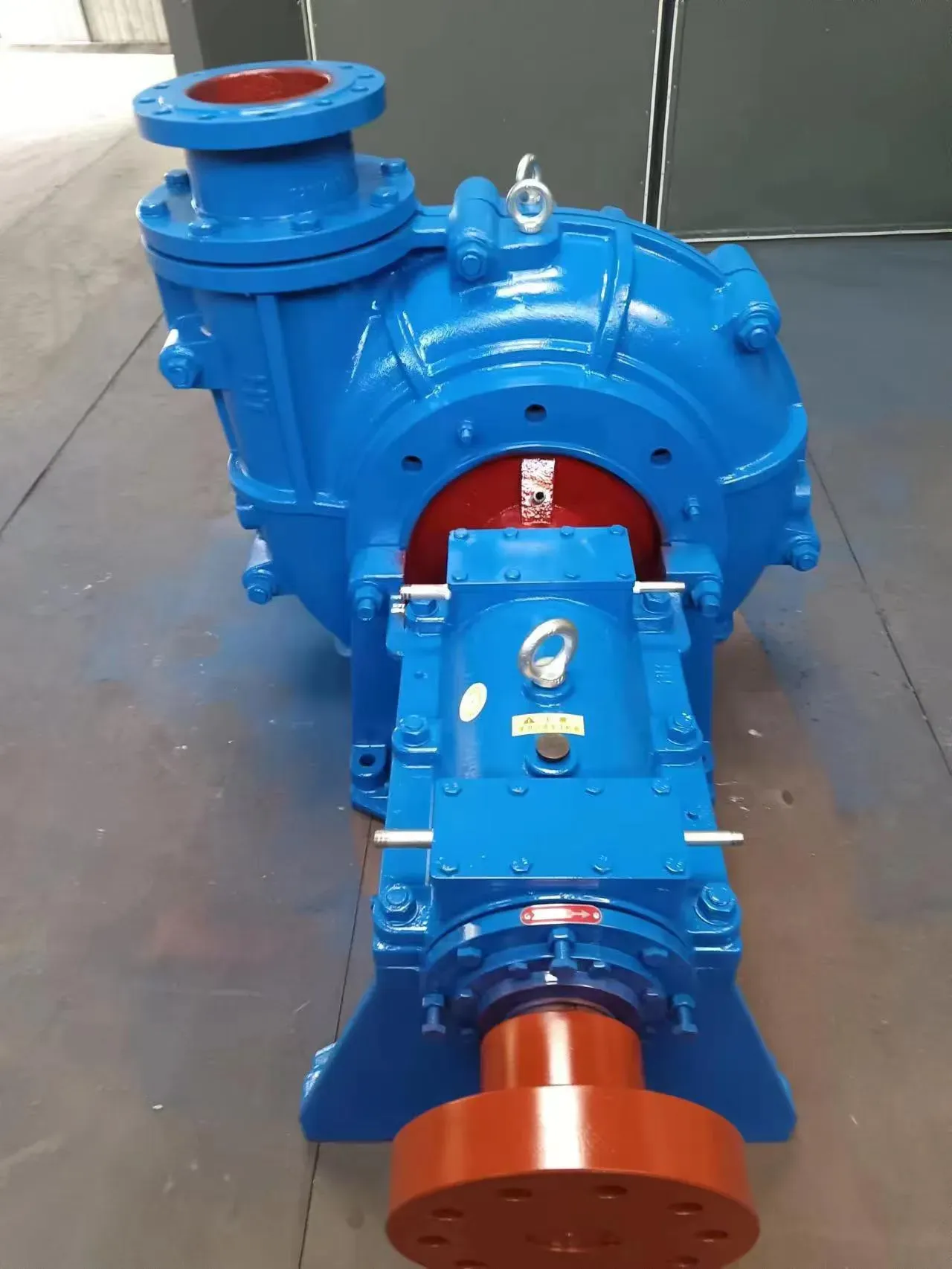
Chemical resistant water pumps are engineered fluid transfer devices designed for applications involving corrosive or aggressive chemicals. Unlike standard centrifugal pumps, these units utilize specialized materials and construction techniques to ensure longevity and reliability in harsh chemical environments. Their position within the industrial chain is crucial, primarily serving industries like chemical processing, wastewater treatment, pharmaceutical manufacturing, electroplating, and mining. Core performance characteristics center around maintaining flow rate and pressure while preventing material degradation from chemical exposure. Selection criteria extend beyond simple chemical compatibility; consideration must be given to temperature, concentration, abrasion potential, and regulatory compliance requirements. The primary industry pain point revolves around premature pump failure due to improper material selection or inadequate sealing, leading to costly downtime, environmental hazards, and safety concerns.
Material Science & Manufacturing
The selection of materials is paramount in chemical resistant pump construction. Common wetted parts materials include: Polypropylene (PP) – offering good resistance to acids and bases, but limited temperature range (typically < 80°C); Polyvinylidene Fluoride (PVDF) – exceptional chemical resistance across a broad spectrum, with moderate temperature resistance (up to 150°C); Chlorinated Polyvinyl Chloride (CPVC) – provides improved temperature resistance over PVC, suitable for moderately corrosive environments; Stainless Steel (316, 904L) – offering excellent corrosion resistance to many chemicals, particularly chlorides, but susceptible to pitting corrosion in specific acid concentrations; and Fluoropolymers (PTFE, PFA) – providing near-universal chemical resistance and high-temperature stability, but higher cost. Pump housings are often manufactured through injection molding (for plastics) or casting/forging (for metals). Impellers can be similarly produced. Critical parameters during injection molding include melt temperature, mold temperature, injection pressure, and cooling rate to ensure dimensional accuracy and minimize stress. For metallic components, heat treatment processes such as annealing and quenching are vital to achieve desired mechanical properties. Seals are typically constructed from materials like Viton (fluoroelastomer), PTFE, or EPDM, selected based on chemical compatibility and temperature requirements. Welding procedures, where applicable, must adhere to stringent quality control standards (AWS D1.1 for steel) to prevent corrosion initiation points.
Performance & Engineering
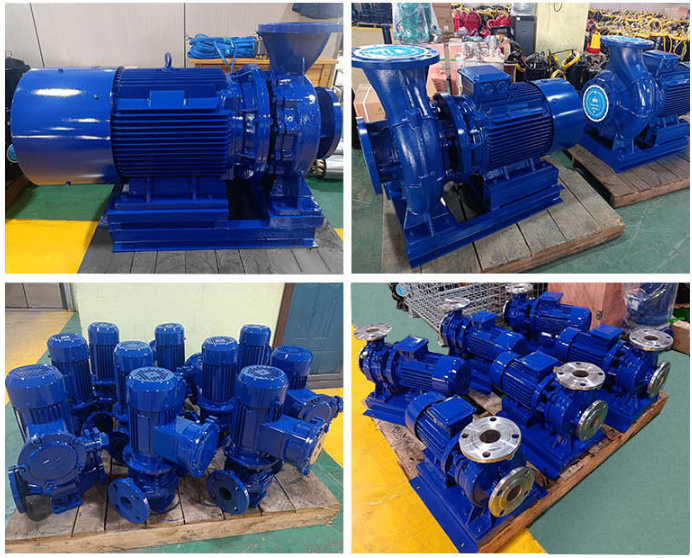
Performance engineering for chemical resistant pumps centers around hydraulic design and mechanical integrity. Force analysis, including stress concentration analysis around the impeller and volute, is crucial to prevent fatigue failure. Cavitation, a major concern in centrifugal pumps, is exacerbated by chemical attack on material surfaces, necessitating careful Net Positive Suction Head Required (NPSHr) calculations. Environmental resistance considerations extend beyond chemical compatibility to include UV exposure, temperature fluctuations, and potential for galvanic corrosion when dissimilar metals are in contact. Compliance requirements are diverse, depending on the application. For example, pumps handling hazardous materials may need to meet ATEX directives (Europe) or UL/CSA standards (North America) for explosion-proof operation. Pumps used in food and beverage processing must adhere to 3-A Sanitary Standards. Sealless pump designs (magnetic drive or canned motor pumps) are often employed to eliminate potential leak paths and minimize environmental contamination. Mechanical seals, when used, require precise alignment and lubrication to prevent premature wear and failure. Proper pump alignment with piping is essential to minimize vibration and stress on bearings and seals.
Technical Specifications
| Parameter | Typical Value (PP Pump) | Typical Value (PVDF Pump) | Typical Value (316SS Pump) |
|---|---|---|---|
| Maximum Flow Rate (GPM) | 120 | 200 | 350 |
| Maximum Head (ft) | 80 | 150 | 200 |
| Temperature Range (°F) | 32-176 | 32-275 | 32-300 |
| Chemical Compatibility | Acids, Bases (limited) | Wide Range | Good (select chemicals) |
| Specific Gravity (Max) | 1.2 | 1.5 | 1.8 |
| Seal Material | Viton, EPDM | Viton, PTFE | PTFE, Viton |
Failure Mode & Maintenance
Common failure modes in chemical resistant water pumps include: Chemical attack leading to material degradation (e.g., blistering of PP, pitting corrosion of stainless steel); Seal failure resulting in leakage (caused by chemical incompatibility, abrasive particles, or improper installation); Impeller erosion or corrosion reducing pump efficiency; Bearing failure due to lack of lubrication or contamination; and Cavitation damage leading to impeller and volute erosion. Failure analysis should involve visual inspection for corrosion products, dimensional measurements to assess wear, and potentially metallographic examination to identify failure mechanisms. Preventive maintenance is crucial. This includes regular inspection of seals, bearings, and impellers; lubrication according to manufacturer’s specifications; flushing the pump to remove solid particles; and monitoring pump performance parameters (flow, pressure, vibration). For plastic pumps, avoid prolonged exposure to high temperatures or UV radiation. For metallic pumps, implement a corrosion monitoring program and consider cathodic protection in aggressive environments. Periodic replacement of wear parts (seals, bearings) based on operating conditions is recommended. Maintaining accurate records of pump operation and maintenance is essential for identifying trends and preventing future failures.
Industry FAQ
Q: What is the most critical factor when selecting a chemical resistant pump material?
A: Chemical compatibility is paramount. The material must be resistant to the specific chemicals being pumped at the operating temperature and concentration. Consider not only the primary chemical but also any potential contaminants or byproducts. It's essential to consult chemical resistance charts and, if necessary, perform compatibility testing.
Q: How do I prevent cavitation in a chemical resistant pump?
A: Ensure adequate Net Positive Suction Head Available (NPSHa) is greater than the pump's NPSHr. Minimize suction pipe losses (length, elbows, fittings). Avoid operating the pump at excessively high speeds. Monitor for signs of cavitation (noise, vibration, reduced performance) and address them promptly.
Q: What is the role of the seal in preventing pump failure?
A: The seal is crucial for preventing leakage and protecting internal components from chemical exposure. Proper seal material selection, correct installation, and adequate lubrication are vital. Consider using double mechanical seals with a barrier fluid for highly hazardous or abrasive chemicals.
Q: What maintenance procedures are critical for extending pump life?
A: Regular inspection of seals, bearings, and impellers. Lubrication per manufacturer's recommendations. Flushing the pump to remove solids. Monitoring pump performance parameters. Maintaining detailed maintenance records.
Q: How do I determine if a pump is unsuitable for a specific chemical application?
A: Visible signs of material degradation (swelling, cracking, discoloration). Reduced pump performance (flow, pressure). Frequent seal failures. Contamination of the pumped fluid with pump material. Consulting a chemical resistance guide or conducting compatibility testing is highly recommended.
Conclusion
The selection and maintenance of chemical resistant water pumps require a thorough understanding of material science, hydraulic principles, and application-specific requirements. Improper material selection or inadequate maintenance can lead to premature failure, costly downtime, and safety hazards. Careful consideration of chemical compatibility, operating conditions, and regulatory compliance is essential for ensuring long-term pump reliability and performance.
Future trends in chemical resistant pump technology include the development of advanced materials with enhanced chemical resistance and temperature stability, the increasing adoption of sealless pump designs for improved safety and environmental protection, and the integration of smart sensors and data analytics for predictive maintenance and optimized pump operation.
-
Precision at the Pump: How Better Machining Protects Flow and Uptime
News2026-11-20
-
Why Pump Reliability Begins Before the First Drop of Fluid
News2026-11-20
-
Beyond the Pump: Designing Safer Access Around Critical Water Infrastructure
News2026-11-20
-
Why Pumping Stations Depend on the Infrastructure Beneath the Pumps
News2026-11-20
-
Beyond the Pump Room: How Smarter Loading Protects Industrial Equipment
News2026-11-19
-
When Pumps Stop: Designing More Resilient Power for Critical Pumping Systems
News2026-11-19
-
The Hidden Role of Dust and Gas Monitoring in Reliable Pump Operations
News2026-11-19
-
The Hidden Role of Mineral Compounds in Extending Industrial Pump Lifespan
News2026-10-12
-
Why Pump System Reliability Depends on Precision Hose Assembly Methods
News2026-09-15
-
How Advanced Imaging Films Are Transforming Pump Component Quality Control
News2026-08-25
-
How Advanced Filtration Protects Pump Systems from Premature Wear and Costly Downtime
News2026-08-25
-
How Steel Material Selection Drives Pump Reliability in Heavy-Duty Systems
News2026-08-25
-
Ensuring Pump System Efficiency: The Role of High-Quality Pipe Fittings and Tubing
News2026-08-24
-
Optimizing Fluid Dynamics and Material Consistency in Industrial Processing
News2026-08-18
-
Innovations and Challenges in Hydraulic Systems for Heavy Machinery
News2026-08-13




