English
- Afrikaans
- Albanian
- Amharic
- Arabic
- Armenian
- Azerbaijani
- Basque
- Belarusian
- Bengali
- Bosnian
- Bulgarian
- Catalan
- Cebuano
- Corsican
- Croatian
- Czech
- Danish
- Dutch
- English
- Esperanto
- Estonian
- Finnish
- French
- Frisian
- Galician
- Georgian
- German
- Greek
- Gujarati
- Haitian Creole
- hausa
- hawaiian
- Hebrew
- Hindi
- Miao
- Hungarian
- Icelandic
- igbo
- Indonesian
- irish
- Italian
- Japanese
- Javanese
- Kannada
- kazakh
- Khmer
- Rwandese
- Korean
- Kurdish
- Kyrgyz
- Lao
- Latin
- Latvian
- Lithuanian
- Luxembourgish
- Macedonian
- Malgashi
- Malay
- Malayalam
- Maltese
- Maori
- Marathi
- Mongolian
- Myanmar
- Nepali
- Norwegian
- Norwegian
- Occitan
- Pashto
- Persian
- Polish
- Portuguese
- Punjabi
- Romanian
- Russian
- Samoan
- Scottish Gaelic
- Serbian
- Sesotho
- Shona
- Sindhi
- Sinhala
- Slovak
- Slovenian
- Somali
- Spanish
- Sundanese
- Swahili
- Swedish
- Tagalog
- Tajik
- Tamil
- Tatar
- Telugu
- Thai
- Turkish
- Turkmen
- Ukrainian
- Urdu
- Uighur
- Uzbek
- Vietnamese
- Welsh
- Bantu
- Yiddish
- Yoruba
- Zulu

Telephone: +86 13120555503
Email: frank@cypump.com


Apr . 01, 2024 17:55 Back to list
chemical resistant transfer pump Performance Analysis
Introduction
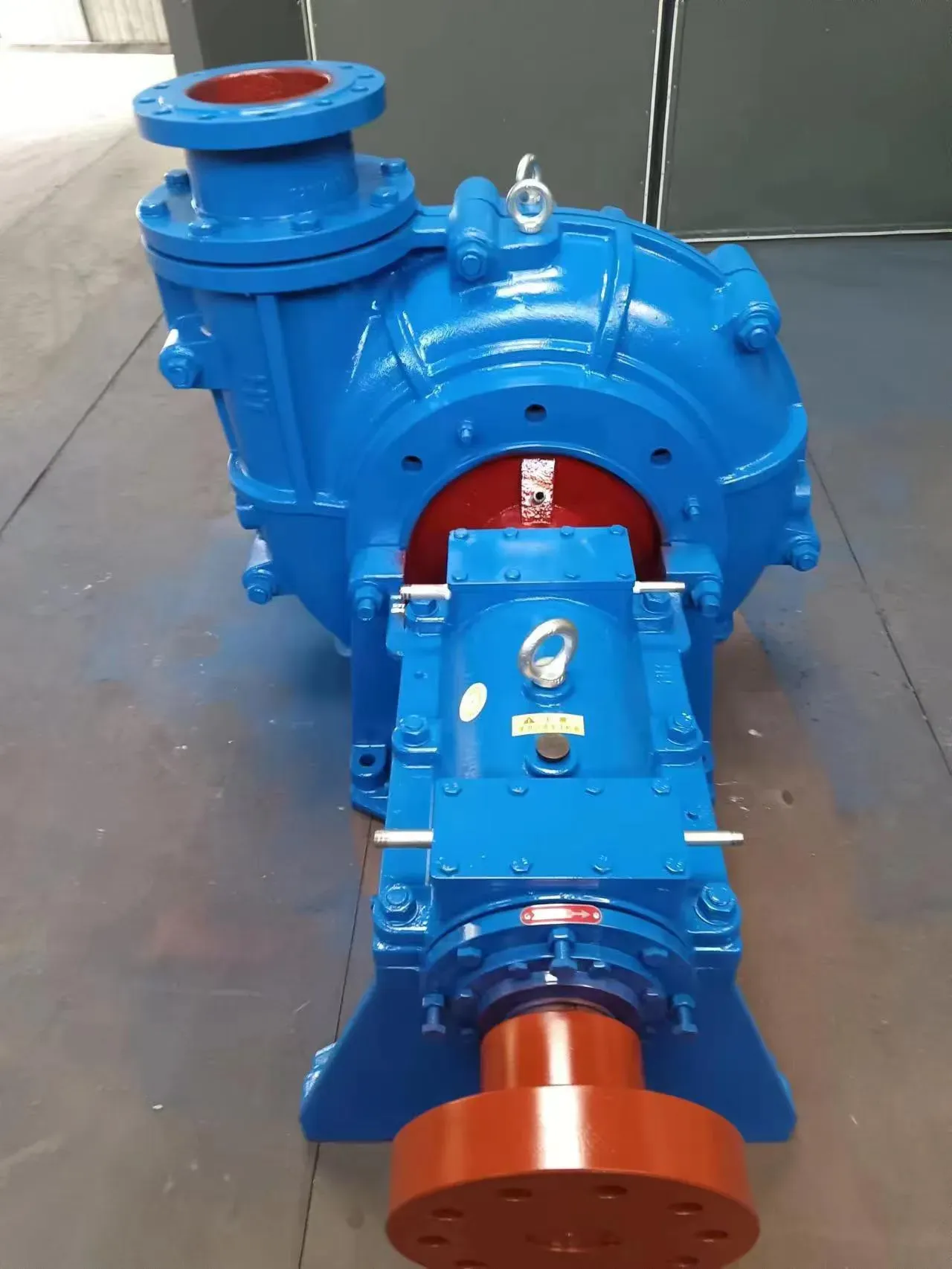
Chemical resistant transfer pumps are critical components in numerous industrial processes where the safe and reliable transfer of corrosive fluids is paramount. These pumps are engineered to handle a wide spectrum of chemicals, including acids, bases, solvents, and oxidizing agents, preventing material degradation and ensuring operational integrity. Positioned within the fluid handling segment of the chemical processing, pharmaceutical, and wastewater treatment industries, they represent a specialized subset of positive displacement and centrifugal pump technologies. Core performance characteristics center on maintaining fluid integrity (preventing contamination), ensuring leak-free operation, providing consistent flow rates, and exhibiting long-term durability in harsh chemical environments. A primary industry pain point is balancing material cost with chemical compatibility; selecting the incorrect materials leads to premature failure, costly downtime, and potential safety hazards. Understanding the specific chemical composition, concentration, temperature, and pressure of the transferred fluid is fundamental to appropriate pump selection and operation.
Material Science & Manufacturing
The material selection for chemical resistant transfer pumps is dictated by the chemical compatibility requirements of the intended application. Common materials include fluoropolymers (PTFE, PFA, PVDF) offering broad chemical resistance, but at a higher cost; stainless steel (316, 904L) providing good resistance to many acids and bases, though susceptible to pitting corrosion; and specialty alloys (Hastelloy, Inconel) for extreme conditions. Pump housings are frequently manufactured using injection molding for fluoropolymers and investment casting for alloys. Impellers can be machined from solid stock, or molded/cast depending on material and complexity. Seals are a critical component, often utilizing PTFE or perfluoroelastomers (FFKM) for optimal chemical resistance. Manufacturing processes require stringent quality control, including material certifications, non-destructive testing (NDT – radiography, ultrasonic testing) to verify weld integrity (in metal pumps), and dimensional accuracy checks. Welding procedures for stainless steel and alloys must adhere to ASME Section IX standards to ensure robust joint strength and corrosion resistance. Surface finish is also important; electropolishing stainless steel reduces surface roughness, minimizing corrosion initiation sites. Parameter control during molding processes—temperature, pressure, cooling rates—are crucial for achieving desired mechanical properties and avoiding internal stresses in polymer components.
Performance & Engineering
Performance analysis of chemical resistant transfer pumps involves consideration of fluid dynamics, mechanical stresses, and material behavior under specific operating conditions. Force analysis focuses on hydraulic forces exerted on the impeller and shaft, requiring robust bearing design and shaft support to prevent deflection and vibration. Environmental resistance is crucial; pumps must withstand temperature fluctuations, humidity, and potential exposure to UV radiation. Compliance requirements vary by industry and region, encompassing standards related to safety (ATEX for explosive atmospheres), environmental emissions (EPA regulations for volatile organic compounds), and hygienic design (3-A Sanitary Standards for food and beverage processing). Functional implementation requires careful selection of pump type (centrifugal, diaphragm, peristaltic, etc.) based on flow rate, pressure head, and fluid viscosity. Centrifugal pumps are suitable for high-flow, low-pressure applications, while positive displacement pumps excel at delivering consistent flow rates against varying pressures. Proper piping design, including minimizing bends and using compatible fittings, is essential to reduce pressure drop and prevent cavitation. Net Positive Suction Head Required (NPSHr) calculations are critical to avoid cavitation damage to the impeller.
Technical Specifications
| Flow Rate (GPM) | Maximum Pressure (PSI) | Temperature Range (°F) | Material of Construction (Wetted Parts) |
|---|---|---|---|
| 10 - 100 | 0 - 150 | 20 - 200 | PTFE/PFA/PVDF |
| 50 - 300 | 50 - 300 | -20 - 300 | 316 Stainless Steel |
| 20 - 200 | 0 - 50 | 32 - 176 | Polypropylene |
| 1 - 50 | 100 - 500 | -40 - 400 | Hastelloy C-276 |
| 15 - 150 | 20 - 200 | -4 - 248 | Kynar (PVDF) |
| 80 - 400 | 80 - 400 | -67 - 392 | 904L Stainless Steel |
Failure Mode & Maintenance
Common failure modes in chemical resistant transfer pumps include seal failure (leading to leaks), impeller erosion/corrosion (reducing efficiency), bearing wear (causing vibration and noise), and material degradation (resulting in cracks or catastrophic failure). Fatigue cracking can occur in metal components subjected to cyclic stresses. Delamination is a concern with polymer liners, particularly under high shear stresses. Degradation is frequently caused by chemical attack, especially at elevated temperatures. Oxidation can affect metal components, particularly in the presence of oxidizing agents. Preventative maintenance is critical, encompassing regular inspection of seals, bearings, and pump housing. Lubrication schedules should be strictly followed, utilizing chemically compatible lubricants. Periodic performance monitoring (flow rate, pressure, vibration analysis) can identify early signs of degradation. For polymer pumps, avoid over-tightening fittings to prevent stress cracking. Replacement of seals and bearings should be performed according to manufacturer recommendations. In the event of a leak, immediately isolate the pump and identify the source of the failure. Thoroughly flush the pump with a compatible solvent before disassembly. Material compatibility charts should be consulted when selecting replacement parts.
Industry FAQ
Q: What is the primary difference between PTFE and PFA in pump construction, and when would you choose one over the other?
A: Both PTFE and PFA offer excellent chemical resistance, but PFA possesses superior thermal stability and melt flow characteristics. PFA can be melt-processed like a thermoplastic, allowing for more complex geometries and easier integration of features. PTFE requires sintering and is more challenging to machine. Choose PFA for applications exceeding PTFE’s maximum continuous operating temperature (typically 400°F) or when intricate designs are needed. PTFE is often selected for its lower cost when temperature requirements are within its range.
Q: How do you mitigate the risk of galvanic corrosion when using a stainless steel pump with dissimilar metal piping?
A: Galvanic corrosion occurs when dissimilar metals are in contact in the presence of an electrolyte. To mitigate this, use dielectric unions or insulating sleeves to electrically isolate the pump from the piping. Sacrificial anodes (e.g., zinc) can also be employed to protect the stainless steel. Careful selection of compatible materials and ensuring proper grounding are also crucial.
Q: What are the key considerations when selecting a pump for transferring highly viscous chemicals?
A: Highly viscous fluids require positive displacement pumps (e.g., gear pumps, lobe pumps, peristaltic pumps) to generate sufficient pressure and maintain consistent flow. Centrifugal pumps struggle with high viscosity. Consider the fluid’s shear sensitivity; some viscous fluids can degrade under high shear rates. Proper sizing of the pump and piping is crucial to minimize pressure drop and avoid cavitation. Heating the fluid can sometimes reduce viscosity and improve pump performance.
Q: What are the implications of exceeding the NPSHr of a centrifugal pump when handling corrosive fluids?
A: Exceeding the NPSHr leads to cavitation, the formation and collapse of vapor bubbles within the pump. With corrosive fluids, cavitation exacerbates erosion and corrosion damage to the impeller, significantly reducing pump life and performance. Ensure sufficient inlet pressure and minimize head loss in the suction piping to maintain adequate NPSHa (Net Positive Suction Head Available).
Q: How does pump material selection affect the potential for leaching of metallic ions into the pumped fluid?
A: Certain materials, particularly stainless steels, can leach metallic ions into the fluid, especially under acidic conditions. This can be problematic in applications where purity is critical (e.g., pharmaceutical manufacturing). Selecting higher alloy content stainless steels (e.g., 904L, Super Duplex) or using non-metallic materials (PTFE, PFA, PVDF) minimizes leaching. Periodic fluid analysis can verify ion concentration levels.
Conclusion
Chemical resistant transfer pumps are indispensable for maintaining process integrity and safety in industries handling corrosive materials. Successful implementation hinges on a thorough understanding of fluid chemistry, material science, and pump engineering principles. The selection process demands careful consideration of flow rate, pressure, temperature, and the specific chemical composition of the fluid to ensure optimal performance and longevity.
Future advancements in pump technology will likely focus on developing more durable and chemically inert materials, improving pump efficiency, and incorporating smart sensing capabilities for predictive maintenance. The integration of advanced coatings and surface treatments will further enhance corrosion resistance and reduce the risk of failure. Prioritizing preventative maintenance programs and adhering to established industry standards are essential for maximizing the operational lifespan and reliability of these critical components.
-
Precision at the Pump: How Better Machining Protects Flow and Uptime
News2026-11-20
-
Why Pump Reliability Begins Before the First Drop of Fluid
News2026-11-20
-
Beyond the Pump: Designing Safer Access Around Critical Water Infrastructure
News2026-11-20
-
Why Pumping Stations Depend on the Infrastructure Beneath the Pumps
News2026-11-20
-
Beyond the Pump Room: How Smarter Loading Protects Industrial Equipment
News2026-11-19
-
When Pumps Stop: Designing More Resilient Power for Critical Pumping Systems
News2026-11-19
-
The Hidden Role of Dust and Gas Monitoring in Reliable Pump Operations
News2026-11-19
-
The Hidden Role of Mineral Compounds in Extending Industrial Pump Lifespan
News2026-10-12
-
Why Pump System Reliability Depends on Precision Hose Assembly Methods
News2026-09-15
-
How Advanced Imaging Films Are Transforming Pump Component Quality Control
News2026-08-25
-
How Advanced Filtration Protects Pump Systems from Premature Wear and Costly Downtime
News2026-08-25
-
How Steel Material Selection Drives Pump Reliability in Heavy-Duty Systems
News2026-08-25
-
Ensuring Pump System Efficiency: The Role of High-Quality Pipe Fittings and Tubing
News2026-08-24
-
Optimizing Fluid Dynamics and Material Consistency in Industrial Processing
News2026-08-18
-
Innovations and Challenges in Hydraulic Systems for Heavy Machinery
News2026-08-13




