English
- Afrikaans
- Albanian
- Amharic
- Arabic
- Armenian
- Azerbaijani
- Basque
- Belarusian
- Bengali
- Bosnian
- Bulgarian
- Catalan
- Cebuano
- Corsican
- Croatian
- Czech
- Danish
- Dutch
- English
- Esperanto
- Estonian
- Finnish
- French
- Frisian
- Galician
- Georgian
- German
- Greek
- Gujarati
- Haitian Creole
- hausa
- hawaiian
- Hebrew
- Hindi
- Miao
- Hungarian
- Icelandic
- igbo
- Indonesian
- irish
- Italian
- Japanese
- Javanese
- Kannada
- kazakh
- Khmer
- Rwandese
- Korean
- Kurdish
- Kyrgyz
- Lao
- Latin
- Latvian
- Lithuanian
- Luxembourgish
- Macedonian
- Malgashi
- Malay
- Malayalam
- Maltese
- Maori
- Marathi
- Mongolian
- Myanmar
- Nepali
- Norwegian
- Norwegian
- Occitan
- Pashto
- Persian
- Polish
- Portuguese
- Punjabi
- Romanian
- Russian
- Samoan
- Scottish Gaelic
- Serbian
- Sesotho
- Shona
- Sindhi
- Sinhala
- Slovak
- Slovenian
- Somali
- Spanish
- Sundanese
- Swahili
- Swedish
- Tagalog
- Tajik
- Tamil
- Tatar
- Telugu
- Thai
- Turkish
- Turkmen
- Ukrainian
- Urdu
- Uighur
- Uzbek
- Vietnamese
- Welsh
- Bantu
- Yiddish
- Yoruba
- Zulu

Telephone: +86 13120555503
Email: frank@cypump.com


Apr . 01, 2024 17:55 Back to list
chemical resistant sump pump Performance Analysis
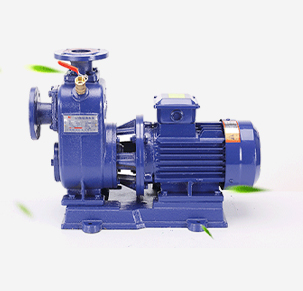
Introduction
Chemical resistant sump pumps are engineered to reliably remove fluids containing corrosive or otherwise damaging chemical compounds. These pumps occupy a critical niche within industrial wastewater management, chemical processing, and environmental remediation, functioning as a vital component in preventing system failures, ensuring regulatory compliance, and maintaining operational safety. Unlike standard sump pumps constructed from materials susceptible to chemical attack, these units utilize specialized polymers, alloys, and sealing technologies to withstand aggressive environments. Core performance characteristics include fluid transfer rate (gallons per minute/liters per hour), head pressure (feet/meters), solids handling capability (particle size & concentration), and, critically, material compatibility with the specific chemical media. The industry faces persistent challenges regarding long-term material degradation, seal failures, and the escalating demand for pumps capable of handling increasingly complex chemical mixtures.
Material Science & Manufacturing
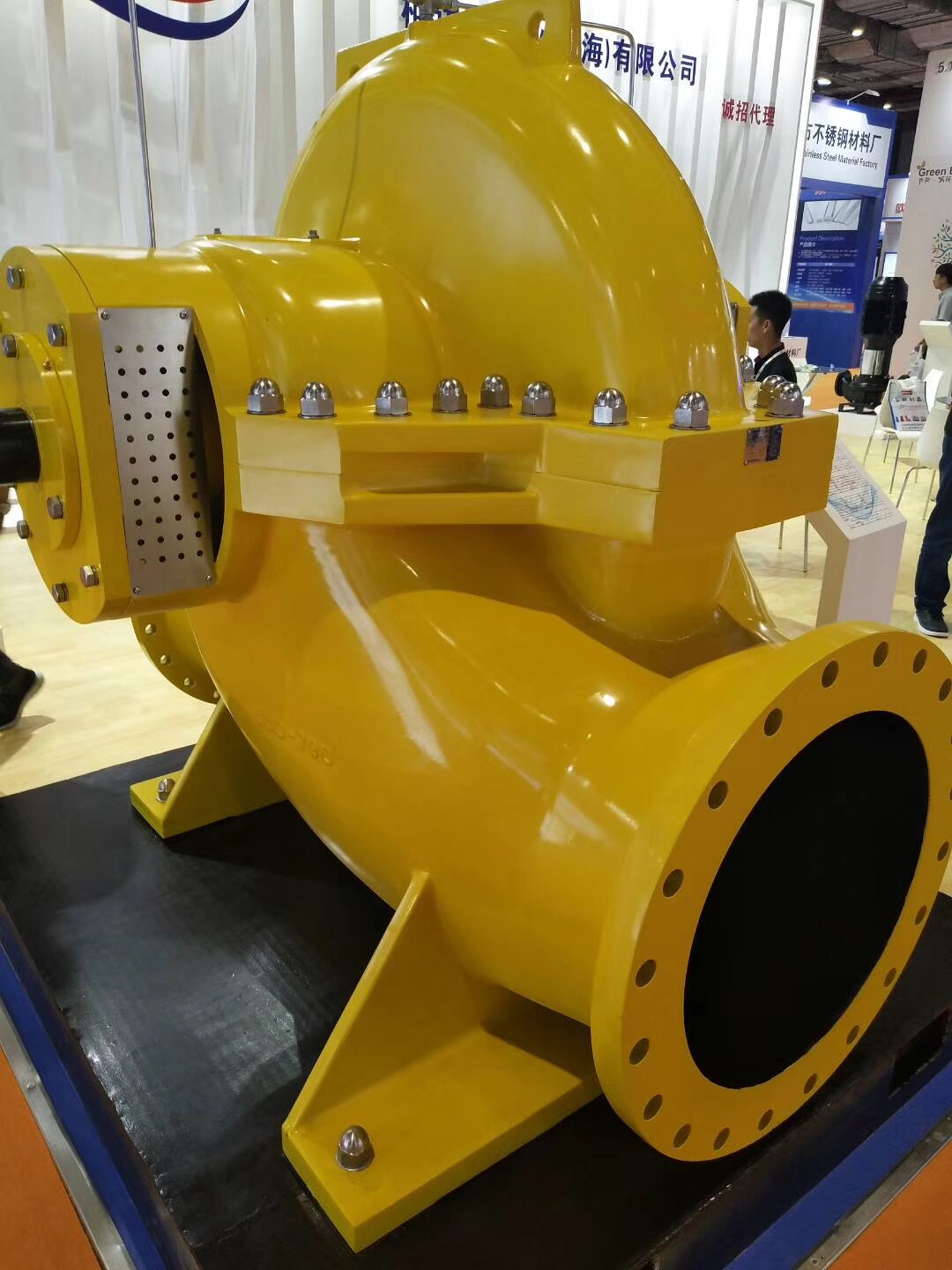
The construction of a chemical resistant sump pump fundamentally relies on material selection. Common materials include polypropylene (PP), polyvinylidene fluoride (PVDF), chlorinated polyvinyl chloride (CPVC), stainless steel alloys (316, 316L), and specialized elastomers like Viton (fluoroelastomer) and PTFE (polytetrafluoroethylene) for seals and gaskets. PP and PVDF offer excellent resistance to a broad range of acids and bases but have limitations in temperature and mechanical strength. CPVC provides higher temperature resistance than PVC but is less chemically resistant than PVDF. Stainless steel alloys, particularly 316 and 316L (low carbon), offer robust mechanical properties and corrosion resistance in many environments, though susceptibility to pitting corrosion exists in the presence of chlorides. Manufacturing processes vary based on component and material. Pump housings are commonly manufactured via injection molding (PP, PVDF, CPVC) or cast metal processes (stainless steel). Impellers, often the most stressed component, are similarly injection molded or cast. Welding processes, such as shielded metal arc welding (SMAW) or gas tungsten arc welding (GTAW), are employed for stainless steel components, demanding stringent quality control to avoid weld defects and maintain corrosion resistance. Key parameter control during manufacturing includes maintaining consistent material thickness, ensuring proper weld penetration (for metal components), and achieving precise dimensional accuracy to ensure proper impeller-to-housing clearance and efficient hydraulic performance. Surface finishing, such as electropolishing for stainless steel, can further enhance corrosion resistance by removing surface imperfections.
Performance & Engineering
Performance evaluation of chemical resistant sump pumps necessitates a comprehensive understanding of fluid dynamics and material behavior. Force analysis focuses on impeller stress, bearing loads, and housing pressure. Impeller design, incorporating computational fluid dynamics (CFD) modeling, optimizes hydraulic efficiency and minimizes cavitation. Bearing selection considers load capacity, chemical compatibility of lubricant, and operating temperature. Housing design must withstand internal pressure and external loads. Environmental resistance assessments include immersion testing in target chemical solutions at varying concentrations and temperatures. Accelerated aging tests simulate long-term exposure, evaluating material degradation and seal performance. Compliance requirements depend heavily on the application. For example, pumps used in food processing must adhere to FDA regulations, while those used in hazardous environments require ATEX or IECEx certification. Engineering considerations extend to pump curve optimization (relationship between flow rate and head pressure), net positive suction head (NPSH) requirements to prevent cavitation, and the implementation of appropriate sealing mechanisms (mechanical seals, lip seals, or magnetic drives) to prevent leakage and ensure containment of corrosive fluids. Proper grounding and bonding are also critical to prevent galvanic corrosion in systems with dissimilar metals.
Technical Specifications
| Parameter | Unit | Typical Value (Polypropylene) | Typical Value (Stainless Steel 316) |
|---|---|---|---|
| Maximum Flow Rate | GPM | 120 | 250 |
| Maximum Head | Feet | 80 | 150 |
| Solids Handling Capacity | Inches | 0.5 | 1.0 |
| Temperature Range | °F | 32-176 | -20 to 250 |
| pH Range | 1-14 | 1-14 | |
| Specific Gravity | Up to 1.7 | Up to 1.7 |
Failure Mode & Maintenance
Chemical resistant sump pumps are susceptible to several failure modes. Corrosion is a primary concern, manifesting as pitting, crevice corrosion, or galvanic corrosion. Material degradation, particularly in polymers, can occur due to chemical attack, UV exposure, and thermal cycling. Seal failures, resulting in leakage, are common, often caused by chemical incompatibility of the seal material or abrasive particle damage. Fatigue cracking can occur in metal components subjected to cyclic loading. Impeller damage, including erosion and cavitation, reduces pump efficiency. Proper maintenance is crucial to mitigate these failures. Regular inspection of pump components for signs of corrosion, wear, or damage is essential. Periodic seal replacement based on operating conditions and chemical exposure is recommended. Lubrication of bearings with chemically compatible lubricants is vital. Strainers and filters should be cleaned or replaced regularly to prevent solids from entering the pump and causing abrasion. Routine monitoring of pump performance parameters (flow rate, pressure, and current draw) can detect early signs of degradation. When replacing components, ensure compatibility with the pumped fluid and adhere to manufacturer’s specifications. For stainless steel pumps, passivation treatments can restore the protective oxide layer after welding or machining. Implementing a preventative maintenance schedule tailored to the specific application is paramount.
Industry FAQ
Q: What factors determine the appropriate material of construction for a chemical resistant sump pump?
A: The primary factor is the chemical composition of the fluid being pumped. A detailed chemical compatibility chart is essential, considering concentration, temperature, and exposure duration. Mechanical stresses, temperature range, and abrasion potential also influence material selection. Often, a combination of materials is used—for example, a polypropylene housing with a Viton seal.
Q: How does temperature affect the performance of a chemical resistant sump pump?
A: Elevated temperatures generally accelerate chemical degradation of polymers and can reduce the strength of metal alloys. Temperature also affects fluid viscosity and density, influencing pump performance. It's critical to select materials rated for the operating temperature range and to account for temperature variations in pump sizing.
Q: What are the common causes of seal failure in these pumps?
A: Seal failure is often due to chemical incompatibility – the seal material swelling, dissolving, or becoming brittle when exposed to the pumped fluid. Abrasive particles in the fluid can also damage the seal faces. Improper installation, excessive pressure, or dry running can also contribute to seal failure.
Q: How can cavitation be prevented in a chemical resistant sump pump?
A: Cavitation occurs when the pressure at the impeller inlet drops below the vapor pressure of the liquid, forming vapor bubbles that collapse and damage the impeller. Preventing cavitation requires ensuring adequate Net Positive Suction Head Available (NPSHa) exceeds the Net Positive Suction Head Required (NPSHr) by the pump, minimizing suction lift, and avoiding restrictions in the suction line.
Q: What are the key differences between mechanical seals and lip seals in this application?
A: Mechanical seals provide a tighter, more reliable seal and are generally preferred for corrosive fluids, as they minimize leakage. They are, however, more complex and expensive. Lip seals are simpler and less costly but offer less leak resistance and are more susceptible to wear in abrasive environments. The choice depends on the severity of the chemical exposure and the acceptable level of leakage.
Conclusion
Chemical resistant sump pumps represent a specialized engineering solution to the challenges of fluid handling in corrosive environments. Material selection, driven by chemical compatibility and mechanical requirements, is paramount. A robust understanding of fluid dynamics, coupled with meticulous manufacturing and rigorous testing, ensures reliable performance and longevity. Ongoing maintenance, including regular inspections and timely component replacement, is critical for minimizing downtime and maximizing operational efficiency.
The future of chemical resistant sump pump technology will likely focus on advanced materials – exploring novel polymers and alloy compositions – and intelligent pump designs incorporating predictive maintenance capabilities. Further research into enhanced sealing technologies and improved cavitation resistance will also be crucial. As industrial processes become more complex and environmental regulations more stringent, the demand for high-performance, chemically resistant pumping solutions will continue to grow.
-
Precision at the Pump: How Better Machining Protects Flow and Uptime
News2026-11-20
-
Why Pump Reliability Begins Before the First Drop of Fluid
News2026-11-20
-
Beyond the Pump: Designing Safer Access Around Critical Water Infrastructure
News2026-11-20
-
Why Pumping Stations Depend on the Infrastructure Beneath the Pumps
News2026-11-20
-
Beyond the Pump Room: How Smarter Loading Protects Industrial Equipment
News2026-11-19
-
When Pumps Stop: Designing More Resilient Power for Critical Pumping Systems
News2026-11-19
-
The Hidden Role of Dust and Gas Monitoring in Reliable Pump Operations
News2026-11-19
-
The Hidden Role of Mineral Compounds in Extending Industrial Pump Lifespan
News2026-10-12
-
Why Pump System Reliability Depends on Precision Hose Assembly Methods
News2026-09-15
-
How Advanced Imaging Films Are Transforming Pump Component Quality Control
News2026-08-25
-
How Advanced Filtration Protects Pump Systems from Premature Wear and Costly Downtime
News2026-08-25
-
How Steel Material Selection Drives Pump Reliability in Heavy-Duty Systems
News2026-08-25
-
Ensuring Pump System Efficiency: The Role of High-Quality Pipe Fittings and Tubing
News2026-08-24
-
Optimizing Fluid Dynamics and Material Consistency in Industrial Processing
News2026-08-18
-
Innovations and Challenges in Hydraulic Systems for Heavy Machinery
News2026-08-13




