English
- Afrikaans
- Albanian
- Amharic
- Arabic
- Armenian
- Azerbaijani
- Basque
- Belarusian
- Bengali
- Bosnian
- Bulgarian
- Catalan
- Cebuano
- Corsican
- Croatian
- Czech
- Danish
- Dutch
- English
- Esperanto
- Estonian
- Finnish
- French
- Frisian
- Galician
- Georgian
- German
- Greek
- Gujarati
- Haitian Creole
- hausa
- hawaiian
- Hebrew
- Hindi
- Miao
- Hungarian
- Icelandic
- igbo
- Indonesian
- irish
- Italian
- Japanese
- Javanese
- Kannada
- kazakh
- Khmer
- Rwandese
- Korean
- Kurdish
- Kyrgyz
- Lao
- Latin
- Latvian
- Lithuanian
- Luxembourgish
- Macedonian
- Malgashi
- Malay
- Malayalam
- Maltese
- Maori
- Marathi
- Mongolian
- Myanmar
- Nepali
- Norwegian
- Norwegian
- Occitan
- Pashto
- Persian
- Polish
- Portuguese
- Punjabi
- Romanian
- Russian
- Samoan
- Scottish Gaelic
- Serbian
- Sesotho
- Shona
- Sindhi
- Sinhala
- Slovak
- Slovenian
- Somali
- Spanish
- Sundanese
- Swahili
- Swedish
- Tagalog
- Tajik
- Tamil
- Tatar
- Telugu
- Thai
- Turkish
- Turkmen
- Ukrainian
- Urdu
- Uighur
- Uzbek
- Vietnamese
- Welsh
- Bantu
- Yiddish
- Yoruba
- Zulu

Telephone: +86 13120555503
Email: frank@cypump.com


Apr . 01, 2024 17:55 Back to list
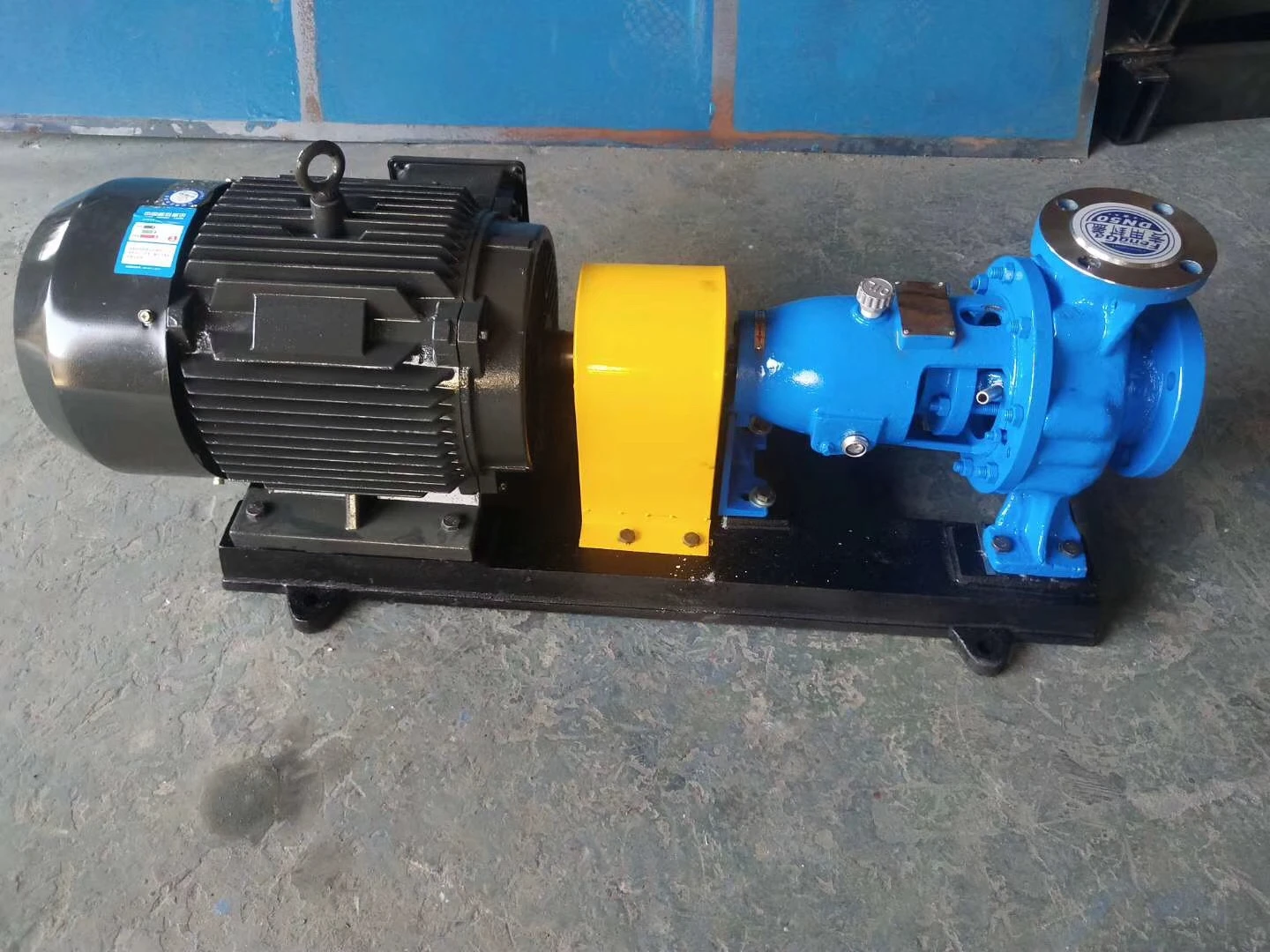
chemical resistant pumps Material Science
Introduction
Chemical resistant pumps are engineered fluid transfer devices designed to handle corrosive and aggressive fluids across a multitude of industrial processes. They represent a critical component in sectors including chemical processing, pharmaceuticals, water and wastewater treatment, mining, and pulp and paper. Unlike standard centrifugal or positive displacement pumps, chemical resistant pumps prioritize material selection and design to mitigate degradation and failure when exposed to harsh chemical environments. This guide provides a comprehensive overview of their material science, manufacturing processes, performance characteristics, failure modes, and maintenance procedures, aligned with relevant industry standards. The core performance criteria revolve around maintaining fluid integrity (preventing contamination), ensuring long service life in corrosive media, and providing reliable operation with minimal downtime. The primary pain point for industry is balancing upfront cost with long-term operational expenditure, factoring in material compatibility, pump life, and potential process interruption due to failure.
Material Science & Manufacturing
The selection of materials is paramount in chemical resistant pump construction. Common materials include: Polypropylene (PP) – offering good resistance to acids and alkalis at moderate temperatures; Polyvinylidene Fluoride (PVDF) – providing exceptional chemical resistance and temperature capabilities; Polytetrafluoroethylene (PTFE) – exhibiting near-universal chemical inertness but with lower mechanical strength; and Fluorinated Ethylene Propylene (FEP) – sharing PTFE's chemical resistance with improved thermal stability. Metallic options, typically alloys, include Hastelloy, a nickel-based alloy renowned for its resistance to strong acids, and 316 Stainless Steel, which offers corrosion resistance in a wide range of chemicals, though less robust than Hastelloy. Pump housings are commonly manufactured via injection molding (for plastics) or casting/forging (for metals). Impellers can be produced through similar methods, or using machining from solid stock. Sealing components frequently employ PTFE or other fluoropolymers. Manufacturing parameter control is crucial. For injection molding, melt temperature, mold temperature, and injection pressure must be precisely maintained to prevent material degradation and ensure dimensional accuracy. For metallic components, heat treatment processes are critical to achieve the desired hardness, ductility, and corrosion resistance. Welding, when used, requires specialized techniques and filler materials to maintain corrosion resistance in the weld zone. Surface finishing, such as electropolishing for stainless steel, is often employed to further enhance corrosion resistance by removing surface imperfections.
Performance & Engineering
The performance of a chemical resistant pump is dictated by several engineering considerations. Cavitation, a phenomenon where vapor bubbles form and collapse within the pump, is a significant concern. It’s exacerbated by high fluid temperatures and low inlet pressure. Therefore, Net Positive Suction Head Required (NPSHr) calculations are essential to ensure adequate inlet pressure and prevent cavitation damage. Material stress analysis is critical to confirm the pump's structural integrity under operating pressures and temperatures. Finite Element Analysis (FEA) is often employed to model stress distribution and identify potential weak points. Hydraulic design focuses on minimizing turbulence and maximizing efficiency. Volute casing geometry and impeller blade design play a vital role in achieving optimal hydraulic performance. Environmental resistance extends beyond chemical compatibility to include temperature extremes and UV exposure. Pump materials must maintain their mechanical properties within the specified operating temperature range. Furthermore, the pump’s external components may require UV stabilizers to prevent degradation from sunlight. Compliance requirements vary by industry and region. For example, pumps used in pharmaceutical applications must meet stringent sanitary standards (e.g., 3-A Sanitary Standards). Pumps used in hazardous environments require explosion-proof certification (e.g., ATEX or IECEx). Proper grounding and bonding are crucial to prevent static electricity buildup, especially when handling flammable fluids.
Technical Specifications
| Parameter | Polypropylene (PP) | PVDF | Hastelloy C-276 | 316 Stainless Steel |
|---|---|---|---|---|
| Maximum Temperature (°C) | 80 | 150 | 650 | 300 |
| pH Range | 1-14 (Limited) | 1-14 | 0-14 | 5-9 (Good) |
| Tensile Strength (MPa) | 20-40 | 60-80 | 550-700 | 500-700 |
| Chemical Resistance | Good to many acids/alkalis | Excellent to most chemicals | Excellent to strong acids & oxidizers | Good to many, but susceptible to chloride attack |
| Typical Applications | Water treatment, plating | Chemical processing, semiconductor | Severe chemical environments, oil & gas | General chemical transfer, water |
| Cost (Relative) | Low | Medium | High | Medium |
Failure Mode & Maintenance
Common failure modes in chemical resistant pumps include: Chemical attack leading to material degradation (e.g., swelling, cracking, pitting); seal failure resulting in leakage; impeller damage from abrasion or cavitation; bearing failure due to corrosion or lubrication issues; and casing cracks caused by stress corrosion cracking or thermal cycling. Failure analysis often reveals the root cause. For example, pitting corrosion indicates exposure to chlorides, while cracking suggests stress corrosion cracking. Preventative maintenance is crucial. Regular inspections should include visual checks for leaks, corrosion, and wear. Seal replacement should be performed on a scheduled basis, determined by the fluid being pumped and operating conditions. Bearing lubrication should be monitored and replenished as needed. Impeller and casing should be inspected for signs of erosion or corrosion. Flushing the pump with a compatible solvent periodically can help remove deposits and prevent clogging. In the event of a failure, thorough cleaning and inspection are necessary before repair. Damaged components should be replaced with materials compatible with the process fluid. Proper storage of spare parts is essential to minimize downtime.
Industry FAQ
Q: What is the impact of fluid temperature on pump material selection?
A: Increased fluid temperature generally accelerates chemical reaction rates and material degradation. Higher temperatures also reduce the mechanical strength of polymers. Therefore, material selection must consider the maximum operating temperature and its effect on corrosion resistance and mechanical properties. Often, a more expensive, higher-temperature alloy or fluoropolymer is necessary.
Q: How do you determine the compatibility of a pump material with a specific chemical?
A: Material compatibility is determined through chemical resistance charts, laboratory testing, and consulting with material specialists. Charts provide a general indication, but laboratory testing with the actual process fluid is crucial to confirm compatibility under specific operating conditions. Factors such as concentration, temperature, and exposure time must be considered.
Q: What are the key considerations when specifying a pump for a highly viscous fluid?
A: Highly viscous fluids require pumps with higher torque capabilities and larger internal clearances. Positive displacement pumps, such as rotary lobe pumps or progressing cavity pumps, are often preferred for viscous fluids. The pump’s suction lift capability must also be carefully evaluated.
Q: How does chloride concentration affect the longevity of a stainless steel pump?
A: Chloride ions are notorious for causing pitting corrosion in stainless steel. Higher chloride concentrations significantly reduce the lifespan of the pump. In such environments, more corrosion-resistant alloys, such as Hastelloy or titanium, are recommended.
Q: What preventative maintenance practices are most effective for extending the life of a chemical resistant pump?
A: Regular inspection for leaks, corrosion, and wear is paramount. Scheduled seal replacements, proper bearing lubrication, and periodic flushing of the pump with a compatible solvent are also crucial. Maintaining accurate operating records can help identify potential issues early on.
Conclusion
Chemical resistant pumps represent a specialized and critical component in numerous industrial processes. Selecting the appropriate materials and employing robust engineering principles are fundamental to ensuring reliable operation and minimizing downtime in corrosive environments. The choice of material dictates the pump’s lifespan, its compatibility with the process fluid, and its overall cost-effectiveness.
Future trends in chemical resistant pump technology will likely focus on advanced materials, such as ceramic-reinforced polymers and novel alloys, offering enhanced chemical resistance and mechanical properties. Improvements in pump design will aim to further reduce cavitation risk, increase efficiency, and simplify maintenance. Furthermore, the integration of sensor technologies and predictive maintenance algorithms will enable proactive monitoring and early detection of potential failures, optimizing pump performance and reducing overall operating costs.
-
Precision at the Pump: How Better Machining Protects Flow and Uptime
News2026-11-20
-
Why Pump Reliability Begins Before the First Drop of Fluid
News2026-11-20
-
Beyond the Pump: Designing Safer Access Around Critical Water Infrastructure
News2026-11-20
-
Why Pumping Stations Depend on the Infrastructure Beneath the Pumps
News2026-11-20
-
Beyond the Pump Room: How Smarter Loading Protects Industrial Equipment
News2026-11-19
-
When Pumps Stop: Designing More Resilient Power for Critical Pumping Systems
News2026-11-19
-
The Hidden Role of Dust and Gas Monitoring in Reliable Pump Operations
News2026-11-19
-
The Hidden Role of Mineral Compounds in Extending Industrial Pump Lifespan
News2026-10-12
-
Why Pump System Reliability Depends on Precision Hose Assembly Methods
News2026-09-15
-
How Advanced Imaging Films Are Transforming Pump Component Quality Control
News2026-08-25
-
How Advanced Filtration Protects Pump Systems from Premature Wear and Costly Downtime
News2026-08-25
-
How Steel Material Selection Drives Pump Reliability in Heavy-Duty Systems
News2026-08-25
-
Ensuring Pump System Efficiency: The Role of High-Quality Pipe Fittings and Tubing
News2026-08-24
-
Optimizing Fluid Dynamics and Material Consistency in Industrial Processing
News2026-08-18
-
Innovations and Challenges in Hydraulic Systems for Heavy Machinery
News2026-08-13




