English
- Afrikaans
- Albanian
- Amharic
- Arabic
- Armenian
- Azerbaijani
- Basque
- Belarusian
- Bengali
- Bosnian
- Bulgarian
- Catalan
- Cebuano
- Corsican
- Croatian
- Czech
- Danish
- Dutch
- English
- Esperanto
- Estonian
- Finnish
- French
- Frisian
- Galician
- Georgian
- German
- Greek
- Gujarati
- Haitian Creole
- hausa
- hawaiian
- Hebrew
- Hindi
- Miao
- Hungarian
- Icelandic
- igbo
- Indonesian
- irish
- Italian
- Japanese
- Javanese
- Kannada
- kazakh
- Khmer
- Rwandese
- Korean
- Kurdish
- Kyrgyz
- Lao
- Latin
- Latvian
- Lithuanian
- Luxembourgish
- Macedonian
- Malgashi
- Malay
- Malayalam
- Maltese
- Maori
- Marathi
- Mongolian
- Myanmar
- Nepali
- Norwegian
- Norwegian
- Occitan
- Pashto
- Persian
- Polish
- Portuguese
- Punjabi
- Romanian
- Russian
- Samoan
- Scottish Gaelic
- Serbian
- Sesotho
- Shona
- Sindhi
- Sinhala
- Slovak
- Slovenian
- Somali
- Spanish
- Sundanese
- Swahili
- Swedish
- Tagalog
- Tajik
- Tamil
- Tatar
- Telugu
- Thai
- Turkish
- Turkmen
- Ukrainian
- Urdu
- Uighur
- Uzbek
- Vietnamese
- Welsh
- Bantu
- Yiddish
- Yoruba
- Zulu

Telephone: +86 13120555503
Email: frank@cypump.com


Apr . 01, 2024 17:55 Back to list
chemical resistant centrifugal pump Material Science
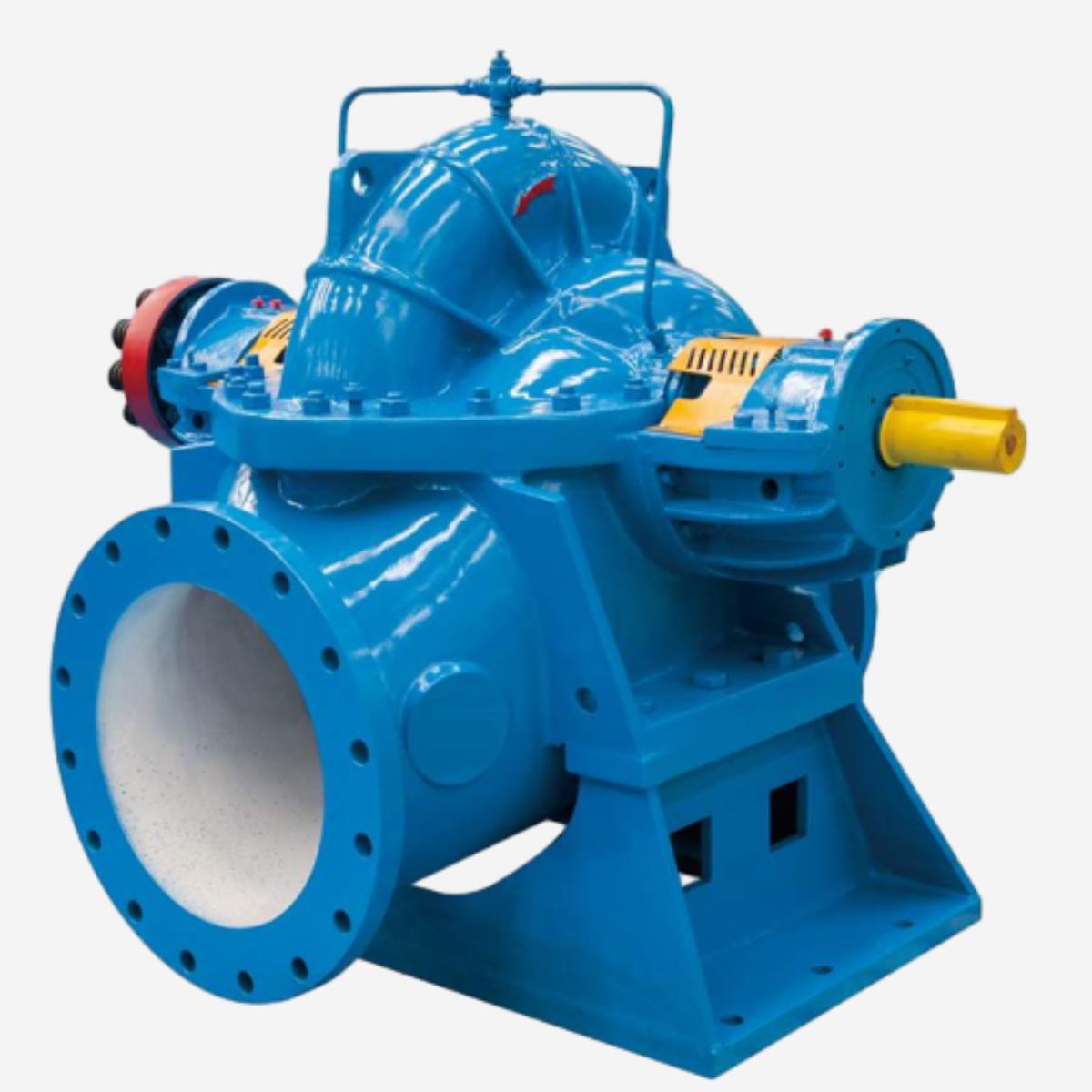
Introduction
Chemical resistant centrifugal pumps are a critical component in numerous industrial processes involving corrosive fluids. These pumps are engineered to transport liquids that would rapidly degrade or compromise the integrity of standard pump materials. Their technical position within the chemical processing industry chain is central – acting as a key enabler for fluid transfer in production, waste treatment, and safety systems. Core performance characteristics, distinguishing these pumps from standard centrifugal designs, include material selection optimized for chemical compatibility, specialized sealing systems to prevent leakage of hazardous substances, and often, robust construction to withstand the physical stresses associated with corrosive environments. The industry faces significant pain points concerning pump failure due to unexpected chemical interactions, leading to costly downtime and potential environmental hazards. Therefore, understanding the nuances of material science, manufacturing processes, and performance parameters is paramount for effective implementation and long-term reliability.
Material Science & Manufacturing
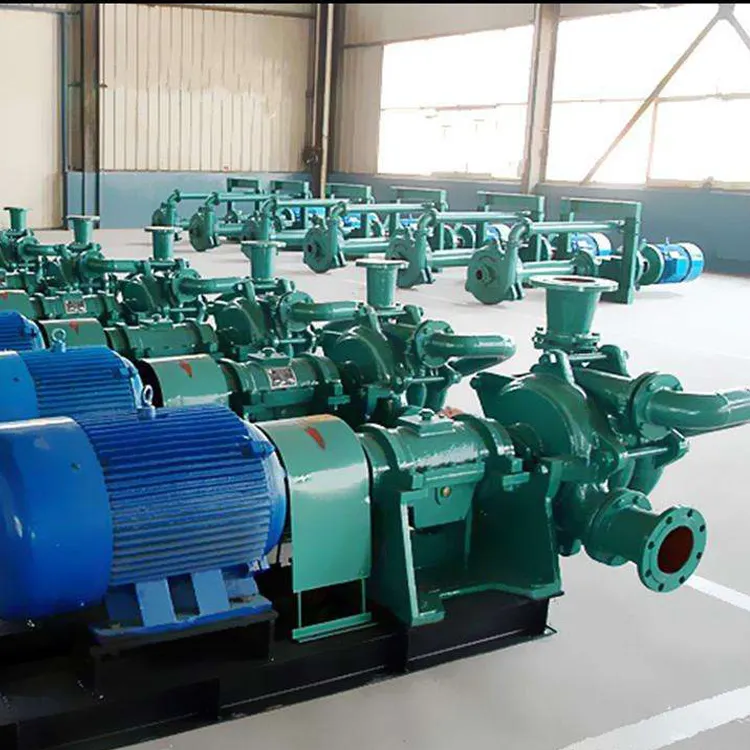
The selection of materials is the foundational element in constructing a chemical resistant centrifugal pump. Common wetted parts materials include polymers like PTFE (Polytetrafluoroethylene), PFA (Perfluoroalkoxy), PVDF (Polyvinylidene Fluoride), and chemically resistant alloys such as Hastelloy, Alloy 20, and various grades of stainless steel (316, 317L). PTFE, PFA, and PVDF offer excellent resistance to a broad range of aggressive chemicals but have limitations in mechanical strength and temperature tolerance. Hastelloy and Alloy 20 provide superior strength and corrosion resistance but are significantly more expensive. Stainless steel, particularly 316 and 317L, offers a good balance of properties for many applications, though specific chemical compatibility must be verified. Manufacturing processes are critical to maintaining material integrity. Pump housings are frequently created via investment casting or sand casting for alloy components, ensuring precise dimensions and minimal porosity. Polymer components are typically injection molded. Welding, when employed (e.g., for joining metal components), requires specialized techniques (e.g., GTAW – Gas Tungsten Arc Welding) and filler metals chosen for compatibility with the base metal and the transported fluid. Parameter control during injection molding, specifically temperature, pressure, and cooling rates, impacts the crystallinity and subsequent chemical resistance of the polymer. Surface finishing, such as electropolishing for stainless steel, further enhances corrosion resistance by removing surface imperfections that can initiate corrosion.
Performance & Engineering
Performance evaluation of chemical resistant centrifugal pumps extends beyond standard hydraulic efficiency considerations. Force analysis must account for potential corrosion-induced weakening of components over time. Environmental resistance assessment requires rigorous testing under simulated operating conditions, including exposure to the target chemical at various concentrations and temperatures. Compliance requirements often dictate specific material certifications and testing protocols, especially in industries such as pharmaceuticals and food processing. A critical engineering aspect is the design of the mechanical seal. Traditional seals can fail rapidly when exposed to corrosive fluids. Therefore, designs incorporating advanced materials like silicon carbide or ceramic seal faces, coupled with appropriate barrier fluids, are employed. The pump’s Net Positive Suction Head Required (NPSHr) must be carefully calculated to prevent cavitation, which can accelerate corrosion and damage impeller surfaces. Furthermore, the pump’s volute casing and impeller geometry are optimized to minimize turbulence and erosion, particularly when handling fluids containing abrasive particles. Finite element analysis (FEA) is frequently used to model stress distribution within the pump components and predict potential failure points under varying operating conditions. Proper pump alignment is also critical to minimize vibration and bearing wear, contributing to overall longevity.
Technical Specifications
| Material of Construction (Wetted Parts) | Maximum Operating Pressure (psi) | Temperature Range (°C) | Flow Rate (GPM) |
|---|---|---|---|
| PTFE Lined | 150 | -20 to 150 | 0-100 |
| PVDF | 200 | -40 to 120 | 20-200 |
| 316 Stainless Steel | 300 | -30 to 200 | 50-500 |
| Hastelloy C-276 | 400 | -60 to 260 | 100-800 |
| Alloy 20 | 350 | -50 to 230 | 75-600 |
| Ceramic/PTFE | 180 | -20 to 180 | 10-150 |
Failure Mode & Maintenance
Common failure modes in chemical resistant centrifugal pumps include corrosion-induced pitting and erosion of pump components, seal failure leading to leakage, bearing failure due to contamination or overload, and impeller cavitation. Pitting corrosion is often localized and can rapidly penetrate pump housing or impeller material. Erosion occurs when abrasive particles within the fluid impinge on pump surfaces, gradually wearing away material. Seal failure is frequently linked to chemical incompatibility with seal materials or improper installation. Bearing failure can result from inadequate lubrication, contamination by process fluids, or excessive vibration. Cavitation, caused by insufficient NPSH, forms vapor bubbles that collapse violently, causing pitting and erosion. Preventative maintenance is crucial. Regular inspection of pump components for signs of corrosion or wear is essential. Seal replacement should follow a scheduled preventative maintenance program. Lubrication of bearings must be performed according to manufacturer’s specifications. Periodic vibration analysis can detect developing bearing issues before catastrophic failure. Flushing the pump with a compatible solvent between uses can remove residual chemicals and prevent corrosion. Proper storage of spare parts is also vital to ensure their availability when needed. Detailed failure analysis, including metallurgical examination of failed components, is recommended to identify root causes and implement corrective actions.
Industry FAQ
Q: What is the primary difference between a standard centrifugal pump and a chemical resistant centrifugal pump when handling hydrochloric acid?
A: The primary difference lies in the materials of construction. A standard centrifugal pump utilizing cast iron or carbon steel will rapidly corrode in hydrochloric acid environments. A chemical resistant pump specifically designed for hydrochloric acid will employ materials like PTFE lining, PVDF, or specialized alloys such as Hastelloy C-276, which exhibit excellent resistance to hydrochloric acid attack. The seal materials will also be selected for compatibility, typically utilizing PTFE or ceramic components.
Q: How does the concentration of the chemical affect material selection for the pump?
A: Chemical resistance is highly dependent on concentration. Higher concentrations typically require more robust and expensive materials. For example, while 316 stainless steel may be suitable for dilute sulfuric acid, concentrated sulfuric acid necessitates the use of Hastelloy or tantalum. Material compatibility charts should be consulted, and testing performed to verify suitability for the specific chemical and concentration.
Q: What preventative measures can be taken to mitigate the risk of impeller cavitation in a chemical resistant pump?
A: Maintaining adequate Net Positive Suction Head Available (NPSHa) is paramount. This involves ensuring sufficient inlet pressure and minimizing suction line losses. Optimizing pump speed can also help reduce cavitation risk. Regular inspection of the impeller for signs of cavitation damage (pitting) is crucial. Consider using an impeller design less susceptible to cavitation.
Q: What is the role of barrier fluids in the mechanical seal of a chemical resistant pump?
A: Barrier fluids provide lubrication, cooling, and a positive pressure to prevent the ingress of process fluid into the seal chamber. They also help remove heat generated by friction. The barrier fluid must be chemically compatible with both the process fluid and the seal materials. Proper barrier fluid selection and maintenance are vital for long seal life.
Q: How often should the mechanical seal be inspected and replaced in a demanding chemical service application?
A: The inspection frequency depends on the severity of the service and the seal type. As a general guideline, seals should be inspected at least annually during scheduled maintenance. In highly corrosive or abrasive applications, more frequent inspections (e.g., quarterly) may be necessary. Replacement should occur proactively based on inspection findings or according to manufacturer’s recommendations, rather than waiting for a complete failure.
Conclusion
Chemical resistant centrifugal pumps represent a sophisticated engineering solution for reliably handling corrosive fluids in demanding industrial environments. Successful implementation hinges on a thorough understanding of material science, meticulous manufacturing practices, and diligent adherence to preventative maintenance protocols. The selection of appropriate materials, guided by rigorous chemical compatibility analysis, is paramount. Maintaining optimal operating conditions, including sufficient NPSH and proper seal performance, ensures long-term reliability and minimizes costly downtime.
Future advancements in pump technology will likely focus on developing new materials with enhanced corrosion resistance, optimizing impeller designs to reduce cavitation risk, and incorporating smart sensor technology for real-time monitoring of pump performance and predictive maintenance. The continued demand for efficient and reliable fluid handling solutions in the chemical processing, pharmaceutical, and other industries will drive innovation in this critical area of industrial engineering.
-
Precision at the Pump: How Better Machining Protects Flow and Uptime
News2026-11-20
-
Why Pump Reliability Begins Before the First Drop of Fluid
News2026-11-20
-
Beyond the Pump: Designing Safer Access Around Critical Water Infrastructure
News2026-11-20
-
Why Pumping Stations Depend on the Infrastructure Beneath the Pumps
News2026-11-20
-
Beyond the Pump Room: How Smarter Loading Protects Industrial Equipment
News2026-11-19
-
When Pumps Stop: Designing More Resilient Power for Critical Pumping Systems
News2026-11-19
-
The Hidden Role of Dust and Gas Monitoring in Reliable Pump Operations
News2026-11-19
-
The Hidden Role of Mineral Compounds in Extending Industrial Pump Lifespan
News2026-10-12
-
Why Pump System Reliability Depends on Precision Hose Assembly Methods
News2026-09-15
-
How Advanced Imaging Films Are Transforming Pump Component Quality Control
News2026-08-25
-
How Advanced Filtration Protects Pump Systems from Premature Wear and Costly Downtime
News2026-08-25
-
How Steel Material Selection Drives Pump Reliability in Heavy-Duty Systems
News2026-08-25
-
Ensuring Pump System Efficiency: The Role of High-Quality Pipe Fittings and Tubing
News2026-08-24
-
Optimizing Fluid Dynamics and Material Consistency in Industrial Processing
News2026-08-18
-
Innovations and Challenges in Hydraulic Systems for Heavy Machinery
News2026-08-13




