English
- Afrikaans
- Albanian
- Amharic
- Arabic
- Armenian
- Azerbaijani
- Basque
- Belarusian
- Bengali
- Bosnian
- Bulgarian
- Catalan
- Cebuano
- Corsican
- Croatian
- Czech
- Danish
- Dutch
- English
- Esperanto
- Estonian
- Finnish
- French
- Frisian
- Galician
- Georgian
- German
- Greek
- Gujarati
- Haitian Creole
- hausa
- hawaiian
- Hebrew
- Hindi
- Miao
- Hungarian
- Icelandic
- igbo
- Indonesian
- irish
- Italian
- Japanese
- Javanese
- Kannada
- kazakh
- Khmer
- Rwandese
- Korean
- Kurdish
- Kyrgyz
- Lao
- Latin
- Latvian
- Lithuanian
- Luxembourgish
- Macedonian
- Malgashi
- Malay
- Malayalam
- Maltese
- Maori
- Marathi
- Mongolian
- Myanmar
- Nepali
- Norwegian
- Norwegian
- Occitan
- Pashto
- Persian
- Polish
- Portuguese
- Punjabi
- Romanian
- Russian
- Samoan
- Scottish Gaelic
- Serbian
- Sesotho
- Shona
- Sindhi
- Sinhala
- Slovak
- Slovenian
- Somali
- Spanish
- Sundanese
- Swahili
- Swedish
- Tagalog
- Tajik
- Tamil
- Tatar
- Telugu
- Thai
- Turkish
- Turkmen
- Ukrainian
- Urdu
- Uighur
- Uzbek
- Vietnamese
- Welsh
- Bantu
- Yiddish
- Yoruba
- Zulu

Telephone: +86 13120555503
Email: frank@cypump.com


Apr . 01, 2024 17:55 Back to list
chemical pumps Performance Analysis
Introduction
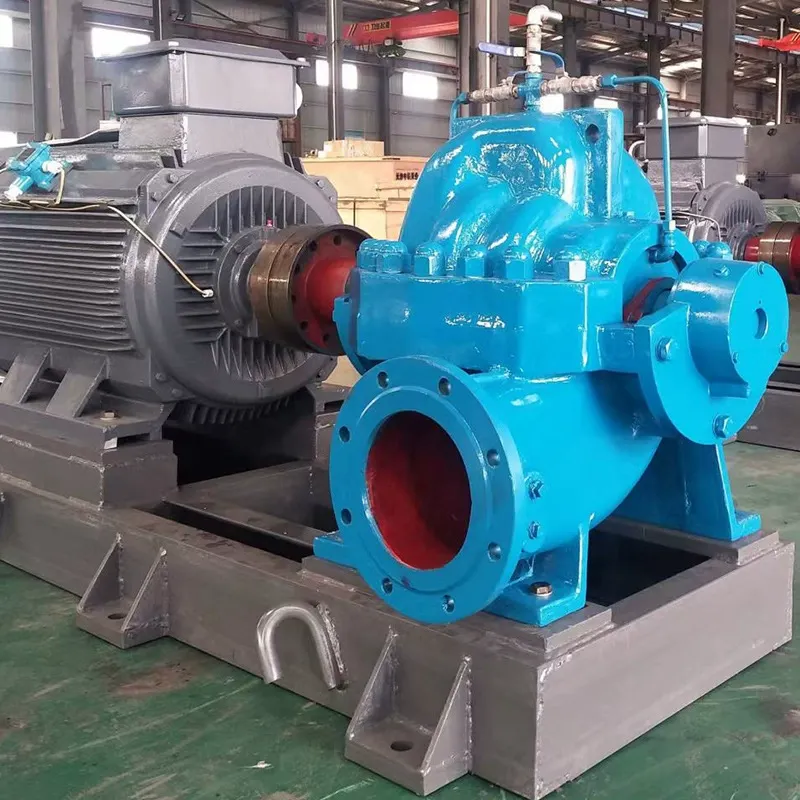
Chemical pumps are specialized centrifugal or positive displacement pumps engineered for the transfer of corrosive and hazardous chemicals. Distinguished from standard pumps by their material composition and sealing arrangements, they occupy a critical position within the broader fluid handling industry, serving chemical processing, water & wastewater treatment, pharmaceuticals, and oil & gas sectors. Core performance characteristics encompass flow rate (gallons per minute or liters per minute), head (feet or meters), and the ability to maintain suction lift under varying conditions. A primary challenge within this industry is achieving reliable, leak-free operation while preventing material degradation from prolonged exposure to aggressive media. The selection criteria extend beyond simple fluid transfer rates, demanding a detailed understanding of the chemical’s properties, temperature, pressure, and any particulate content. This guide provides an in-depth technical analysis of chemical pumps, covering materials, manufacturing, performance, failure modes, and industry standards.
Material Science & Manufacturing
The construction of chemical pumps relies heavily on material compatibility with the intended fluid. Common wetted parts materials include Polypropylene (PP) offering good resistance to acids and alkalis but limited temperature range (typically up to 80°C); Polyvinylidene Fluoride (PVDF) providing broader chemical resistance and temperature stability (up to 150°C); and Fluoropolymers like PTFE (Teflon) exhibiting exceptional chemical inertness and high-temperature resistance (up to 260°C), though often used as linings due to cost. Stainless steels (316, 304) are utilized where corrosion resistance is needed and the fluid isn’t excessively aggressive. For highly corrosive environments, exotic alloys like Hastelloy and Titanium are employed, despite their high cost. Manufacturing processes vary based on pump type. Centrifugal pumps involve precision casting or forging of impellers and volutes, followed by machining and polishing to achieve tight tolerances and smooth surface finishes to minimize friction and cavitation. Positive displacement pumps (diaphragm, peristaltic, gear) utilize injection molding for polymer components and precision machining for metallic parts. Key parameter control during manufacturing includes dimensional accuracy of impeller blades, concentricity of pump shaft, and the surface roughness of wetted parts. Welding processes, where applicable, must adhere to stringent standards (e.g., ASME Section IX) to ensure joint integrity and prevent intergranular corrosion. Sealless pump designs, employing magnetic drives, require precise alignment of magnets and robust encapsulation to prevent leakage. Material certificates conforming to ASTM standards are critical for traceability and quality control.
Performance & Engineering
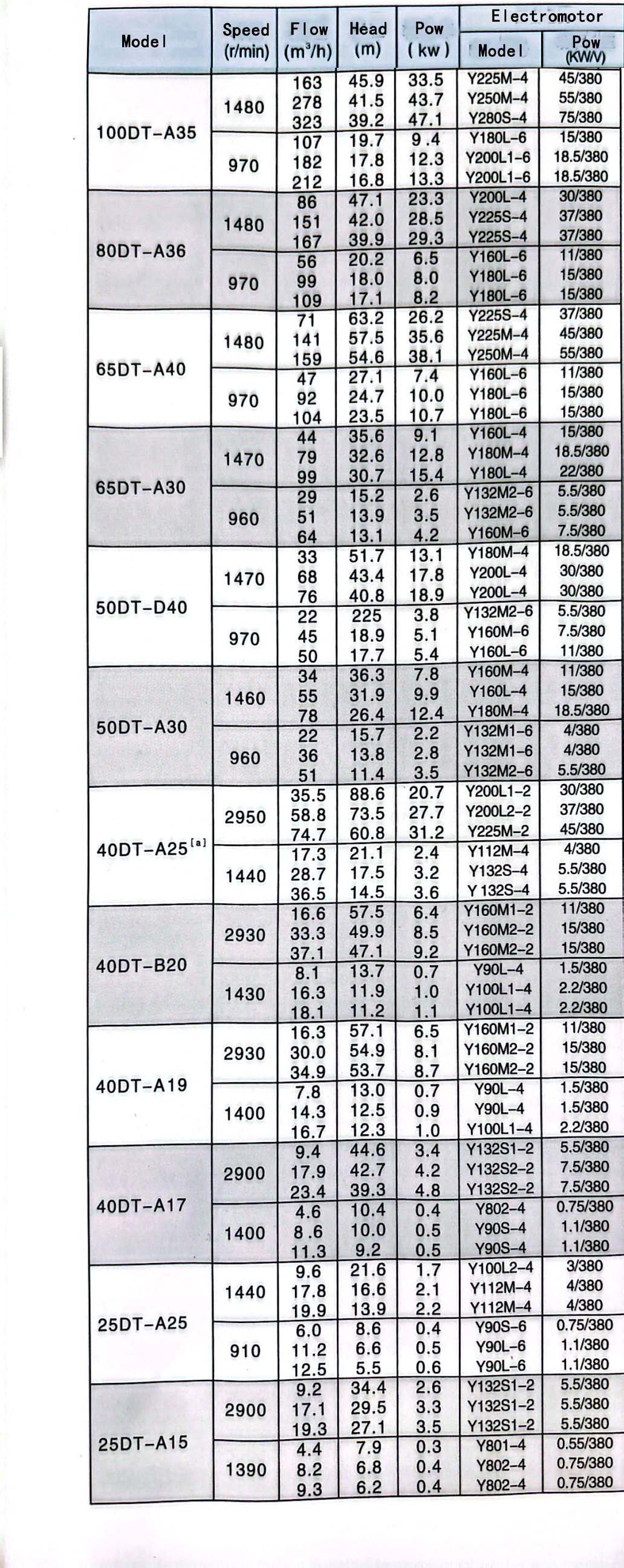
Chemical pump performance is dictated by fluid properties (viscosity, density, specific gravity, vapor pressure), system head (static and dynamic), and required flow rate. Force analysis considers centrifugal forces on the impeller, hydrodynamic forces on the volute, and bearing loads. Cavitation, a major performance concern, occurs when the absolute pressure at the pump inlet falls below the liquid’s vapor pressure, forming vapor bubbles that collapse and damage the impeller. Net Positive Suction Head Required (NPSHr) is a critical parameter; it must be less than the Net Positive Suction Head Available (NPSHa) in the system to prevent cavitation. Environmental resistance is paramount; pumps operating outdoors require corrosion protection, temperature control, and sealing systems designed to withstand extreme weather conditions. Compliance requirements are extensive, encompassing OSHA regulations for worker safety, EPA guidelines for environmental protection, and industry-specific standards (e.g., ANSI/ASME B73.1 for centrifugal pumps). Functional implementation involves careful consideration of piping arrangements, strainer selection to prevent solids ingress, and the integration of control systems (PLC, VFD) for automated operation and process monitoring. Pumps handling shear-sensitive fluids require low-shear pump designs (e.g., peristaltic) to avoid product degradation. Pump curves, provided by manufacturers, detail the relationship between flow rate, head, power consumption, and efficiency.
Technical Specifications
| Parameter | Centrifugal Pump (PP) | Diaphragm Pump (PVDF) | Gear Pump (316 SS) | Magnetic Drive Pump (PTFE Lined) |
|---|---|---|---|---|
| Maximum Flow Rate (GPM) | 200 | 60 | 100 | 150 |
| Maximum Head (ft) | 100 | 80 | 150 | 120 |
| Maximum Temperature (°C) | 80 | 100 | 180 | 200 |
| Solids Handling Capacity (mm) | 5 | 3 | 1 | 0 |
| Viscosity Range (cP) | 1-1000 | 1-2000 | 1-500 | 1-100 |
| Chemical Compatibility | Acids, Alkalis | Broad Range | Mildly Corrosive | Highly Corrosive |
Failure Mode & Maintenance
Common failure modes in chemical pumps include impeller cracking due to cavitation erosion, bearing failure from improper lubrication or excessive loads, seal leakage resulting from chemical attack or wear, and corrosion-induced material degradation. Fatigue cracking can occur in pump casings and impellers subjected to cyclical loading. Diaphragm pumps are susceptible to diaphragm rupture due to overpressure or chemical incompatibility. Gear pumps can experience gear tooth wear and seizure. Failure analysis often involves visual inspection, non-destructive testing (NDT) like ultrasonic testing and dye penetrant inspection, and metallurgical analysis to identify the root cause. Preventive maintenance is crucial. This includes regular lubrication of bearings, inspection of seals and gaskets, monitoring of vibration levels, and periodic flushing of pump casings to remove deposits. Seal replacement is a common maintenance task, requiring careful selection of compatible materials. Impeller balancing can address vibration issues. For sealless pumps, monitoring magnetic coupling integrity is essential. A robust maintenance schedule, documented in a CMMS (Computerized Maintenance Management System), is vital for maximizing pump life and minimizing downtime. Regular performance monitoring (flow rate, pressure, power consumption) can provide early warning signs of potential problems.
Industry FAQ
Q: What are the key considerations when selecting a chemical pump for sulfuric acid service?
A: Sulfuric acid is highly corrosive, particularly at elevated temperatures. Material selection is paramount. PTFE-lined pumps or pumps constructed from Hastelloy C-276 are typically recommended. Ensure the pump’s sealing arrangement is designed for zero leakage, and consider using a double mechanical seal with a barrier fluid. Regularly inspect the pump for signs of corrosion and implement a rigorous preventive maintenance program.
Q: How does the viscosity of the pumped fluid affect pump performance and selection?
A: Higher viscosity fluids reduce pump flow rate and increase power consumption. Centrifugal pumps become less efficient with increasing viscosity. Positive displacement pumps (gear, diaphragm) are generally better suited for viscous fluids. Pump sizing must account for the fluid’s viscosity, and appropriate motor horsepower should be selected.
Q: What are the advantages and disadvantages of sealless magnetic drive pumps?
A: Sealless pumps eliminate the risk of seal leakage, making them ideal for handling hazardous chemicals. They offer lower maintenance costs and improved environmental safety. However, they are generally more expensive than mechanically sealed pumps, and the magnetic coupling can be susceptible to demagnetization if exposed to extreme temperatures or strong magnetic fields.
Q: How can I prevent cavitation in a centrifugal chemical pump?
A: Ensure adequate Net Positive Suction Head Available (NPSHa) by optimizing pump installation height, reducing pipe friction losses, and controlling fluid temperature. Avoid operating the pump outside its recommended flow range. Monitor pump inlet pressure and vibration levels for signs of cavitation.
Q: What are the important considerations for cleaning and maintaining a chemical pump after handling different fluids?
A: Thoroughly flush the pump with a compatible cleaning agent after each use to remove residual chemicals. Refer to the pump manufacturer's recommendations for suitable cleaning fluids. Inspect all wetted parts for corrosion or damage. Lubricate bearings as needed, and replace seals and gaskets as part of a routine maintenance schedule.
Conclusion
The successful application of chemical pumps hinges on a thorough understanding of material science, fluid dynamics, and process requirements. Precise material selection, informed by chemical compatibility charts and operational parameters, is fundamental to ensuring long-term reliability and preventing catastrophic failures. Proper installation, regular maintenance, and adherence to industry standards are equally crucial for maximizing pump uptime and minimizing environmental risks.
Looking ahead, advancements in pump technology will likely focus on developing more robust materials, optimizing pump designs for enhanced energy efficiency, and integrating smart sensors for predictive maintenance. The ongoing drive for sustainability will also promote the adoption of sealless pump technologies and closed-loop fluid handling systems. The careful consideration of these factors will enable industries to effectively and safely manage their chemical processing operations.
-
Precision at the Pump: How Better Machining Protects Flow and Uptime
News2026-11-20
-
Why Pump Reliability Begins Before the First Drop of Fluid
News2026-11-20
-
Beyond the Pump: Designing Safer Access Around Critical Water Infrastructure
News2026-11-20
-
Why Pumping Stations Depend on the Infrastructure Beneath the Pumps
News2026-11-20
-
Beyond the Pump Room: How Smarter Loading Protects Industrial Equipment
News2026-11-19
-
When Pumps Stop: Designing More Resilient Power for Critical Pumping Systems
News2026-11-19
-
The Hidden Role of Dust and Gas Monitoring in Reliable Pump Operations
News2026-11-19
-
The Hidden Role of Mineral Compounds in Extending Industrial Pump Lifespan
News2026-10-12
-
Why Pump System Reliability Depends on Precision Hose Assembly Methods
News2026-09-15
-
How Advanced Imaging Films Are Transforming Pump Component Quality Control
News2026-08-25
-
How Advanced Filtration Protects Pump Systems from Premature Wear and Costly Downtime
News2026-08-25
-
How Steel Material Selection Drives Pump Reliability in Heavy-Duty Systems
News2026-08-25
-
Ensuring Pump System Efficiency: The Role of High-Quality Pipe Fittings and Tubing
News2026-08-24
-
Optimizing Fluid Dynamics and Material Consistency in Industrial Processing
News2026-08-18
-
Innovations and Challenges in Hydraulic Systems for Heavy Machinery
News2026-08-13




