English
- Afrikaans
- Albanian
- Amharic
- Arabic
- Armenian
- Azerbaijani
- Basque
- Belarusian
- Bengali
- Bosnian
- Bulgarian
- Catalan
- Cebuano
- Corsican
- Croatian
- Czech
- Danish
- Dutch
- English
- Esperanto
- Estonian
- Finnish
- French
- Frisian
- Galician
- Georgian
- German
- Greek
- Gujarati
- Haitian Creole
- hausa
- hawaiian
- Hebrew
- Hindi
- Miao
- Hungarian
- Icelandic
- igbo
- Indonesian
- irish
- Italian
- Japanese
- Javanese
- Kannada
- kazakh
- Khmer
- Rwandese
- Korean
- Kurdish
- Kyrgyz
- Lao
- Latin
- Latvian
- Lithuanian
- Luxembourgish
- Macedonian
- Malgashi
- Malay
- Malayalam
- Maltese
- Maori
- Marathi
- Mongolian
- Myanmar
- Nepali
- Norwegian
- Norwegian
- Occitan
- Pashto
- Persian
- Polish
- Portuguese
- Punjabi
- Romanian
- Russian
- Samoan
- Scottish Gaelic
- Serbian
- Sesotho
- Shona
- Sindhi
- Sinhala
- Slovak
- Slovenian
- Somali
- Spanish
- Sundanese
- Swahili
- Swedish
- Tagalog
- Tajik
- Tamil
- Tatar
- Telugu
- Thai
- Turkish
- Turkmen
- Ukrainian
- Urdu
- Uighur
- Uzbek
- Vietnamese
- Welsh
- Bantu
- Yiddish
- Yoruba
- Zulu

Telephone: +86 13120555503
Email: frank@cypump.com


Apr . 01, 2024 17:55 Back to list
chemical pump Material Science
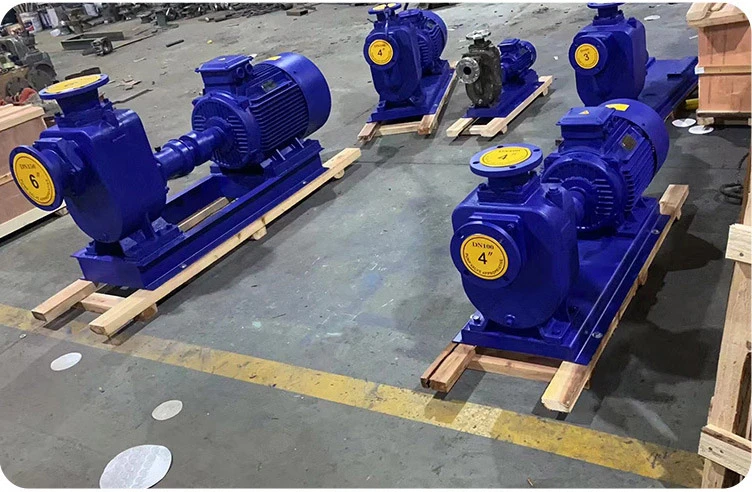
Introduction
Chemical pumps are engineered devices designed for the reliable and efficient transfer of corrosive, abrasive, or otherwise hazardous chemicals. Unlike general-purpose pumps, chemical pumps prioritize material compatibility, leak prevention, and operational safety within chemically aggressive environments. Positioned within the broader process industry chain – typically following chemical reactors, storage tanks, and preceding downstream processing units – their performance directly impacts process efficiency, product quality, and plant safety. Core performance metrics include flow rate, head (pressure), suction lift, net positive suction head required (NPSHr), and the ability to maintain seal integrity under demanding conditions. The selection of a suitable chemical pump is crucial, as improper material choices can lead to rapid degradation, leakage, and potential environmental or safety incidents. This guide will detail the material science, manufacturing processes, performance characteristics, failure modes, and maintenance protocols for chemical pumps, providing a comprehensive technical overview for industry professionals.
Material Science & Manufacturing
The construction of chemical pumps necessitates careful material selection to resist chemical attack and maintain structural integrity. Common wetted parts materials include Polypropylene (PP), Polyvinylidene Fluoride (PVDF), Polytetrafluoroethylene (PTFE), Alloy 20 (a nickel-iron-chromium alloy), and various grades of stainless steel (316, 316L). PP offers excellent resistance to acids and bases but has limited temperature and pressure capabilities. PVDF provides a broader chemical resistance range and improved mechanical properties. PTFE, while exceptionally inert, suffers from creep and limited dimensional stability. Alloy 20 and stainless steels are chosen for high-temperature, high-pressure applications and compatibility with specific aggressive media. The pump housing is often manufactured using injection molding (for plastics) or investment casting (for metals). Impellers can be produced via machining, molding, or forging. Seals are a critical component, commonly utilizing mechanical seals with barrier fluids to prevent process fluid leakage and protect the seal faces. Manufacturing parameter control is paramount. For injection molding, mold temperature, injection pressure, and cooling rates must be precisely regulated to achieve desired part dimensions and minimize internal stresses. For metal components, heat treatment processes are vital for achieving optimal hardness, ductility, and corrosion resistance. Welding processes, if employed, require qualified welders and adherence to stringent quality control procedures to ensure weld integrity and prevent corrosion initiation points. Material certifications (traceability to material standards) are essential for verification of chemical compatibility.
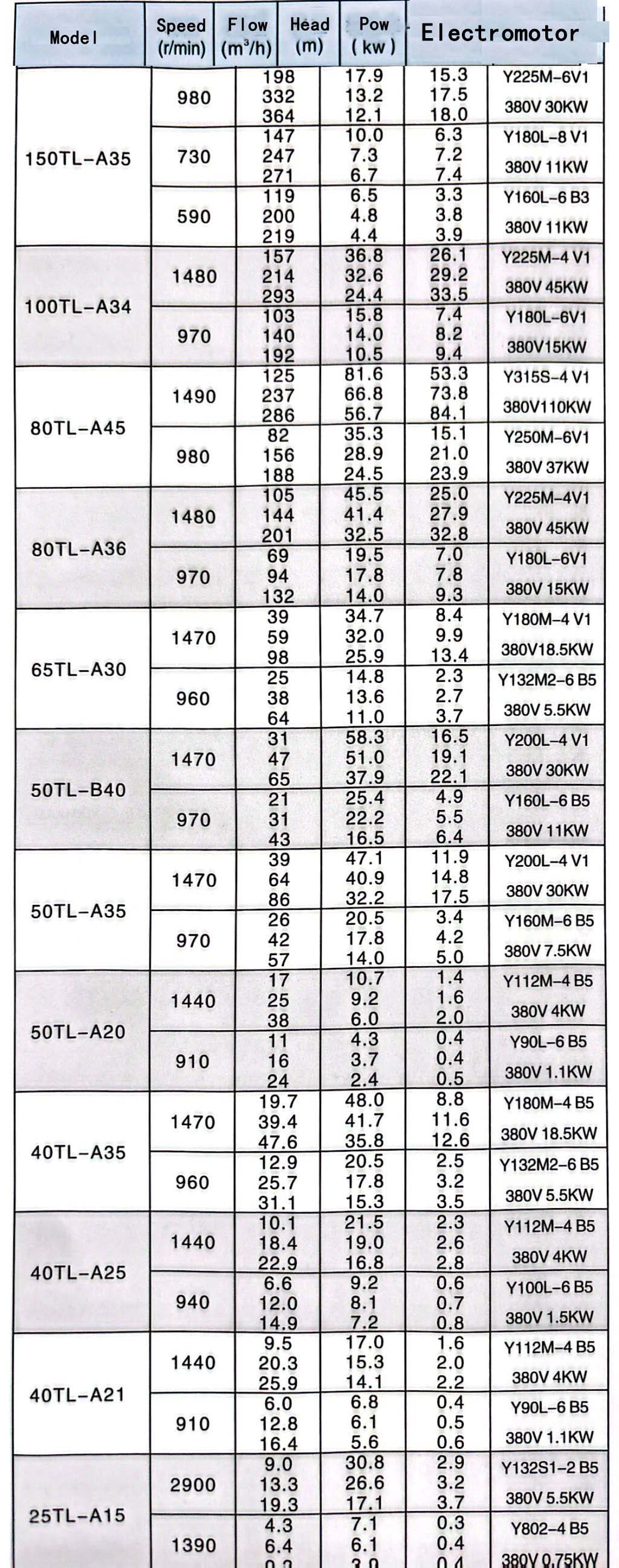
Performance & Engineering
Chemical pump performance is fundamentally governed by fluid dynamics principles. Force analysis focuses on the impeller’s rotational energy transfer to the fluid, calculating pressure head, flow rate, and power requirements. Hydraulic Institute standards define pump performance curves, illustrating the relationship between flow rate, head, and efficiency. Environmental resistance is a key engineering consideration. Pumps operating in corrosive atmospheres require appropriate external coatings (e.g., epoxy, PTFE) to prevent external corrosion. Temperature fluctuations cause thermal expansion and contraction, requiring careful design of piping connections and pump mounting to avoid stress on the pump housing and seals. Compliance requirements vary depending on the application and geographic location. Pumps handling flammable liquids must meet ATEX (Europe) or NEC (North America) standards for explosion-proof construction. Pumps used in food processing or pharmaceutical applications must comply with FDA regulations regarding material biocompatibility and sanitary design. Functional implementation involves selecting the appropriate pump type (centrifugal, positive displacement, diaphragm) based on fluid viscosity, flow rate requirements, and desired pressure. Centrifugal pumps are common for high-flow, low-to-medium pressure applications, while positive displacement pumps excel at handling viscous fluids and maintaining precise flow control. NPSHr calculations are critical to prevent cavitation, which can damage the impeller and reduce pump efficiency.
Technical Specifications
| Parameter | Typical Range (Centrifugal Pump) | Typical Range (Diaphragm Pump) | Typical Range (Magnetic Drive Pump) |
|---|---|---|---|
| Flow Rate (GPM) | 10 - 500 | 1 - 100 | 5 - 300 |
| Head (ft) | 20 - 200 | 0 - 80 | 0 - 150 |
| Maximum Temperature (°F) | 250 (PP/PVDF) - 400 (SS/Alloy 20) | 200 (Neoprene) - 250 (PTFE) | 250 (PP/PVDF) - 400 (SS/Alloy 20) |
| Maximum Pressure (PSI) | 150 (PP/PVDF) - 300 (SS/Alloy 20) | 100 (Neoprene) - 150 (PTFE) | 150 (PP/PVDF) - 300 (SS/Alloy 20) |
| Viscosity (cP) | Up to 200 | Up to 20,000 | Up to 500 |
| Solids Handling (Particle Size) | Up to 0.125" (open impeller) | Up to 0.25" | Up to 0.0625" |
Failure Mode & Maintenance
Chemical pumps are susceptible to several failure modes. Fatigue cracking can occur in the pump housing or impeller due to cyclic loading and corrosive attack. Delamination of polymeric liners can result from improper bonding or chemical incompatibility. Degradation of seals is a common issue, leading to leakage and loss of containment. Oxidation of metal components can weaken their structural integrity. Cavitation, as previously mentioned, causes impeller erosion and reduced pump performance. Regular preventative maintenance is crucial. This includes visual inspections for leaks, corrosion, and physical damage. Seal replacement should be performed according to the manufacturer’s recommendations, based on process fluid compatibility and operating conditions. Lubrication of bearings is essential to minimize friction and wear. Periodic performance monitoring (flow rate, pressure, vibration analysis) can detect early signs of degradation. Flush plans for mechanical seals (API 682) should be maintained to ensure proper barrier fluid flow and heat removal. For diaphragm pumps, diaphragm rupture is a frequent failure point, requiring timely replacement. Detailed records of maintenance activities, including component replacements and performance data, are vital for tracking pump reliability and identifying recurring issues.
Industry FAQ
Q: What material is best suited for handling concentrated sulfuric acid at elevated temperatures?
A: Alloy 20 is generally considered the most suitable material for handling concentrated sulfuric acid at elevated temperatures. It offers excellent resistance to corrosion from sulfuric acid across a wide range of concentrations and temperatures. However, specific operating conditions (concentration, temperature, velocity) should be carefully considered, and consultation with a materials engineer is recommended.
Q: How can I minimize the risk of cavitation in a centrifugal chemical pump?
A: Minimizing cavitation requires ensuring adequate Net Positive Suction Head Available (NPSHa) exceeds the pump's Net Positive Suction Head Required (NPSHr). This can be achieved by lowering the liquid level in the suction tank, reducing suction line losses (e.g., using larger diameter piping, minimizing bends), and/or increasing the pump's speed. Additionally, avoid throttling the suction side of the pump.
Q: What are the advantages of using a magnetic drive chemical pump?
A: Magnetic drive pumps eliminate the need for a mechanical seal, removing a common source of leakage. This makes them ideal for handling highly toxic or hazardous chemicals. They also require less maintenance as there are fewer wearing parts. However, magnetic drive pumps typically have lower pressure and temperature capabilities compared to mechanically sealed pumps.
Q: What is a double mechanical seal, and why is it used in chemical pump applications?
A: A double mechanical seal consists of two mechanical seals arranged in series, with a barrier fluid circulating between them. This configuration provides an extra layer of protection against leakage. If the primary seal fails, the secondary seal prevents the process fluid from escaping. The barrier fluid also lubricates and cools the seal faces. They’re crucial for safety and environmental protection.
Q: How do I determine the appropriate pump capacity for a given application?
A: Determining pump capacity requires a thorough understanding of the process requirements. Consider the required flow rate, discharge pressure, fluid viscosity, and specific gravity. Account for potential future increases in demand. Select a pump with a capacity that meets the maximum flow rate requirement while operating within its optimal efficiency range. Consult pump performance curves to ensure proper selection.
Conclusion
Chemical pump selection and maintenance are critical components of safe and efficient chemical processing. The correct material choices, informed by a deep understanding of chemical compatibility and operating conditions, are paramount to prevent corrosion, leakage, and catastrophic failure. Proper engineering design, including adherence to relevant industry standards and meticulous attention to NPSHr calculations, ensures optimal pump performance and longevity. Implementing a robust preventative maintenance program, encompassing regular inspections, seal replacements, and performance monitoring, minimizes downtime and extends the pump’s service life.
Moving forward, advancements in materials science will likely yield even more corrosion-resistant alloys and polymers, enabling pumps to handle increasingly aggressive chemicals. Digitalization, including the integration of sensors and data analytics, will facilitate predictive maintenance and optimize pump performance in real-time. Continued adherence to best practices in material selection, design, and maintenance will remain essential for maintaining the reliability and safety of chemical processing operations.
-
Precision at the Pump: How Better Machining Protects Flow and Uptime
News2026-11-20
-
Why Pump Reliability Begins Before the First Drop of Fluid
News2026-11-20
-
Beyond the Pump: Designing Safer Access Around Critical Water Infrastructure
News2026-11-20
-
Why Pumping Stations Depend on the Infrastructure Beneath the Pumps
News2026-11-20
-
Beyond the Pump Room: How Smarter Loading Protects Industrial Equipment
News2026-11-19
-
When Pumps Stop: Designing More Resilient Power for Critical Pumping Systems
News2026-11-19
-
The Hidden Role of Dust and Gas Monitoring in Reliable Pump Operations
News2026-11-19
-
The Hidden Role of Mineral Compounds in Extending Industrial Pump Lifespan
News2026-10-12
-
Why Pump System Reliability Depends on Precision Hose Assembly Methods
News2026-09-15
-
How Advanced Imaging Films Are Transforming Pump Component Quality Control
News2026-08-25
-
How Advanced Filtration Protects Pump Systems from Premature Wear and Costly Downtime
News2026-08-25
-
How Steel Material Selection Drives Pump Reliability in Heavy-Duty Systems
News2026-08-25
-
Ensuring Pump System Efficiency: The Role of High-Quality Pipe Fittings and Tubing
News2026-08-24
-
Optimizing Fluid Dynamics and Material Consistency in Industrial Processing
News2026-08-18
-
Innovations and Challenges in Hydraulic Systems for Heavy Machinery
News2026-08-13




