English
- Afrikaans
- Albanian
- Amharic
- Arabic
- Armenian
- Azerbaijani
- Basque
- Belarusian
- Bengali
- Bosnian
- Bulgarian
- Catalan
- Cebuano
- Corsican
- Croatian
- Czech
- Danish
- Dutch
- English
- Esperanto
- Estonian
- Finnish
- French
- Frisian
- Galician
- Georgian
- German
- Greek
- Gujarati
- Haitian Creole
- hausa
- hawaiian
- Hebrew
- Hindi
- Miao
- Hungarian
- Icelandic
- igbo
- Indonesian
- irish
- Italian
- Japanese
- Javanese
- Kannada
- kazakh
- Khmer
- Rwandese
- Korean
- Kurdish
- Kyrgyz
- Lao
- Latin
- Latvian
- Lithuanian
- Luxembourgish
- Macedonian
- Malgashi
- Malay
- Malayalam
- Maltese
- Maori
- Marathi
- Mongolian
- Myanmar
- Nepali
- Norwegian
- Norwegian
- Occitan
- Pashto
- Persian
- Polish
- Portuguese
- Punjabi
- Romanian
- Russian
- Samoan
- Scottish Gaelic
- Serbian
- Sesotho
- Shona
- Sindhi
- Sinhala
- Slovak
- Slovenian
- Somali
- Spanish
- Sundanese
- Swahili
- Swedish
- Tagalog
- Tajik
- Tamil
- Tatar
- Telugu
- Thai
- Turkish
- Turkmen
- Ukrainian
- Urdu
- Uighur
- Uzbek
- Vietnamese
- Welsh
- Bantu
- Yiddish
- Yoruba
- Zulu

Telephone: +86 13120555503
Email: frank@cypump.com


Apr . 01, 2024 17:55 Back to list
Chemical Pump Manufacturer Performance Analysis
Introduction
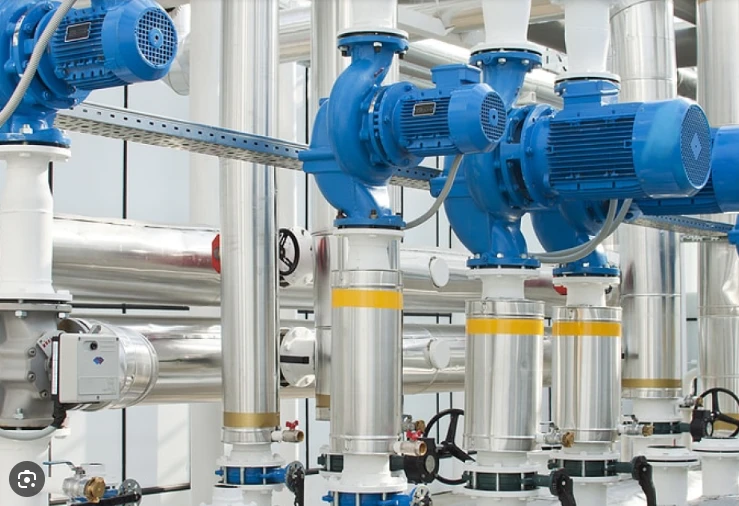
Chemical pumps are specialized industrial pumps designed for the transfer of corrosive and hazardous chemicals. Occupying a critical position within process industries like chemical processing, pharmaceutical manufacturing, water and wastewater treatment, and oil & gas refining, they differ substantially from standard centrifugal pumps. This is primarily due to the demanding requirements imposed by the chemicals they handle, necessitating superior material compatibility, sealing solutions, and safety features. Core performance characteristics include flow rate (GPM or LPM), head (feet or meters), chemical compatibility (based on pH and substance), materials of construction, and leak-free operation. A key industry pain point revolves around minimizing downtime and ensuring process integrity by preventing leaks and material failures, which can lead to environmental hazards and costly production interruptions.
Material Science & Manufacturing
The performance and longevity of chemical pumps are intrinsically linked to the materials employed in their construction. Common materials include Polypropylene (PP), Polyvinylidene Fluoride (PVDF), Polytetrafluoroethylene (PTFE – Teflon), Alloy 20, 316 Stainless Steel, and Hastelloy alloys (C-276, B-3). PP and PVDF offer good resistance to a broad range of chemicals and are cost-effective, but have limited temperature and pressure capabilities. PTFE is exceptionally chemically inert, often used for seals and linings, but possesses low mechanical strength. Alloy 20, 316 SS, and Hastelloy alloys provide superior corrosion resistance, particularly in aggressive environments like concentrated acids and oxidizing agents. Manufacturing processes vary depending on the pump type and material. For plastic pumps, rotational molding and injection molding are prevalent, requiring precise temperature and pressure control to prevent warping or defects. Metal pumps often utilize investment casting for complex impeller designs, followed by machining for dimensional accuracy. Welding of alloy components requires specialized techniques (GTAW, Plasma Arc Welding) and strict adherence to welding procedures to ensure corrosion-resistant weld joints. Parameter control focuses on maintaining material purity, minimizing residual stresses, and achieving smooth surface finishes to enhance corrosion resistance.
Performance & Engineering
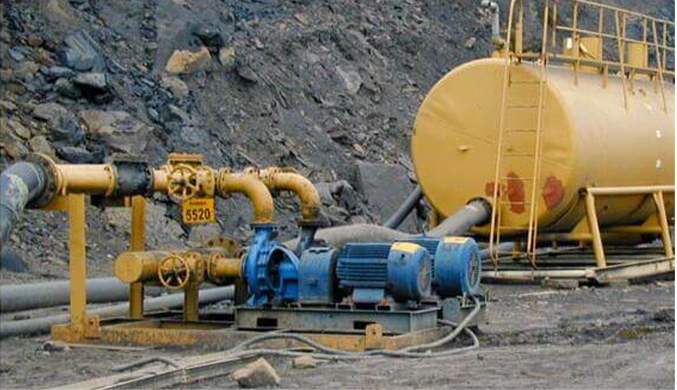
Chemical pump performance is governed by a complex interplay of fluid dynamics, mechanical stress, and chemical compatibility. Force analysis is critical in impeller design, ensuring sufficient tensile strength to withstand centrifugal forces and cavitation. Cavitation, the formation of vapor bubbles due to low pressure, is a significant concern, leading to impeller erosion and pump failure. Environmental resistance is paramount; pumps operating outdoors must withstand UV degradation, temperature fluctuations, and potential exposure to corrosive atmospheres. Compliance requirements are stringent, dictated by standards like ANSI/ASME B73.1 (for centrifugal pumps) and API 610 (for specific pump types used in the petroleum and petrochemical industries). Sealless pumps (magnetic drive, canned motor) are increasingly adopted to eliminate shaft seals, a common point of leakage. Pump curves (head vs. flow rate) are engineered to optimize performance for specific applications. Net Positive Suction Head Required (NPSHr) calculations are vital to prevent cavitation. Finite Element Analysis (FEA) is routinely employed to simulate stress distribution and identify potential failure points in pump components.
Technical Specifications
| Pump Type | Maximum Flow Rate (GPM) | Maximum Head (ft) | Maximum Temperature (°F) |
|---|---|---|---|
| Centrifugal (PP) | 200 | 80 | 180 |
| Magnetic Drive (PVDF) | 100 | 120 | 220 |
| Diaphragm (PTFE) | 50 | 150 | 250 |
| Gear (316 SS) | 80 | 200 | 300 |
| Horizontal (Hastelloy C-276) | 150 | 300 | 400 |
| Vertical Turbine (Alloy 20) | 300 | 400 | 350 |
Failure Mode & Maintenance
Chemical pumps are susceptible to a range of failure modes. Corrosion is a primary concern, leading to material thinning and eventual leakage. Fatigue cracking can occur in impellers and casings due to cyclic loading. Seal failure is common, particularly with mechanical seals, caused by abrasive particles, chemical attack, or improper installation. Cavitation, as previously discussed, causes impeller erosion. Bearing failure can result from lubrication issues or excessive loading. Degradation of plastic components due to chemical exposure or UV radiation is also observed. Preventative maintenance is crucial. Regular inspection of seals, bearings, and impeller for wear or corrosion is essential. Periodic flushing of pump lines to remove solids and deposits is recommended. Lubrication schedules should be strictly adhered to. Vibration analysis can detect early signs of bearing or impeller imbalance. When replacing components, ensure material compatibility with the pumped fluid. Failure analysis, including metallurgical examination of failed parts, can identify root causes and prevent recurrence.
Industry FAQ
Q: What material is best suited for pumping concentrated sulfuric acid?
A: For concentrated sulfuric acid, Hastelloy C-276 is generally considered the most suitable material. Its high molybdenum content provides exceptional resistance to the aggressive oxidizing and corrosive nature of sulfuric acid, even at elevated temperatures and concentrations. While PTFE linings can offer initial protection, they can degrade over time and are not ideal for long-term exposure.
Q: How do I prevent cavitation in a chemical pump?
A: Preventing cavitation requires ensuring sufficient Net Positive Suction Head Available (NPSHa) exceeds the Net Positive Suction Head Required (NPSHr) by a safe margin. This can be achieved by minimizing suction lift, increasing suction pipe diameter, reducing fluid temperature, and ensuring proper pump speed. Regularly inspecting the impeller for signs of cavitation damage is also crucial.
Q: What are the advantages of sealless pumps compared to mechanically sealed pumps?
A: Sealless pumps eliminate the potential for leakage associated with mechanical seals, reducing environmental concerns and improving worker safety. They also often require less maintenance as there are no seals to replace. However, sealless pumps typically have lower pressure and flow rate capabilities compared to mechanically sealed pumps and can be more expensive upfront.
Q: How important is surface finish in chemical pump components?
A: Surface finish is critically important. A smoother surface finish reduces the adhesion of chemicals and minimizes the potential for corrosion. Polished surfaces also reduce friction and improve pump efficiency. Specific surface roughness requirements will depend on the fluid being pumped and the material of construction.
Q: What is the role of a strainer in a chemical pump system?
A: A strainer is an essential component upstream of the pump. It removes particulate matter and debris from the fluid stream, preventing damage to the impeller, seals, and other pump components. Regular cleaning or replacement of the strainer is vital to maintain pump performance and prevent blockages.
Conclusion
Chemical pumps represent a complex engineering challenge, demanding careful consideration of material science, fluid dynamics, and safety regulations. The selection of appropriate materials, coupled with precise manufacturing and meticulous maintenance, is paramount to ensuring reliable and leak-free operation. Understanding the potential failure modes and proactively implementing preventative maintenance strategies are vital for minimizing downtime and maximizing the service life of these critical components in process industries.
Moving forward, advancements in materials technology, such as the development of more corrosion-resistant alloys and polymers, will continue to enhance the performance and durability of chemical pumps. The increasing adoption of digital monitoring and predictive maintenance techniques will further optimize pump operation and reduce lifecycle costs. Addressing the industry's continuous need for enhanced safety, improved efficiency, and reduced environmental impact remains the core driving force behind future innovation in chemical pump technology.
-
Precision at the Pump: How Better Machining Protects Flow and Uptime
News2026-11-20
-
Why Pump Reliability Begins Before the First Drop of Fluid
News2026-11-20
-
Beyond the Pump: Designing Safer Access Around Critical Water Infrastructure
News2026-11-20
-
Why Pumping Stations Depend on the Infrastructure Beneath the Pumps
News2026-11-20
-
Beyond the Pump Room: How Smarter Loading Protects Industrial Equipment
News2026-11-19
-
When Pumps Stop: Designing More Resilient Power for Critical Pumping Systems
News2026-11-19
-
The Hidden Role of Dust and Gas Monitoring in Reliable Pump Operations
News2026-11-19
-
The Hidden Role of Mineral Compounds in Extending Industrial Pump Lifespan
News2026-10-12
-
Why Pump System Reliability Depends on Precision Hose Assembly Methods
News2026-09-15
-
How Advanced Imaging Films Are Transforming Pump Component Quality Control
News2026-08-25
-
How Advanced Filtration Protects Pump Systems from Premature Wear and Costly Downtime
News2026-08-25
-
How Steel Material Selection Drives Pump Reliability in Heavy-Duty Systems
News2026-08-25
-
Ensuring Pump System Efficiency: The Role of High-Quality Pipe Fittings and Tubing
News2026-08-24
-
Optimizing Fluid Dynamics and Material Consistency in Industrial Processing
News2026-08-18
-
Innovations and Challenges in Hydraulic Systems for Heavy Machinery
News2026-08-13




