English
- Afrikaans
- Albanian
- Amharic
- Arabic
- Armenian
- Azerbaijani
- Basque
- Belarusian
- Bengali
- Bosnian
- Bulgarian
- Catalan
- Cebuano
- Corsican
- Croatian
- Czech
- Danish
- Dutch
- English
- Esperanto
- Estonian
- Finnish
- French
- Frisian
- Galician
- Georgian
- German
- Greek
- Gujarati
- Haitian Creole
- hausa
- hawaiian
- Hebrew
- Hindi
- Miao
- Hungarian
- Icelandic
- igbo
- Indonesian
- irish
- Italian
- Japanese
- Javanese
- Kannada
- kazakh
- Khmer
- Rwandese
- Korean
- Kurdish
- Kyrgyz
- Lao
- Latin
- Latvian
- Lithuanian
- Luxembourgish
- Macedonian
- Malgashi
- Malay
- Malayalam
- Maltese
- Maori
- Marathi
- Mongolian
- Myanmar
- Nepali
- Norwegian
- Norwegian
- Occitan
- Pashto
- Persian
- Polish
- Portuguese
- Punjabi
- Romanian
- Russian
- Samoan
- Scottish Gaelic
- Serbian
- Sesotho
- Shona
- Sindhi
- Sinhala
- Slovak
- Slovenian
- Somali
- Spanish
- Sundanese
- Swahili
- Swedish
- Tagalog
- Tajik
- Tamil
- Tatar
- Telugu
- Thai
- Turkish
- Turkmen
- Ukrainian
- Urdu
- Uighur
- Uzbek
- Vietnamese
- Welsh
- Bantu
- Yiddish
- Yoruba
- Zulu

Telephone: +86 13120555503
Email: frank@cypump.com


Apr . 01, 2024 17:55 Back to list
chemical processing pumps Material Science Manufacturing
Introduction
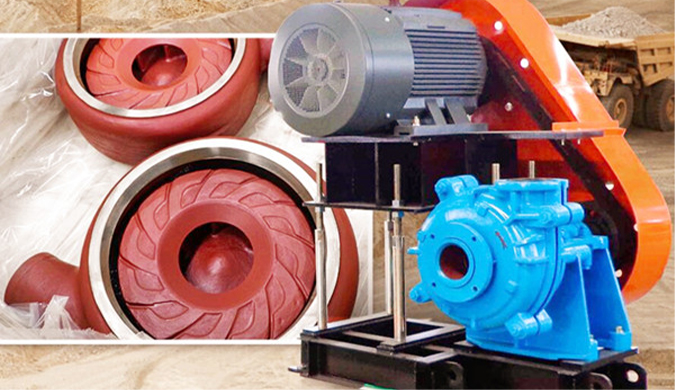
Chemical processing pumps are engineered systems designed for the reliable and safe transfer of corrosive, abrasive, and high-purity fluids within chemical manufacturing, pharmaceutical production, and related industrial applications. Positioned within the process chain after reaction or separation stages, these pumps are critical for subsequent processes like distillation, mixing, or storage. Their core performance characteristics—flow rate, head, and material compatibility—directly impact process efficiency, product quality, and plant safety. Unlike general-purpose pumps, chemical processing pumps prioritize resistance to chemical attack, leak prevention, and adherence to stringent regulatory standards. The selection of the appropriate pump type (centrifugal, positive displacement, diaphragm, etc.) is dictated by fluid properties, process demands, and safety protocols, addressing a key industry pain point related to fluid containment and process uptime.
Material Science & Manufacturing
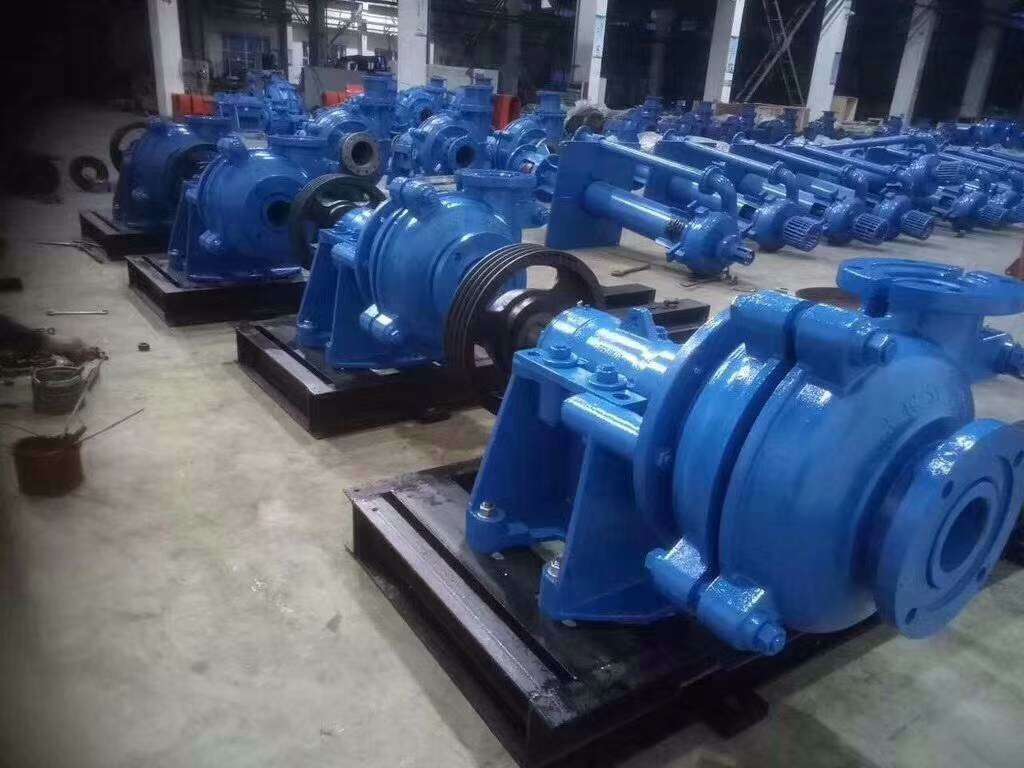
The construction of chemical processing pumps necessitates a deep understanding of material science. Common wetted parts are fabricated from materials like 316 stainless steel (for broad chemical compatibility), Alloy 20 (superior corrosion resistance to sulfuric acid), Hastelloy C-276 (exceptional resistance to a wide range of aggressive chemicals, including chlorides), PTFE (polytetrafluoroethylene - chemically inert liner material), and polypropylene (cost-effective for less aggressive applications). Material selection considers factors like pitting corrosion, crevice corrosion, galvanic corrosion, and stress corrosion cracking. Manufacturing processes vary depending on the pump type. Centrifugal pumps utilize investment casting and precision machining for impeller and housing fabrication. Positive displacement pumps often employ ductile iron for housings, with internal components manufactured from hardened alloys. Diaphragm pumps rely on diaphragm material forming (typically PTFE or rubber compounds) bonded to a supporting structure. Welding processes, such as GTAW (Gas Tungsten Arc Welding) and SMAW (Shielded Metal Arc Welding), are crucial for joining components, requiring qualified welders and strict adherence to welding procedures to ensure structural integrity and prevent porosity or cracks. Parameter control during manufacturing, including heat treatment, surface finishing (electropolishing to minimize surface roughness and enhance corrosion resistance), and dimensional accuracy, is paramount to achieving optimal performance and longevity.
Performance & Engineering
Pump performance is dictated by fundamental engineering principles, particularly fluid dynamics. Force analysis focuses on hydraulic forces exerted on the impeller (in centrifugal pumps), the reciprocating components (in positive displacement pumps), and the sealing systems. Cavitation, a major concern, arises when pressure drops below the fluid’s vapor pressure, forming vapor bubbles that collapse and damage pump components. Net Positive Suction Head Required (NPSHr) must be carefully calculated and compared to the Net Positive Suction Head Available (NPSHa) to prevent cavitation. Environmental resistance is crucial; pumps must withstand varying temperatures, pressures, and potentially hazardous atmospheres. Bearing lubrication systems (grease or oil-based) require careful selection and maintenance to prevent failure. Compliance with industry standards, such as those set by the American National Standards Institute (ANSI) and the European Union’s ATEX directive (for explosive atmospheres), is non-negotiable. Sealless pump designs (magnetic drive or canned motor pumps) are increasingly employed to eliminate potential leak paths, mitigating environmental and safety risks. Finite Element Analysis (FEA) is utilized during the design phase to optimize structural integrity and predict stress concentrations in critical components. Proper pump sizing, based on flow rate and head requirements, is critical to maximizing efficiency and minimizing energy consumption.
Technical Specifications
| Parameter | Centrifugal Pump (316 SS) | Diaphragm Pump (PTFE Lined) | Gear Pump (Hastelloy C-276) | Magnetic Drive Pump (PVDF) |
|---|---|---|---|---|
| Flow Rate (GPM) | 0-500 | 0-120 | 0-60 | 0-200 |
| Head (ft) | 0-300 | 0-100 | 0-250 | 0-150 |
| Temperature Range (°F) | -20 to 250 | -40 to 200 | -20 to 400 | -40 to 250 |
| Maximum Solids Handling (in) | 0.25 | 0.125 | 0 | 0.125 |
| Viscosity Range (cP) | 0-100 | 0-1000 | 20-5000 | 0-500 |
| Pressure Rating (PSI) | 150 | 100 | 300 | 100 |
Failure Mode & Maintenance
Chemical processing pumps are susceptible to several failure modes. Fatigue cracking, particularly in impeller blades and pump housings, arises from cyclic loading and stress concentrations. Corrosion, whether uniform or localized (pitting, crevice), degrades material integrity, leading to leaks or catastrophic failure. Erosion, caused by abrasive particles in the fluid, damages internal surfaces. Mechanical seal failure is a common issue, resulting in leakage and potential process contamination. Diaphragm rupture in diaphragm pumps halts fluid transfer. Bearing failure, due to inadequate lubrication or contamination, can cause pump seizure. Preventive maintenance is crucial. This includes regular visual inspections for leaks or corrosion, vibration analysis to detect bearing issues, seal replacement based on manufacturer recommendations, and lubrication schedule adherence. Impeller balancing is essential for centrifugal pumps to minimize vibration. Flushing of pump internals removes solid deposits. For positive displacement pumps, valve inspection and replacement are critical. Regular monitoring of pump performance parameters (flow rate, pressure, power consumption) can identify deviations indicating potential problems. Failure analysis (metallurgical examination of failed components) helps determine root causes and prevent recurrence.
Industry FAQ
Q: What is the primary difference between a centrifugal pump and a positive displacement pump in a chemical processing application?
A: Centrifugal pumps deliver a relatively constant flow rate, making them suitable for lower-viscosity fluids and applications where flow rate variations are acceptable. Positive displacement pumps deliver a fixed volume of fluid per revolution, providing consistent flow regardless of discharge pressure. They excel with high-viscosity fluids and precise dosing requirements, but require pressure relief valves to prevent over-pressurization.
Q: How do you determine the appropriate material of construction for a pump handling hydrochloric acid?
A: Hydrochloric acid is highly corrosive. 316 Stainless Steel is often inadequate. Alloy 20 provides good resistance, but Hastelloy C-276 is typically preferred due to its superior corrosion resistance, particularly at elevated temperatures and concentrations. PTFE liners are also commonly used, offering excellent chemical inertness.
Q: What are the key considerations when selecting a pump for handling shear-sensitive fluids, like polymers?
A: Shear-sensitive fluids can degrade under high shear stress. Positive displacement pumps, especially lobe or peristaltic pumps, are often preferred as they generate lower shear rates compared to centrifugal pumps. Impeller design in centrifugal pumps can also be optimized for low shear applications, but requires careful selection.
Q: What is the role of NPSH in preventing pump damage?
A: Net Positive Suction Head (NPSH) is the absolute pressure at the pump suction, minus the fluid’s vapor pressure. Insufficient NPSH leads to cavitation, which damages the impeller and reduces pump performance. Ensuring the NPSHa (available) is always greater than the NPSHr (required) is critical to reliable operation.
Q: What maintenance procedures are essential for magnetic drive pumps?
A: Magnetic drive pumps, while sealless, require regular monitoring of bearing temperatures and lubrication. The magnetic coupling should be inspected for demagnetization or corrosion. The pump casing and internal components should be checked for corrosion. Routine performance monitoring (flow rate, pressure) is also essential.
Conclusion
Chemical processing pumps represent a critical component in numerous industrial processes, demanding careful consideration of material science, engineering principles, and operational parameters. The selection process necessitates a thorough understanding of fluid properties, process requirements, and applicable regulatory standards. Preventive maintenance and proactive failure analysis are essential for maximizing uptime, minimizing risks, and ensuring the long-term reliability of these vital systems.
Looking ahead, advancements in pump technology are focused on enhancing efficiency, reducing energy consumption, and improving safety. The increasing adoption of digital monitoring and predictive maintenance techniques, coupled with the development of new corrosion-resistant materials, will further optimize the performance and longevity of chemical processing pumps. These trends are driven by a constant demand for cost-effective, environmentally responsible, and safe fluid handling solutions.
-
Precision at the Pump: How Better Machining Protects Flow and Uptime
News2026-11-20
-
Why Pump Reliability Begins Before the First Drop of Fluid
News2026-11-20
-
Beyond the Pump: Designing Safer Access Around Critical Water Infrastructure
News2026-11-20
-
Why Pumping Stations Depend on the Infrastructure Beneath the Pumps
News2026-11-20
-
Beyond the Pump Room: How Smarter Loading Protects Industrial Equipment
News2026-11-19
-
When Pumps Stop: Designing More Resilient Power for Critical Pumping Systems
News2026-11-19
-
The Hidden Role of Dust and Gas Monitoring in Reliable Pump Operations
News2026-11-19
-
The Hidden Role of Mineral Compounds in Extending Industrial Pump Lifespan
News2026-10-12
-
Why Pump System Reliability Depends on Precision Hose Assembly Methods
News2026-09-15
-
How Advanced Imaging Films Are Transforming Pump Component Quality Control
News2026-08-25
-
How Advanced Filtration Protects Pump Systems from Premature Wear and Costly Downtime
News2026-08-25
-
How Steel Material Selection Drives Pump Reliability in Heavy-Duty Systems
News2026-08-25
-
Ensuring Pump System Efficiency: The Role of High-Quality Pipe Fittings and Tubing
News2026-08-24
-
Optimizing Fluid Dynamics and Material Consistency in Industrial Processing
News2026-08-18
-
Innovations and Challenges in Hydraulic Systems for Heavy Machinery
News2026-08-13




