English
- Afrikaans
- Albanian
- Amharic
- Arabic
- Armenian
- Azerbaijani
- Basque
- Belarusian
- Bengali
- Bosnian
- Bulgarian
- Catalan
- Cebuano
- Corsican
- Croatian
- Czech
- Danish
- Dutch
- English
- Esperanto
- Estonian
- Finnish
- French
- Frisian
- Galician
- Georgian
- German
- Greek
- Gujarati
- Haitian Creole
- hausa
- hawaiian
- Hebrew
- Hindi
- Miao
- Hungarian
- Icelandic
- igbo
- Indonesian
- irish
- Italian
- Japanese
- Javanese
- Kannada
- kazakh
- Khmer
- Rwandese
- Korean
- Kurdish
- Kyrgyz
- Lao
- Latin
- Latvian
- Lithuanian
- Luxembourgish
- Macedonian
- Malgashi
- Malay
- Malayalam
- Maltese
- Maori
- Marathi
- Mongolian
- Myanmar
- Nepali
- Norwegian
- Norwegian
- Occitan
- Pashto
- Persian
- Polish
- Portuguese
- Punjabi
- Romanian
- Russian
- Samoan
- Scottish Gaelic
- Serbian
- Sesotho
- Shona
- Sindhi
- Sinhala
- Slovak
- Slovenian
- Somali
- Spanish
- Sundanese
- Swahili
- Swedish
- Tagalog
- Tajik
- Tamil
- Tatar
- Telugu
- Thai
- Turkish
- Turkmen
- Ukrainian
- Urdu
- Uighur
- Uzbek
- Vietnamese
- Welsh
- Bantu
- Yiddish
- Yoruba
- Zulu

Telephone: +86 13120555503
Email: frank@cypump.com


Apr . 01, 2024 17:55 Back to list
chemical pipeline water pump Performance Analysis
Introduction
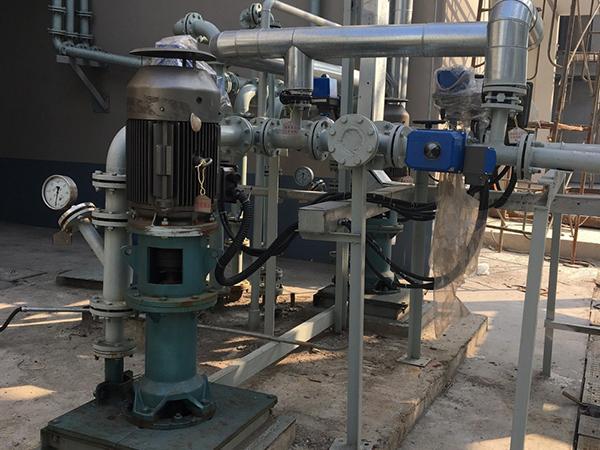
Chemical pipeline water pumps are centrifugal pumps specifically engineered for the transfer of corrosive and often hazardous fluids within chemical processing facilities, petrochemical plants, and wastewater treatment operations. Positioned downstream in the overall chemical process chain – following reaction, separation, or storage – these pumps are critical for maintaining fluid flow for a wide array of applications including reactor feed, product transfer, cooling water circulation, and waste stream management. Core performance characteristics are defined by flow rate (measured in gallons per minute or cubic meters per hour), head (expressed in feet or meters), and the ability to handle specific fluid chemistries without material degradation or leakage. The selection criteria prioritize chemical compatibility, sealing integrity, and operational reliability to ensure process safety and environmental protection. A primary industry pain point is preventing catastrophic failure due to material incompatibility, leading to costly downtime, environmental hazards, and potential safety incidents. Addressing this requires precise material selection and comprehensive understanding of the fluid's properties.
Material Science & Manufacturing
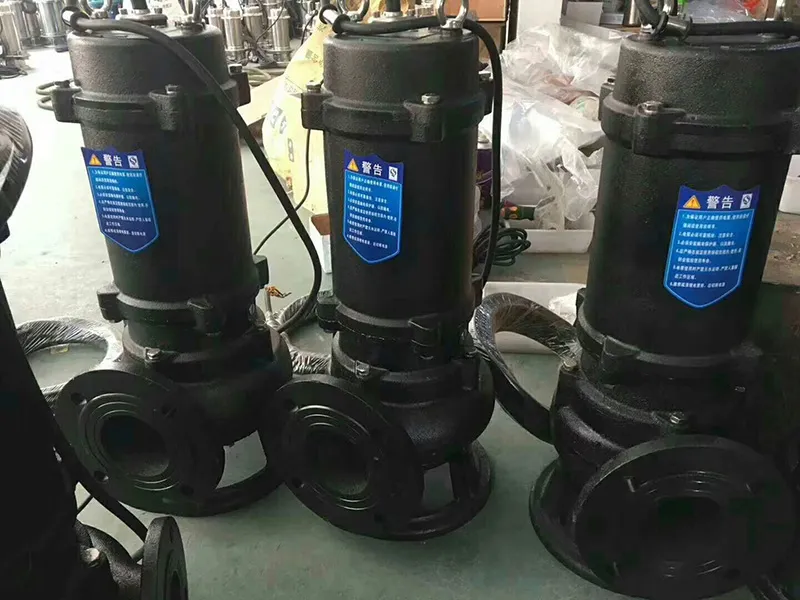
The construction of chemical pipeline water pumps relies heavily on specialized materials capable of withstanding aggressive chemical environments. Common wetted parts are fabricated from alloys such as 316 Stainless Steel (for general chemical resistance), Hastelloy (for highly corrosive acids and chlorides), Polypropylene (PP), Polyvinylidene Fluoride (PVDF), and PTFE (Teflon) – selected based on the specific fluid being handled. Pump casings are often manufactured via investment casting or sand casting for complex geometries, followed by machining to achieve precise dimensional tolerances. Impellers are typically produced using centrifugal casting or forging. Shafts are commonly made from high-strength stainless steel alloys, undergoing heat treatment to enhance tensile strength and fatigue resistance. Sealing systems are critical; mechanical seals utilizing materials like Silicon Carbide (SiC) against SiC or Tungsten Carbide (WC) are employed to prevent leakage, and are often supported by barrier fluid systems. Manufacturing parameter control is paramount. Welding procedures must adhere to ASME Section IX standards, ensuring complete penetration and absence of defects. Surface finish requirements for wetted parts minimize corrosion initiation sites. Hydrostatic testing is performed to verify casing integrity under pressure, and impeller balancing ensures vibration-free operation. Chemical passivation processes are employed to enhance the corrosion resistance of stainless steel components.
Performance & Engineering
Pump performance is governed by fluid dynamics principles, specifically the relationship between flow rate, head, and power consumption, as defined by the pump affinity laws. Force analysis involves evaluating stresses on the impeller, shaft, and casing due to fluid pressure, centrifugal forces, and hydraulic loads. Finite Element Analysis (FEA) is frequently used during the design phase to optimize component geometry and minimize stress concentrations. Environmental resistance considerations include temperature extremes, UV exposure (for external components), and potential for atmospheric corrosion. Pumps intended for outdoor installations often incorporate protective coatings and weather enclosures. Compliance requirements vary depending on the application and geographical location. For example, pumps handling flammable fluids must comply with ATEX directives (Europe) or Class I, Division 1/2 standards (North America) regarding explosion-proof construction. Hydraulic Institute (HI) standards define pump performance testing procedures and acceptance criteria. Proper pump selection requires careful consideration of the Net Positive Suction Head Required (NPSHr) – ensuring sufficient inlet pressure to prevent cavitation, a phenomenon causing impeller damage and reduced performance. Vibration analysis is a crucial aspect of operational monitoring, detecting potential bearing failures or impeller imbalances before they escalate into major problems.
Technical Specifications
| Parameter | Unit | Typical Range | Material Options |
|---|---|---|---|
| Flow Rate | GPM (Gallons per Minute) | 10 – 500 | PP, PVDF, SS316, Hastelloy |
| Head | ft (Feet) | 20 – 200 | PP, PVDF, SS316, Hastelloy |
| Temperature Range | °F (°Fahrenheit) | -40 – 250 | PTFE, PP, PVDF, SS316, Hastelloy |
| Pressure Rating | PSI (Pounds per Square Inch) | 50 – 150 | PP, PVDF, SS316, Hastelloy |
| Seal Type | - | Mechanical Seal (Single/Double) | SiC/SiC, WC/WC, PTFE |
| Power | HP (Horsepower) | 0.5 – 50 | Cast Iron, Stainless Steel |
Failure Mode & Maintenance
Common failure modes in chemical pipeline water pumps include cavitation erosion of the impeller, mechanical seal failure leading to leakage, bearing wear resulting in vibration and noise, and corrosion-induced degradation of wetted parts. Cavitation occurs when the NPSH available is less than the NPSHr, creating vapor bubbles that collapse and damage the impeller surface. Mechanical seal failures are often caused by abrasive particles in the fluid, improper installation, or material incompatibility. Bearing failures can result from inadequate lubrication, misalignment, or excessive loads. Corrosion can manifest as pitting, crevice corrosion, or general metal loss, depending on the fluid chemistry and material selection. Preventive maintenance is critical. Regularly scheduled inspections should include vibration analysis, seal leakage checks, bearing lubrication, and visual inspection for corrosion or erosion. Periodic impeller balancing and casing hydrostatic testing should also be performed. In case of seal failure, replacing the seal with a compatible material and ensuring proper installation are essential. If corrosion is detected, material upgrades or the application of protective coatings may be necessary. Maintaining detailed maintenance logs and tracking pump performance data facilitates predictive maintenance and minimizes unplanned downtime. Failure analysis, including metallurgical examination of failed components, can identify root causes and prevent recurrence.
Industry FAQ
Q: What are the primary considerations when selecting a pump material for handling sulfuric acid?
A: When handling sulfuric acid, material selection is paramount. Standard stainless steels are often insufficient due to susceptibility to pitting corrosion. High-silicon stainless steels (like 316L with >6% Si), Hastelloy B and C alloys, or PTFE-lined pumps are typically preferred. Concentration and temperature of the sulfuric acid are key factors; higher concentrations and temperatures require more corrosion-resistant materials.
Q: How can I prevent cavitation damage in my pump?
A: Preventing cavitation requires ensuring the Net Positive Suction Head Available (NPSHa) is greater than the Net Positive Suction Head Required (NPSHr). This can be achieved by reducing suction line losses (using larger diameter piping, minimizing bends), increasing suction tank pressure, or lowering the pump’s operating speed. Regular impeller inspection for cavitation damage is also important.
Q: What is the difference between a single and a double mechanical seal?
A: A single mechanical seal provides a primary sealing barrier. A double mechanical seal incorporates a secondary seal and a barrier fluid system, offering enhanced protection against leakage, especially when handling hazardous or toxic fluids. The barrier fluid lubricates the seal faces and provides a positive pressure to prevent ingress of the process fluid.
Q: What are the benefits of using a variable frequency drive (VFD) with a chemical pump?
A: A VFD allows for precise control of pump speed, enabling optimization of flow rate to match process demands. This results in energy savings, reduced wear and tear on the pump, and improved process control. VFDs can also be used to prevent cavitation by adjusting pump speed to maintain adequate NPSHa.
Q: How often should I replace the mechanical seal in a chemical pump?
A: The replacement frequency depends on the fluid being pumped, the operating conditions, and the seal material. Generally, routine inspections should be performed every 3-6 months. Seals should be replaced preventatively based on inspection results, or immediately upon detection of leakage. Keeping detailed records of seal run times assists in establishing appropriate replacement intervals.
Conclusion
Chemical pipeline water pumps represent a critical component in numerous industrial processes, demanding robust material selection, precise engineering, and diligent maintenance. Successful operation relies on a thorough understanding of fluid properties, potential failure modes, and adherence to relevant industry standards. The appropriate pump selection directly impacts process safety, operational efficiency, and environmental compliance.
Future advancements in pump technology will likely focus on developing more corrosion-resistant materials, integrating smart sensors for predictive maintenance, and optimizing pump designs for enhanced energy efficiency. Continued emphasis on preventative maintenance programs and rigorous failure analysis will remain essential for maximizing pump lifespan and minimizing costly downtime in demanding chemical processing environments.
-
Precision at the Pump: How Better Machining Protects Flow and Uptime
News2026-11-20
-
Why Pump Reliability Begins Before the First Drop of Fluid
News2026-11-20
-
Beyond the Pump: Designing Safer Access Around Critical Water Infrastructure
News2026-11-20
-
Why Pumping Stations Depend on the Infrastructure Beneath the Pumps
News2026-11-20
-
Beyond the Pump Room: How Smarter Loading Protects Industrial Equipment
News2026-11-19
-
When Pumps Stop: Designing More Resilient Power for Critical Pumping Systems
News2026-11-19
-
The Hidden Role of Dust and Gas Monitoring in Reliable Pump Operations
News2026-11-19
-
The Hidden Role of Mineral Compounds in Extending Industrial Pump Lifespan
News2026-10-12
-
Why Pump System Reliability Depends on Precision Hose Assembly Methods
News2026-09-15
-
How Advanced Imaging Films Are Transforming Pump Component Quality Control
News2026-08-25
-
How Advanced Filtration Protects Pump Systems from Premature Wear and Costly Downtime
News2026-08-25
-
How Steel Material Selection Drives Pump Reliability in Heavy-Duty Systems
News2026-08-25
-
Ensuring Pump System Efficiency: The Role of High-Quality Pipe Fittings and Tubing
News2026-08-24
-
Optimizing Fluid Dynamics and Material Consistency in Industrial Processing
News2026-08-18
-
Innovations and Challenges in Hydraulic Systems for Heavy Machinery
News2026-08-13




