English
- Afrikaans
- Albanian
- Amharic
- Arabic
- Armenian
- Azerbaijani
- Basque
- Belarusian
- Bengali
- Bosnian
- Bulgarian
- Catalan
- Cebuano
- Corsican
- Croatian
- Czech
- Danish
- Dutch
- English
- Esperanto
- Estonian
- Finnish
- French
- Frisian
- Galician
- Georgian
- German
- Greek
- Gujarati
- Haitian Creole
- hausa
- hawaiian
- Hebrew
- Hindi
- Miao
- Hungarian
- Icelandic
- igbo
- Indonesian
- irish
- Italian
- Japanese
- Javanese
- Kannada
- kazakh
- Khmer
- Rwandese
- Korean
- Kurdish
- Kyrgyz
- Lao
- Latin
- Latvian
- Lithuanian
- Luxembourgish
- Macedonian
- Malgashi
- Malay
- Malayalam
- Maltese
- Maori
- Marathi
- Mongolian
- Myanmar
- Nepali
- Norwegian
- Norwegian
- Occitan
- Pashto
- Persian
- Polish
- Portuguese
- Punjabi
- Romanian
- Russian
- Samoan
- Scottish Gaelic
- Serbian
- Sesotho
- Shona
- Sindhi
- Sinhala
- Slovak
- Slovenian
- Somali
- Spanish
- Sundanese
- Swahili
- Swedish
- Tagalog
- Tajik
- Tamil
- Tatar
- Telugu
- Thai
- Turkish
- Turkmen
- Ukrainian
- Urdu
- Uighur
- Uzbek
- Vietnamese
- Welsh
- Bantu
- Yiddish
- Yoruba
- Zulu

Telephone: +86 13120555503
Email: frank@cypump.com


Apr . 01, 2024 17:55 Back to list
chemical liquid pump Material Science Manufacturing
Introduction
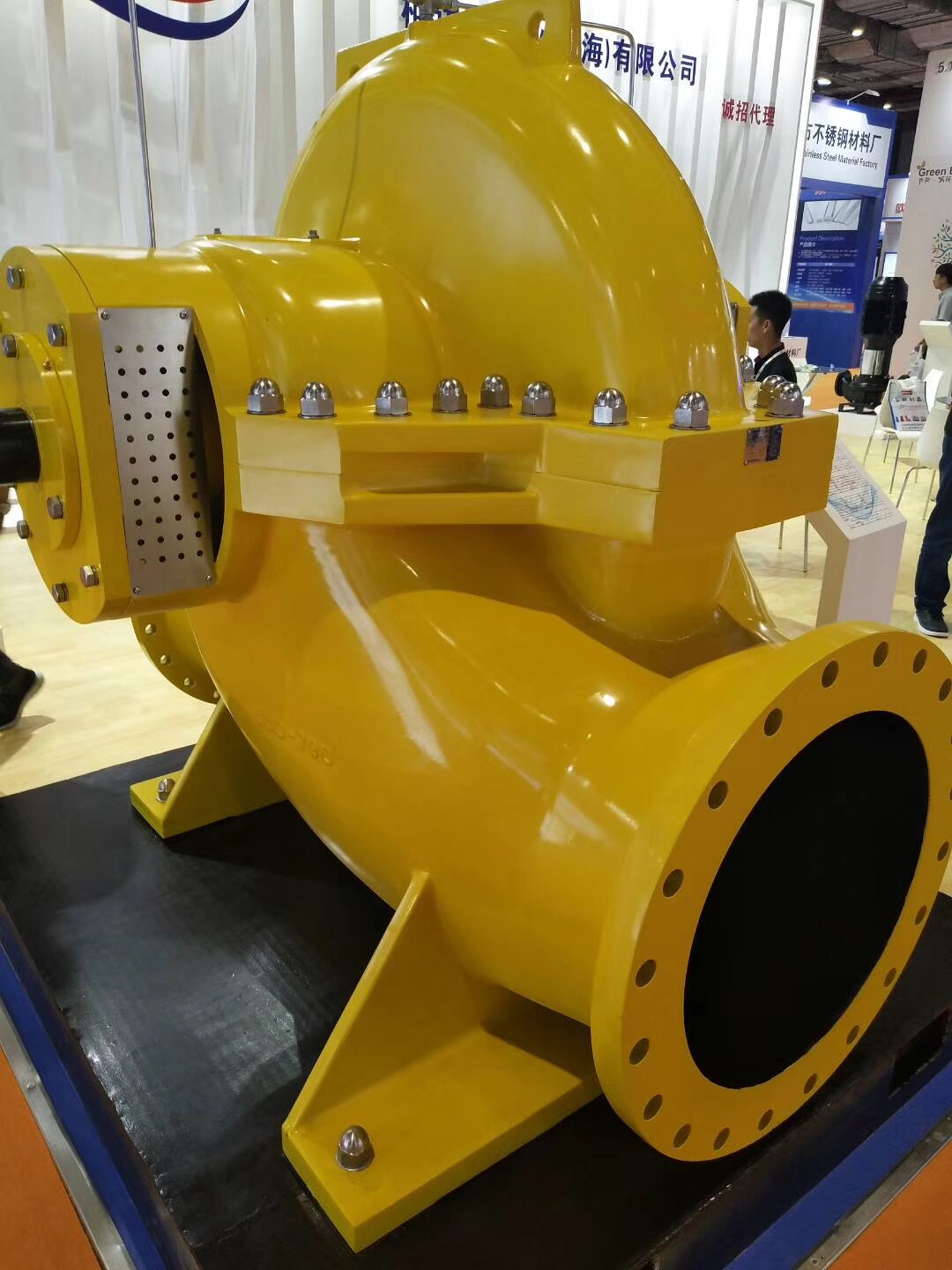
Chemical liquid pumps are engineered devices designed for the reliable and safe transfer of corrosive, volatile, and chemically reactive fluids. Positioned within the broader fluid handling industry, these pumps constitute a critical component in diverse applications spanning chemical processing, pharmaceuticals, water treatment, and semiconductor manufacturing. Unlike general-purpose pumps, chemical liquid pumps prioritize material compatibility and leak-proof construction. Core performance characteristics include flow rate (gallons per minute or liters per minute), head (feet or meters), pressure (PSI or bar), and net positive suction head required (NPSHr). The industry faces ongoing challenges related to minimizing downtime, ensuring environmental compliance regarding emissions and containment, and optimizing energy efficiency given the often-demanding duty cycles and fluid properties.
Material Science & Manufacturing
The selection of materials is paramount in chemical liquid pump construction, dictated by the aggressive nature of the pumped media. Commonly employed materials include: 316 Stainless Steel (corrosion resistance to a wide range of chemicals, but susceptible to pitting in chloride environments); Polypropylene (PP) – cost-effective for mildly corrosive applications, limited temperature resistance; Polyvinylidene Fluoride (PVDF) – excellent chemical resistance, higher temperature rating than PP; Polytetrafluoroethylene (PTFE) – nearly universal chemical resistance, low friction, but susceptible to creep; and Hastelloy alloys (Nickel-based superalloys) – superior resistance to highly corrosive and oxidizing environments, but significantly more expensive. Manufacturing processes vary depending on pump type. Centrifugal pumps utilize investment casting or sand casting for impellers and housings. Sealless magnetic drive pumps rely on precise machining of ceramic magnets and PTFE liners. Diaphragm pumps involve vulcanization of elastomers (e.g., PTFE, EPDM) onto backing materials. Key parameter control during manufacturing includes impeller balancing to minimize vibration, dimensional accuracy of pump components to ensure tight seals, and surface finish quality to reduce friction and corrosion susceptibility. Welding processes, where employed, must adhere to stringent standards like AWS D1.1 to guarantee weld integrity and prevent chemical ingress. Material certifications verifying chemical composition and mechanical properties are crucial quality control measures.
Performance & Engineering
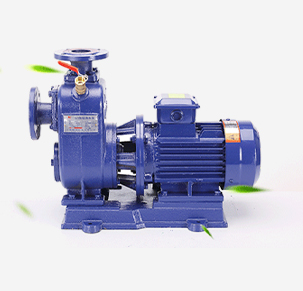
Pump performance is governed by fundamental fluid dynamics principles. Flow rate is determined by impeller diameter, rotational speed, and fluid viscosity. Head is influenced by impeller geometry and fluid density. Cavitation, a critical concern, occurs when the absolute pressure at the pump inlet falls below the vapor pressure of the liquid, leading to vapor bubble formation and subsequent implosion, causing erosion and performance degradation. NPSHr calculations are essential to prevent cavitation; the system’s NPSHa must exceed the pump’s NPSHr by a sufficient margin. Environmental resistance is a significant engineering consideration. Pumps operating in hazardous areas must conform to ATEX or IECEx standards for explosion protection, requiring intrinsically safe designs or explosion-proof enclosures. Materials must be selected to withstand prolonged exposure to UV radiation, temperature extremes, and humidity. Compliance requirements such as REACH and RoHS necessitate careful material selection to eliminate or minimize the use of restricted substances. Mechanical seals, when used, must be engineered for specific chemical compatibility and pressure ratings, employing materials like silicon carbide or tungsten carbide with appropriate elastomers. Finite Element Analysis (FEA) is routinely used to optimize pump component designs for stress distribution and fatigue life.
Technical Specifications
| Pump Type | Flow Rate (GPM) | Head (ft) | Max. Temperature (°F) | Material of Construction | Seal Type |
|---|---|---|---|---|---|
| Centrifugal | 50-300 | 50-200 | 250 | 316 Stainless Steel | Mechanical Seal (PTFE/Ceramic) |
| Magnetic Drive | 10-150 | 30-100 | 200 | PVDF | Sealless (Magnetic Drive) |
| Diaphragm (Air-Operated) | 2-80 | 0-80 | 180 | Polypropylene | PTFE Diaphragm |
| Gear Pump | 5-50 | 100-300 | 300 | Hastelloy C-276 | Mechanical Seal (Hastelloy) |
| Peristaltic Pump | 1-100 | 0-60 | 200 | PTFE Lined | Hose Integrity (No Seal) |
| Vertical Turbine Pump | 100-1000 | 200-500 | 350 | 316 Stainless Steel | Mechanical Seal (Silicon Carbide) |
Failure Mode & Maintenance
Common failure modes in chemical liquid pumps include: mechanical seal failure (due to abrasion, chemical attack, or improper installation), impeller erosion (caused by particulate matter in the fluid), bearing failure (resulting from inadequate lubrication or overload), and diaphragm rupture (in diaphragm pumps, due to fatigue or chemical degradation). Fatigue cracking can occur in pump housings and impellers under cyclical loading. Corrosion, particularly pitting corrosion in stainless steel, can lead to leaks and component failure. Delamination of coatings or liners can compromise chemical resistance. Oxidation of elastomers can cause them to become brittle and lose sealing properties. Preventative maintenance is critical. Regular inspection of seals, bearings, and diaphragms is essential. Lubrication schedules must be strictly followed. Fluid analysis should be conducted to identify potential corrosive contaminants. Vibration analysis can detect bearing wear or impeller imbalance. Leak testing should be performed routinely. For mechanical seals, proper flushing and cooling are crucial to prevent overheating and failure. Replacement of worn components should be proactive rather than reactive. Proper storage of pumps during periods of inactivity is also important to prevent corrosion and degradation.
Industry FAQ
Q: What is the primary difference between a magnetically driven pump and a pump with a mechanical seal when handling aggressive chemicals?
A: Magnetically driven pumps, being sealless, eliminate the primary point of potential leakage – the mechanical seal. Mechanical seals, even those constructed from chemically resistant materials, are susceptible to degradation over time. Magnetic drive pumps rely on a magnetic coupling, isolating the motor from the pump head, thus removing the need for a shaft seal.
Q: How does material selection impact the lifespan of a chemical liquid pump when transferring hydrochloric acid?
A: Hydrochloric acid is highly corrosive to many metals. 316 Stainless Steel can experience pitting corrosion. PVDF and PTFE offer excellent resistance, but PTFE can exhibit creep at elevated temperatures and pressures. Hastelloy alloys (B-3, C-276) are typically the preferred choice for prolonged exposure to hydrochloric acid, providing superior corrosion resistance.
Q: What are the implications of exceeding the NPSHr of a chemical pump?
A: Exceeding the NPSHr causes cavitation, leading to a rapid decline in pump performance, noise, and eventual damage to the impeller and pump casing. The imploding vapor bubbles create localized high stresses that erode the material. It necessitates a redesign of the suction piping or a reduction in flow rate.
Q: What role does Finite Element Analysis (FEA) play in the design of chemical pumps, particularly those handling high-pressure fluids?
A: FEA allows engineers to simulate stress distribution within pump components under operating conditions. This ensures that the design can withstand the imposed loads and pressures without yielding or fracturing. It's crucial for optimizing component geometry and material thickness to maximize fatigue life and prevent catastrophic failure.
Q: What are the key considerations when selecting a diaphragm pump for intermittent dosing of a corrosive liquid?
A: Diaphragm material compatibility is critical. PTFE diaphragms offer broad chemical resistance. The diaphragm’s stroke length and frequency should be matched to the dosing requirements. Check valve selection is also important to ensure accurate metering and prevent backflow. Ensure the pump is designed for dry-running if intermittent operation is expected.
Conclusion
Chemical liquid pumps are indispensable components in a vast array of industrial processes. Their selection and operation necessitate a comprehensive understanding of material science, fluid dynamics, and chemical compatibility. Prioritizing robust material construction, meticulous manufacturing processes, and preventative maintenance programs are crucial for maximizing pump lifespan, minimizing downtime, and ensuring safe and reliable fluid handling.
Future trends in chemical pump technology include the development of more advanced materials with enhanced corrosion resistance, the integration of smart sensors for predictive maintenance, and the adoption of energy-efficient pump designs. Furthermore, increasing regulatory scrutiny regarding environmental protection will drive innovation in leak-proof pump technologies and sustainable material solutions.
-
Precision at the Pump: How Better Machining Protects Flow and Uptime
News2026-11-20
-
Why Pump Reliability Begins Before the First Drop of Fluid
News2026-11-20
-
Beyond the Pump: Designing Safer Access Around Critical Water Infrastructure
News2026-11-20
-
Why Pumping Stations Depend on the Infrastructure Beneath the Pumps
News2026-11-20
-
Beyond the Pump Room: How Smarter Loading Protects Industrial Equipment
News2026-11-19
-
When Pumps Stop: Designing More Resilient Power for Critical Pumping Systems
News2026-11-19
-
The Hidden Role of Dust and Gas Monitoring in Reliable Pump Operations
News2026-11-19
-
The Hidden Role of Mineral Compounds in Extending Industrial Pump Lifespan
News2026-10-12
-
Why Pump System Reliability Depends on Precision Hose Assembly Methods
News2026-09-15
-
How Advanced Imaging Films Are Transforming Pump Component Quality Control
News2026-08-25
-
How Advanced Filtration Protects Pump Systems from Premature Wear and Costly Downtime
News2026-08-25
-
How Steel Material Selection Drives Pump Reliability in Heavy-Duty Systems
News2026-08-25
-
Ensuring Pump System Efficiency: The Role of High-Quality Pipe Fittings and Tubing
News2026-08-24
-
Optimizing Fluid Dynamics and Material Consistency in Industrial Processing
News2026-08-18
-
Innovations and Challenges in Hydraulic Systems for Heavy Machinery
News2026-08-13




