English
- Afrikaans
- Albanian
- Amharic
- Arabic
- Armenian
- Azerbaijani
- Basque
- Belarusian
- Bengali
- Bosnian
- Bulgarian
- Catalan
- Cebuano
- Corsican
- Croatian
- Czech
- Danish
- Dutch
- English
- Esperanto
- Estonian
- Finnish
- French
- Frisian
- Galician
- Georgian
- German
- Greek
- Gujarati
- Haitian Creole
- hausa
- hawaiian
- Hebrew
- Hindi
- Miao
- Hungarian
- Icelandic
- igbo
- Indonesian
- irish
- Italian
- Japanese
- Javanese
- Kannada
- kazakh
- Khmer
- Rwandese
- Korean
- Kurdish
- Kyrgyz
- Lao
- Latin
- Latvian
- Lithuanian
- Luxembourgish
- Macedonian
- Malgashi
- Malay
- Malayalam
- Maltese
- Maori
- Marathi
- Mongolian
- Myanmar
- Nepali
- Norwegian
- Norwegian
- Occitan
- Pashto
- Persian
- Polish
- Portuguese
- Punjabi
- Romanian
- Russian
- Samoan
- Scottish Gaelic
- Serbian
- Sesotho
- Shona
- Sindhi
- Sinhala
- Slovak
- Slovenian
- Somali
- Spanish
- Sundanese
- Swahili
- Swedish
- Tagalog
- Tajik
- Tamil
- Tatar
- Telugu
- Thai
- Turkish
- Turkmen
- Ukrainian
- Urdu
- Uighur
- Uzbek
- Vietnamese
- Welsh
- Bantu
- Yiddish
- Yoruba
- Zulu

Telephone: +86 13120555503
Email: frank@cypump.com


Apr . 01, 2024 17:55 Back to list
chemical injection pump Performance Analysis
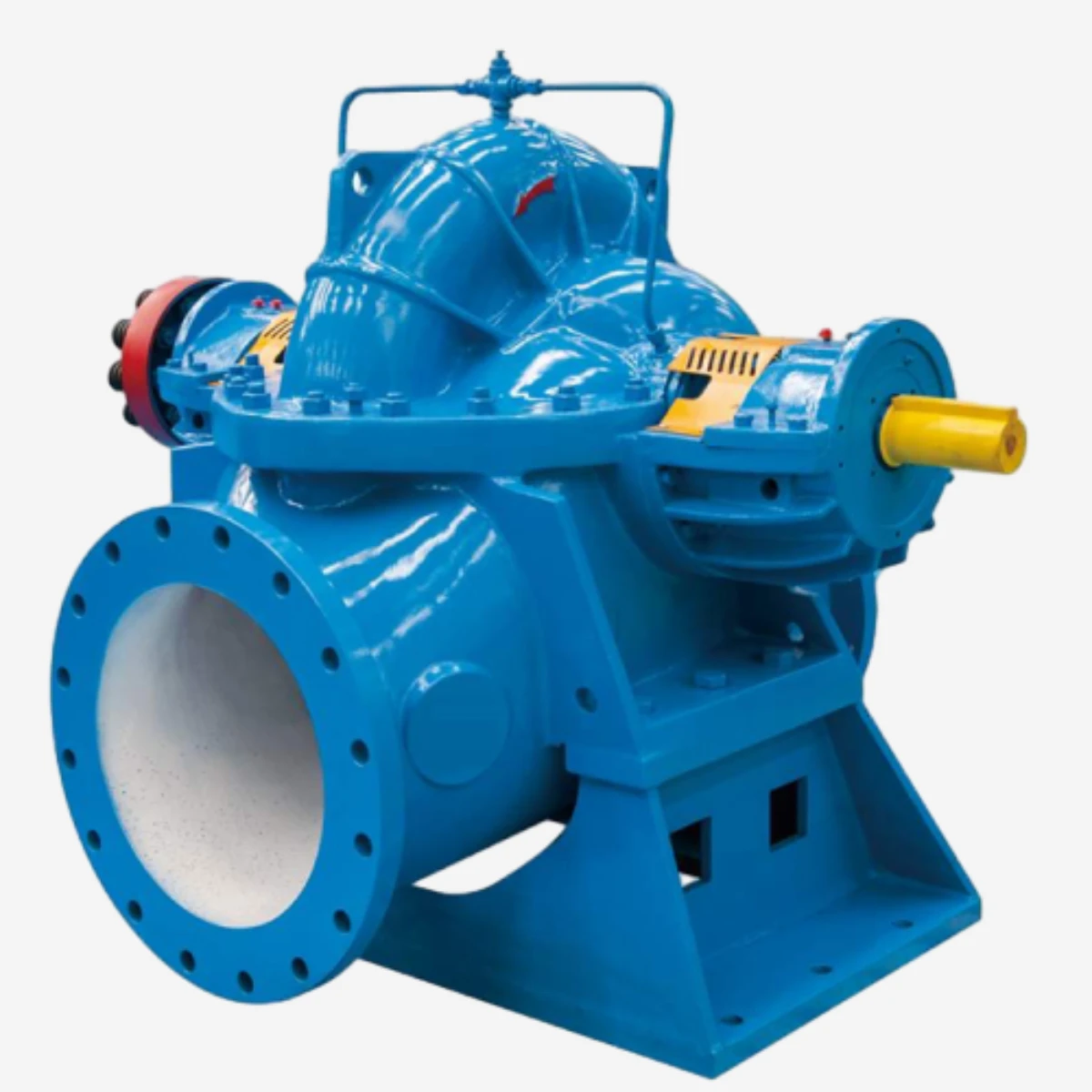
Introduction
Chemical injection pumps are positive displacement devices designed to accurately deliver precise volumes of fluids – typically chemicals – into a process stream. They represent a critical component in numerous industries including oil and gas, water treatment, power generation, and chemical processing, where controlled chemical addition is essential for optimizing processes, preventing corrosion, scaling, or fouling, and ensuring regulatory compliance. Unlike centrifugal pumps which deliver flow based on pressure differentials, chemical injection pumps provide a consistent flow rate irrespective of downstream pressure variations, making them ideal for metering applications. The operational principle fundamentally involves a reciprocating or rotating mechanism that creates a defined cavity, drawing in a measured volume of fluid during the intake stroke and then displacing it during the discharge stroke. Proper pump selection and maintenance are paramount, as failure can result in process inefficiencies, equipment damage, and potential environmental hazards. This guide provides an in-depth exploration of chemical injection pumps, covering material science, manufacturing processes, performance characteristics, failure modes, and relevant industry standards.
Material Science & Manufacturing
The construction of a chemical injection pump necessitates materials compatible with a wide range of aggressive chemicals. Pump heads are commonly fabricated from engineered polymers such as Polyvinylidene Fluoride (PVDF), Polytetrafluoroethylene (PTFE), and Polypropylene (PP) due to their exceptional chemical resistance. However, for highly corrosive fluids or high-pressure applications, stainless steel (316L being the most prevalent), Hastelloy alloys (C-276, B-3), and Duplex stainless steels are employed. The selection criteria depend on the chemical composition, concentration, temperature, and pressure of the fluid being pumped. Manufacturing processes vary based on the component. Pump heads are often manufactured via injection molding for polymers, achieving complex geometries with tight tolerances. Metal components are typically machined from bar stock using CNC milling and turning centers, ensuring dimensional accuracy and surface finish crucial for sealing integrity. Seals are a critical aspect, and materials like PTFE, Viton (fluoroelastomer), and FFKM (perfluoroelastomer) are used, selected based on chemical compatibility and temperature range. Diaphragm pumps, a common type, utilize diaphragms made of PTFE or rubber composites, requiring precise vulcanization and molding processes. The wetted parts – all components in contact with the chemical – undergo stringent quality control, including non-destructive testing (NDT) such as dye penetrant inspection and hydrostatic testing to verify leak-free operation. The manufacturing process also heavily considers surface roughness (Ra values) to minimize friction and prevent chemical adherence, particularly in metering applications requiring high precision.
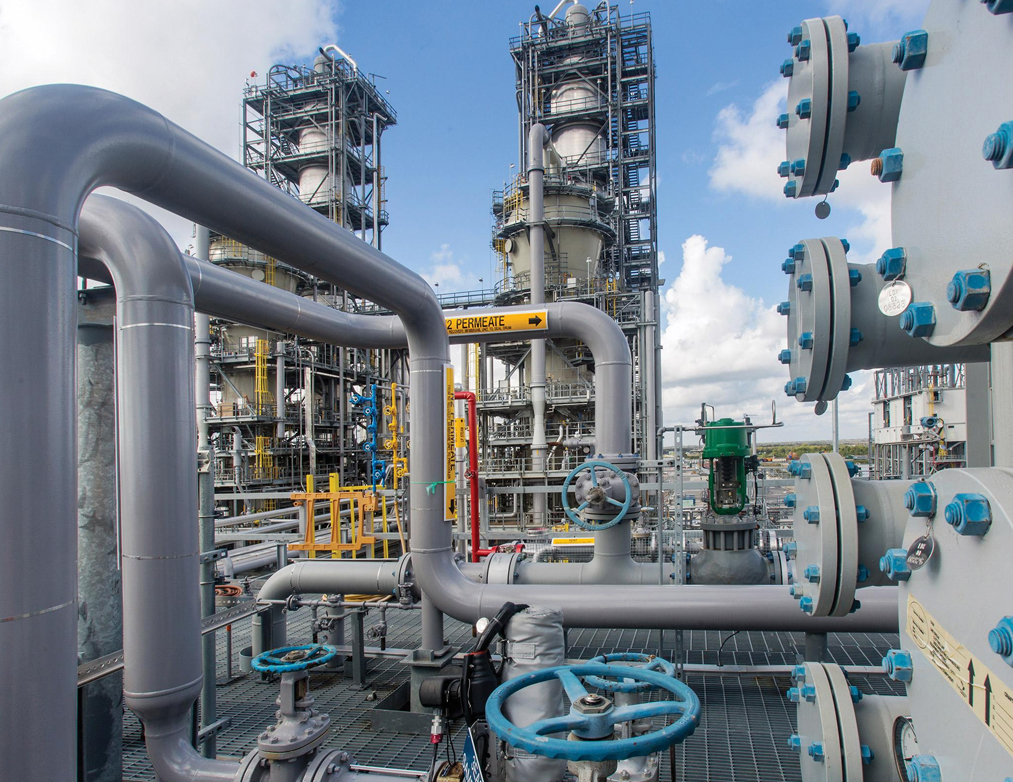
Performance & Engineering
The performance of a chemical injection pump is defined by several key parameters: flow rate (typically expressed in mL/min, L/hr, or GPH), pressure rating (psi or bar), suction lift (the vertical distance the pump can draw fluid from), and turndown ratio (the range over which the pump can reliably vary its flow rate). Flow rate accuracy is paramount and is often specified as a percentage of full scale (%FS). Engineering design focuses on minimizing pulsation, especially in metering applications where consistent delivery is critical. Dampeners and pulsation compensation systems are often integrated. Cavitation, a phenomenon where vapor bubbles form and collapse within the pump, is a major concern. It is mitigated by ensuring adequate Net Positive Suction Head Available (NPSHA) exceeds the Net Positive Suction Head Required (NPSHR) by the pump. Material selection must account for thermal expansion and contraction to prevent seal failures. The pump’s mechanical design must withstand the stresses induced by the pressurized fluid and reciprocating/rotating components. Finite Element Analysis (FEA) is frequently used during the design phase to optimize component geometry and material distribution for maximum strength and minimal weight. Compliance with industry standards such as API 674 (Reciprocating Compressors – though principles apply to pump design), and relevant safety regulations (ATEX for hazardous environments) are crucial. Force analysis of the drive mechanism – whether hydraulic, pneumatic, or motor-driven – is critical to ensure long-term reliability and accurate flow control. Corrosion resistance is validated through accelerated corrosion testing, exposing pump components to representative chemical environments.
Technical Specifications
| Parameter | Diaphragm Pump | Piston Pump | Peristaltic Pump |
|---|---|---|---|
| Maximum Pressure | Up to 200 psi (13.8 bar) | Up to 5000 psi (345 bar) | Up to 150 psi (10.3 bar) |
| Flow Rate Range | 0.5 – 100 L/hr | 0.1 – 50 L/hr | 0.001 – 20 L/hr |
| Accuracy | ± 1-2% FS | ± 0.5-1% FS | ± 1-3% FS |
| Turndown Ratio | 10:1 | 20:1 | 50:1 |
| Wetted Materials | PVDF, PTFE, PP | 316 SS, Hastelloy, PTFE | PTFE, Viton, EPDM |
| Suction Lift | Up to 8 ft (2.4 m) | Up to 20 ft (6.1 m) | Self-priming |
Failure Mode & Maintenance
Common failure modes in chemical injection pumps include diaphragm rupture (in diaphragm pumps), piston seal leakage (in piston pumps), and tube wear (in peristaltic pumps). Corrosion and erosion of wetted parts are also frequent causes of failure, particularly with abrasive or highly corrosive chemicals. Fatigue cracking can occur in pump heads subjected to cyclic pressure loading. Leakage, a prevalent issue, can result from seal degradation, loose connections, or cracked pump housing. Failure analysis often reveals root causes related to improper material selection, exceeding pressure or temperature limits, or inadequate maintenance. Preventive maintenance is crucial and includes regular inspection of seals, diaphragms, and tubing for wear or damage. Lubrication of moving parts is essential to reduce friction and prevent overheating. Backflushing the pump periodically helps to remove any accumulated deposits or solids. Calibration of the pump's flow rate is recommended at regular intervals to ensure accuracy. For diaphragm pumps, diaphragm replacement is a routine maintenance task. Regular monitoring of pump performance parameters such as pressure, flow rate, and motor current can help detect early signs of potential failure. Proper storage of spare parts and a detailed maintenance log are vital for minimizing downtime and extending pump life. Addressing cavitation promptly prevents significant component damage.
Industry FAQ
Q: What is the impact of chemical compatibility on pump selection and what testing is performed to ensure it?
A: Chemical compatibility is the single most critical factor in pump selection. Incompatible materials can lead to rapid degradation, swelling, or cracking, resulting in pump failure and potential leaks. Manufacturers typically conduct immersion testing, where pump components are submerged in the target chemical for extended periods to assess material stability. Concentration, temperature, and exposure duration are varied to simulate real-world operating conditions. Additionally, compatibility charts and material selection guides are used, but laboratory testing is essential for confirmation, especially with complex chemical mixtures.
Q: How does temperature affect pump performance and what measures can be taken to mitigate its impact?
A: Temperature affects fluid viscosity, which directly impacts flow rate and accuracy. Higher temperatures generally reduce viscosity, leading to increased flow. Temperature variations also cause thermal expansion and contraction of pump components, potentially affecting seal integrity. Mitigation strategies include using temperature-compensated flow meters, selecting materials with low coefficients of thermal expansion, and incorporating cooling or heating systems to maintain a stable fluid temperature.
Q: What are the key considerations when selecting a pump for a high-viscosity fluid?
A: High-viscosity fluids require pumps capable of generating higher suction lift and overcoming increased frictional resistance. Positive displacement pumps, particularly piston pumps and peristaltic pumps, are generally preferred. Pump sizing is critical to ensure sufficient flow rate without overstressing the motor or pump components. Self-priming capabilities are also desirable. Special consideration should be given to the pump's ability to handle the fluid's shear sensitivity.
Q: What are the advantages and disadvantages of diaphragm versus piston pumps for chemical injection?
A: Diaphragm pumps offer better chemical resistance and are generally less expensive, making them suitable for a wider range of applications. They also provide a smoother flow with lower pulsation. However, they typically have lower pressure capabilities and may require more frequent diaphragm replacement. Piston pumps excel in high-pressure applications and offer higher accuracy, but they are more susceptible to corrosion and require more robust sealing systems.
Q: How important is pulsation dampening and what techniques are used to achieve it?
A: Pulsation dampening is critical for applications requiring precise and consistent chemical delivery, preventing process fluctuations and potential equipment damage. Techniques include incorporating pulsation dampeners (typically accumulators) in the discharge line, using multi-stroke pumping mechanisms, and optimizing pump speed and stroke length. Proper piping design, including the use of flexible hoses and larger diameter piping, can also help to reduce pulsation.
Conclusion
Chemical injection pumps are sophisticated devices essential to numerous industrial processes. Their reliable and accurate performance relies heavily on careful material selection, robust engineering design, and meticulous manufacturing processes. Understanding the nuances of fluid properties, potential failure modes, and adherence to industry standards is paramount for optimal pump selection and long-term operational efficiency. The choice between diaphragm, piston, or peristaltic pump types is dictated by specific application demands, including pressure requirements, fluid characteristics, and desired accuracy.
Continued advancements in materials science and pump control technology are driving improvements in performance, reliability, and chemical compatibility. The integration of smart monitoring systems and predictive maintenance algorithms will further enhance pump uptime and reduce operational costs. Proper maintenance protocols, coupled with comprehensive failure analysis, remain foundational to maximizing the lifespan and effectiveness of these critical components.
-
Precision at the Pump: How Better Machining Protects Flow and Uptime
News2026-11-20
-
Why Pump Reliability Begins Before the First Drop of Fluid
News2026-11-20
-
Beyond the Pump: Designing Safer Access Around Critical Water Infrastructure
News2026-11-20
-
Why Pumping Stations Depend on the Infrastructure Beneath the Pumps
News2026-11-20
-
Beyond the Pump Room: How Smarter Loading Protects Industrial Equipment
News2026-11-19
-
When Pumps Stop: Designing More Resilient Power for Critical Pumping Systems
News2026-11-19
-
The Hidden Role of Dust and Gas Monitoring in Reliable Pump Operations
News2026-11-19
-
The Hidden Role of Mineral Compounds in Extending Industrial Pump Lifespan
News2026-10-12
-
Why Pump System Reliability Depends on Precision Hose Assembly Methods
News2026-09-15
-
How Advanced Imaging Films Are Transforming Pump Component Quality Control
News2026-08-25
-
How Advanced Filtration Protects Pump Systems from Premature Wear and Costly Downtime
News2026-08-25
-
How Steel Material Selection Drives Pump Reliability in Heavy-Duty Systems
News2026-08-25
-
Ensuring Pump System Efficiency: The Role of High-Quality Pipe Fittings and Tubing
News2026-08-24
-
Optimizing Fluid Dynamics and Material Consistency in Industrial Processing
News2026-08-18
-
Innovations and Challenges in Hydraulic Systems for Heavy Machinery
News2026-08-13




