English
- Afrikaans
- Albanian
- Amharic
- Arabic
- Armenian
- Azerbaijani
- Basque
- Belarusian
- Bengali
- Bosnian
- Bulgarian
- Catalan
- Cebuano
- Corsican
- Croatian
- Czech
- Danish
- Dutch
- English
- Esperanto
- Estonian
- Finnish
- French
- Frisian
- Galician
- Georgian
- German
- Greek
- Gujarati
- Haitian Creole
- hausa
- hawaiian
- Hebrew
- Hindi
- Miao
- Hungarian
- Icelandic
- igbo
- Indonesian
- irish
- Italian
- Japanese
- Javanese
- Kannada
- kazakh
- Khmer
- Rwandese
- Korean
- Kurdish
- Kyrgyz
- Lao
- Latin
- Latvian
- Lithuanian
- Luxembourgish
- Macedonian
- Malgashi
- Malay
- Malayalam
- Maltese
- Maori
- Marathi
- Mongolian
- Myanmar
- Nepali
- Norwegian
- Norwegian
- Occitan
- Pashto
- Persian
- Polish
- Portuguese
- Punjabi
- Romanian
- Russian
- Samoan
- Scottish Gaelic
- Serbian
- Sesotho
- Shona
- Sindhi
- Sinhala
- Slovak
- Slovenian
- Somali
- Spanish
- Sundanese
- Swahili
- Swedish
- Tagalog
- Tajik
- Tamil
- Tatar
- Telugu
- Thai
- Turkish
- Turkmen
- Ukrainian
- Urdu
- Uighur
- Uzbek
- Vietnamese
- Welsh
- Bantu
- Yiddish
- Yoruba
- Zulu

Telephone: +86 13120555503
Email: frank@cypump.com


Apr . 01, 2024 17:55 Back to list
chemical industry pumps Performance Engineering
Introduction
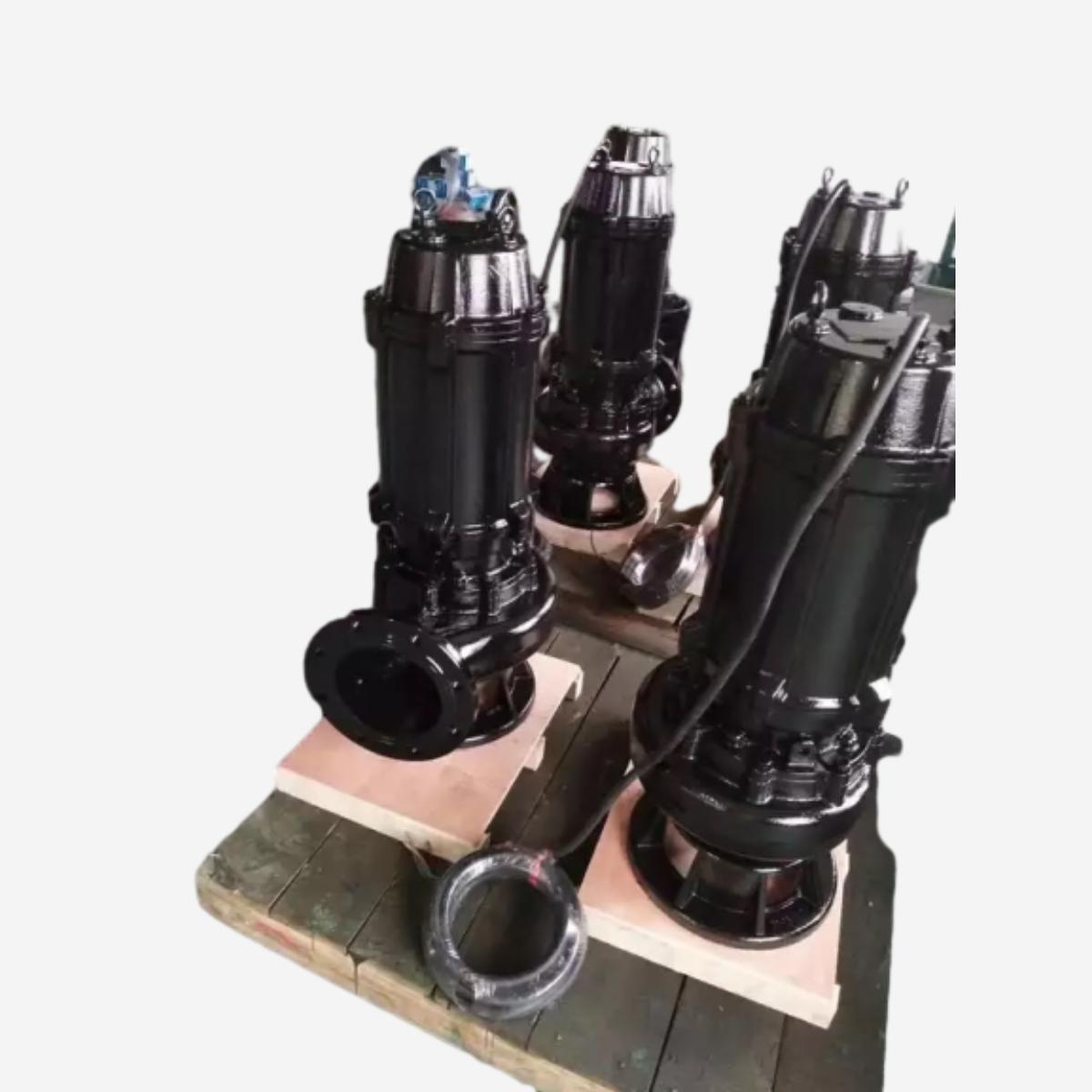
Chemical industry pumps are engineered devices critical for the safe and efficient transfer of corrosive, abrasive, and often hazardous fluids within chemical processing plants. Unlike general-purpose pumps, these units are specifically designed to withstand the aggressive chemical environments and demanding operational requirements inherent in the industry. Their technical position within the chemical supply chain is paramount; efficient pumping is fundamental to reaction control, product separation, material handling, and waste management. Core performance characteristics include flow rate (m³/h), differential head (m), net positive suction head required (NPSHr), and materials of construction compatibility. The primary industry pain point addressed by advanced chemical pumps is preventing catastrophic failure due to corrosion, erosion, and leakage, while simultaneously maintaining stringent process control and minimizing downtime. This guide provides a comprehensive overview of chemical pump technology, covering material science, manufacturing processes, performance engineering, failure analysis, and relevant industry standards.
Material Science & Manufacturing
The selection of materials for chemical industry pumps is dictated by the fluid being pumped and the operating conditions. Common materials include: 316 Stainless Steel (excellent corrosion resistance to many acids and alkalis), Alloy 20 (superior resistance to sulfuric acid), Hastelloy (nickel-based alloy for highly corrosive environments like hydrochloric acid), Polypropylene (PP) and Polyvinylidene Fluoride (PVDF) plastics (good chemical resistance at lower temperatures and pressures), and Ceramic materials (high hardness and chemical inertness, used for wear-resistant components). Pump housings are typically manufactured via investment casting for complex geometries and smooth internal surfaces, or sand casting for larger components. Impellers can be produced using centrifugal casting for improved grain structure and strength, or machined from solid bar stock. Shaft seals are critical and commonly employ mechanical seals utilizing materials like silicon carbide and PTFE to prevent leakage. Welding procedures for stainless steel and alloy components must adhere to ASME Section IX standards, including pre- and post-weld heat treatment to prevent sensitization and maintain corrosion resistance. Plastic components are typically produced through injection molding, requiring precise temperature and pressure control to minimize stress cracking and ensure dimensional accuracy. Quality control during manufacturing involves non-destructive testing (NDT) like radiography and ultrasonic testing to identify flaws in welds and castings, as well as hydrostatic testing to verify pressure integrity.
Performance & Engineering
Pump performance is fundamentally governed by fluid mechanics principles. Force analysis considers impeller blade loading, shaft bending moments, and housing stress under pressure. Cavitation is a significant concern; NPSHr must be carefully calculated and maintained to prevent vapor bubble formation and subsequent damage to the impeller. Environmental resistance is critical, including resistance to temperature fluctuations, UV exposure (for externally mounted pumps), and potential for atmospheric corrosion. Pumps must meet relevant compliance requirements, such as those outlined by the American Petroleum Institute (API 610 for centrifugal pumps) and OSHA safety standards. Functional implementation often involves Variable Frequency Drives (VFDs) to precisely control flow rate and pressure, optimizing energy consumption and process control. The hydraulic institute standards provide guidelines for pump performance testing and efficiency calculations. Pump curves, detailing head-flow characteristics, are essential for proper system design and matching pump selection to process requirements. Finite Element Analysis (FEA) is routinely used to optimize pump housing design and minimize stress concentrations. The pump's Material Selection must be aligned with the Chemical Compatibility Data, to ensure there is no degradation or reaction with the materials used.
Technical Specifications
| Parameter | Centrifugal Pump (PP Housing) | Magnetic Drive Pump (PVDF Housing) | Diaphragm Pump (PTFE Diaphragm) | Gear Pump (316 SS Gears) |
|---|---|---|---|---|
| Maximum Flow Rate (m³/h) | 60 | 30 | 10 | 15 |
| Maximum Head (m) | 40 | 50 | 5 | 80 |
| Temperature Range (°C) | 0-80 | 0-100 | -20-120 | -30-180 |
| NPSHr (m) | 2.5 | 3.0 | 1.0 | 4.0 |
| Solids Handling Capacity (mm) | 2 | 0 | 5 | 0 |
| Viscosity Range (cP) | Up to 500 | Up to 200 | Up to 10000 | Up to 5000 |
Failure Mode & Maintenance
Common failure modes in chemical industry pumps include: corrosion-induced pitting and erosion of impeller and housing, mechanical seal failure leading to leakage, bearing failure due to inadequate lubrication or contamination, cavitation damage resulting in impeller erosion, and shaft fatigue cracking under cyclic loading. Failure analysis techniques involve visual inspection, metallographic analysis, and non-destructive testing to determine the root cause. Preventive maintenance is crucial and should include regular inspection of seals, bearings, and impeller condition. Lubrication schedules must be strictly followed using chemically compatible lubricants. Routine vibration analysis can detect bearing wear and imbalance. Mechanical seals should be replaced at predetermined intervals based on operating conditions and fluid corrosivity. Periodic flushing of pump housings removes accumulated solids and prevents clogging. For diaphragm pumps, diaphragm failure is common and requires replacement. In case of corrosion, material upgrades or the use of corrosion inhibitors should be considered. Proper alignment of pump and motor is essential to minimize vibration and extend bearing life. A detailed maintenance log should be kept to track repairs and replacement parts.
Industry FAQ
Q: What are the key considerations when selecting a pump material for handling concentrated sulfuric acid?
A: Concentrated sulfuric acid is extremely corrosive. 316 Stainless Steel is generally insufficient. Alloy 20 is a good starting point but Hastelloy C-276 or similar high-nickel alloys are preferred for long-term reliability, particularly at elevated temperatures. Careful consideration must also be given to the seal materials; PTFE or other fluoropolymers are typically required.
Q: How do magnetic drive pumps compare to mechanically sealed centrifugal pumps in terms of leakage risk?
A: Magnetic drive pumps eliminate the need for a mechanical seal, thereby eliminating the primary source of leakage in centrifugal pumps. This makes them ideal for handling hazardous or environmentally sensitive fluids. However, they typically have lower allowable operating pressures and temperatures and can be more expensive.
Q: What steps should be taken to prevent cavitation damage in a chemical pump?
A: Ensure adequate NPSHa (Net Positive Suction Head Available) exceeds the NPSHr (Net Positive Suction Head Required) by a safe margin. Minimize suction lift. Reduce fluid velocity in the suction piping. Avoid sharp bends and restrictions in the suction line. Consider using a booster pump if NPSHa is insufficient.
Q: What is the importance of impeller balancing, and how often should it be performed?
A: Impeller balancing minimizes vibration and extends bearing life. An unbalanced impeller creates a dynamic load on the shaft and bearings, leading to premature failure. Balancing should be performed during initial assembly and whenever the impeller is repaired or modified. Routine vibration analysis can indicate when rebalancing is necessary.
Q: What are the advantages and disadvantages of diaphragm pumps when dealing with abrasive slurries?
A: Diaphragm pumps excel at handling abrasive slurries because the fluid is completely contained within the pump and does not come into contact with the moving parts. This minimizes wear and erosion. However, they generally have lower flow rates and pressures compared to centrifugal pumps, and the diaphragms themselves are subject to wear and require periodic replacement.
Conclusion
Chemical industry pumps represent a critical component of numerous chemical processing operations. The selection, application, and maintenance of these pumps require a deep understanding of material science, fluid mechanics, and relevant industry standards. Prioritizing corrosion resistance, leak prevention, and adherence to safety regulations are paramount to ensure reliable and safe operation.
Future advancements in chemical pump technology will likely focus on the development of new materials with enhanced corrosion resistance, improved monitoring and diagnostic capabilities (e.g., IoT-enabled sensors), and more energy-efficient designs. Continued investment in preventative maintenance programs and operator training will be essential to maximize pump uptime and minimize the risk of catastrophic failures.
-
Precision at the Pump: How Better Machining Protects Flow and Uptime
News2026-11-20
-
Why Pump Reliability Begins Before the First Drop of Fluid
News2026-11-20
-
Beyond the Pump: Designing Safer Access Around Critical Water Infrastructure
News2026-11-20
-
Why Pumping Stations Depend on the Infrastructure Beneath the Pumps
News2026-11-20
-
Beyond the Pump Room: How Smarter Loading Protects Industrial Equipment
News2026-11-19
-
When Pumps Stop: Designing More Resilient Power for Critical Pumping Systems
News2026-11-19
-
The Hidden Role of Dust and Gas Monitoring in Reliable Pump Operations
News2026-11-19
-
The Hidden Role of Mineral Compounds in Extending Industrial Pump Lifespan
News2026-10-12
-
Why Pump System Reliability Depends on Precision Hose Assembly Methods
News2026-09-15
-
How Advanced Imaging Films Are Transforming Pump Component Quality Control
News2026-08-25
-
How Advanced Filtration Protects Pump Systems from Premature Wear and Costly Downtime
News2026-08-25
-
How Steel Material Selection Drives Pump Reliability in Heavy-Duty Systems
News2026-08-25
-
Ensuring Pump System Efficiency: The Role of High-Quality Pipe Fittings and Tubing
News2026-08-24
-
Optimizing Fluid Dynamics and Material Consistency in Industrial Processing
News2026-08-18
-
Innovations and Challenges in Hydraulic Systems for Heavy Machinery
News2026-08-13




