English
- Afrikaans
- Albanian
- Amharic
- Arabic
- Armenian
- Azerbaijani
- Basque
- Belarusian
- Bengali
- Bosnian
- Bulgarian
- Catalan
- Cebuano
- Corsican
- Croatian
- Czech
- Danish
- Dutch
- English
- Esperanto
- Estonian
- Finnish
- French
- Frisian
- Galician
- Georgian
- German
- Greek
- Gujarati
- Haitian Creole
- hausa
- hawaiian
- Hebrew
- Hindi
- Miao
- Hungarian
- Icelandic
- igbo
- Indonesian
- irish
- Italian
- Japanese
- Javanese
- Kannada
- kazakh
- Khmer
- Rwandese
- Korean
- Kurdish
- Kyrgyz
- Lao
- Latin
- Latvian
- Lithuanian
- Luxembourgish
- Macedonian
- Malgashi
- Malay
- Malayalam
- Maltese
- Maori
- Marathi
- Mongolian
- Myanmar
- Nepali
- Norwegian
- Norwegian
- Occitan
- Pashto
- Persian
- Polish
- Portuguese
- Punjabi
- Romanian
- Russian
- Samoan
- Scottish Gaelic
- Serbian
- Sesotho
- Shona
- Sindhi
- Sinhala
- Slovak
- Slovenian
- Somali
- Spanish
- Sundanese
- Swahili
- Swedish
- Tagalog
- Tajik
- Tamil
- Tatar
- Telugu
- Thai
- Turkish
- Turkmen
- Ukrainian
- Urdu
- Uighur
- Uzbek
- Vietnamese
- Welsh
- Bantu
- Yiddish
- Yoruba
- Zulu

Telephone: +86 13120555503
Email: frank@cypump.com


Apr . 01, 2024 17:55 Back to list
chemical industry pump Performance Engineering
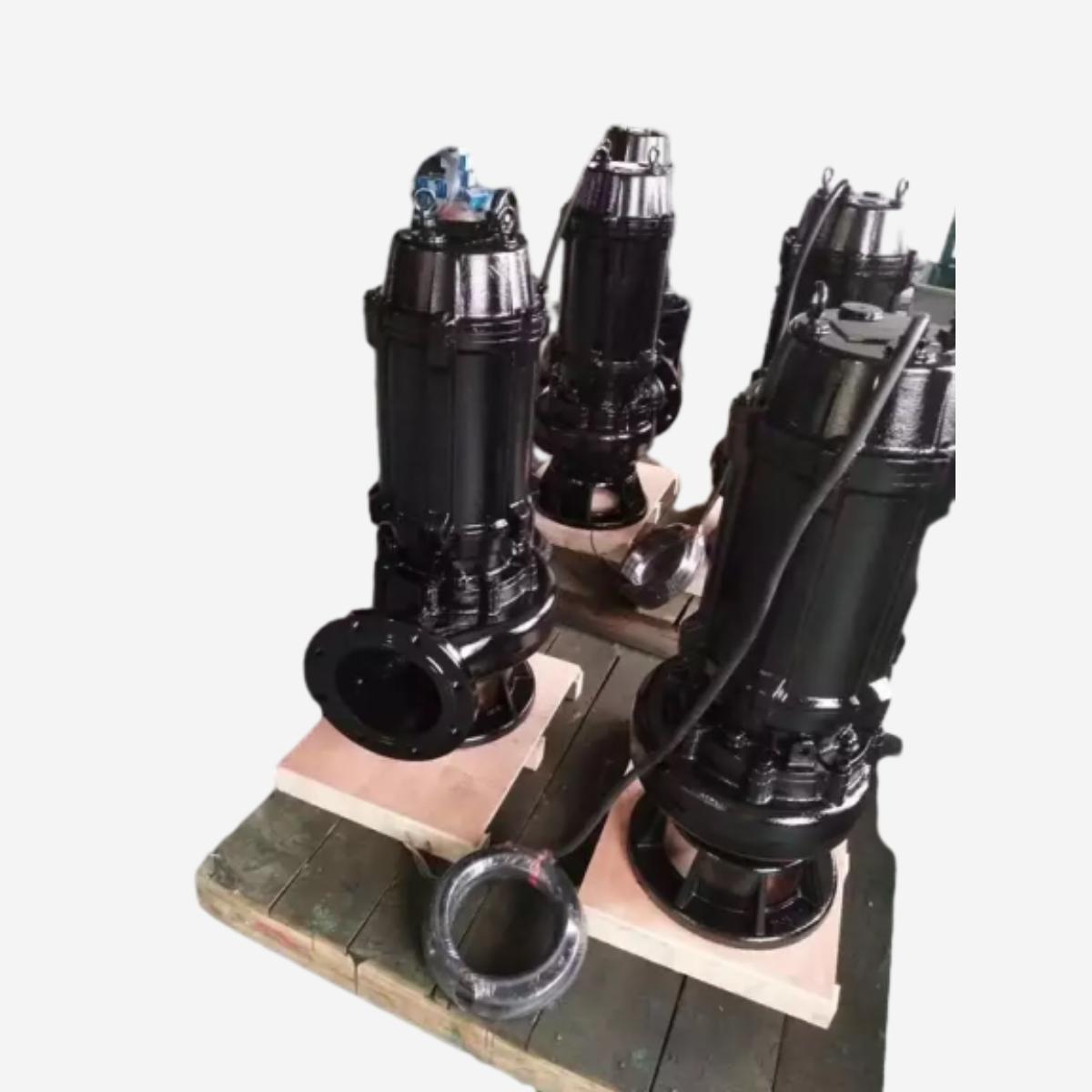
Introduction
Centrifugal pumps designed for the chemical industry represent a critical component in numerous processes, facilitating the transfer of corrosive, abrasive, and high-purity fluids. Unlike pumps used in general industrial applications, these are specifically engineered to withstand the aggressive chemical environments common in production, processing, and wastewater treatment within the chemical sector. Their technical position within the industry chain is central, serving as the vital link between reaction vessels, storage tanks, distillation columns, and other processing units. Core performance characteristics revolve around maintaining flow rate, pressure, and fluid integrity, while simultaneously preventing leakage and ensuring long-term reliability in highly demanding conditions. The primary industry pain points addressed by these pumps include material compatibility with diverse chemical compositions, preventing catastrophic failure due to corrosion or erosion, and adhering to stringent safety and environmental regulations.
Material Science & Manufacturing
The selection of materials is paramount in chemical pump construction. Common wetted parts are constructed from materials like 316 Stainless Steel (offering excellent corrosion resistance to many chemicals), Alloy 20 (superior to 316 in sulfuric and phosphoric acids), Hastelloy C-276 (exceptional resistance to a broad spectrum of aggressive media, including chlorides), Polypropylene (PP) and Polyvinylidene Fluoride (PVDF) for less demanding applications. Manufacturing typically begins with precision casting or forging of the pump housing and impeller. Impellers are often investment cast to achieve complex geometries required for efficient fluid transfer. Welding processes, such as Gas Tungsten Arc Welding (GTAW) and Shielded Metal Arc Welding (SMAW), are utilized for joining components, demanding highly skilled welders and strict adherence to welding procedures (WPS) to prevent porosity and cracks. Shaft sealing is critical; mechanical seals utilizing materials like Silicon Carbide (SiC) against SiC or Tungsten Carbide (WC) are standard, with the selection dependent on the fluid compatibility and operating conditions. Key parameter control during manufacturing focuses on dimensional accuracy, surface finish (to minimize friction and corrosion initiation sites), and weld quality. Post-weld heat treatment (PWHT) is often employed to relieve residual stresses and enhance material properties. Material certifications (ASTM standards) are a non-negotiable requirement for all critical components.
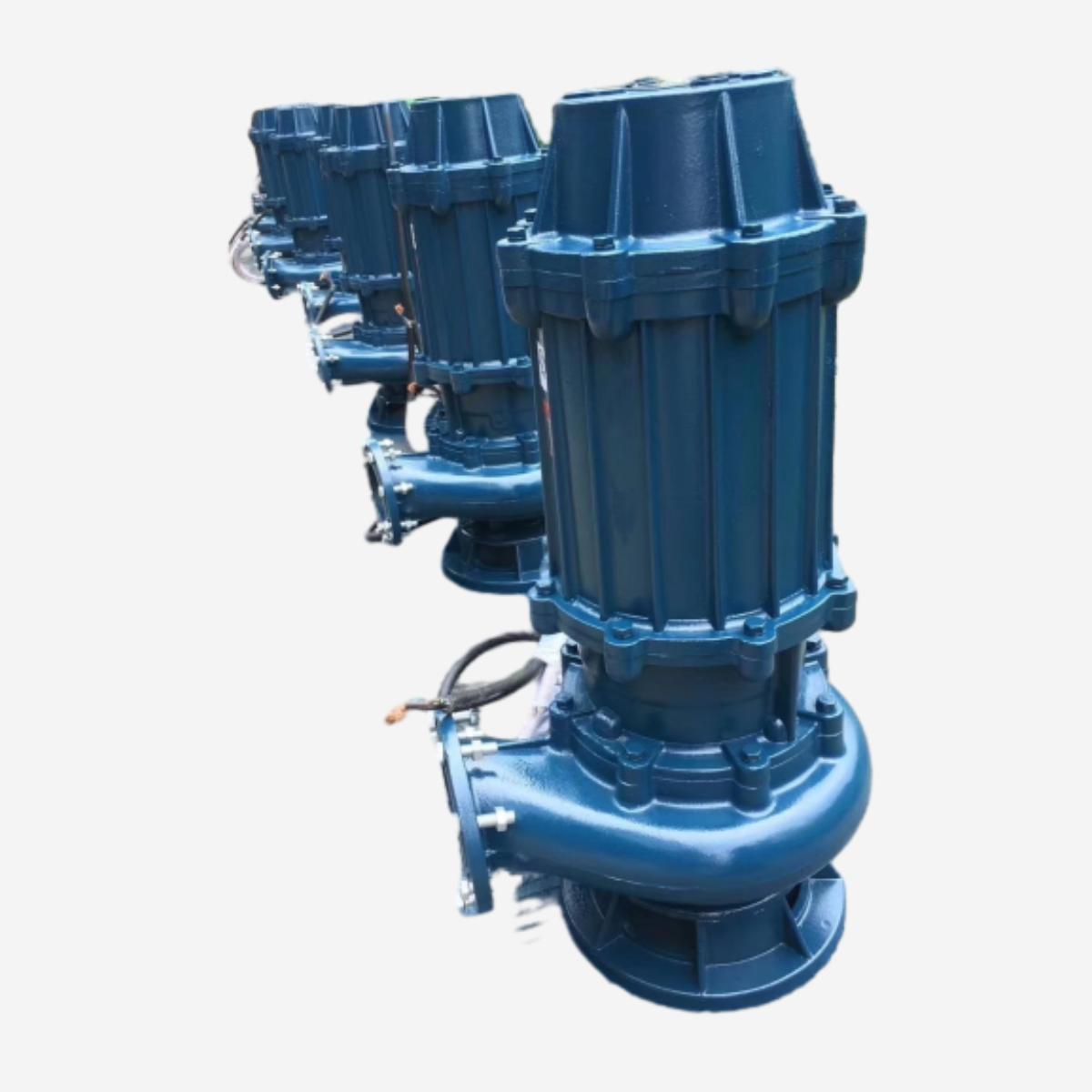
Performance & Engineering
Pump performance is dictated by several key engineering principles. Force analysis considers centrifugal force generated by the impeller, hydrostatic pressure, and the potential for hydraulic shock. Cavitation, a major concern, occurs when the absolute pressure at the impeller inlet drops below the vapor pressure of the fluid, forming vapor bubbles that collapse and erode the impeller material. Proper Net Positive Suction Head Required (NPSHr) calculation and pump placement are crucial to prevent cavitation. Environmental resistance addresses the impact of temperature, pressure, and external atmospheric conditions. Pumps must be designed to operate within specified temperature ranges, accounting for thermal expansion and contraction of materials. Compliance requirements are extensive, often dictated by industry standards like API 610 (Centrifugal Pumps) and ASME B31.3 (Process Piping). Functional implementation involves precise hydraulic design to optimize flow rate, head, and efficiency. Volute casing geometry, impeller blade angles, and internal clearances are all carefully engineered to minimize energy losses and maximize pump performance. Proper pump sizing is critical; an undersized pump will not meet process demands, while an oversized pump will operate inefficiently and potentially cause system instability.
Technical Specifications
| Flow Rate (m³/hr) | Head (m) | Operating Pressure (bar) | Temperature Range (°C) |
|---|---|---|---|
| 5 - 50 | 10 - 100 | 0.5 - 20 | -40 to 150 |
| 20 - 200 | 50 - 300 | 2 - 40 | -30 to 200 |
| 100 - 1000 | 150 - 600 | 10 - 80 | 0 to 250 |
| 500 - 5000 | 300 - 1200 | 40 - 160 | -20 to 300 |
| Material of Construction | Seal Material | Driver Type | Connection Type |
| 316 SS, Hastelloy C-276, PP, PVDF | SiC/SiC, TC/TC, PTFE | Electric Motor, Pneumatic, Hydraulic | Flanged, Threaded, Clamp |
Failure Mode & Maintenance
Common failure modes in chemical pumps include impeller erosion due to abrasive particles in the fluid, corrosion-induced material degradation, mechanical seal failure (leading to leakage), bearing failure (resulting from inadequate lubrication or contamination), and casing cracking due to thermal stress or hydraulic shock. Fatigue cracking can occur in components subjected to cyclic loading. Delamination of coatings (if applied) can expose underlying materials to corrosive attack. Oxidation of metallic components at elevated temperatures is also a concern. Preventive maintenance is critical and includes regular visual inspections for leaks, vibration analysis to detect bearing wear, lubrication schedules, and periodic replacement of wear parts (seals, bearings). Non-destructive testing (NDT) methods like ultrasonic testing (UT) and radiographic testing (RT) can detect internal flaws in pump components. Proper flushing of the pump before startup and shutdown is essential to prevent deposits and corrosion. Regular monitoring of pump performance parameters (flow rate, pressure, power consumption) can provide early warning signs of potential problems. A robust record-keeping system is crucial for tracking maintenance activities and identifying recurring failure patterns.
Industry FAQ
Q: What are the key considerations when selecting a pump material for handling concentrated sulfuric acid?
A: Concentrated sulfuric acid is extremely corrosive. While 316 Stainless Steel offers some resistance, it’s often insufficient. Alloy 20 and Hastelloy C-276 are preferred choices due to their superior resistance to sulfuric acid attack. The concentration and temperature of the acid are critical factors – higher concentrations and temperatures necessitate more robust materials. Consider the potential for stress corrosion cracking and ensure the material is appropriately heat-treated.
Q: How does cavitation affect pump performance and longevity?
A: Cavitation severely reduces pump efficiency and can cause significant damage to the impeller. The imploding vapor bubbles create localized high-energy impacts that erode the impeller material, leading to pitting and ultimately, reduced flow rate and head. Prolonged cavitation can lead to catastrophic pump failure. Increasing NPSHa (Net Positive Suction Head Available) is the primary method for preventing cavitation.
Q: What are the advantages of using a mechanical seal over a packing gland in chemical pump applications?
A: Mechanical seals generally offer superior leakage control compared to packing glands, which is critical when handling hazardous or environmentally sensitive chemicals. They also require less frequent adjustment and maintenance. However, mechanical seals are more complex and expensive, and can be sensitive to particulate contamination. The choice depends on the specific application and fluid properties.
Q: What is the importance of adhering to API 610 standards for centrifugal pumps?
A: API 610 is a widely recognized industry standard for centrifugal pumps used in the petrochemical and chemical processing industries. Adherence ensures that the pump is designed, manufactured, and tested to meet stringent safety and reliability requirements. It covers aspects such as material selection, dimensional tolerances, performance testing, and documentation, minimizing the risk of failure and ensuring long-term operational integrity.
Q: How do I determine the appropriate pump sizing for a specific chemical process?
A: Pump sizing requires a thorough understanding of the process requirements. Key parameters include flow rate, head (pressure differential), fluid viscosity, specific gravity, temperature, and the presence of any solids. You must also account for potential variations in process conditions. Utilizing pump performance curves and system head curves is essential to select a pump that operates efficiently and reliably within the desired operating range. Oversizing can lead to energy waste and instability, while undersizing can result in insufficient flow.
Conclusion
The selection and application of chemical industry pumps demand a comprehensive understanding of material science, fluid dynamics, and industry-specific regulations. Achieving reliable and safe operation hinges on meticulous attention to detail, from material compatibility and precision manufacturing to proper installation and preventative maintenance. Failure to address these critical factors can result in costly downtime, environmental hazards, and potential safety risks.
Future advancements in chemical pump technology are focused on developing more corrosion-resistant materials, optimizing impeller designs for improved efficiency, and incorporating advanced monitoring systems for predictive maintenance. The integration of Industry 4.0 principles, such as IoT-enabled sensors and data analytics, will enable proactive maintenance strategies and minimize unplanned downtime, ultimately enhancing process reliability and reducing operational costs.
-
Precision at the Pump: How Better Machining Protects Flow and Uptime
News2026-11-20
-
Why Pump Reliability Begins Before the First Drop of Fluid
News2026-11-20
-
Beyond the Pump: Designing Safer Access Around Critical Water Infrastructure
News2026-11-20
-
Why Pumping Stations Depend on the Infrastructure Beneath the Pumps
News2026-11-20
-
Beyond the Pump Room: How Smarter Loading Protects Industrial Equipment
News2026-11-19
-
When Pumps Stop: Designing More Resilient Power for Critical Pumping Systems
News2026-11-19
-
The Hidden Role of Dust and Gas Monitoring in Reliable Pump Operations
News2026-11-19
-
The Hidden Role of Mineral Compounds in Extending Industrial Pump Lifespan
News2026-10-12
-
Why Pump System Reliability Depends on Precision Hose Assembly Methods
News2026-09-15
-
How Advanced Imaging Films Are Transforming Pump Component Quality Control
News2026-08-25
-
How Advanced Filtration Protects Pump Systems from Premature Wear and Costly Downtime
News2026-08-25
-
How Steel Material Selection Drives Pump Reliability in Heavy-Duty Systems
News2026-08-25
-
Ensuring Pump System Efficiency: The Role of High-Quality Pipe Fittings and Tubing
News2026-08-24
-
Optimizing Fluid Dynamics and Material Consistency in Industrial Processing
News2026-08-18
-
Innovations and Challenges in Hydraulic Systems for Heavy Machinery
News2026-08-13




