English
- Afrikaans
- Albanian
- Amharic
- Arabic
- Armenian
- Azerbaijani
- Basque
- Belarusian
- Bengali
- Bosnian
- Bulgarian
- Catalan
- Cebuano
- Corsican
- Croatian
- Czech
- Danish
- Dutch
- English
- Esperanto
- Estonian
- Finnish
- French
- Frisian
- Galician
- Georgian
- German
- Greek
- Gujarati
- Haitian Creole
- hausa
- hawaiian
- Hebrew
- Hindi
- Miao
- Hungarian
- Icelandic
- igbo
- Indonesian
- irish
- Italian
- Japanese
- Javanese
- Kannada
- kazakh
- Khmer
- Rwandese
- Korean
- Kurdish
- Kyrgyz
- Lao
- Latin
- Latvian
- Lithuanian
- Luxembourgish
- Macedonian
- Malgashi
- Malay
- Malayalam
- Maltese
- Maori
- Marathi
- Mongolian
- Myanmar
- Nepali
- Norwegian
- Norwegian
- Occitan
- Pashto
- Persian
- Polish
- Portuguese
- Punjabi
- Romanian
- Russian
- Samoan
- Scottish Gaelic
- Serbian
- Sesotho
- Shona
- Sindhi
- Sinhala
- Slovak
- Slovenian
- Somali
- Spanish
- Sundanese
- Swahili
- Swedish
- Tagalog
- Tajik
- Tamil
- Tatar
- Telugu
- Thai
- Turkish
- Turkmen
- Ukrainian
- Urdu
- Uighur
- Uzbek
- Vietnamese
- Welsh
- Bantu
- Yiddish
- Yoruba
- Zulu

Telephone: +86 13120555503
Email: frank@cypump.com


Apr . 01, 2024 17:55 Back to list
chemical handling pumps Performance Engineering
Introduction
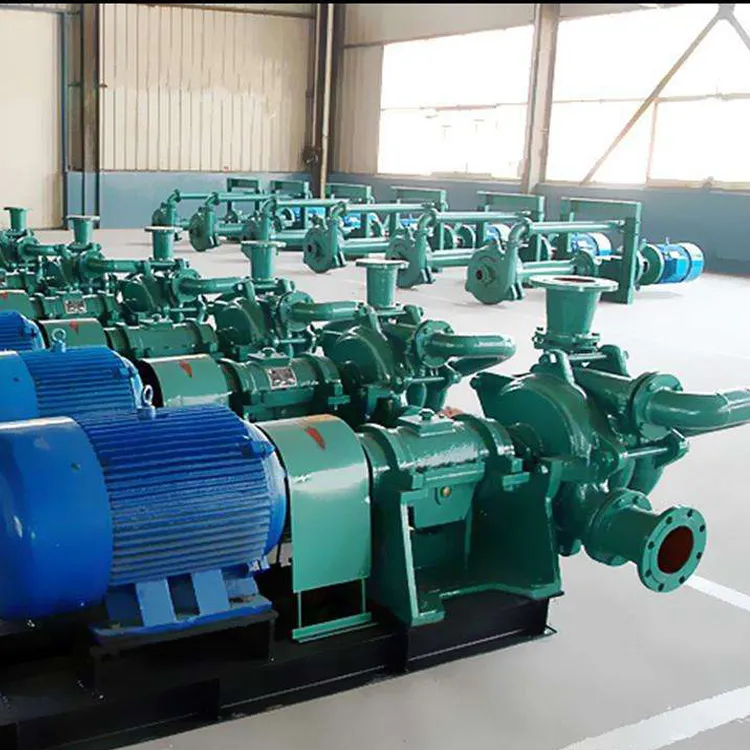
Chemical handling pumps are specialized industrial pumps designed to safely and reliably transfer corrosive, volatile, or otherwise hazardous chemicals. Positioned within the broader fluid transfer industry, they represent a critical component in a wide range of processes, from chemical manufacturing and wastewater treatment to pharmaceutical production and semiconductor fabrication. Unlike general-purpose pumps, chemical handling pumps prioritize material compatibility, leak prevention, and operational safety. Core performance characteristics are defined by flow rate (gallons per minute or liters per hour), head (the maximum height the pump can lift the fluid), and net positive suction head required (NPSHr), all of which are dictated by the specific chemical being transferred and the system’s process demands. The industry faces ongoing challenges related to increasingly stringent environmental regulations, the need for enhanced safety protocols, and the demand for pumps capable of handling ever-more aggressive chemical formulations. This guide provides a comprehensive technical overview of chemical handling pumps, covering material science, manufacturing, performance engineering, failure modes, and industry standards.
Material Science & Manufacturing
The selection of materials for chemical handling pumps is paramount, dictated by the chemical resistance required for the intended application. Common wetted parts materials include: Polypropylene (PP), exhibiting good resistance to acids and alkalis, but limited temperature range; Polyvinylidene Fluoride (PVDF), offering broad chemical compatibility and higher temperature resistance than PP; Polytetrafluoroethylene (PTFE), exceptionally chemically inert but with lower mechanical strength; Stainless Steel (316, 304), providing robust corrosion resistance in many applications, though susceptible to pitting in chloride-rich environments; and Alloy 20, a nickel-iron-chromium alloy offering superior corrosion resistance in severe environments. Pump housings are typically manufactured through injection molding (for plastics) or casting/machining (for metals). Impeller fabrication utilizes similar techniques, with stringent balancing requirements to minimize vibration and bearing wear. Seals are critical components; options include mechanical seals (offering leak-free operation) constructed from materials like silicon carbide, Teflon, and Viton, and dynamic O-rings utilizing materials compatible with the pumped fluid. Manufacturing parameter control is vital; injection molding requires precise temperature and pressure control to ensure dimensional accuracy and material homogeneity. Welding processes, employed for metal pump construction, must adhere to standards like AWS D1.1 to guarantee weld integrity and prevent corrosion initiation points. Surface finishing, such as passivation for stainless steel, enhances corrosion resistance. Critical tolerances during machining affect pump efficiency and seal performance.
Performance & Engineering
Pump performance is fundamentally governed by fluid dynamics principles. Centrifugal pumps, the most common type for chemical handling, rely on converting rotational energy into kinetic energy, then pressure energy. Force analysis must consider the fluid’s density, viscosity, and velocity, as well as the pump’s impeller geometry. Cavitation – the formation and collapse of vapor bubbles – is a major concern, particularly with volatile chemicals. Maintaining sufficient NPSH is crucial to prevent cavitation, which can erode impeller surfaces and reduce pump efficiency. Environmental resistance considerations include temperature fluctuations, which affect material properties and seal performance; exposure to UV radiation, which can degrade plastics; and the potential for electrostatic discharge (ESD) when handling flammable liquids. Compliance requirements are extensive, encompassing OSHA regulations for worker safety, EPA guidelines for emissions control, and potentially REACH or RoHS directives depending on the application and geographic location. Functional implementation details often involve integrating the pump into a larger process system, requiring careful consideration of piping layout, control systems, and safety interlocks. Variable frequency drives (VFDs) are frequently used to control pump speed and flow rate, optimizing energy efficiency and process control. Material selection impacts hydraulic efficiency; smoother internal surfaces reduce friction losses.
Technical Specifications
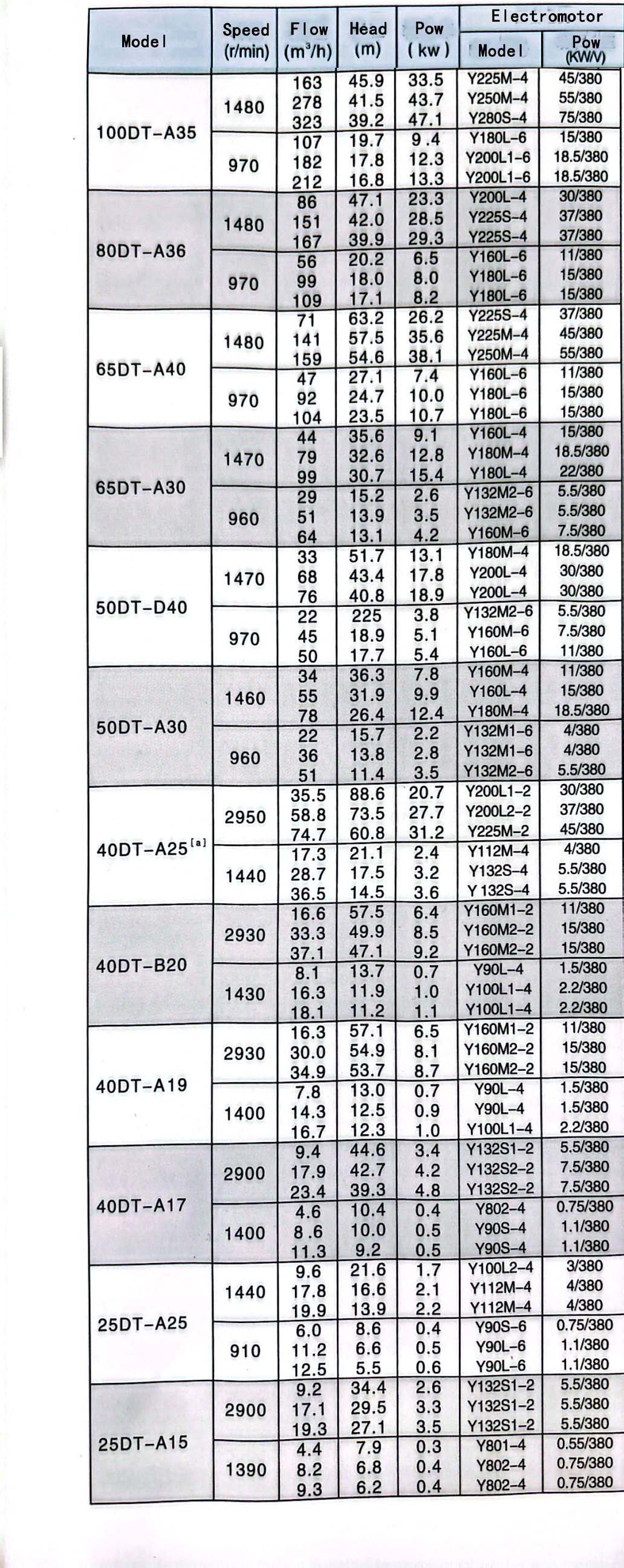
| Parameter | Unit | Typical Range (Polypropylene Pump) | Typical Range (PVDF Pump) |
|---|---|---|---|
| Maximum Flow Rate | GPM | 0-120 | 0-200 |
| Maximum Head | ft | 0-80 | 0-120 |
| Temperature Range | °F | 32-176 | 32-250 |
| NPSHr | ft | 5-15 | 3-10 |
| Solids Handling Capability | mm | <5 | <5 |
| Chemical Compatibility | - | Good for acids, bases, solvents (consult compatibility chart) | Excellent for a broader range of chemicals; superior to PP |
Failure Mode & Maintenance
Common failure modes in chemical handling pumps include: impeller cracking (due to cavitation or stress corrosion cracking), seal failure (leading to leakage), bearing wear (caused by inadequate lubrication or contamination), and material degradation (resulting from prolonged exposure to aggressive chemicals). Fatigue cracking can occur in metal components subjected to cyclic stress. Delamination can affect plastic pump housings, compromising structural integrity. Oxidation and corrosion are prevalent failure mechanisms, particularly in metallic components. Preventative maintenance is crucial. This includes regular inspection of seals for leaks, lubrication of bearings, monitoring vibration levels, and periodic material testing to assess chemical resistance. Mechanical seals should be replaced proactively, based on operating hours and chemical compatibility. Pump alignment must be verified regularly to minimize bearing wear. For plastic pumps, visual inspection for cracking or discoloration is essential. A comprehensive failure analysis should be conducted whenever a pump fails unexpectedly, identifying the root cause and implementing corrective actions. Proper storage procedures, including draining the pump and protecting it from extreme temperatures and UV exposure, can extend its service life. Flush lines for seals should be verified for proper operation to prevent buildup of crystallized chemicals.
Industry FAQ
Q: What are the key considerations when selecting a pump for handling hydrofluoric acid?
A: Hydrofluoric acid (HF) is extremely corrosive. Material selection is critical. While PTFE is generally resistant, prolonged exposure can lead to permeation. Alloy 20 is often preferred for wetted parts. Double mechanical seals with a barrier fluid system are strongly recommended to prevent leakage. Consider the concentration of HF and the operating temperature, as these factors significantly impact corrosion rates.
Q: How can I minimize cavitation damage in a pump handling a volatile solvent?
A: Ensure adequate NPSHa (Net Positive Suction Head Available) exceeds the pump’s NPSHr (Net Positive Suction Head Required) by a sufficient margin. Reduce fluid velocity in the suction piping. Lower the pump speed if possible. Consider using a pump with a low-specific speed impeller design, which is less susceptible to cavitation.
Q: What is the significance of the K-factor in seal selection?
A: The K-factor represents a seal’s ability to handle abrasive particles. A higher K-factor indicates a seal designed to tolerate more suspended solids. For clean chemical applications, a lower K-factor seal may suffice, offering lower friction and improved efficiency. But if the pumped fluid contains particulates, a higher K-factor is crucial to prevent premature seal failure.
Q: What are the advantages of a magnetically driven (mag drive) pump over a mechanically sealed pump?
A: Mag drive pumps eliminate the mechanical seal, removing a potential leak path. This is particularly important for handling hazardous or highly volatile chemicals. They are generally more compact and require less maintenance. However, they typically have lower efficiencies and can generate heat due to eddy current losses in the magnetic coupling.
Q: How do I determine the chemical compatibility of a pump material with a specific chemical?
A: Refer to chemical compatibility charts provided by pump manufacturers and material suppliers. These charts provide a general guideline, but it’s essential to consider the concentration of the chemical, the operating temperature, and the duration of exposure. Conducting a small-scale compatibility test is recommended for critical applications or when dealing with unknown chemical mixtures.
Conclusion
Chemical handling pumps are complex systems requiring meticulous attention to material science, engineering principles, and operational safety. The optimal pump selection and maintenance strategy are dictated by the specific chemical being handled, the process conditions, and the regulatory environment. Understanding the potential failure modes and implementing proactive maintenance procedures are critical for ensuring long-term reliability and preventing costly downtime.
Future advancements in chemical handling pump technology will likely focus on the development of new materials with enhanced chemical resistance, improved seal designs to minimize leakage, and the integration of advanced monitoring and control systems for predictive maintenance. The drive towards sustainability will also necessitate pumps with improved energy efficiency and reduced environmental impact. Careful consideration of these factors will be essential for operators seeking to optimize performance and maintain compliance in an increasingly challenging industrial landscape.
-
Precision at the Pump: How Better Machining Protects Flow and Uptime
News2026-11-20
-
Why Pump Reliability Begins Before the First Drop of Fluid
News2026-11-20
-
Beyond the Pump: Designing Safer Access Around Critical Water Infrastructure
News2026-11-20
-
Why Pumping Stations Depend on the Infrastructure Beneath the Pumps
News2026-11-20
-
Beyond the Pump Room: How Smarter Loading Protects Industrial Equipment
News2026-11-19
-
When Pumps Stop: Designing More Resilient Power for Critical Pumping Systems
News2026-11-19
-
The Hidden Role of Dust and Gas Monitoring in Reliable Pump Operations
News2026-11-19
-
The Hidden Role of Mineral Compounds in Extending Industrial Pump Lifespan
News2026-10-12
-
Why Pump System Reliability Depends on Precision Hose Assembly Methods
News2026-09-15
-
How Advanced Imaging Films Are Transforming Pump Component Quality Control
News2026-08-25
-
How Advanced Filtration Protects Pump Systems from Premature Wear and Costly Downtime
News2026-08-25
-
How Steel Material Selection Drives Pump Reliability in Heavy-Duty Systems
News2026-08-25
-
Ensuring Pump System Efficiency: The Role of High-Quality Pipe Fittings and Tubing
News2026-08-24
-
Optimizing Fluid Dynamics and Material Consistency in Industrial Processing
News2026-08-18
-
Innovations and Challenges in Hydraulic Systems for Heavy Machinery
News2026-08-13




