English
- Afrikaans
- Albanian
- Amharic
- Arabic
- Armenian
- Azerbaijani
- Basque
- Belarusian
- Bengali
- Bosnian
- Bulgarian
- Catalan
- Cebuano
- Corsican
- Croatian
- Czech
- Danish
- Dutch
- English
- Esperanto
- Estonian
- Finnish
- French
- Frisian
- Galician
- Georgian
- German
- Greek
- Gujarati
- Haitian Creole
- hausa
- hawaiian
- Hebrew
- Hindi
- Miao
- Hungarian
- Icelandic
- igbo
- Indonesian
- irish
- Italian
- Japanese
- Javanese
- Kannada
- kazakh
- Khmer
- Rwandese
- Korean
- Kurdish
- Kyrgyz
- Lao
- Latin
- Latvian
- Lithuanian
- Luxembourgish
- Macedonian
- Malgashi
- Malay
- Malayalam
- Maltese
- Maori
- Marathi
- Mongolian
- Myanmar
- Nepali
- Norwegian
- Norwegian
- Occitan
- Pashto
- Persian
- Polish
- Portuguese
- Punjabi
- Romanian
- Russian
- Samoan
- Scottish Gaelic
- Serbian
- Sesotho
- Shona
- Sindhi
- Sinhala
- Slovak
- Slovenian
- Somali
- Spanish
- Sundanese
- Swahili
- Swedish
- Tagalog
- Tajik
- Tamil
- Tatar
- Telugu
- Thai
- Turkish
- Turkmen
- Ukrainian
- Urdu
- Uighur
- Uzbek
- Vietnamese
- Welsh
- Bantu
- Yiddish
- Yoruba
- Zulu

Telephone: +86 13120555503
Email: frank@cypump.com


Apr . 01, 2024 17:55 Back to list
chemical feed pumps water treatment Performance Analysis
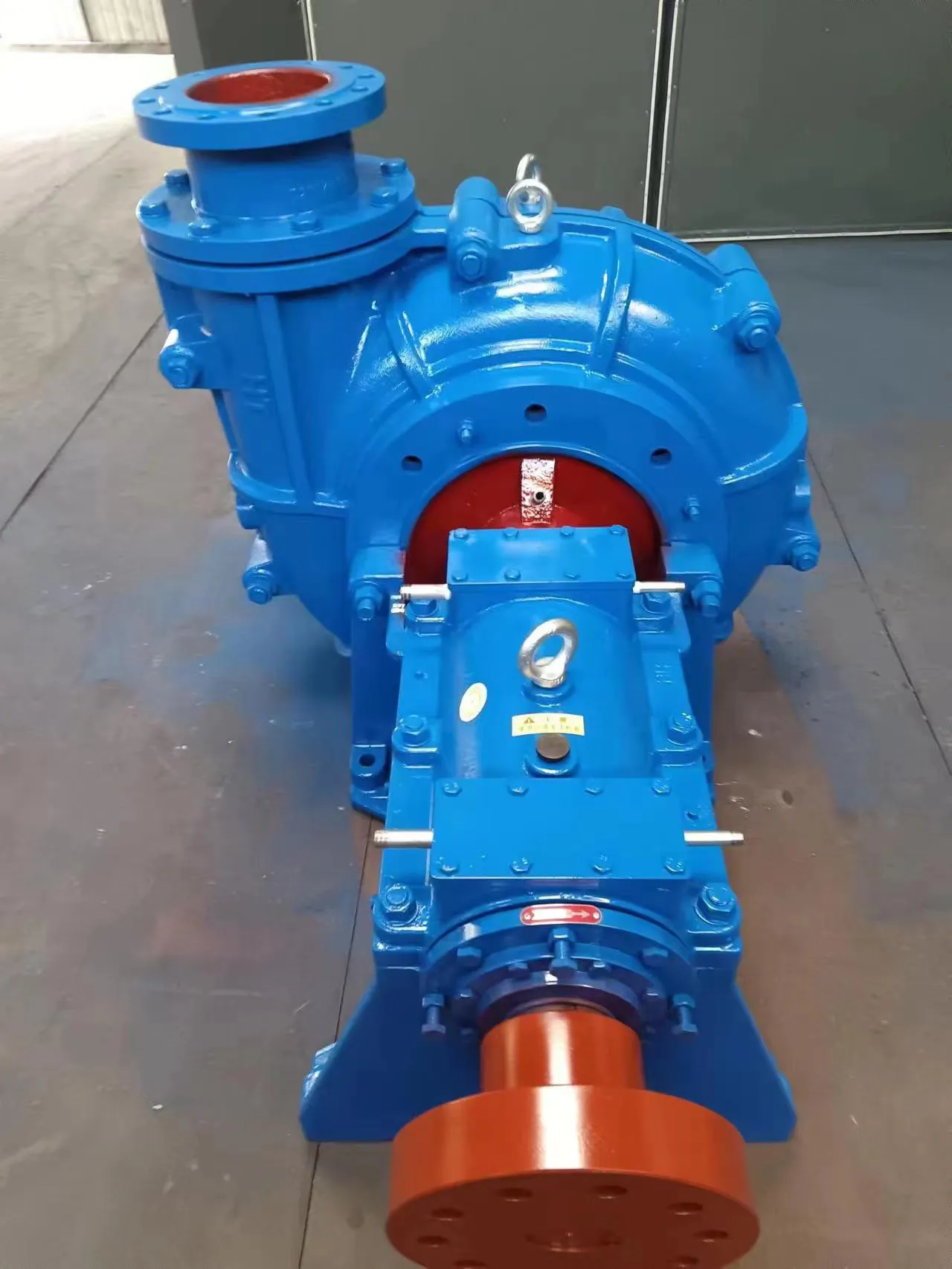
Introduction
Chemical feed pumps are positive displacement pumps utilized in water and wastewater treatment facilities to accurately and consistently introduce chemicals into a fluid stream. These pumps are critical components of complex treatment processes, ensuring optimal chemical dosages for coagulation, flocculation, disinfection, pH adjustment, and other essential processes. Unlike centrifugal pumps which deliver flow proportional to head, chemical feed pumps deliver a nearly constant flow rate regardless of changes in discharge pressure, making them ideal for precise chemical metering. Their selection and performance characteristics directly impact treatment efficiency, compliance with regulatory standards, and overall operational cost. This guide provides an in-depth exploration of chemical feed pump technology, encompassing material science, manufacturing considerations, performance engineering, failure modes, and relevant industry standards.
Material Science & Manufacturing
The construction of chemical feed pumps demands careful material selection to withstand the corrosive nature of the chemicals being handled. Pump heads are commonly manufactured from engineered plastics like Polyvinylidene Fluoride (PVDF), Polypropylene (PP), and Chlorinated Polyvinyl Chloride (CPVC) due to their excellent chemical resistance, particularly against acids, bases, and oxidizing agents. These materials exhibit varying degrees of resistance; PVDF generally provides broader chemical compatibility than PP or CPVC. Wetted parts, including check valves and seals, are frequently constructed from materials like Teflon (PTFE), Viton (FKM), and ceramic. PTFE is known for its near-universal chemical inertness, while Viton offers superior resistance to swelling in aliphatic hydrocarbons. The pump housing and motor enclosure are typically made from cast iron or stainless steel, providing mechanical strength and environmental protection. Manufacturing processes vary based on pump type. Diaphragm pumps often utilize injection molding for the diaphragm and valve bodies. Peristaltic pumps require precision tube extrusion. Plunger pumps involve machining of high-tolerance metal components. Key parameter control during manufacturing focuses on dimensional accuracy of moving parts to minimize leakage and ensure consistent flow rates, as well as surface finish to reduce friction and prevent chemical adhesion. Quality control includes hydrostatic testing to verify seal integrity and material certifications to validate chemical resistance.
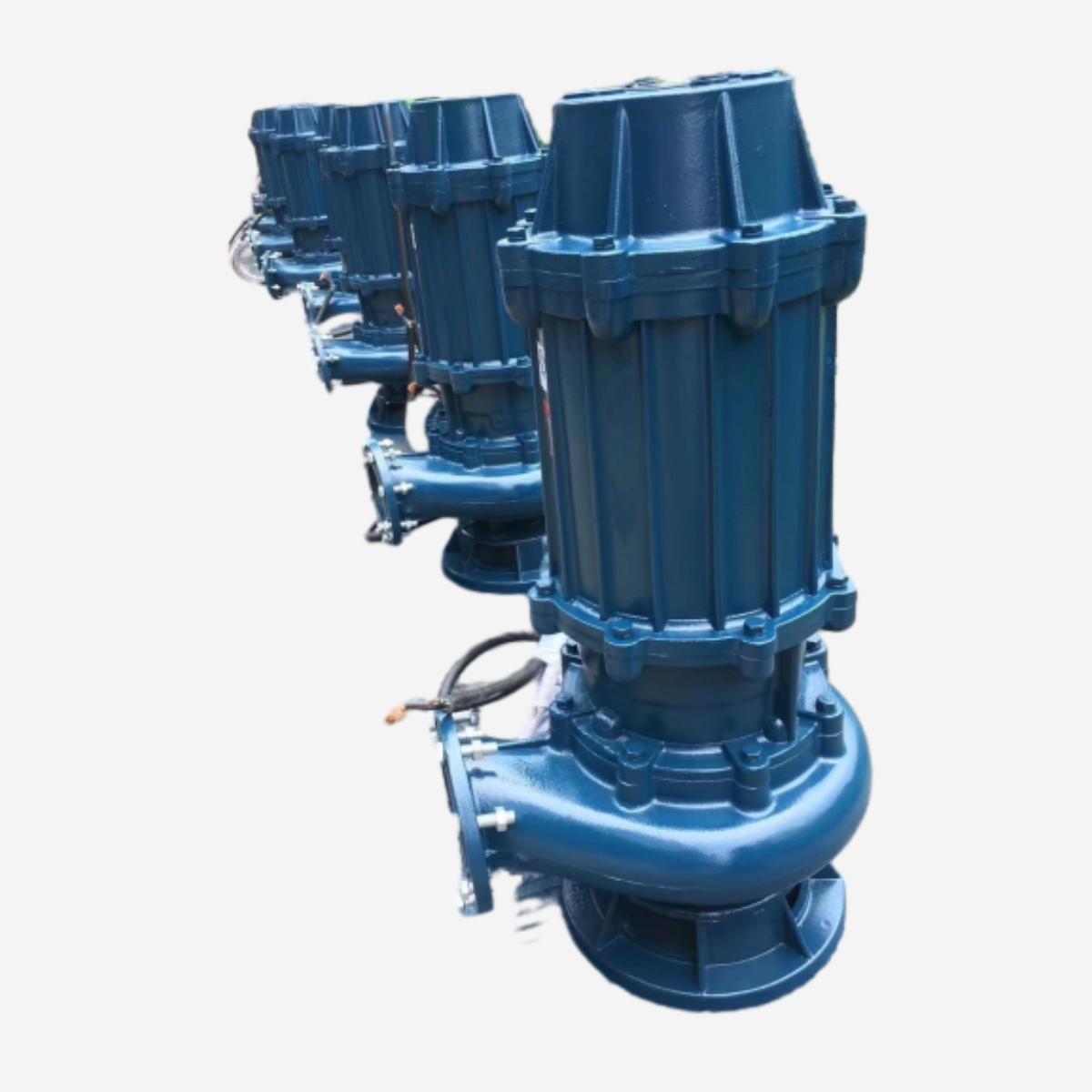
Performance & Engineering
The performance of chemical feed pumps is governed by several key engineering principles. Flow rate, typically measured in gallons per hour (GPH) or liters per hour (LPH), is the primary performance metric. It is influenced by stroke length, stroke speed, and displacement volume. Accurately calculating the required flow rate necessitates detailed knowledge of the chemical demand of the treatment process. Discharge pressure, measured in psi or bar, must overcome the system head loss, which includes static head, friction losses in piping, and pressure at the injection point. Pump selection must account for potential variations in system pressure. Motor sizing is critical; undersized motors lead to pump stalling, while oversized motors can cause excessive wear and energy consumption. Force analysis considers the mechanical stresses on pump components, particularly the diaphragm or plunger, during operation. Environmental resistance involves protecting the pump from weather, temperature extremes, and UV radiation. Compliance requirements dictate adherence to NSF/ANSI 60 for drinking water system components, ensuring that materials do not leach harmful contaminants into the water supply. Furthermore, electrical safety standards such as UL and CSA must be met to prevent electrical hazards. Pulsation dampeners are frequently employed to minimize flow fluctuations inherent in reciprocating pump designs, improving process control and reducing stress on downstream components.
Technical Specifications
| Pump Type | Flow Rate Range (GPH) | Maximum Discharge Pressure (PSI) | Chemical Compatibility |
|---|---|---|---|
| Diaphragm Pump | 0.5 - 150 | 120 | Broad, dependent on diaphragm material (PVDF, PP, PTFE) |
| Peristaltic Pump | 0.01 - 60 | 60 | Limited by tube material (Silicone, Viton, Norprene) |
| Plunger Pump | 1 - 300 | 250 | Excellent, dependent on wetted parts materials (PTFE, Ceramic) |
| Solenoid Pump | 0.1 - 10 | 50 | Good, dependent on body material (PVC, PP) |
| Magnetic Drive Pump | 0.2 - 80 | 80 | Excellent, sealed design prevents leakage. Dependent on magnet/body materials. |
| Metering Pump (Motor-Driven) | 0.05 - 500 | 200+ | Excellent, configurable for diverse chemistries via material selection |
Failure Mode & Maintenance
Chemical feed pumps are susceptible to several failure modes. Diaphragm pumps can experience diaphragm rupture due to fatigue cracking caused by repeated flexing and chemical attack. Check valve failure, leading to backflow, can result from debris accumulation or corrosion. Peristaltic pumps are prone to tube wear and eventual failure due to compression and chemical degradation. Plunger pumps may suffer from plunger seal leakage or plunger/cylinder wear. Common failure mechanisms include corrosion, erosion, cavitation (particularly at high suction lifts), and mechanical wear. Regular maintenance is crucial for preventing failures. This includes routine inspection of diaphragms, check valves, and seals for signs of wear or degradation. Periodic replacement of worn components based on manufacturer recommendations and operating conditions. Lubrication of moving parts to reduce friction and wear. Backflushing to remove debris from check valves. Monitoring pump performance parameters (flow rate, pressure) to detect anomalies. Preventative maintenance schedules should be tailored to the specific pump type, chemical being handled, and operating environment. Failure analysis, when failures do occur, should focus on identifying the root cause to prevent recurrence.
Industry FAQ
Q: What is the difference between a diaphragm pump and a peristaltic pump for chemical feed applications?
A: Diaphragm pumps are generally more versatile and can handle a wider range of chemicals and pressures. They also tend to be more durable. Peristaltic pumps, however, offer superior protection against contamination as the fluid only contacts the inside of the tubing. This makes them ideal for sensitive applications or when precise chemical isolation is required. Peristaltic pumps typically have lower flow rates and are more susceptible to tube wear.
Q: How do I select the appropriate material of construction for a chemical feed pump?
A: Chemical compatibility is paramount. You need to consult a chemical resistance chart to determine which materials (PVDF, PP, PTFE, Viton, etc.) are compatible with the specific chemical being pumped at the operating temperature and concentration. Consider the potential for degradation, swelling, or leaching. Always prioritize materials that are certified for use in potable water systems if applicable.
Q: What are the common causes of flow rate inaccuracy in chemical feed pumps?
A: Common causes include worn diaphragms or check valves, air in the lines, clogged injection points, or incorrect stroke length/speed settings. Changes in fluid viscosity or temperature can also affect flow rate. Regular calibration and maintenance are essential for maintaining accuracy.
Q: How important is pulsation dampening, and what types of dampeners are available?
A: Pulsation dampening is important for processes that are sensitive to flow fluctuations, such as pH control. It reduces stress on downstream components and improves process stability. Types include bladder accumulators, gas-charged dampers, and multi-diaphragm systems.
Q: What are the key considerations for maintaining a chemical feed pump in a harsh outdoor environment?
A: Protection from weather (rain, snow, UV radiation) is critical. Consider using a weatherproof enclosure, corrosion-resistant materials, and proper ventilation to prevent overheating. Regular inspection and maintenance are even more important in harsh environments.
Conclusion
Chemical feed pumps represent a vital component in modern water and wastewater treatment, enabling precise chemical dosing for efficient and compliant operation. Selecting the appropriate pump type, materials of construction, and operating parameters requires a thorough understanding of the treatment process, chemical properties, and potential failure modes. Prioritizing preventative maintenance and adherence to industry standards are essential for ensuring long-term reliability and minimizing operational costs.
The future of chemical feed pump technology is trending toward increased automation, smart monitoring capabilities, and the integration of advanced materials with enhanced chemical resistance and durability. Remote monitoring and control systems will become increasingly prevalent, allowing for proactive maintenance and optimization of chemical dosing strategies. Furthermore, the demand for environmentally friendly and sustainable solutions will drive the development of energy-efficient pump designs and biodegradable materials.
-
Precision at the Pump: How Better Machining Protects Flow and Uptime
News2026-11-20
-
Why Pump Reliability Begins Before the First Drop of Fluid
News2026-11-20
-
Beyond the Pump: Designing Safer Access Around Critical Water Infrastructure
News2026-11-20
-
Why Pumping Stations Depend on the Infrastructure Beneath the Pumps
News2026-11-20
-
Beyond the Pump Room: How Smarter Loading Protects Industrial Equipment
News2026-11-19
-
When Pumps Stop: Designing More Resilient Power for Critical Pumping Systems
News2026-11-19
-
The Hidden Role of Dust and Gas Monitoring in Reliable Pump Operations
News2026-11-19
-
The Hidden Role of Mineral Compounds in Extending Industrial Pump Lifespan
News2026-10-12
-
Why Pump System Reliability Depends on Precision Hose Assembly Methods
News2026-09-15
-
How Advanced Imaging Films Are Transforming Pump Component Quality Control
News2026-08-25
-
How Advanced Filtration Protects Pump Systems from Premature Wear and Costly Downtime
News2026-08-25
-
How Steel Material Selection Drives Pump Reliability in Heavy-Duty Systems
News2026-08-25
-
Ensuring Pump System Efficiency: The Role of High-Quality Pipe Fittings and Tubing
News2026-08-24
-
Optimizing Fluid Dynamics and Material Consistency in Industrial Processing
News2026-08-18
-
Innovations and Challenges in Hydraulic Systems for Heavy Machinery
News2026-08-13




