English
- Afrikaans
- Albanian
- Amharic
- Arabic
- Armenian
- Azerbaijani
- Basque
- Belarusian
- Bengali
- Bosnian
- Bulgarian
- Catalan
- Cebuano
- Corsican
- Croatian
- Czech
- Danish
- Dutch
- English
- Esperanto
- Estonian
- Finnish
- French
- Frisian
- Galician
- Georgian
- German
- Greek
- Gujarati
- Haitian Creole
- hausa
- hawaiian
- Hebrew
- Hindi
- Miao
- Hungarian
- Icelandic
- igbo
- Indonesian
- irish
- Italian
- Japanese
- Javanese
- Kannada
- kazakh
- Khmer
- Rwandese
- Korean
- Kurdish
- Kyrgyz
- Lao
- Latin
- Latvian
- Lithuanian
- Luxembourgish
- Macedonian
- Malgashi
- Malay
- Malayalam
- Maltese
- Maori
- Marathi
- Mongolian
- Myanmar
- Nepali
- Norwegian
- Norwegian
- Occitan
- Pashto
- Persian
- Polish
- Portuguese
- Punjabi
- Romanian
- Russian
- Samoan
- Scottish Gaelic
- Serbian
- Sesotho
- Shona
- Sindhi
- Sinhala
- Slovak
- Slovenian
- Somali
- Spanish
- Sundanese
- Swahili
- Swedish
- Tagalog
- Tajik
- Tamil
- Tatar
- Telugu
- Thai
- Turkish
- Turkmen
- Ukrainian
- Urdu
- Uighur
- Uzbek
- Vietnamese
- Welsh
- Bantu
- Yiddish
- Yoruba
- Zulu

Telephone: +86 13120555503
Email: frank@cypump.com


Apr . 01, 2024 17:55 Back to list
chemical feed pump Performance Analysis

Introduction
Chemical feed pumps are precision metering devices employed to deliver controlled volumes of liquid chemicals into a process stream. They are critical components across diverse industries including water treatment, wastewater management, chemical processing, pharmaceutical manufacturing, and oil & gas. Unlike centrifugal pumps designed for high-volume transfer, chemical feed pumps prioritize accurate and repeatable dosing, often against varying discharge pressures. The primary technical position within the industry chain is as a control element following chemical storage and preceding the target process – influencing the efficiency, safety, and quality of the overall operation. Core performance characteristics center on flow rate accuracy (often expressed as ± percentage), chemical compatibility, pressure capability, and ability to handle viscous or corrosive fluids. The selection of a suitable chemical feed pump requires detailed consideration of the specific chemical properties, process demands, and regulatory compliance standards.
Material Science & Manufacturing
The materials of construction for chemical feed pumps are paramount due to the aggressive nature of the chemicals handled. Pump heads and wetted parts are commonly manufactured from Polyvinylidene Fluoride (PVDF), Polypropylene (PP), Polyethylene (PE), Polytetrafluoroethylene (PTFE – Teflon), and various stainless steel alloys (304, 316, 316L). PVDF offers excellent chemical resistance to a broad spectrum of acids, bases, and solvents, making it a frequent choice. PP is cost-effective for less aggressive chemicals. PTFE is used for highly corrosive applications, though it's softer and less mechanically robust. Stainless steel provides strength and durability but can be susceptible to pitting corrosion in chloride-rich environments. Diaphragm materials typically include PTFE, EPDM, and Viton. The manufacturing processes vary depending on the component. Pump housings are often injection molded from thermoplastic materials. Precision machining is used for metal components. Diaphragms are often produced via compression molding or extrusion. Parameter control is critical; injection molding requires strict temperature and pressure regulation to avoid voids and ensure dimensional accuracy. Machining tolerances must be tightly controlled to maintain sealing integrity. Welding procedures for stainless steel components must adhere to ASME Section IX standards to ensure weld quality and prevent corrosion initiation. Chemical compatibility charts are consulted throughout the material selection and fabrication process to preemptively mitigate corrosion risks.
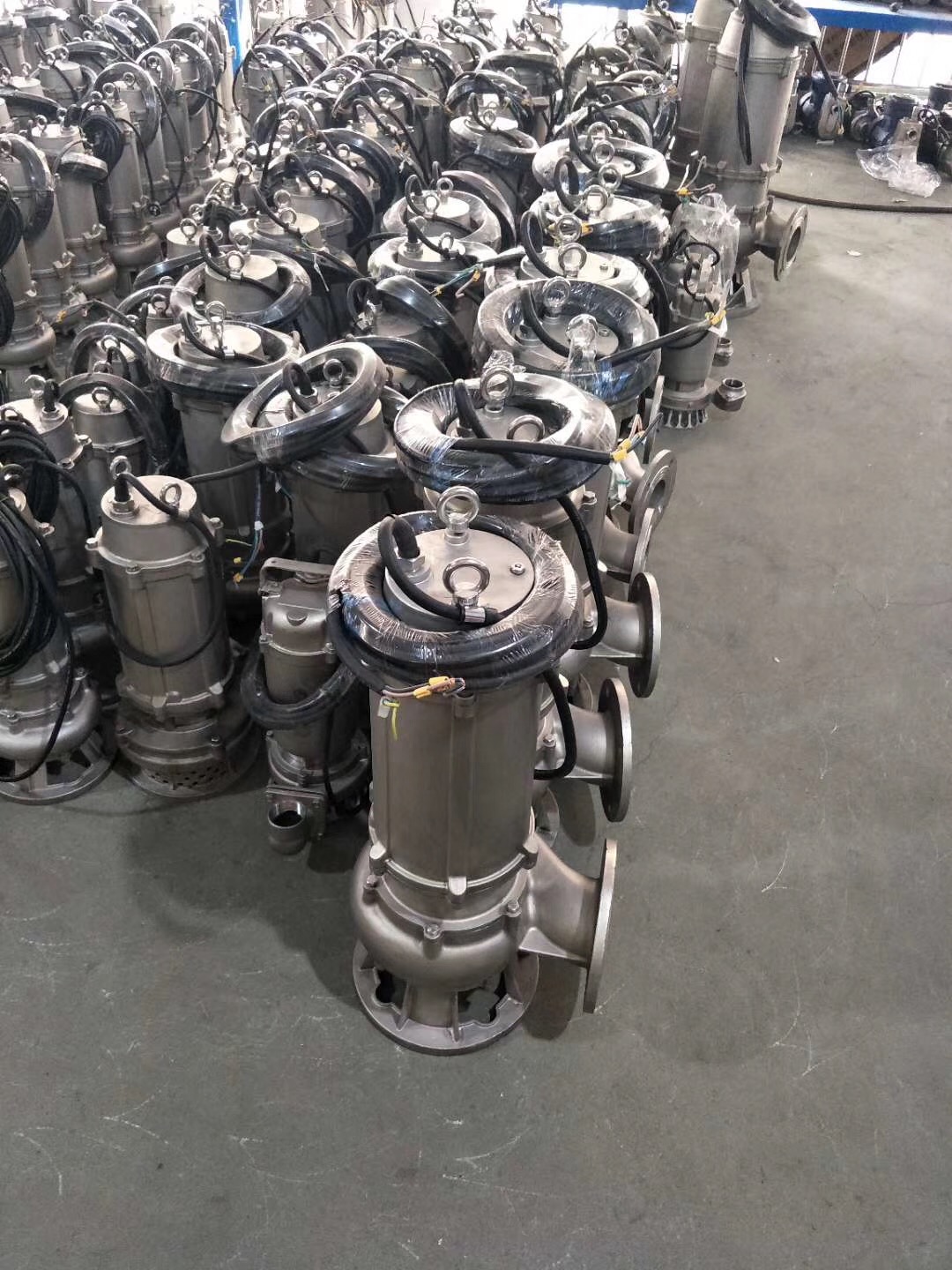
Performance & Engineering
Chemical feed pump performance is defined by its ability to deliver a consistent flow rate against a varying discharge pressure. Positive displacement pumps – specifically, diaphragm pumps, peristaltic pumps, and piston pumps – are predominantly used. Diaphragm pumps utilize a reciprocating diaphragm to create suction and discharge, offering good chemical resistance and self-priming capabilities. Peristaltic pumps use rollers to compress a flexible tube, providing accurate dosing and preventing fluid contact with pump internals. Piston pumps offer high pressure capabilities and precise control but may require more maintenance. Force analysis focuses on the stresses within the pump components, particularly the diaphragm and piston, to ensure structural integrity under operating conditions. Environmental resistance is crucial; pumps operating outdoors require weatherproof enclosures and materials resistant to UV degradation. Compliance requirements vary by industry and region. In potable water treatment, pumps must comply with NSF/ANSI 60 standards for contact with drinking water. In hazardous environments, pumps may require ATEX certification for explosion protection. Cavitation, a common failure mode, is mitigated by ensuring adequate suction head and preventing gas entrapment within the fluid. Pulsation dampeners are often incorporated into the discharge line to minimize flow fluctuations and improve process control. Proper sizing of the pump requires a detailed understanding of the flow rate requirements, discharge pressure, fluid viscosity, and specific gravity.
Technical Specifications
| Parameter | Diaphragm Pump | Peristaltic Pump | Piston Pump |
|---|---|---|---|
| Flow Rate Range (mL/min) | 1 – 2000 | 0.1 – 1000 | 10 – 5000 |
| Maximum Discharge Pressure (psi) | 120 | 60 | 2000 |
| Chemical Compatibility | Excellent (PVDF, PTFE) | Excellent (Tube Material Dependent) | Good (Material Dependent) |
| Viscosity Handling (cP) | Up to 500 | Up to 10,000 | Up to 500 |
| Self-Priming Capability | Yes | Yes | Limited |
| Maintenance Frequency | Moderate (Diaphragm Replacement) | Low (Tube Replacement) | High (Seal & Valve Maintenance) |
Failure Mode & Maintenance
Chemical feed pump failures commonly stem from diaphragm rupture (diaphragm pumps), tube wear (peristaltic pumps), seal failure (piston pumps), and valve clogging. Diaphragm rupture often results from overpressure, chemical attack, or fatigue. Tube wear in peristaltic pumps is caused by abrasive chemicals or excessive roller pressure. Seal failure in piston pumps leads to leakage and loss of prime. Valve clogging occurs due to precipitated solids or crystallization within the chemical. Fatigue cracking in metal components can occur due to cyclical stress. Degradation of polymeric materials is accelerated by UV exposure and chemical attack. Oxidation of stainless steel components can initiate pitting corrosion. Preventive maintenance is crucial and includes regular inspection of diaphragms, tubes, seals, and valves. Scheduled diaphragm and tube replacement is essential. Lubrication of moving parts is critical for piston pumps. Flushing the pump with a compatible solvent can remove accumulated deposits. Implementing a preventative maintenance schedule, adhering to manufacturer’s recommendations, and maintaining detailed pump logs are best practices. Failure analysis, including visual inspection and material testing, can help identify the root cause of failures and prevent recurrence.
Industry FAQ
Q: What are the key considerations when selecting a pump for handling highly corrosive chemicals?
A: The primary considerations are material compatibility and seal design. PTFE or PVDF wetted parts are generally required. Double mechanical seals with a barrier fluid are recommended to prevent leakage and protect the seal faces. Consider the specific chemical’s attack rate on various materials, referencing chemical resistance charts and consulting with material specialists.
Q: How can I minimize pulsation in the discharge line of a diaphragm pump?
A: Installing a pulsation dampener in the discharge line is the most effective method. Increasing the stroke length or reducing the pump speed can also reduce pulsation, but may compromise flow rate control. Proper piping design, including adequate pipe diameter and minimizing bends, can also help.
Q: What is the impact of fluid viscosity on pump performance?
A: Higher viscosity fluids reduce pump flow rate and increase discharge pressure. Piston pumps and peristaltic pumps are better suited for handling viscous fluids than diaphragm pumps. Pump sizing must account for the fluid’s viscosity, and adjustments to the pump speed may be necessary.
Q: How do I ensure accurate chemical dosing with a peristaltic pump?
A: Select a tubing material that is compatible with the chemical and has minimal stretch. Calibrate the pump regularly against a known volume. Control the pump speed accurately and ensure consistent roller pressure. Consider using a feedback control system to maintain a precise flow rate.
Q: What are the typical maintenance requirements for a diaphragm pump?
A: Regular inspection of the diaphragm for cracks or leaks is essential. The diaphragm should be replaced according to the manufacturer’s recommendations. Check valve seats for wear and replace as needed. Lubricate any moving parts as specified. Inspect and tighten all connections.
Conclusion
The selection and implementation of chemical feed pumps require a robust understanding of material science, process engineering principles, and applicable regulatory standards. Achieving optimal performance hinges on careful consideration of fluid properties, operating conditions, and pump characteristics. Proper material selection is non-negotiable to ensure chemical compatibility and prevent premature failure.
Continued advancements in pump technology, including the development of smart pumps with integrated monitoring and control systems, are enabling greater process efficiency and safety. Proactive maintenance programs and thorough failure analysis are crucial for maximizing pump uptime and minimizing operational costs. A holistic approach encompassing design, operation, and maintenance is paramount to realizing the full potential of chemical feed pump technology.
-
Precision at the Pump: How Better Machining Protects Flow and Uptime
News2026-11-20
-
Why Pump Reliability Begins Before the First Drop of Fluid
News2026-11-20
-
Beyond the Pump: Designing Safer Access Around Critical Water Infrastructure
News2026-11-20
-
Why Pumping Stations Depend on the Infrastructure Beneath the Pumps
News2026-11-20
-
Beyond the Pump Room: How Smarter Loading Protects Industrial Equipment
News2026-11-19
-
When Pumps Stop: Designing More Resilient Power for Critical Pumping Systems
News2026-11-19
-
The Hidden Role of Dust and Gas Monitoring in Reliable Pump Operations
News2026-11-19
-
The Hidden Role of Mineral Compounds in Extending Industrial Pump Lifespan
News2026-10-12
-
Why Pump System Reliability Depends on Precision Hose Assembly Methods
News2026-09-15
-
How Advanced Imaging Films Are Transforming Pump Component Quality Control
News2026-08-25
-
How Advanced Filtration Protects Pump Systems from Premature Wear and Costly Downtime
News2026-08-25
-
How Steel Material Selection Drives Pump Reliability in Heavy-Duty Systems
News2026-08-25
-
Ensuring Pump System Efficiency: The Role of High-Quality Pipe Fittings and Tubing
News2026-08-24
-
Optimizing Fluid Dynamics and Material Consistency in Industrial Processing
News2026-08-18
-
Innovations and Challenges in Hydraulic Systems for Heavy Machinery
News2026-08-13




