English
- Afrikaans
- Albanian
- Amharic
- Arabic
- Armenian
- Azerbaijani
- Basque
- Belarusian
- Bengali
- Bosnian
- Bulgarian
- Catalan
- Cebuano
- Corsican
- Croatian
- Czech
- Danish
- Dutch
- English
- Esperanto
- Estonian
- Finnish
- French
- Frisian
- Galician
- Georgian
- German
- Greek
- Gujarati
- Haitian Creole
- hausa
- hawaiian
- Hebrew
- Hindi
- Miao
- Hungarian
- Icelandic
- igbo
- Indonesian
- irish
- Italian
- Japanese
- Javanese
- Kannada
- kazakh
- Khmer
- Rwandese
- Korean
- Kurdish
- Kyrgyz
- Lao
- Latin
- Latvian
- Lithuanian
- Luxembourgish
- Macedonian
- Malgashi
- Malay
- Malayalam
- Maltese
- Maori
- Marathi
- Mongolian
- Myanmar
- Nepali
- Norwegian
- Norwegian
- Occitan
- Pashto
- Persian
- Polish
- Portuguese
- Punjabi
- Romanian
- Russian
- Samoan
- Scottish Gaelic
- Serbian
- Sesotho
- Shona
- Sindhi
- Sinhala
- Slovak
- Slovenian
- Somali
- Spanish
- Sundanese
- Swahili
- Swedish
- Tagalog
- Tajik
- Tamil
- Tatar
- Telugu
- Thai
- Turkish
- Turkmen
- Ukrainian
- Urdu
- Uighur
- Uzbek
- Vietnamese
- Welsh
- Bantu
- Yiddish
- Yoruba
- Zulu

Telephone: +86 13120555503
Email: frank@cypump.com


Apr . 01, 2024 17:55 Back to list
chemical centrifugal pump manufacturers Performance Analysis
Introduction
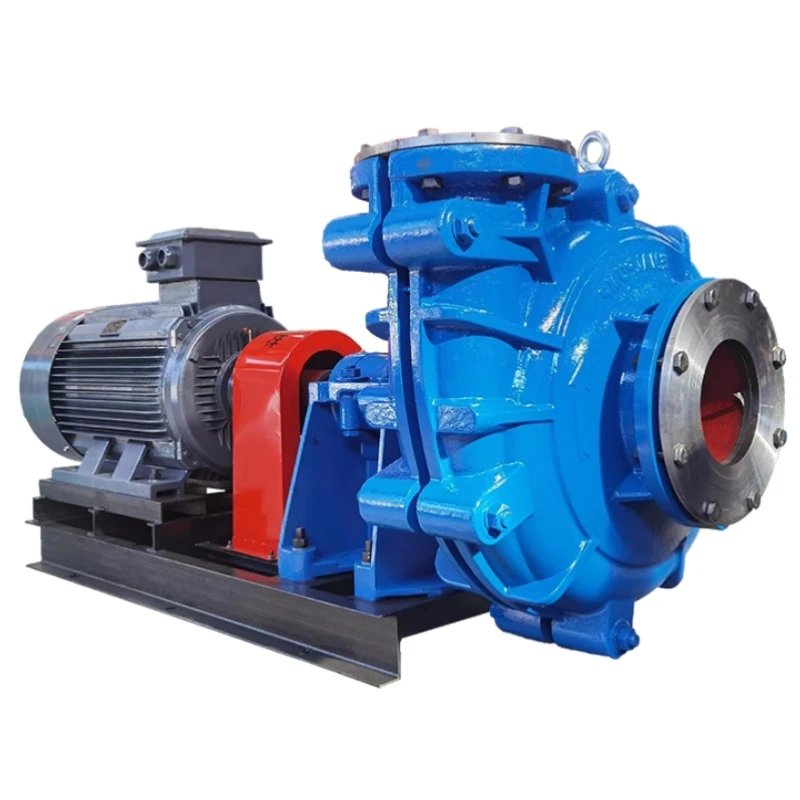
Chemical centrifugal pumps are engineered to convey corrosive and abrasive fluids commonly found in chemical processing, pharmaceutical manufacturing, and water/wastewater treatment. Unlike standard centrifugal pumps, these units are specifically designed to resist degradation from aggressive chemical exposure and maintain volumetric efficiency when handling non-Newtonian fluids. Their position within the industrial chain is critical; they act as the circulatory system for numerous processes, enabling reaction, separation, and transfer operations. Core performance characteristics revolve around maintaining stable flow rates, preventing leaks, and ensuring material compatibility, directly impacting process safety and product quality. A key challenge in the industry is balancing pump longevity with the cost of exotic materials required for chemical resistance. This guide provides an in-depth analysis of their material science, manufacturing processes, performance parameters, failure modes, and relevant industry standards.
Material Science & Manufacturing
The selection of materials is paramount in chemical centrifugal pump construction. Wetted parts—those in direct contact with the fluid—typically employ alloys exhibiting high resistance to corrosion and erosion. Common materials include 316 Stainless Steel (for general chemical compatibility), Hastelloy (C-276, B-3) for highly corrosive environments like hydrochloric and sulfuric acid, PTFE (Teflon) for liners and seals due to its exceptional chemical inertness, and Ceramic materials (Silicon Carbide, Aluminum Oxide) for abrasive slurries. Manufacturing processes vary based on pump size and component complexity. Pump casings are often cast using sand casting or investment casting for complex geometries, followed by meticulous machining. Impellers, the rotating components, are manufactured through investment casting, forging, or machining from solid bar stock. Shafts are typically forged from high-strength alloy steels, heat-treated for optimal hardness and fatigue resistance. Key parameter control focuses on maintaining tight tolerances during machining (shaft runout, impeller balance) and ensuring proper weld integrity (full penetration, controlled heat input) for welded components. Surface finish is also critical; electropolishing is frequently employed to create a passive layer on stainless steel components, further enhancing corrosion resistance. The selection of elastomers for seals (Viton, EPDM, Kalrez) requires careful consideration of chemical compatibility and temperature ranges.
Performance & Engineering
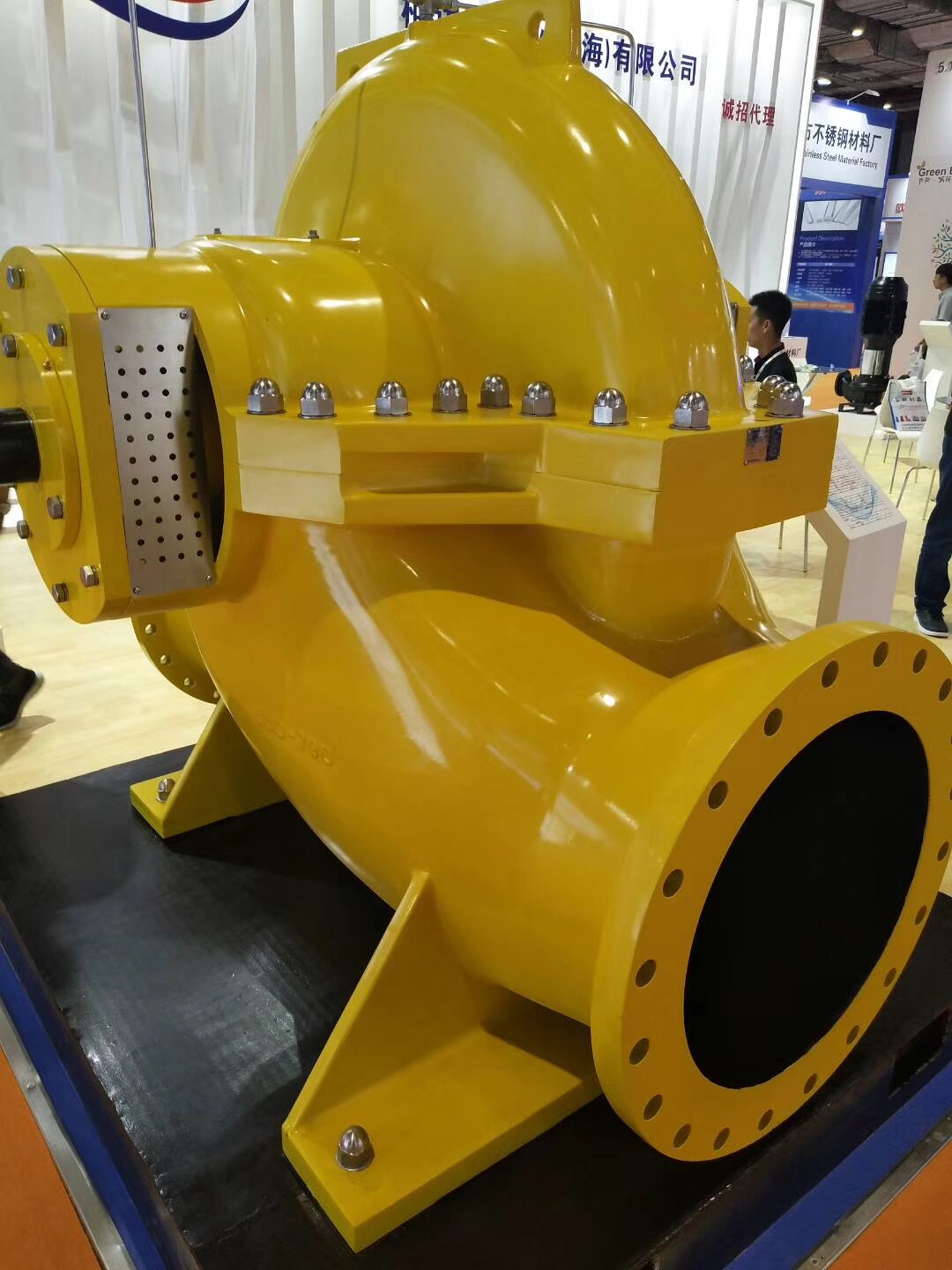
Performance engineering for chemical centrifugal pumps centers around hydrodynamic design and mechanical integrity. Force analysis is critical, particularly concerning radial loads on the impeller shaft due to unbalanced pressure distributions. Volute casing geometry is optimized to minimize hydraulic losses and maximize pump efficiency. NPSH (Net Positive Suction Head) requirements are rigorously calculated to prevent cavitation, a major cause of impeller erosion and noise. Environmental resistance is addressed through material selection and seal design. Pumps operating in hazardous areas require adherence to ATEX (Europe) or IECEx (International) standards, mandating explosion-proof motor enclosures and grounding systems. Compliance with API 610 (Centrifugal Pumps) and ANSI B73.1 (Dimension Standards for Chemical Pumps) ensures standardized design and performance criteria. Functional implementation includes careful consideration of system piping layout to minimize flow restrictions and avoid air pockets. Proper alignment between the pump and motor is essential to prevent premature bearing failure. The pumps’ performance curve (head vs. flow rate) is tailored to the specific application's requirements, optimizing energy consumption and process control. Consideration of fluid viscosity and density significantly impacts pump selection and performance prediction.
Technical Specifications
| Parameter | Unit | Typical Range | Material Options |
|---|---|---|---|
| Flow Rate | GPM (Gallons Per Minute) | 50 – 5000 | 316 SS, Hastelloy, Alloy 20 |
| Head | ft (Feet) | 20 – 300 | 316 SS, Hastelloy, Alloy 20 |
| Temperature | °F (°Fahrenheit) | -20 – 450 | PTFE, PVDF, Ceramic |
| Pressure | PSI (Pounds per Square Inch) | 50 – 500 | 316 SS, Hastelloy, Alloy 20 |
| Seal Type | - | Mechanical Seal, Packing | Viton, EPDM, Kalrez, Teflon |
| Motor Horsepower | HP (Horsepower) | 0.5 – 200 | Cast Iron, Stainless Steel, Explosion-Proof |
Failure Mode & Maintenance
Common failure modes in chemical centrifugal pumps include impeller erosion (due to abrasive particles or cavitation), seal failure (leading to leakage), bearing failure (caused by misalignment or insufficient lubrication), and casing corrosion (resulting in structural weakness). Fatigue cracking can occur in the shaft or casing due to cyclic loading. Delamination of polymeric liners (PTFE) can happen under high stress or temperature. Oxidation of metal components leads to material degradation. Failure analysis should include visual inspection, non-destructive testing (NDT) like dye penetrant inspection and ultrasonic testing, and metallographic analysis. Preventative maintenance programs are crucial. These should involve regular bearing lubrication, seal inspection, impeller balancing, and casing thickness measurements to detect corrosion. Vibration analysis can identify early signs of bearing or impeller imbalance. Periodic flushing of the pump casing can remove accumulated solids. For seal failures, proper seal flushing and selection of compatible seal materials are critical. Casing corrosion can be mitigated by applying protective coatings or upgrading to more corrosion-resistant materials. Proper pump alignment is paramount to preventing premature bearing and seal failures.
Industry FAQ
Q: What is the primary difference between a standard centrifugal pump and a chemical centrifugal pump?
A: The key difference lies in the materials of construction. Chemical centrifugal pumps utilize alloys and polymers specifically chosen for their resistance to corrosive and abrasive chemicals, whereas standard pumps are typically made from cast iron or carbon steel which are unsuitable for aggressive fluids. This material selection dictates the pump's lifespan and reliability in demanding chemical processing environments.
Q: How do I determine the correct material for a chemical centrifugal pump application?
A: Accurate fluid analysis is essential. You must identify all chemical constituents, their concentrations, temperature, and pressure. Based on this information, a chemical compatibility chart should be consulted to determine which materials (e.g., 316SS, Hastelloy, PTFE) are resistant to the fluid. Consider potential erosion if solids are present.
Q: What are the common causes of cavitation in chemical pumps?
A: Cavitation is caused by a pressure drop within the pump that allows the liquid to vaporize. Common causes include insufficient NPSH available (NPSHa) at the pump suction, high fluid temperature, blocked suction lines, and excessive pump speed. Proper NPSH calculation and system design are critical for preventing cavitation.
Q: What maintenance practices are most critical for extending the life of a chemical centrifugal pump?
A: Regular lubrication of bearings, periodic seal inspection and replacement, impeller balancing, casing thickness monitoring (to detect corrosion), and vibration analysis are essential. Implementing a preventative maintenance schedule based on operating conditions and fluid characteristics is highly recommended.
Q: How does fluid viscosity affect pump performance and selection?
A: Higher viscosity fluids reduce pump capacity (flow rate) and increase power consumption. Pumps handling viscous fluids may require larger impeller diameters and lower speeds to maintain adequate performance. The pump’s performance curve needs to be adjusted to account for the fluid’s viscosity.
Conclusion
Chemical centrifugal pumps are vital components in numerous industrial processes, necessitating a deep understanding of material science, engineering principles, and maintenance protocols. The careful selection of materials, coupled with adherence to industry standards such as API 610 and ANSI B73.1, is paramount to ensuring reliable and long-lasting operation. The complex interplay between fluid properties, pump design, and operating conditions demands a holistic approach to pump selection and maintenance.
Looking ahead, advancements in materials science, such as the development of new corrosion-resistant alloys and advanced polymer coatings, will continue to improve pump performance and extend service life. The integration of predictive maintenance technologies, leveraging sensors and data analytics, will enable proactive identification of potential failures, minimizing downtime and optimizing operational efficiency. Continued research and development focused on improving hydraulic efficiency and reducing energy consumption will further enhance the sustainability of chemical processing operations.
-
Precision at the Pump: How Better Machining Protects Flow and Uptime
News2026-11-20
-
Why Pump Reliability Begins Before the First Drop of Fluid
News2026-11-20
-
Beyond the Pump: Designing Safer Access Around Critical Water Infrastructure
News2026-11-20
-
Why Pumping Stations Depend on the Infrastructure Beneath the Pumps
News2026-11-20
-
Beyond the Pump Room: How Smarter Loading Protects Industrial Equipment
News2026-11-19
-
When Pumps Stop: Designing More Resilient Power for Critical Pumping Systems
News2026-11-19
-
The Hidden Role of Dust and Gas Monitoring in Reliable Pump Operations
News2026-11-19
-
The Hidden Role of Mineral Compounds in Extending Industrial Pump Lifespan
News2026-10-12
-
Why Pump System Reliability Depends on Precision Hose Assembly Methods
News2026-09-15
-
How Advanced Imaging Films Are Transforming Pump Component Quality Control
News2026-08-25
-
How Advanced Filtration Protects Pump Systems from Premature Wear and Costly Downtime
News2026-08-25
-
How Steel Material Selection Drives Pump Reliability in Heavy-Duty Systems
News2026-08-25
-
Ensuring Pump System Efficiency: The Role of High-Quality Pipe Fittings and Tubing
News2026-08-24
-
Optimizing Fluid Dynamics and Material Consistency in Industrial Processing
News2026-08-18
-
Innovations and Challenges in Hydraulic Systems for Heavy Machinery
News2026-08-13




