English
- Afrikaans
- Albanian
- Amharic
- Arabic
- Armenian
- Azerbaijani
- Basque
- Belarusian
- Bengali
- Bosnian
- Bulgarian
- Catalan
- Cebuano
- Corsican
- Croatian
- Czech
- Danish
- Dutch
- English
- Esperanto
- Estonian
- Finnish
- French
- Frisian
- Galician
- Georgian
- German
- Greek
- Gujarati
- Haitian Creole
- hausa
- hawaiian
- Hebrew
- Hindi
- Miao
- Hungarian
- Icelandic
- igbo
- Indonesian
- irish
- Italian
- Japanese
- Javanese
- Kannada
- kazakh
- Khmer
- Rwandese
- Korean
- Kurdish
- Kyrgyz
- Lao
- Latin
- Latvian
- Lithuanian
- Luxembourgish
- Macedonian
- Malgashi
- Malay
- Malayalam
- Maltese
- Maori
- Marathi
- Mongolian
- Myanmar
- Nepali
- Norwegian
- Norwegian
- Occitan
- Pashto
- Persian
- Polish
- Portuguese
- Punjabi
- Romanian
- Russian
- Samoan
- Scottish Gaelic
- Serbian
- Sesotho
- Shona
- Sindhi
- Sinhala
- Slovak
- Slovenian
- Somali
- Spanish
- Sundanese
- Swahili
- Swedish
- Tagalog
- Tajik
- Tamil
- Tatar
- Telugu
- Thai
- Turkish
- Turkmen
- Ukrainian
- Urdu
- Uighur
- Uzbek
- Vietnamese
- Welsh
- Bantu
- Yiddish
- Yoruba
- Zulu

Telephone: +86 13120555503
Email: frank@cypump.com


Apr . 01, 2024 17:55 Back to list
chemical booster pump Material Science Manufacturing
Introduction
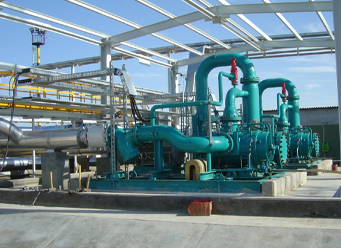
Chemical booster pumps are positive displacement pumps designed to increase the pressure of liquids, specifically corrosive or hazardous chemicals. Positioned within the chemical processing industry’s fluid handling chain, they bridge the gap between storage tanks and process equipment, ensuring consistent and reliable delivery of chemicals to reactors, mixing vessels, and other critical systems. Core performance characteristics center around flow rate, discharge pressure, material compatibility, and leak-free operation. The industry faces challenges including maintaining pump integrity in highly corrosive environments, ensuring accurate dosing, and adhering to stringent safety regulations. Booster pumps are critical in applications where gravity feed is insufficient or where maintaining precise flow control is paramount. Their selection hinges on understanding the chemical's properties and the process demands.
Material Science & Manufacturing
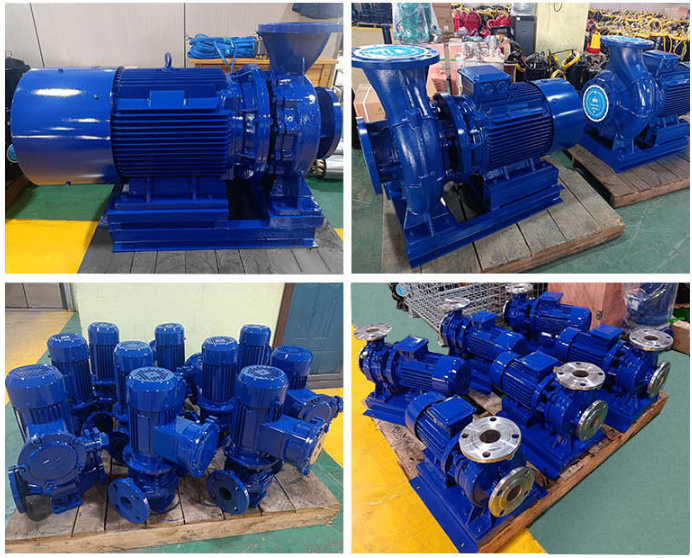
The construction of chemical booster pumps necessitates careful material selection to withstand aggressive chemical attack. Pump heads and wetted parts are commonly fabricated from polymers like PTFE (Teflon), PVDF (Kynar), and polypropylene, chosen for their exceptional chemical resistance. Metallic components, when required for structural integrity, utilize alloys like 316 stainless steel, Hastelloy, and titanium. The choice depends on the specific chemical being pumped; for example, strong oxidizers necessitate titanium or Hastelloy, while less aggressive chemicals may be compatible with PVDF. Manufacturing processes vary with pump type. Diaphragm pumps utilize molded diaphragms, requiring precise control over polymer formulation and molding parameters to ensure flexibility and longevity. Gear pumps involve precision machining of gears, necessitating tight tolerances to minimize slip and maximize volumetric efficiency. Plunger pumps rely on accurately honed plungers and cylinders, requiring surface finish specifications to prevent leakage. Welding processes, where applicable, require skilled technicians and inert gas shielding to prevent oxidation and maintain material properties. Quality control involves hydrostatic testing to verify pressure integrity, and material certifications to confirm compliance with relevant standards.
Performance & Engineering
The performance of a chemical booster pump is governed by several key engineering principles. Force analysis is critical in determining the required motor torque to overcome fluid friction, pressure differentials, and mechanical losses within the pump. Cavitation, a destructive phenomenon caused by vapor bubble collapse, must be avoided through proper NPSH (Net Positive Suction Head) calculations and pump design. Environmental resistance, particularly against chemical degradation and temperature fluctuations, is paramount. Pumps operating in extreme temperatures require thermal expansion compensation and materials with stable properties over a wide temperature range. Compliance requirements, dictated by regulations like ATEX (for potentially explosive atmospheres) and REACH (regarding chemical substances), necessitate the use of certified components and adherence to stringent manufacturing practices. The pump’s control system, often incorporating variable frequency drives (VFDs), allows for precise flow control and energy optimization. System integration involves considerations like piping materials, flange connections, and relief valve sizing to ensure safe and reliable operation. Proper grounding and bonding are crucial to prevent static electricity buildup and potential ignition sources.
Technical Specifications
| Maximum Discharge Pressure (PSI) | Flow Rate (GPM) | Material of Construction (Wetted Parts) | Temperature Range (°F) |
|---|---|---|---|
| 500 | 10 | PTFE | 20 to 250 |
| 1000 | 5 | PVDF | 32 to 300 |
| 1500 | 2 | Hastelloy C-276 | -20 to 350 |
| 300 | 15 | Polypropylene | 40 to 180 |
| 800 | 8 | 316 Stainless Steel | -40 to 200 |
| 1200 | 3 | Titanium | -58 to 392 |
Failure Mode & Maintenance
Chemical booster pumps are susceptible to various failure modes. Fatigue cracking can occur in metallic components subjected to cyclic pressure loading, particularly at stress concentration points. Diaphragm pumps can experience diaphragm rupture due to overpressure, chemical attack, or material fatigue. Seal failures, leading to leakage, are common due to chemical incompatibility, abrasion, or improper installation. Cavitation erosion damages internal surfaces, reducing pump efficiency and lifespan. Corrosion, a prevalent issue, can lead to material degradation and component failure. Regular maintenance is crucial for preventing these failures. This includes visual inspections for leaks and corrosion, periodic seal replacement, diaphragm inspection (for diaphragm pumps), and lubrication of moving parts. Preventive maintenance schedules should be based on operating conditions and chemical compatibility. Failure analysis, utilizing techniques like metallography and chemical analysis, can identify the root cause of failures and inform corrective actions. Proper storage of spare parts and a robust maintenance log are essential for minimizing downtime and maximizing pump reliability. Implementing a vibration analysis program can detect early signs of bearing wear or imbalance.
Industry FAQ
Q: What are the key considerations when selecting a booster pump for sulfuric acid service?
A: Sulfuric acid is highly corrosive. Prioritize materials like PTFE, PVDF, or Hastelloy C-276 for all wetted parts. Ensure the pump is specifically rated for sulfuric acid concentration and temperature. Consider a double-sealed design with a barrier fluid to prevent acid leakage. Regular inspection of seals and diaphragms is critical.
Q: How does temperature affect the performance of a diaphragm pump?
A: Elevated temperatures can reduce the flexibility and tensile strength of the diaphragm material, leading to premature failure. High temperatures can also cause thermal expansion, affecting pump clearances and potentially leading to leaks. Select a diaphragm material rated for the operating temperature and consider temperature compensation measures.
Q: What is NPSH and why is it important for booster pumps?
A: NPSH (Net Positive Suction Head) is the absolute pressure at the pump suction, minus the vapor pressure of the liquid. Insufficient NPSH can cause cavitation, damaging the pump and reducing performance. Proper NPSH calculation and pump placement are crucial to avoid cavitation.
Q: What safety features are essential for a booster pump handling flammable chemicals?
A: For flammable chemicals, the pump should be ATEX certified for the relevant zone. Grounding and bonding are essential to prevent static electricity buildup. Leak detection systems and emergency shut-off valves are critical safety features. Proper ventilation is also necessary.
Q: How often should the seals on a chemical booster pump be replaced?
A: Seal replacement frequency depends on the chemical being pumped, operating conditions, and seal material. As a general guideline, inspect seals every 3-6 months and replace them annually, or more frequently if signs of wear or leakage are observed. Keep a detailed maintenance log.
Conclusion
Chemical booster pumps represent a critical component within chemical processing systems, demanding careful consideration of material compatibility, performance parameters, and safety regulations. Successful implementation requires a deep understanding of the chemical being pumped, the process requirements, and potential failure modes. Proper material selection, coupled with robust engineering design and diligent maintenance practices, are paramount to ensuring reliable and safe operation.
Looking ahead, advancements in pump technology will likely focus on developing more chemically resistant materials, improving pump efficiency, and integrating smart sensors for predictive maintenance. The increasing emphasis on sustainability will drive demand for pumps with reduced energy consumption and minimal environmental impact. Continued adherence to industry standards and best practices will be essential for maintaining the integrity and safety of chemical processing operations.
-
Precision at the Pump: How Better Machining Protects Flow and Uptime
News2026-11-20
-
Why Pump Reliability Begins Before the First Drop of Fluid
News2026-11-20
-
Beyond the Pump: Designing Safer Access Around Critical Water Infrastructure
News2026-11-20
-
Why Pumping Stations Depend on the Infrastructure Beneath the Pumps
News2026-11-20
-
Beyond the Pump Room: How Smarter Loading Protects Industrial Equipment
News2026-11-19
-
When Pumps Stop: Designing More Resilient Power for Critical Pumping Systems
News2026-11-19
-
The Hidden Role of Dust and Gas Monitoring in Reliable Pump Operations
News2026-11-19
-
The Hidden Role of Mineral Compounds in Extending Industrial Pump Lifespan
News2026-10-12
-
Why Pump System Reliability Depends on Precision Hose Assembly Methods
News2026-09-15
-
How Advanced Imaging Films Are Transforming Pump Component Quality Control
News2026-08-25
-
How Advanced Filtration Protects Pump Systems from Premature Wear and Costly Downtime
News2026-08-25
-
How Steel Material Selection Drives Pump Reliability in Heavy-Duty Systems
News2026-08-25
-
Ensuring Pump System Efficiency: The Role of High-Quality Pipe Fittings and Tubing
News2026-08-24
-
Optimizing Fluid Dynamics and Material Consistency in Industrial Processing
News2026-08-18
-
Innovations and Challenges in Hydraulic Systems for Heavy Machinery
News2026-08-13




