English
- Afrikaans
- Albanian
- Amharic
- Arabic
- Armenian
- Azerbaijani
- Basque
- Belarusian
- Bengali
- Bosnian
- Bulgarian
- Catalan
- Cebuano
- Corsican
- Croatian
- Czech
- Danish
- Dutch
- English
- Esperanto
- Estonian
- Finnish
- French
- Frisian
- Galician
- Georgian
- German
- Greek
- Gujarati
- Haitian Creole
- hausa
- hawaiian
- Hebrew
- Hindi
- Miao
- Hungarian
- Icelandic
- igbo
- Indonesian
- irish
- Italian
- Japanese
- Javanese
- Kannada
- kazakh
- Khmer
- Rwandese
- Korean
- Kurdish
- Kyrgyz
- Lao
- Latin
- Latvian
- Lithuanian
- Luxembourgish
- Macedonian
- Malgashi
- Malay
- Malayalam
- Maltese
- Maori
- Marathi
- Mongolian
- Myanmar
- Nepali
- Norwegian
- Norwegian
- Occitan
- Pashto
- Persian
- Polish
- Portuguese
- Punjabi
- Romanian
- Russian
- Samoan
- Scottish Gaelic
- Serbian
- Sesotho
- Shona
- Sindhi
- Sinhala
- Slovak
- Slovenian
- Somali
- Spanish
- Sundanese
- Swahili
- Swedish
- Tagalog
- Tajik
- Tamil
- Tatar
- Telugu
- Thai
- Turkish
- Turkmen
- Ukrainian
- Urdu
- Uighur
- Uzbek
- Vietnamese
- Welsh
- Bantu
- Yiddish
- Yoruba
- Zulu

Telephone: +86 13120555503
Email: frank@cypump.com


Apr . 01, 2024 17:55 Back to list
cheap chemical pump Performance Analysis
Introduction
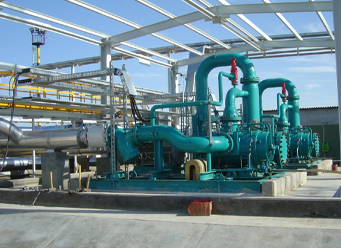
Chemical pumps, specifically those categorized as ‘cheap’ or economically priced, represent a critical component in numerous industrial processes involving the transfer of corrosive, abrasive, or otherwise hazardous fluids. These pumps typically utilize materials like polypropylene, PVC, or PTFE for wetted parts, offering a cost-effective solution compared to pumps constructed from more exotic alloys like Hastelloy or titanium. Their position within the industrial chain is foundational, enabling efficient fluid handling in sectors like water treatment, chemical processing, electroplating, and agricultural chemical application. Core performance characteristics center around flow rate, head pressure, and chemical compatibility, with reliability being a key concern given the potentially damaging nature of the pumped media. While lower initial cost is a primary driver, understanding the trade-offs in material durability, seal performance, and operational lifespan is crucial for informed procurement and application. This guide provides a comprehensive technical overview of these pumps, covering material science, manufacturing processes, performance parameters, potential failure modes, and relevant industry standards.
Material Science & Manufacturing
The core materials in cheap chemical pumps dictate their performance and limitations. Pump housings are frequently manufactured from polypropylene (PP) or polyvinyl chloride (PVC) due to their inherent chemical resistance and low cost. PP offers good resistance to acids and alkalis but has limited temperature resistance (typically below 80°C). PVC provides broader chemical compatibility but is susceptible to embrittlement at lower temperatures. Impellers and casings exposed directly to the pumped fluid are often constructed from similar plastics or, for increased durability, PTFE (Teflon). PTFE exhibits exceptional chemical inertness and a wide temperature range but is considerably more expensive than PP or PVC.
Manufacturing processes vary depending on the component. Housings and larger components are typically produced via injection molding. This process involves injecting molten plastic into a mold cavity, followed by cooling and ejection. Critical parameters include mold temperature, injection pressure, and cooling rate, which directly influence the density, crystallinity, and dimensional accuracy of the part. Impellers may also be injection molded or, in some cases, machined from solid plastic stock. Seals are a critical component, often utilizing elastomers like Viton or EPDM, selected for their chemical resistance and ability to maintain a tight seal. The assembly process involves careful alignment and torquing of fasteners to prevent leaks. Quality control typically includes hydrostatic testing to verify housing integrity and performance testing to confirm flow rate and head pressure. Welded joints, where present (typically in metallic components found in more robust variations of “cheap” pumps), are subject to Non-Destructive Testing (NDT) methods such as visual inspection, dye penetrant testing, or ultrasonic testing to detect flaws.
Performance & Engineering
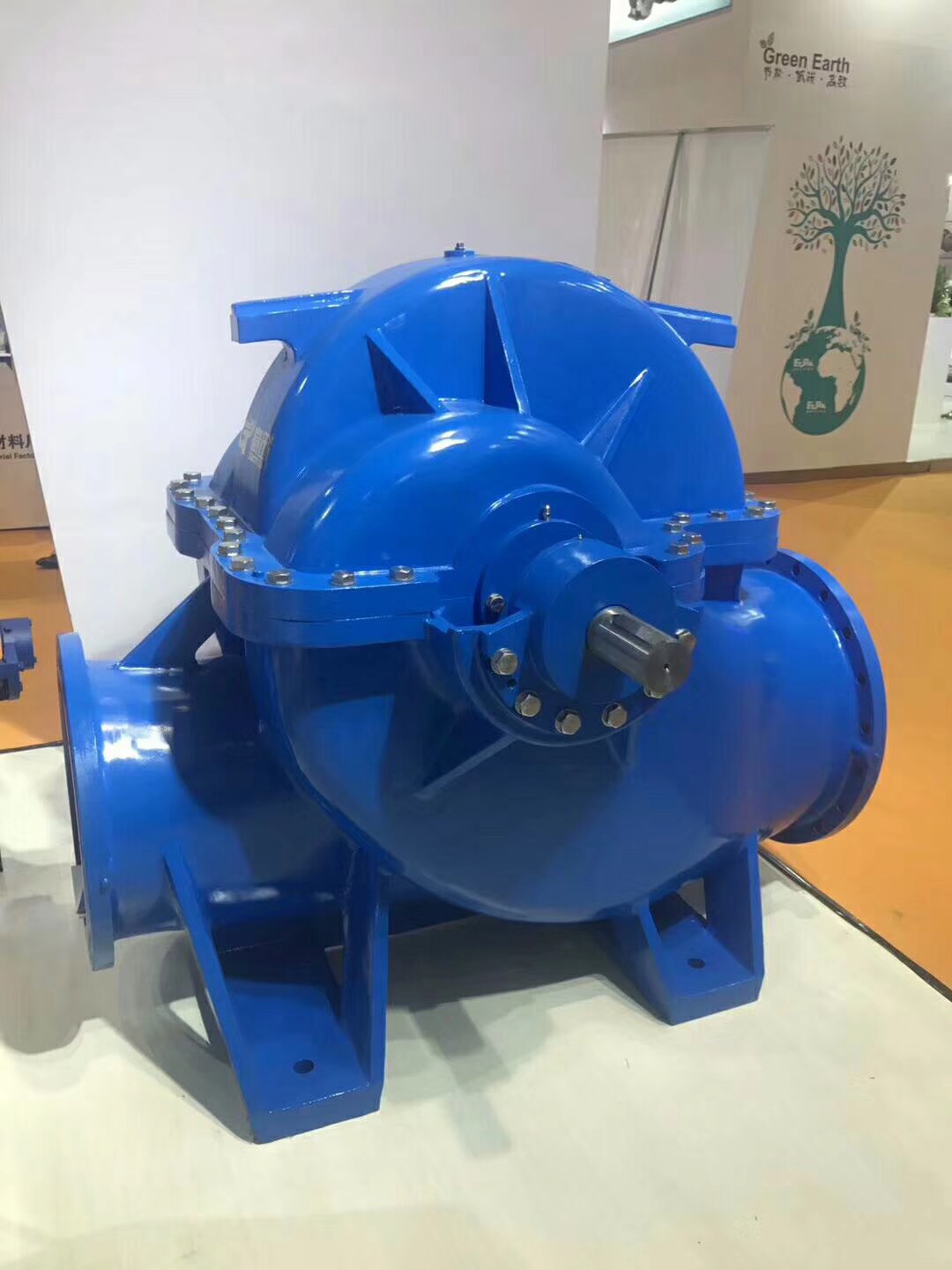
The performance of a chemical pump is dictated by several engineering principles. Cavitation, a major concern, occurs when the pressure at the pump inlet drops below the vapor pressure of the liquid, forming bubbles that collapse and damage the impeller. Net Positive Suction Head Required (NPSHr) is a critical parameter determined by the pump’s design and operating speed; it must be less than the Net Positive Suction Head Available (NPSHa) in the system to prevent cavitation. Flow rate is governed by impeller design, rotational speed, and fluid viscosity. Head pressure, the vertical distance the pump can lift the fluid, is dependent on impeller diameter, rotational speed, and fluid density.
Environmental resistance is a key consideration. UV exposure can degrade plastic housings, leading to cracking and loss of structural integrity. Temperature fluctuations can cause thermal expansion and contraction, potentially compromising seal performance. Chemical compatibility is paramount; prolonged exposure to incompatible fluids can cause swelling, softening, or dissolution of pump materials. Compliance requirements, particularly those related to hazardous materials handling, often necessitate pumps meeting specific safety standards (e.g., ATEX certification for potentially explosive atmospheres). Force analysis focuses on stresses induced by fluid pressure and mechanical loads, ensuring the pump housing and impeller can withstand the operational demands without failure. Material selection significantly influences these analyses. Finite Element Analysis (FEA) is frequently employed during the design phase to optimize pump geometry and minimize stress concentrations.
Technical Specifications
| Parameter | Unit | Typical Value (PP/PVC Pump) | Typical Value (PTFE Lined Pump) |
|---|---|---|---|
| Maximum Flow Rate | m³/h | 0-60 | 0-120 |
| Maximum Head | m | 0-30 | 0-50 |
| Temperature Range | °C | 0-80 | -20-100 |
| Chemical Compatibility | - | Good for acids & alkalis, limited solvents | Excellent - broad range of chemicals |
| Seal Material | - | Viton, EPDM | PTFE, Viton |
| Connection Type | - | Threaded, Flanged | Threaded, Flanged |
Failure Mode & Maintenance
Cheap chemical pumps are susceptible to several failure modes. Fatigue cracking in plastic housings can occur due to cyclical pressure fluctuations or mechanical vibration, particularly in areas around stress concentrators (e.g., mounting points, threaded connections). Delamination of PTFE linings can occur due to poor adhesion or exposure to high temperatures. Degradation of elastomers (seals) is common, resulting in leaks. This is often accelerated by chemical attack or temperature extremes. Oxidation of metallic components (if present) can lead to corrosion and reduced structural integrity. Abrasive wear, caused by suspended solids in the pumped fluid, can erode impeller vanes and housing surfaces.
Preventive maintenance is crucial. Regular inspection of seals for leaks or wear is essential. Periodic flushing of the pump to remove sediment buildup can prevent clogging and cavitation. Lubrication of bearings (if applicable) should be performed according to the manufacturer’s recommendations. Material compatibility should be regularly verified to ensure the pump remains suitable for the application. When failures occur, a thorough root cause analysis is recommended. This may involve visual inspection, dimensional measurements, and material testing. Seal replacement is a common repair. In cases of severe housing damage, complete pump replacement is often the most cost-effective solution given the relatively low cost of these pumps.
Industry FAQ
Q: What is the primary limitation of using a polypropylene pump for sulfuric acid service?
A: While polypropylene exhibits good resistance to sulfuric acid at lower concentrations and temperatures, its resistance decreases significantly with increasing concentration and temperature. Concentrated sulfuric acid can cause swelling and degradation of the PP, leading to pump failure. PTFE lined pumps are typically recommended for concentrated sulfuric acid service due to their superior chemical inertness.
Q: How does the viscosity of the pumped fluid affect the performance of a cheap chemical pump?
A: Increased viscosity reduces the flow rate and increases the power consumption of the pump. A highly viscous fluid requires more energy to overcome internal friction. The pump’s impeller may also experience increased wear. It's crucial to select a pump with sufficient motor power and impeller design to handle the expected viscosity range.
Q: What is the typical lifespan of a PVC chemical pump handling sodium hydroxide solution?
A: The lifespan depends heavily on the concentration and temperature of the sodium hydroxide solution, as well as the frequency of operation. Typically, a PVC pump can last between 6 months and 2 years in moderate conditions (e.g., 20% NaOH at 40°C). Higher concentrations and temperatures will significantly reduce the lifespan.
Q: What are the key considerations when selecting a seal material for a chemical pump?
A: Chemical compatibility is paramount. The seal material must be resistant to the specific chemicals being pumped. Temperature resistance and mechanical properties (e.g., hardness, elasticity) are also important. Viton is a common choice for many chemicals, but it's not suitable for all applications. PTFE seals offer broader chemical compatibility but may be more expensive.
Q: What preventative maintenance steps should be taken to minimize cavitation damage?
A: Ensure the NPSHa (Net Positive Suction Head Available) in the system is greater than the NPSHr (Net Positive Suction Head Required) of the pump. Minimize suction line restrictions and maintain a consistent flow rate. Regularly inspect the impeller for signs of erosion or damage. Avoid operating the pump at excessively high speeds.
Conclusion
Cheap chemical pumps provide an economical solution for fluid handling in a wide range of industrial applications. However, their lower cost necessitates a thorough understanding of their limitations concerning material compatibility, temperature resistance, and potential failure modes. Proper material selection, careful system design to prevent cavitation, and a robust preventative maintenance program are crucial for maximizing their operational lifespan and ensuring reliable performance.
Ultimately, selecting the appropriate pump requires a detailed assessment of the specific application requirements. While initial cost is a significant factor, considering the total cost of ownership – including maintenance, downtime, and potential environmental liabilities – is essential. Advancements in polymer materials and manufacturing techniques continue to improve the performance and durability of these pumps, but a pragmatic approach based on sound engineering principles remains critical for success.
-
Precision at the Pump: How Better Machining Protects Flow and Uptime
News2026-11-20
-
Why Pump Reliability Begins Before the First Drop of Fluid
News2026-11-20
-
Beyond the Pump: Designing Safer Access Around Critical Water Infrastructure
News2026-11-20
-
Why Pumping Stations Depend on the Infrastructure Beneath the Pumps
News2026-11-20
-
Beyond the Pump Room: How Smarter Loading Protects Industrial Equipment
News2026-11-19
-
When Pumps Stop: Designing More Resilient Power for Critical Pumping Systems
News2026-11-19
-
The Hidden Role of Dust and Gas Monitoring in Reliable Pump Operations
News2026-11-19
-
The Hidden Role of Mineral Compounds in Extending Industrial Pump Lifespan
News2026-10-12
-
Why Pump System Reliability Depends on Precision Hose Assembly Methods
News2026-09-15
-
How Advanced Imaging Films Are Transforming Pump Component Quality Control
News2026-08-25
-
How Advanced Filtration Protects Pump Systems from Premature Wear and Costly Downtime
News2026-08-25
-
How Steel Material Selection Drives Pump Reliability in Heavy-Duty Systems
News2026-08-25
-
Ensuring Pump System Efficiency: The Role of High-Quality Pipe Fittings and Tubing
News2026-08-24
-
Optimizing Fluid Dynamics and Material Consistency in Industrial Processing
News2026-08-18
-
Innovations and Challenges in Hydraulic Systems for Heavy Machinery
News2026-08-13




