English
- Afrikaans
- Albanian
- Amharic
- Arabic
- Armenian
- Azerbaijani
- Basque
- Belarusian
- Bengali
- Bosnian
- Bulgarian
- Catalan
- Cebuano
- Corsican
- Croatian
- Czech
- Danish
- Dutch
- English
- Esperanto
- Estonian
- Finnish
- French
- Frisian
- Galician
- Georgian
- German
- Greek
- Gujarati
- Haitian Creole
- hausa
- hawaiian
- Hebrew
- Hindi
- Miao
- Hungarian
- Icelandic
- igbo
- Indonesian
- irish
- Italian
- Japanese
- Javanese
- Kannada
- kazakh
- Khmer
- Rwandese
- Korean
- Kurdish
- Kyrgyz
- Lao
- Latin
- Latvian
- Lithuanian
- Luxembourgish
- Macedonian
- Malgashi
- Malay
- Malayalam
- Maltese
- Maori
- Marathi
- Mongolian
- Myanmar
- Nepali
- Norwegian
- Norwegian
- Occitan
- Pashto
- Persian
- Polish
- Portuguese
- Punjabi
- Romanian
- Russian
- Samoan
- Scottish Gaelic
- Serbian
- Sesotho
- Shona
- Sindhi
- Sinhala
- Slovak
- Slovenian
- Somali
- Spanish
- Sundanese
- Swahili
- Swedish
- Tagalog
- Tajik
- Tamil
- Tatar
- Telugu
- Thai
- Turkish
- Turkmen
- Ukrainian
- Urdu
- Uighur
- Uzbek
- Vietnamese
- Welsh
- Bantu
- Yiddish
- Yoruba
- Zulu

Telephone: +86 13120555503
Email: frank@cypump.com


Apr . 01, 2024 17:55 Back to list
ceramic slurry pump Performance Analysis
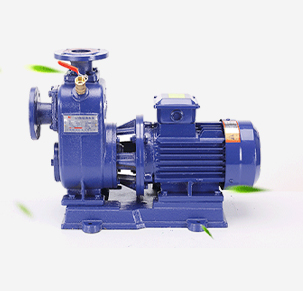
Introduction
Ceramic slurry pumps are engineered for the demanding task of transporting highly abrasive and corrosive slurries. Positioned within the industrial process chain downstream of solid-liquid separation and upstream of further processing or disposal, these pumps are critical components in industries such as mining, chemical processing, wastewater treatment, and ceramics manufacturing. Unlike traditional metallic pumps, ceramic slurry pumps utilize wear-resistant ceramic components – primarily alumina, zirconia, and silicon carbide – in their fluid-handling pathways, resulting in significantly extended service life and reduced maintenance costs when handling aggressive media. Core performance characteristics center around maintaining flow rates and pressures while minimizing erosion and corrosion, leading to operational efficiency and reduced downtime. A key challenge lies in balancing ceramic material brittleness with the high impact forces inherent in slurry transport.
Material Science & Manufacturing
The core material for ceramic slurry pump components is typically aluminum oxide (Al₂O₃), due to its high hardness, excellent wear resistance, and relatively low cost. Zirconium oxide (ZrO₂) is employed in more severely abrasive applications, offering superior toughness and impact resistance, but at a higher cost. Silicon carbide (SiC) delivers exceptional hardness and thermal conductivity, suited for high-temperature and highly corrosive environments. Raw material selection focuses on purity, particle size distribution, and sintering aids. Manufacturing processes vary based on component complexity. Pump housings are often produced via slip casting, where a ceramic slurry is poured into a porous mold, dewatered, and then sintered at high temperatures (1500-1700°C) to achieve density and strength. Impellers and liners are frequently formed through isostatic pressing, providing uniform density and precision. Critical parameters during sintering include temperature ramp rates, hold times, and atmosphere control (typically inert gas to prevent oxidation). Post-sintering processes often include precision grinding and polishing to achieve tight tolerances and smooth surface finishes, minimizing friction and improving hydraulic efficiency. The presence of secondary phases, such as silica, can affect thermal shock resistance and must be carefully controlled during material formulation. Bonding between ceramic components and metallic components (e.g., pump shaft) is frequently achieved through high-temperature brazing, requiring precise control of filler metal composition and brazing parameters to ensure a strong, leak-proof joint.
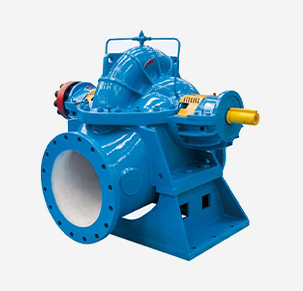
Performance & Engineering
Performance assessment of ceramic slurry pumps necessitates a detailed understanding of slurry rheology and erosive wear mechanisms. Force analysis involves considering hydrodynamic forces generated by slurry flow, centrifugal forces acting on the impeller, and impact forces from solid particles. Cavitation, while less common than in metallic pumps due to the higher material strength, remains a concern, especially with low NPSH available. Environmental resistance is paramount. The chemical compatibility of the ceramic material with the slurry constituents must be rigorously evaluated to prevent corrosion or degradation. Factors like pH, temperature, and the presence of specific ions (e.g., chlorides) can significantly impact ceramic longevity. Compliance requirements vary by industry and geographical region, including adherence to standards relating to pump efficiency (e.g., ISO 9906), materials traceability (e.g., EN 10204), and environmental protection (e.g., ATEX for potentially explosive atmospheres). Functional implementation hinges on selecting the appropriate pump type – centrifugal, positive displacement, or peristaltic – based on slurry characteristics and application demands. Centrifugal pumps are most common for high-volume, low-to-medium pressure applications, while positive displacement pumps are favored for high-pressure, low-flow scenarios. Proper impeller design, including blade angle and width, is crucial for maximizing hydraulic efficiency and minimizing wear.
Technical Specifications
| Parameter | Unit | Typical Value (Alumina Ceramic) | Typical Value (Zirconia Ceramic) |
|---|---|---|---|
| Maximum Flow Rate | m³/h | 0-500 | 0-300 |
| Maximum Discharge Pressure | bar | 10 | 25 |
| Slurry Solids Concentration (Max) | % by weight | 60 | 70 |
| Operating Temperature Range | °C | -30 to 120 | -30 to 200 |
| Hardness (Vickers) | HV | 1300-1500 | 1800-2000 |
| Flexural Strength | MPa | 300-400 | 800-1000 |
Failure Mode & Maintenance
Ceramic slurry pumps, while durable, are susceptible to specific failure modes. Fatigue cracking is a common issue, particularly in impellers, stemming from repeated stress cycles induced by slurry flow and particle impact. Delamination can occur in ceramic liners due to thermal stress or inadequate bonding with the pump housing. Chemical degradation, especially from acidic or alkaline slurries, can lead to material dissolution and loss of structural integrity. Oxidation at high temperatures can compromise ceramic strength. Abrasive wear, though minimized by ceramic hardness, still contributes to gradual material loss, especially in areas of high slurry velocity. Maintenance strategies prioritize preventative measures. Regular inspection for wear patterns, cracks, and corrosion is essential. Bearing lubrication should be monitored and maintained per manufacturer recommendations. Impeller balancing is crucial to minimize vibration and fatigue. In the event of ceramic component failure, replacement is typically required as ceramic repair is often impractical. Proper slurry pre-treatment (e.g., screening to remove oversized particles) can significantly extend pump life. Periodic flushing of the pump casing to remove accumulated solids is also recommended. Analyzing wear debris provides valuable insights into slurry composition and potential corrosion mechanisms.
Industry FAQ
Q: What is the primary advantage of using a ceramic slurry pump over a traditional metallic pump for highly abrasive slurries?
A: The primary advantage is significantly extended service life. Ceramics possess superior hardness and wear resistance compared to most metals, resulting in drastically reduced erosion rates when handling abrasive particles. This translates to lower maintenance costs, reduced downtime, and increased operational efficiency.
Q: How does the slurry’s pH affect the selection of ceramic material?
A: Slurry pH is a critical factor. Alumina ceramics are generally suitable for neutral to slightly alkaline slurries. However, they are susceptible to attack by strong acids or strong alkalis. Zirconia offers better resistance to acids, while silicon carbide excels in both acidic and alkaline environments. Proper material selection is essential to prevent chemical degradation.
Q: What are the limitations of ceramic materials in slurry pump applications?
A: Ceramics are brittle and have relatively low tensile strength compared to metals. This makes them susceptible to cracking under high impact loads or thermal shock. Careful pump design and operation are necessary to minimize these stresses. Also, ceramic components are generally more expensive than their metallic counterparts.
Q: How often should the ceramic components be inspected for wear?
A: The inspection frequency depends on the severity of the slurry and the pump’s operating conditions. However, a general guideline is to inspect the impeller and liner every 3-6 months, or after a specified operating hours (e.g., 1000 hours). Visual inspection for wear patterns, cracks, and corrosion is crucial.
Q: What is the importance of NPSH (Net Positive Suction Head) in ceramic slurry pump operation?
A: Maintaining adequate NPSH is vital to prevent cavitation, even in ceramic pumps. Cavitation can damage the ceramic impeller and liner, leading to premature failure. The required NPSH depends on the pump design and slurry characteristics, and it must be carefully calculated and maintained to ensure reliable operation.
Conclusion
Ceramic slurry pumps represent a robust and reliable solution for transporting abrasive and corrosive fluids. The selection of appropriate ceramic materials – alumina, zirconia, or silicon carbide – is contingent upon specific slurry characteristics, operating conditions, and budgetary constraints. Understanding the inherent limitations of ceramic brittleness and implementing preventative maintenance strategies are crucial for maximizing pump lifespan and minimizing operational disruptions.
Future advancements in ceramic materials and manufacturing techniques are likely to further enhance the performance and durability of these pumps, potentially leading to increased operating pressures, higher temperature capabilities, and improved resistance to specific corrosive media. Continued research into slurry rheology and erosion mechanisms will also contribute to optimized pump designs and more effective maintenance protocols.
-
Comprehensive Guide to Waterproof ORings for Optimal Sealing Solutions
News2026-06-09
-
Septic Pump System Performance Analysis
News2026-06-08
-
pump for septic Material Science
News2026-06-08
-
basement sewer pump Performance Analysis
News2026-06-08
-
submerged pump Performance Engineering
News2026-06-08
-
Septic System Pumps Performance Analysis
News2026-06-08
-
septic system pump Material Science and Manufacturing
News2026-06-07
-
pump for septic tank Material Science Manufacturing
News2026-06-07
-
submersible sewage pump Material Science
News2026-06-07
-
Sewage Ejector Material Science and Manufacturing
News2026-06-07
-
Ejection Pump Material Science
News2026-06-07
-
pump submersible Performance Analysis
News2026-06-06
-
ejector pumps Performance Engineering
News2026-06-06
-
basement ejector pump Material Science Manufacturing
News2026-06-06
-
Septic Tanks Pumping Performance Analysis
News2026-06-06




