English
- Afrikaans
- Albanian
- Amharic
- Arabic
- Armenian
- Azerbaijani
- Basque
- Belarusian
- Bengali
- Bosnian
- Bulgarian
- Catalan
- Cebuano
- Corsican
- Croatian
- Czech
- Danish
- Dutch
- English
- Esperanto
- Estonian
- Finnish
- French
- Frisian
- Galician
- Georgian
- German
- Greek
- Gujarati
- Haitian Creole
- hausa
- hawaiian
- Hebrew
- Hindi
- Miao
- Hungarian
- Icelandic
- igbo
- Indonesian
- irish
- Italian
- Japanese
- Javanese
- Kannada
- kazakh
- Khmer
- Rwandese
- Korean
- Kurdish
- Kyrgyz
- Lao
- Latin
- Latvian
- Lithuanian
- Luxembourgish
- Macedonian
- Malgashi
- Malay
- Malayalam
- Maltese
- Maori
- Marathi
- Mongolian
- Myanmar
- Nepali
- Norwegian
- Norwegian
- Occitan
- Pashto
- Persian
- Polish
- Portuguese
- Punjabi
- Romanian
- Russian
- Samoan
- Scottish Gaelic
- Serbian
- Sesotho
- Shona
- Sindhi
- Sinhala
- Slovak
- Slovenian
- Somali
- Spanish
- Sundanese
- Swahili
- Swedish
- Tagalog
- Tajik
- Tamil
- Tatar
- Telugu
- Thai
- Turkish
- Turkmen
- Ukrainian
- Urdu
- Uighur
- Uzbek
- Vietnamese
- Welsh
- Bantu
- Yiddish
- Yoruba
- Zulu

Telephone: +86 13120555503
Email: frank@cypump.com


Apr . 01, 2024 17:55 Back to list
centrifugal slurry pump Material Science and Manufacturing
Introduction
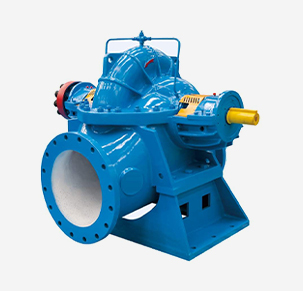
Centrifugal slurry pumps are engineered to efficiently transport abrasive, corrosive, and erosive fluids – collectively known as slurries – commonly encountered in industries such as mining, wastewater treatment, chemical processing, and dredging. Distinguished from standard centrifugal pumps by their robust construction and specialized design features, they are integral to material handling processes. Their technical position within the industry chain lies between the upstream processing (extraction/generation of the slurry) and downstream operations (transport, storage, or further processing). Core performance characteristics encompass flow rate (typically measured in gallons per minute or cubic meters per hour), head (pressure developed by the pump, measured in feet or meters), solids handling capability (maximum particle size and concentration), and pump efficiency. A key industry pain point is premature wear and failure due to the abrasive nature of slurries, leading to high maintenance costs and production downtime. Selecting the appropriate pump material, impeller design, and sealing system are therefore critical.
Material Science & Manufacturing
The performance and longevity of centrifugal slurry pumps are fundamentally linked to material science and manufacturing processes. Pump components exposed to slurry abrasion are typically constructed from high-chromium cast irons (e.g., 27% Cr), providing exceptional resistance to wear. Alternative materials include hardened stainless steels (e.g., duplex stainless steels, 2205) for corrosive environments, and elastomer linings (natural rubber, polyurethane) for abrasive slurries with lower temperatures. The volute casing and impeller are often produced using sand casting followed by heat treatment to achieve desired hardness levels. Impeller design is crucial; closed impellers are more efficient with lower solids concentrations, while open or semi-open impellers handle higher solids concentrations more effectively, albeit with reduced efficiency. Manufacturing tolerances are critical, particularly for impeller balance, which directly impacts vibration and bearing life. Welding processes, where used, must adhere to strict standards (e.g., AWS D1.1) to ensure joint integrity and prevent corrosion initiation. The shaft material (often alloy steel) undergoes rigorous quality control, including non-destructive testing (NDT) methods like ultrasonic testing and magnetic particle inspection to detect flaws. Surface hardening techniques, such as induction hardening, further enhance wear resistance.
Performance & Engineering
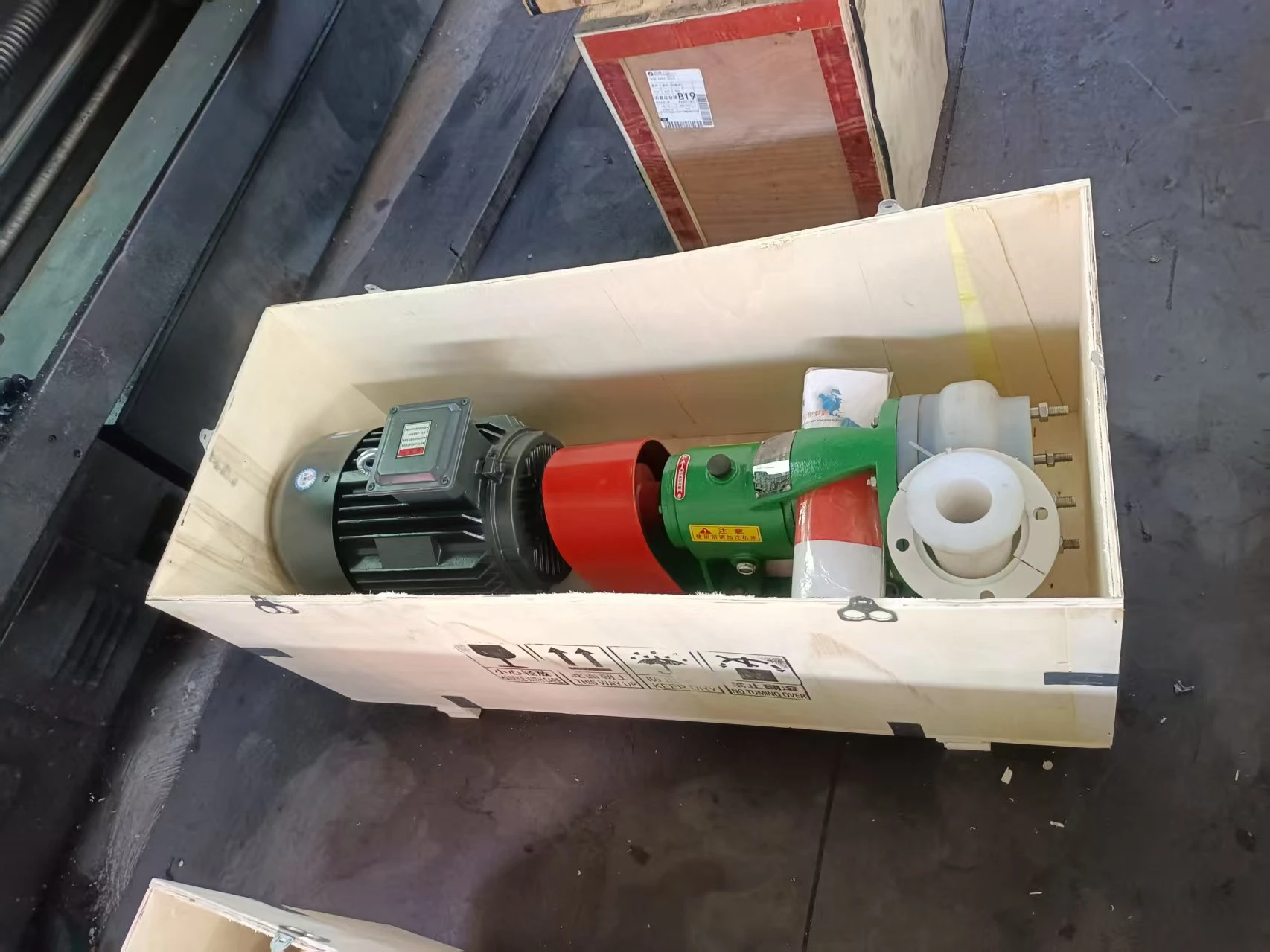
Centrifugal slurry pump performance is governed by principles of fluid dynamics and mechanical engineering. The pump's affinity laws dictate the relationships between flow rate, head, and impeller speed. Force analysis considers the hydraulic forces exerted by the slurry on the impeller and volute, as well as the mechanical stresses induced by the rotational motion. Cavitation – the formation and collapse of vapor bubbles – is a significant concern, particularly with volatile slurries or at high pump speeds. Proper net positive suction head required (NPSHr) calculations are vital to prevent cavitation damage. Environmental resistance is assessed through considerations of temperature extremes, corrosive atmospheres, and potential exposure to ultraviolet radiation. Compliance requirements vary by region and application; for instance, pumps used in potable water treatment must comply with NSF/ANSI 61 standards. Sealing systems – including mechanical seals and packing glands – are engineered to prevent leakage of slurry and maintain pump efficiency. The choice of seal material (e.g., silicon carbide, tungsten carbide) depends on the slurry's chemical composition and abrasive characteristics. Pump curves, generated through hydraulic testing, provide critical performance data for system design and optimization.
Technical Specifications
| Capacity (GPM) | Total Head (ft) | Maximum Solids Size (in) | Pump Material |
|---|---|---|---|
| 50-200 | 50-150 | 1.5 | High-Chromium Cast Iron |
| 100-500 | 100-300 | 2 | Duplex Stainless Steel (2205) |
| 200-800 | 150-450 | 3 | Rubber Lined Steel |
| 400-1200 | 200-600 | 4 | High-Chromium Cast Iron |
| 600-1500 | 250-750 | 6 | Rubber Lined Steel |
| 800-2000 | 300-900 | 8 | High-Chromium Cast Iron |
Failure Mode & Maintenance
Centrifugal slurry pumps are susceptible to several failure modes. Abrasive wear, the most common, leads to gradual erosion of impeller vanes, volute casing, and liners, reducing pump efficiency and flow rate. Corrosion, induced by chemically aggressive slurries, weakens pump components, causing pitting and eventual failure. Fatigue cracking can occur in shafts and impellers due to cyclic loading and stress concentrations. Cavitation damage manifests as pitting on impeller surfaces, leading to reduced performance and potential structural failure. Bearing failures are often caused by improper lubrication, contamination, or excessive loading. Mechanical seal failures result in leakage and can be attributed to abrasive particles, dry running, or chemical incompatibility. Preventive maintenance is critical. Regular inspections should include visual checks for wear, vibration analysis, lubrication monitoring, and seal integrity assessments. Impeller and liner replacement is often necessary based on wear rates. Proper slurry handling procedures, such as screening to remove oversized particles, can significantly extend pump life. Periodic performance testing helps identify efficiency losses and potential problems before they escalate. Root cause analysis of failures is essential to implement corrective actions and prevent recurrence.
Industry FAQ
Q: What is the primary difference between a centrifugal slurry pump and a standard centrifugal pump?
A: The key difference lies in the design and materials. Slurry pumps are built with heavier duty construction, hardened materials (like high-chromium iron), and often feature more robust seals to withstand the abrasive and corrosive nature of slurries. Standard centrifugal pumps are designed for clean fluids and lack the wear resistance required for slurry applications.
Q: How do you select the appropriate pump material for a specific slurry?
A: Material selection depends on the slurry’s composition, particle size, concentration, and flow velocity. High-chromium cast iron is suitable for abrasive slurries with low corrosivity. Stainless steels are preferred for corrosive environments, and elastomer linings provide excellent wear resistance for less aggressive abrasive slurries. A thorough chemical compatibility assessment is essential.
Q: What causes cavitation in slurry pumps and how can it be prevented?
A: Cavitation occurs when the pressure at the pump suction drops below the vapor pressure of the slurry. This forms vapor bubbles that collapse violently, damaging impeller surfaces. Prevention involves ensuring adequate NPSH (Net Positive Suction Head) available, minimizing suction lift, and maintaining sufficient flow rates.
Q: What is the importance of impeller design in slurry pump performance?
A: Impeller design significantly impacts pump efficiency and solids handling capability. Open or semi-open impellers are better suited for high solids concentrations, while closed impellers offer higher efficiency for lower solids content. Impeller geometry must be optimized to minimize wear and prevent clogging.
Q: How often should mechanical seals be inspected and replaced in a slurry pump?
A: Inspection frequency depends on the slurry’s abrasiveness and corrosivity. Generally, seals should be inspected during scheduled maintenance intervals (e.g., every 6-12 months) or whenever a decrease in pump performance or leakage is observed. Replacement should occur proactively to prevent catastrophic failures.
Conclusion
Centrifugal slurry pumps represent a crucial technology in numerous industrial processes demanding robust fluid handling capabilities. The selection, operation, and maintenance of these pumps are intricately linked to material science, hydraulic engineering, and a deep understanding of slurry characteristics. Addressing the industry pain point of abrasive wear necessitates a holistic approach, encompassing appropriate material selection, optimized impeller design, and rigorous preventive maintenance programs.
Future developments in slurry pump technology will likely focus on advanced materials, such as ceramic composites and novel alloys, offering enhanced wear and corrosion resistance. Improved impeller designs, incorporating computational fluid dynamics (CFD) simulations, will further optimize pump efficiency and solids handling performance. The integration of smart sensors and predictive maintenance algorithms will enable condition-based monitoring, minimizing downtime and maximizing pump lifespan. These advancements will be vital in addressing the evolving demands of slurry handling applications.
-
Comprehensive Guide to Waterproof ORings for Optimal Sealing Solutions
News2026-06-09
-
Septic Pump System Performance Analysis
News2026-06-08
-
pump for septic Material Science
News2026-06-08
-
basement sewer pump Performance Analysis
News2026-06-08
-
submerged pump Performance Engineering
News2026-06-08
-
Septic System Pumps Performance Analysis
News2026-06-08
-
septic system pump Material Science and Manufacturing
News2026-06-07
-
pump for septic tank Material Science Manufacturing
News2026-06-07
-
submersible sewage pump Material Science
News2026-06-07
-
Sewage Ejector Material Science and Manufacturing
News2026-06-07
-
Ejection Pump Material Science
News2026-06-07
-
pump submersible Performance Analysis
News2026-06-06
-
ejector pumps Performance Engineering
News2026-06-06
-
basement ejector pump Material Science Manufacturing
News2026-06-06
-
Septic Tanks Pumping Performance Analysis
News2026-06-06




