English
- Afrikaans
- Albanian
- Amharic
- Arabic
- Armenian
- Azerbaijani
- Basque
- Belarusian
- Bengali
- Bosnian
- Bulgarian
- Catalan
- Cebuano
- Corsican
- Croatian
- Czech
- Danish
- Dutch
- English
- Esperanto
- Estonian
- Finnish
- French
- Frisian
- Galician
- Georgian
- German
- Greek
- Gujarati
- Haitian Creole
- hausa
- hawaiian
- Hebrew
- Hindi
- Miao
- Hungarian
- Icelandic
- igbo
- Indonesian
- irish
- Italian
- Japanese
- Javanese
- Kannada
- kazakh
- Khmer
- Rwandese
- Korean
- Kurdish
- Kyrgyz
- Lao
- Latin
- Latvian
- Lithuanian
- Luxembourgish
- Macedonian
- Malgashi
- Malay
- Malayalam
- Maltese
- Maori
- Marathi
- Mongolian
- Myanmar
- Nepali
- Norwegian
- Norwegian
- Occitan
- Pashto
- Persian
- Polish
- Portuguese
- Punjabi
- Romanian
- Russian
- Samoan
- Scottish Gaelic
- Serbian
- Sesotho
- Shona
- Sindhi
- Sinhala
- Slovak
- Slovenian
- Somali
- Spanish
- Sundanese
- Swahili
- Swedish
- Tagalog
- Tajik
- Tamil
- Tatar
- Telugu
- Thai
- Turkish
- Turkmen
- Ukrainian
- Urdu
- Uighur
- Uzbek
- Vietnamese
- Welsh
- Bantu
- Yiddish
- Yoruba
- Zulu

Telephone: +86 13120555503
Email: frank@cypump.com


Apr . 01, 2024 17:55 Back to list
centrifugal pump for slurry Technical Specification and Performance Analysis
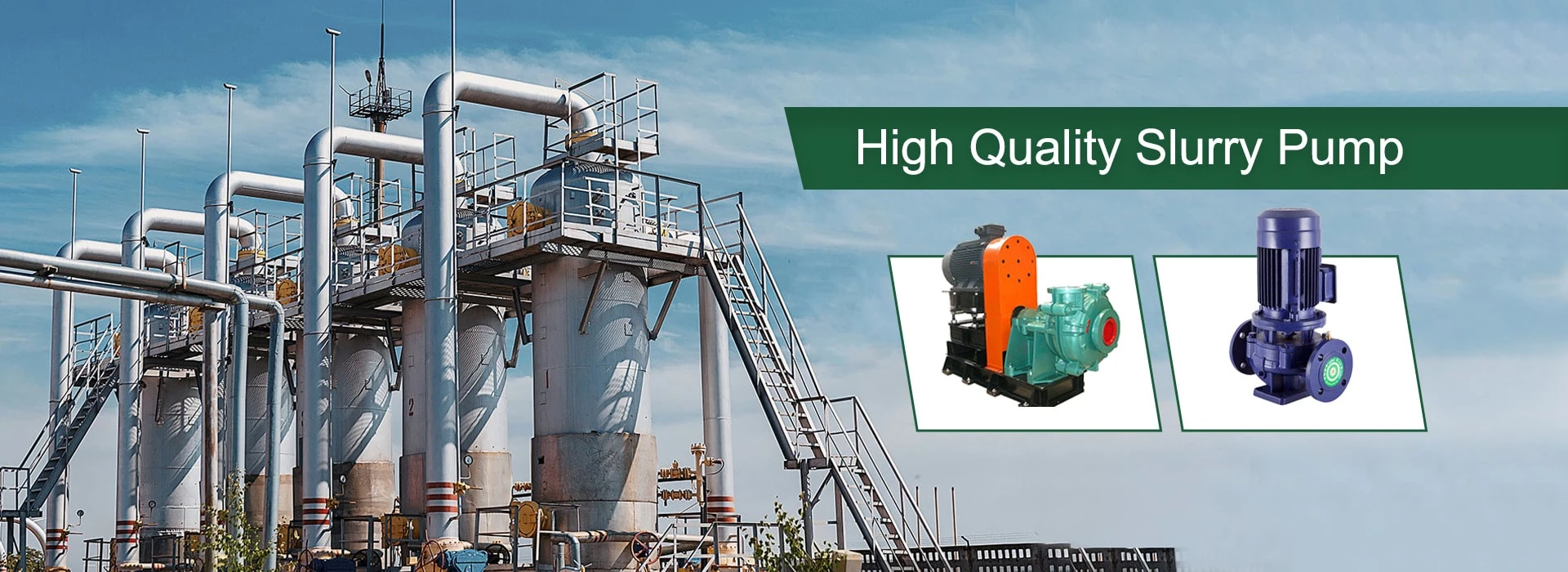
Centrifugal Pump for Slurry: Technical Specification and Performance Analysis
A centrifugal pump for slurry is a specialized rotating machine designed to transport fluids containing suspended solid particles, ranging from fine silts to coarse mineral ores. Positioned as a critical asset in the midstream of mining, dredging, and chemical processing value chains, these pumps must overcome the dual challenges of high fluid viscosity and extreme abrasive wear. Unlike standard water pumps, slurry pumps are engineered to manage non-Newtonian fluid behavior and the kinetic impact of solids. The core technical objective is to maintain a stable flow rate and head while minimizing the erosion rate of internal wetted components, ensuring operational continuity in environments where downtime costs can reach thousands of dollars per hour. This guide provides a comprehensive analysis of the metallurgical, hydraulic, and mechanical engineering principles required to optimize slurry transport systems.
Material Science & Manufacturing
The longevity of a centrifugal pump for slurry is fundamentally determined by the synergy between material hardness and fracture toughness. The primary failure mechanism in these pumps is erosive wear, where solid particles strike the pump casing and impeller at high velocities, removing material through micro-cutting and plastic deformation.
Metallurgical Selection: To combat this, industry standards dictate the use of high-chromium white irons (e.g., ASTM A532) and natural rubber linings. High-chromium alloys (typically 25% to 28% Cr) form hard primary carbides (M7C3) embedded in a martensitic matrix, providing a hardness typically exceeding 60 HRC. For highly abrasive but less corrosive slurries, natural rubber or polyurethane linings are employed; these elastomers absorb the kinetic energy of the impacting particles, causing them to bounce off rather than gouge the surface.
Manufacturing Process: The production of the impeller involves precision investment casting to ensure balanced mass distribution, followed by heat treatment—specifically austenitizing and quenching—to achieve the required martensitic structure. The pump casing is often manufactured via sand casting with reinforced wall thicknesses to allow for future liner replacements. Critical tolerances are maintained through CNC grinding of the shaft and precision machining of the stuffing box to ensure a leak-proof seal interface. Control parameters during casting, such as cooling rates, are strictly monitored to prevent the formation of brittle ledeburite networks which could lead to catastrophic cracking under hydraulic shock.
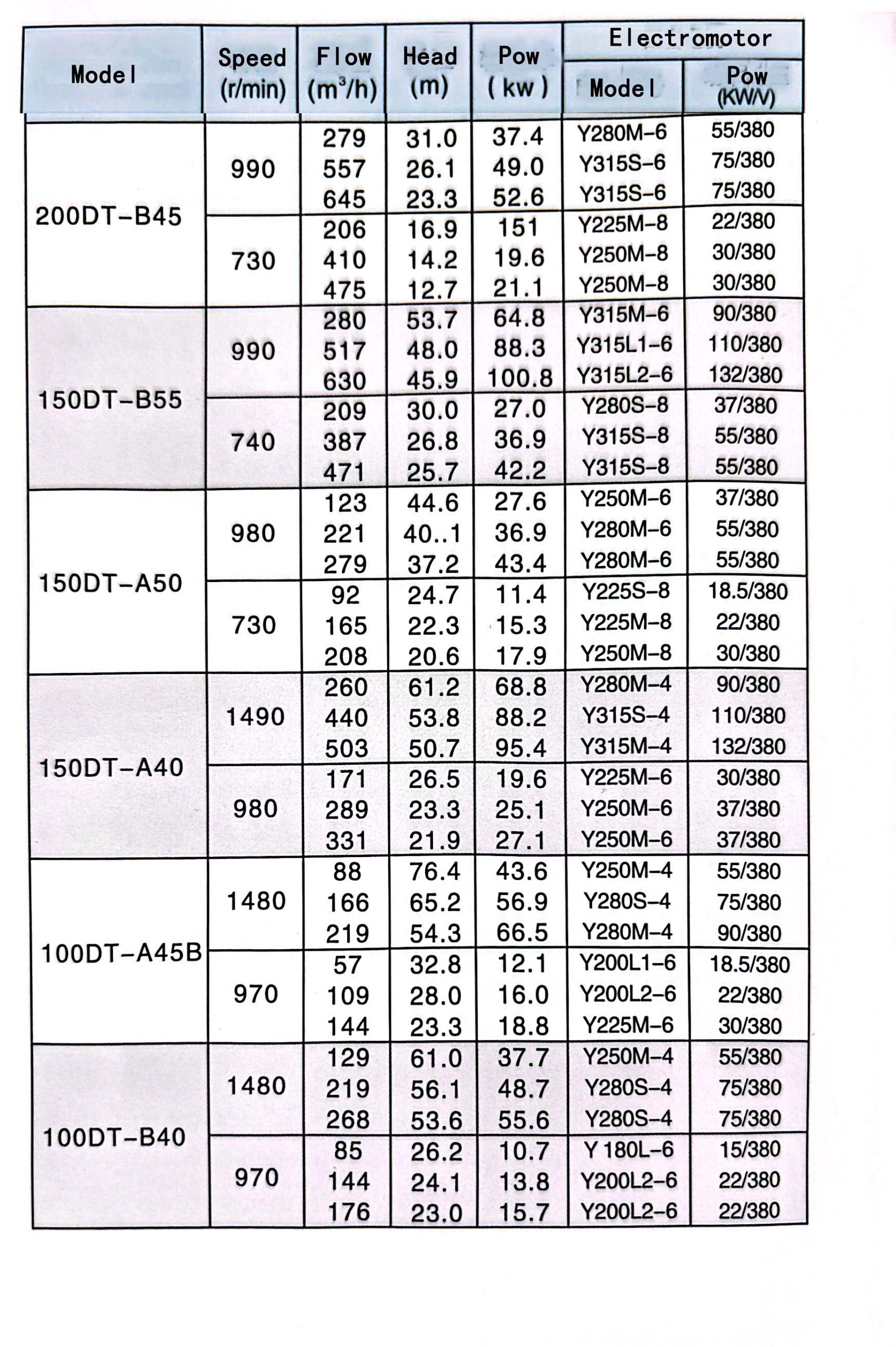
Performance & Engineering
Engineering a slurry pump requires a shift from standard hydraulic calculations to a model that accounts for "slurry derating." The presence of solids increases the apparent density and viscosity of the medium, which directly impacts the pump's Total Dynamic Head (TDH) and efficiency.
Fluid Dynamics and Force Analysis: The primary engineering challenge is managing the "Critical Settling Velocity." If the flow velocity drops below a specific threshold, solids precipitate, leading to pipe blockage and impeller imbalance. Engineers employ the Durand equation to calculate the minimum transport velocity. Furthermore, the impeller design focuses on reducing "recirculation zones" where solids can accumulate and accelerate localized wear. Semi-open impellers are generally preferred to allow larger particles to pass without clogging.
Sealing and Lubrication: Given the abrasive nature of the fluid, mechanical seals are often replaced by heavy-duty gland packing or specialized double-mechanical seals with external flushing systems (API Plan 53 or 54). These systems inject clean water into the seal chamber to create a pressure barrier, preventing the slurry from infiltrating the bearing housing and causing premature bearing failure.
Compliance and Safety: Systems must be engineered to withstand water hammer and transient pressure surges. Compliance with vibration standards (ISO 10816) is mandatory to ensure that the structural resonance of the pump does not coincide with the rotational frequency of the motor, which would otherwise lead to rapid fatigue failure of the pump supports.
Technical Specifications
| Parameter Dimension | High-Chrome Alloy Series | Rubber Lined Series | Duplex Stainless Series | Evaluation Metric |
|---|---|---|---|---|
| Abrasion Resistance | Excellent (High Hardness) | Superior (Elasticity) | Moderate | ASTM G65 Wear Test |
| Corrosion Resistance | Moderate | High (Acid/Alkali) | Extreme (Chlorides) | Pitting Resistance (PREN) |
| Max Particle Size | Up to 15mm | Up to 10mm | Up to 12mm | Sieve Analysis |
| Operating Temp Range | -20°C to 250°C | -10°C to 70°C | -40°C to 200°C | Thermal Stability |
| Efficiency Loss (Slurry) | 5% - 12% | 8% - 15% | 4% - 10% | Hydraulic Derating Factor |
| Typical Hardness | 60-65 HRC | 60-80 Shore A | 25-35 HRC | Rockwell/Shore Scale |
Failure Mode & Maintenance
Understanding the failure modes of a centrifugal pump for slurry is essential for implementing a Predictive Maintenance (PdM) strategy. The most prevalent failure modes include:
1. Abrasive Erosion: This manifests as "thinning" of the impeller vanes and the volute tongue. Failure occurs when the hydraulic efficiency drops below the critical operational threshold, necessitating a full impeller replacement. Maintenance involves ultrasonic thickness testing to monitor wear rates.
2. Cavitation and Pitting: When the Net Positive Suction Head Available (NPSHa) falls below the Net Positive Suction Head Required (NPSHr), vapor bubbles form and collapse violently. In slurry pumps, this is exacerbated by solid particles acting as nucleation sites, leading to localized pitting and structural fatigue. The solution is to increase the suction head or reduce the fluid temperature.
3. Shaft Deflection and Fatigue: Heavy solids can cause uneven loading on the impeller, leading to shaft deflection. This results in accelerated seal wear and bearing overheating. Regular vibration analysis using FFT (Fast Fourier Transform) is required to detect misalignment or imbalance.
4. Delamination: In rubber-lined pumps, chemical degradation or overheating can cause the liner to peel away from the metal shell. This exposes the cast iron body to immediate and rapid erosion. Thermal imaging and internal borescope inspections are the primary maintenance tools for detecting delamination.
Industry FAQ
Q: How do we determine whether to use a high-chrome alloy or a rubber lining for a specific slurry?
A: The decision is based on the particle size and the nature of the abrasion. For coarse, large-particle slurries (sharp edges), high-chrome alloys are superior due to their hardness. For fine, sandy slurries with high velocity, rubber linings are more effective because they absorb the impact energy. Additionally, if the fluid is highly acidic, rubber or specialized polymers are mandatory as chrome alloys may suffer from chemical leaching.
Q: Why is the pump efficiency significantly lower when pumping slurry compared to clean water?
A: This is due to the increased internal friction and the "apparent viscosity" of the mixture. The solid particles increase the turbulence and drag within the impeller channels. Furthermore, a portion of the energy is consumed in keeping the solids in suspension (preventing settling), which does not contribute to the pressure head.
Q: What is the impact of slurry concentration (percentage by weight) on pump wear?
A: Wear rate generally increases linearly with concentration up to a certain point, after which it may plateau or increase exponentially if the slurry becomes too viscous. High concentrations increase the frequency of particle-wall collisions, accelerating the erosive wear on the impeller and volute.
Q: How can we mitigate the risk of "plugging" in the pump volute?
A: Pluging is usually caused by operating the pump too far to the left of the Best Efficiency Point (BEP), where flow velocity is insufficient to transport solids. To mitigate this, ensure the pump is sized for the critical settling velocity and implement a flushing system or a variable frequency drive (VFD) to maintain minimum flow requirements.
Q: When should a slurry pump be completely overhauled versus performing a simple liner replacement?
A: A liner replacement is sufficient when wear is confined to the wetted surfaces. A complete overhaul is required if vibration analysis indicates bearing wear, if the shaft shows signs of fatigue (detected via Dye Penetrant Inspection), or if the efficiency drop cannot be corrected by replacing the impeller and liners.
Conclusion
The engineering of a centrifugal pump for slurry is a complex balance between hydraulic efficiency and material durability. By integrating high-chromium metallurgy with precise fluid dynamic modeling, industries can significantly reduce the Total Cost of Ownership (TCO) and minimize unplanned downtime. The transition from reactive to predictive maintenance, powered by vibration analysis and ultrasonic monitoring, is critical for ensuring the reliability of these systems in harsh industrial environments.
Looking forward, the integration of Computational Fluid Dynamics (CFD) and additive manufacturing (3D printing) for impeller optimization promises to further reduce turbulence and wear. For procurement and engineering teams, the priority must remain the strict alignment of material selection with the specific chemical and physical properties of the slurry to maximize the operational lifecycle of the equipment.
-
sewage effluent pumps Material Science Manufacturing
News2026-05-27
-
septic tank effluent pump Performance Analysis
News2026-05-27
-
Septic Sewer Pump Performance Analysis
News2026-05-27
-
septic sewage pumps Performance Analysis
News2026-05-27
-
septic sewage pump Material Science and Manufacturing
News2026-05-27
-
residential sewage pumps Material Science and Manufacturing
News2026-05-26
-
residential sewage lift pump Performance Analysis
News2026-05-26
-
high head sump pump Performance and Engineering
News2026-05-26
-
effluent pump for septic tank Material Science Manufacturing
News2026-05-26
-
effluent and sewage pumps Material Science Manufacturing
News2026-05-26
-
1 2 hp sewage ejector pump Performance Engineering
News2026-05-25
-
Zoeller 1/2 hp sewage pump Performance Analysis
News2026-05-25
-
Effluent Pump Performance Analysis
News2026-05-25
-
sump pump vs effluent pump Performance Analysis
News2026-05-25
-
sewer pumps residential Performance Analysis
News2026-05-25




