English
- Afrikaans
- Albanian
- Amharic
- Arabic
- Armenian
- Azerbaijani
- Basque
- Belarusian
- Bengali
- Bosnian
- Bulgarian
- Catalan
- Cebuano
- Corsican
- Croatian
- Czech
- Danish
- Dutch
- English
- Esperanto
- Estonian
- Finnish
- French
- Frisian
- Galician
- Georgian
- German
- Greek
- Gujarati
- Haitian Creole
- hausa
- hawaiian
- Hebrew
- Hindi
- Miao
- Hungarian
- Icelandic
- igbo
- Indonesian
- irish
- Italian
- Japanese
- Javanese
- Kannada
- kazakh
- Khmer
- Rwandese
- Korean
- Kurdish
- Kyrgyz
- Lao
- Latin
- Latvian
- Lithuanian
- Luxembourgish
- Macedonian
- Malgashi
- Malay
- Malayalam
- Maltese
- Maori
- Marathi
- Mongolian
- Myanmar
- Nepali
- Norwegian
- Norwegian
- Occitan
- Pashto
- Persian
- Polish
- Portuguese
- Punjabi
- Romanian
- Russian
- Samoan
- Scottish Gaelic
- Serbian
- Sesotho
- Shona
- Sindhi
- Sinhala
- Slovak
- Slovenian
- Somali
- Spanish
- Sundanese
- Swahili
- Swedish
- Tagalog
- Tajik
- Tamil
- Tatar
- Telugu
- Thai
- Turkish
- Turkmen
- Ukrainian
- Urdu
- Uighur
- Uzbek
- Vietnamese
- Welsh
- Bantu
- Yiddish
- Yoruba
- Zulu

Telephone: +86 13120555503
Email: frank@cypump.com


Apr . 01, 2024 17:55 Back to list
centrifugal chemical pump Material Science
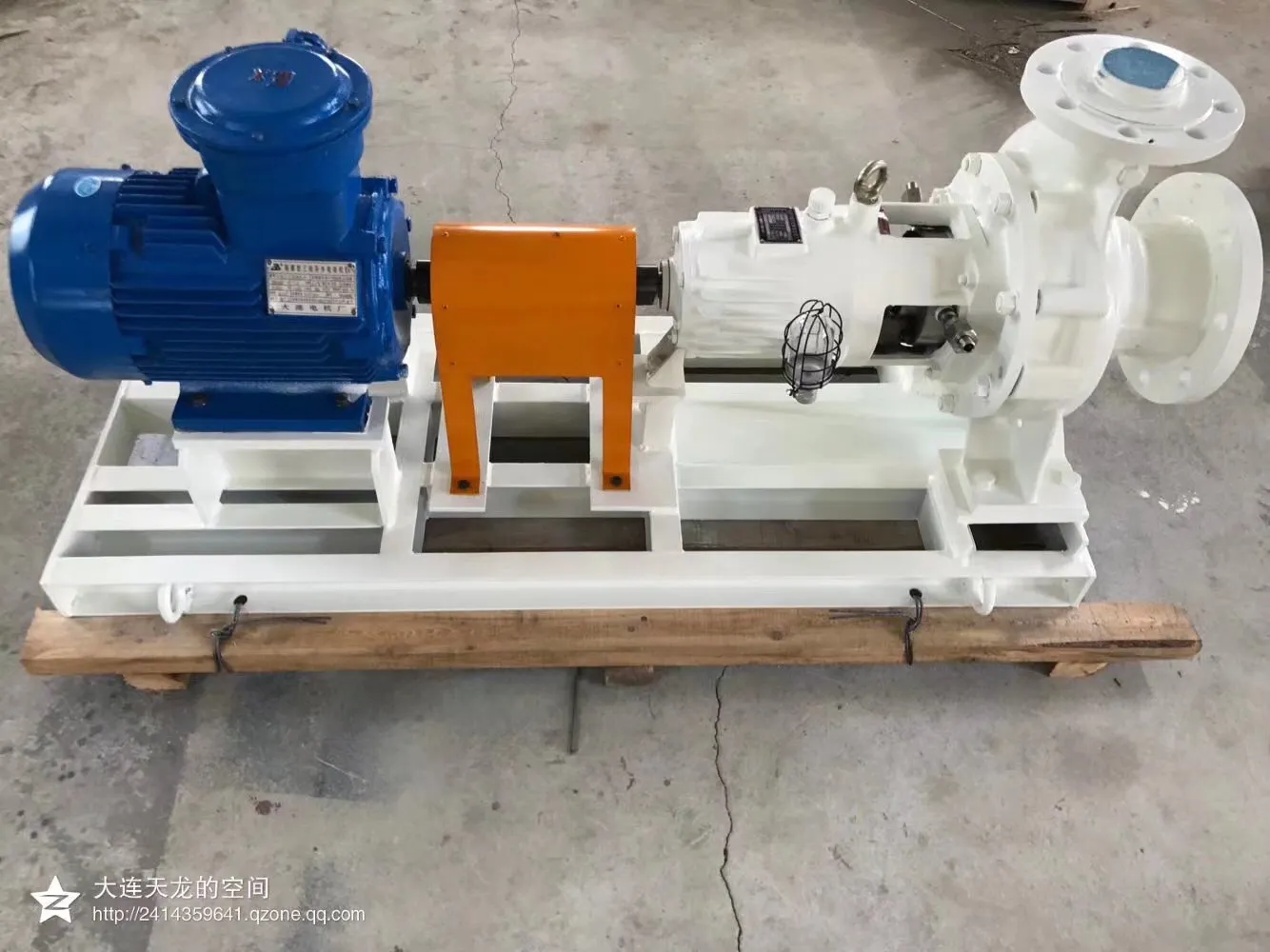
Introduction
Centrifugal chemical pumps are a critical component in numerous industrial processes, designed for the reliable and efficient transfer of corrosive, hazardous, and high-purity fluids. Positioned within the chemical processing chain after reaction or separation stages, these pumps deliver liquids to subsequent operations – storage, further processing, or discharge. Unlike general-purpose centrifugal pumps, chemical pumps are engineered with specific materials of construction and sealing mechanisms to withstand the aggressive nature of the chemicals handled. Core performance characteristics revolve around flow rate, head (pressure), net positive suction head required (NPSHr), and the ability to maintain fluid integrity – preventing contamination and ensuring consistent delivery. The industry faces ongoing challenges regarding material degradation, leakage prevention, and compliance with stringent safety and environmental regulations. This guide provides an in-depth examination of centrifugal chemical pumps, covering material science, manufacturing processes, performance parameters, failure modes, and best practice maintenance procedures.
Material Science & Manufacturing
The performance and longevity of a centrifugal chemical pump are fundamentally dictated by the materials used in its construction. Common wetted parts materials include: Polypropylene (PP) - offering excellent resistance to acids and alkalis but limited temperature tolerance; Polyvinylidene Fluoride (PVDF) – boasting broad chemical compatibility and higher temperature resistance than PP; Stainless Steel (316, 316L) – providing robust mechanical strength and corrosion resistance to many chemicals, although susceptible to chloride-induced pitting; Hastelloy (C-276, B-3) – exhibiting superior resistance in extremely corrosive environments, particularly to acids and oxidizing agents. Pump casings are frequently manufactured using injection molding (for plastics like PP and PVDF) or investment casting (for metallic alloys). Impellers are often produced via similar casting processes, requiring precise balancing to minimize vibration. Shafts are generally manufactured from high-strength stainless steel, often with a protective coating. Mechanical seals, critical for preventing leakage, utilize seal faces constructed from materials like silicon carbide, tungsten carbide, and PTFE, matched to the fluid being pumped. Manufacturing parameter control is paramount. For plastic components, mold temperature, injection pressure, and cooling rates must be tightly controlled to prevent warping or internal stresses. For metal components, heat treatment processes (annealing, quenching, tempering) are crucial for achieving desired mechanical properties. Welding procedures, when employed, require qualified welders and adherence to rigorous standards to ensure joint integrity and corrosion resistance. Chemical passivation treatments are frequently applied to stainless steel components to enhance their corrosion resistance by forming a protective oxide layer.
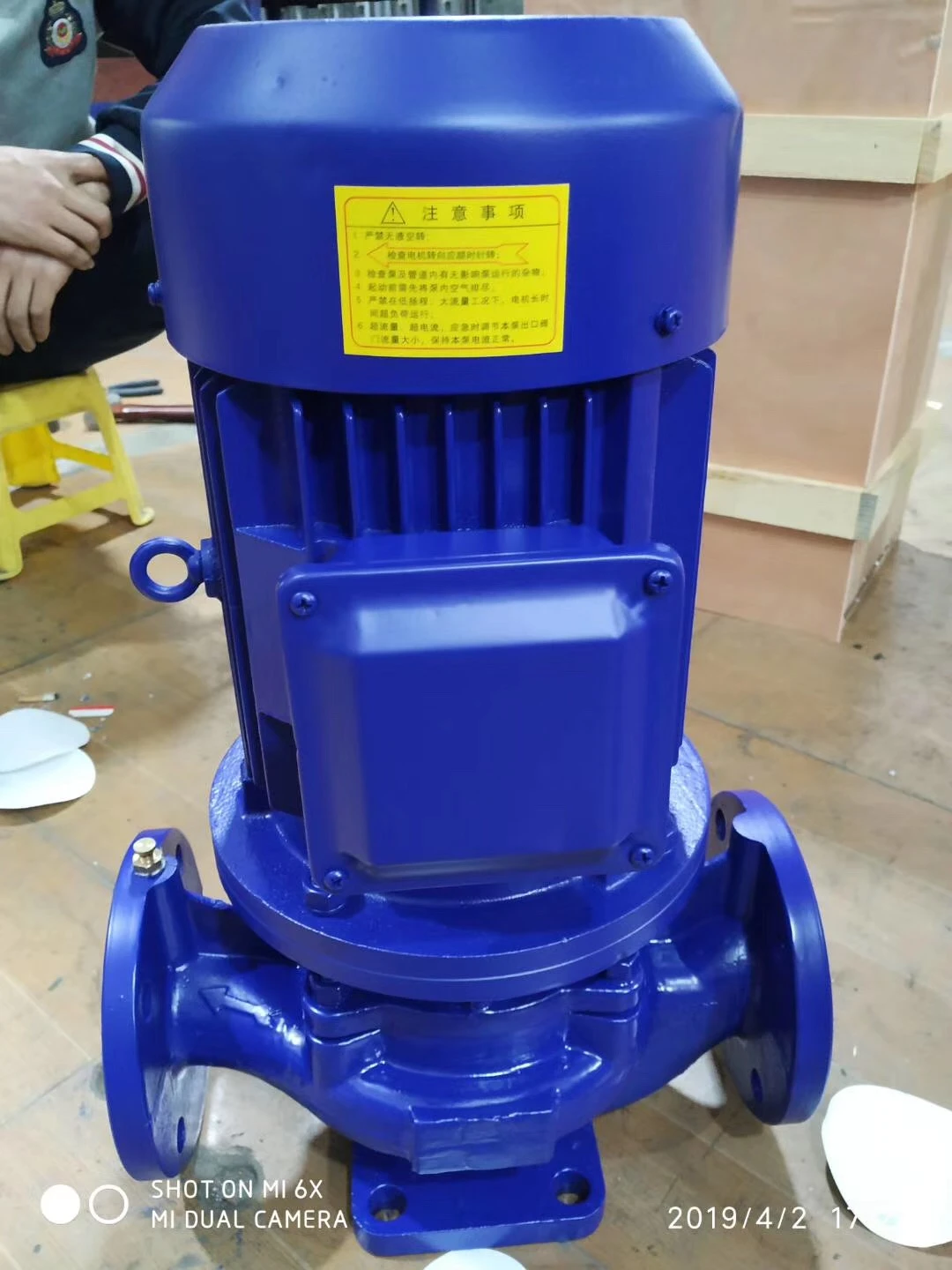
Performance & Engineering
Centrifugal pump performance is governed by fundamental fluid dynamics principles. The pump’s head-capacity curve, a graphical representation of the relationship between the flow rate and the pressure it can generate, is crucial for system design. Force analysis involves evaluating stresses on the impeller, shaft, and casing due to fluid pressure, centrifugal forces, and hydraulic losses. Cavitation, the formation and collapse of vapor bubbles within the pump, is a significant concern, particularly with volatile fluids or inadequate NPSH. Maintaining sufficient NPSH is critical to prevent damage to the impeller and reduced pump performance. Environmental resistance considerations extend beyond chemical compatibility to include temperature fluctuations, UV exposure (for plastic components), and potential for electrostatic discharge (ESD) when handling flammable liquids. Compliance requirements are substantial. ATEX directives (for European markets) govern pumps used in potentially explosive atmospheres, requiring specific design features and certifications. SEFA (Semiconductor Equipment and Facilities Advisory) standards are relevant for pumps handling ultra-pure chemicals in semiconductor manufacturing. API 610 standards, while primarily for hydrocarbon processing, offer guidance on pump design, materials, and testing applicable to a broader range of chemical applications. Pump sizing requires careful consideration of the fluid’s viscosity, density, and vapor pressure, as well as system head loss calculations, including pipe friction, elevation changes, and pressure drops across valves and fittings. Proper impeller design, featuring optimized blade angles and surface finish, is essential for maximizing efficiency and minimizing noise.
Technical Specifications
| Parameter | Unit | Typical Range (PP/PVDF Pump) | Typical Range (Hastelloy Pump) |
|---|---|---|---|
| Maximum Flow Rate | m³/h | 0-60 | 0-200 |
| Maximum Head | m | 0-40 | 0-150 |
| Maximum Operating Pressure | bar | 4 | 30 |
| Temperature Range | °C | 0-80 | -60 to 200 |
| NPSHr (Net Positive Suction Head Required) | m | 1-5 | 2-8 |
| Shaft Seal Type | - | Mechanical Seal (PTFE/SiC) | Mechanical Seal (SiC/SiC, Double Seal) |
Failure Mode & Maintenance
Centrifugal chemical pumps are susceptible to several failure modes. Fatigue cracking in the impeller or casing can occur due to cyclical loading and stress concentration. Chemical attack, leading to material degradation and corrosion, is a major concern, particularly with aggressive fluids. Mechanical seal failure is a common issue, resulting in leakage and potential environmental hazards. Causes include abrasive particles, dry running, and incompatibility between seal materials and the fluid. Cavitation erosion damages the impeller surface, reducing pump efficiency and potentially leading to catastrophic failure. Bearing failure, stemming from inadequate lubrication or contamination, can cause excessive vibration and pump seizure. Maintenance strategies should include regular visual inspections for leaks, corrosion, and unusual noise. Preventative maintenance tasks encompass lubrication of bearings, seal flushing, and impeller cleaning. Periodic vibration analysis can detect early signs of bearing or impeller imbalance. Chemical compatibility checks should be performed whenever the pumped fluid is changed. Seal replacement is a routine maintenance activity, requiring careful selection of compatible materials. Thorough flushing and cleaning are essential prior to maintenance to remove residual chemicals. Non-destructive testing (NDT) methods, such as ultrasonic testing or radiographic inspection, can assess the integrity of critical components. Proper storage of spare parts in a controlled environment is crucial to prevent degradation. Record keeping of maintenance activities and failure analysis data is essential for identifying recurring problems and improving reliability.
Industry FAQ
Q: What are the key considerations when selecting a material for a centrifugal chemical pump handling concentrated sulfuric acid?
A: Sulfuric acid is extremely corrosive. While PTFE and PVDF offer good resistance at lower concentrations, Hastelloy C-276 is generally the preferred material for concentrated sulfuric acid (above 80%) due to its exceptional resistance to oxidation and corrosion. 316 Stainless Steel is unsuitable due to rapid corrosion. Thoroughly review the specific acid concentration and temperature, as corrosion rates are heavily influenced by both factors.
Q: How can I mitigate the risk of cavitation in a pump handling a volatile solvent?
A: Ensure adequate NPSH available (NPSHa) at the pump suction. This involves optimizing the suction piping layout (short, straight runs), minimizing suction lift, and maintaining a sufficient liquid level in the supply tank. Reducing the pump speed can also lower NPSHr. Consider using a pump designed with an inducer to improve suction performance.
Q: What is the significance of double mechanical seals in chemical pump applications?
A: Double mechanical seals provide a secondary barrier against leakage, significantly enhancing safety and environmental protection, especially when handling hazardous or toxic chemicals. The space between the seals is typically filled with a barrier fluid that lubricates the seals and flushes away any leakage. Leakage from the primary seal is contained by the secondary seal and barrier fluid system.
Q: How often should I replace the mechanical seal in a centrifugal chemical pump?
A: Seal replacement frequency depends on the fluid being pumped, operating conditions, and seal quality. A conservative approach is to inspect seals annually and replace them every 1-3 years. However, frequent failures indicate an underlying problem such as misalignment, abrasive contamination, or incompatible seal materials.
Q: What are the best practices for maintaining the pump during periods of inactivity or storage?
A: Before storage, thoroughly flush the pump with a compatible solvent to remove residual chemicals. Disconnect the pump from the power supply. Lubricate bearings with appropriate grease. Protect the pump from moisture, dust, and extreme temperatures. Rotate the impeller manually every few months to prevent corrosion and sticking. Consider filling the pump casing with a corrosion inhibitor.
Conclusion
Centrifugal chemical pumps represent a vital technology for safe and efficient fluid handling within diverse industries. Selecting the appropriate materials of construction, optimizing pump performance through careful engineering analysis, and implementing proactive maintenance strategies are paramount to ensuring long-term reliability and minimizing operational risks. Understanding the potential failure modes and adhering to relevant industry standards are crucial for preventing costly downtime and ensuring regulatory compliance.
The increasing emphasis on sustainability and process safety is driving innovation in chemical pump technology. Future trends include the development of more chemically resistant materials, improved sealing technologies, and the integration of intelligent monitoring systems for predictive maintenance. Continued research and development in these areas will contribute to enhanced pump performance, reduced environmental impact, and optimized process efficiency.
-
Precision at the Pump: How Better Machining Protects Flow and Uptime
News2026-11-20
-
Why Pump Reliability Begins Before the First Drop of Fluid
News2026-11-20
-
Beyond the Pump: Designing Safer Access Around Critical Water Infrastructure
News2026-11-20
-
Why Pumping Stations Depend on the Infrastructure Beneath the Pumps
News2026-11-20
-
Beyond the Pump Room: How Smarter Loading Protects Industrial Equipment
News2026-11-19
-
When Pumps Stop: Designing More Resilient Power for Critical Pumping Systems
News2026-11-19
-
The Hidden Role of Dust and Gas Monitoring in Reliable Pump Operations
News2026-11-19
-
The Hidden Role of Mineral Compounds in Extending Industrial Pump Lifespan
News2026-10-12
-
Why Pump System Reliability Depends on Precision Hose Assembly Methods
News2026-09-15
-
How Advanced Imaging Films Are Transforming Pump Component Quality Control
News2026-08-25
-
How Advanced Filtration Protects Pump Systems from Premature Wear and Costly Downtime
News2026-08-25
-
How Steel Material Selection Drives Pump Reliability in Heavy-Duty Systems
News2026-08-25
-
Ensuring Pump System Efficiency: The Role of High-Quality Pipe Fittings and Tubing
News2026-08-24
-
Optimizing Fluid Dynamics and Material Consistency in Industrial Processing
News2026-08-18
-
Innovations and Challenges in Hydraulic Systems for Heavy Machinery
News2026-08-13




