English
- Afrikaans
- Albanian
- Amharic
- Arabic
- Armenian
- Azerbaijani
- Basque
- Belarusian
- Bengali
- Bosnian
- Bulgarian
- Catalan
- Cebuano
- Corsican
- Croatian
- Czech
- Danish
- Dutch
- English
- Esperanto
- Estonian
- Finnish
- French
- Frisian
- Galician
- Georgian
- German
- Greek
- Gujarati
- Haitian Creole
- hausa
- hawaiian
- Hebrew
- Hindi
- Miao
- Hungarian
- Icelandic
- igbo
- Indonesian
- irish
- Italian
- Japanese
- Javanese
- Kannada
- kazakh
- Khmer
- Rwandese
- Korean
- Kurdish
- Kyrgyz
- Lao
- Latin
- Latvian
- Lithuanian
- Luxembourgish
- Macedonian
- Malgashi
- Malay
- Malayalam
- Maltese
- Maori
- Marathi
- Mongolian
- Myanmar
- Nepali
- Norwegian
- Norwegian
- Occitan
- Pashto
- Persian
- Polish
- Portuguese
- Punjabi
- Romanian
- Russian
- Samoan
- Scottish Gaelic
- Serbian
- Sesotho
- Shona
- Sindhi
- Sinhala
- Slovak
- Slovenian
- Somali
- Spanish
- Sundanese
- Swahili
- Swedish
- Tagalog
- Tajik
- Tamil
- Tatar
- Telugu
- Thai
- Turkish
- Turkmen
- Ukrainian
- Urdu
- Uighur
- Uzbek
- Vietnamese
- Welsh
- Bantu
- Yiddish
- Yoruba
- Zulu

Telephone: +86 13120555503
Email: frank@cypump.com


Apr . 01, 2024 17:55 Back to list
cement slurry pump Performance and Engineering
Introduction
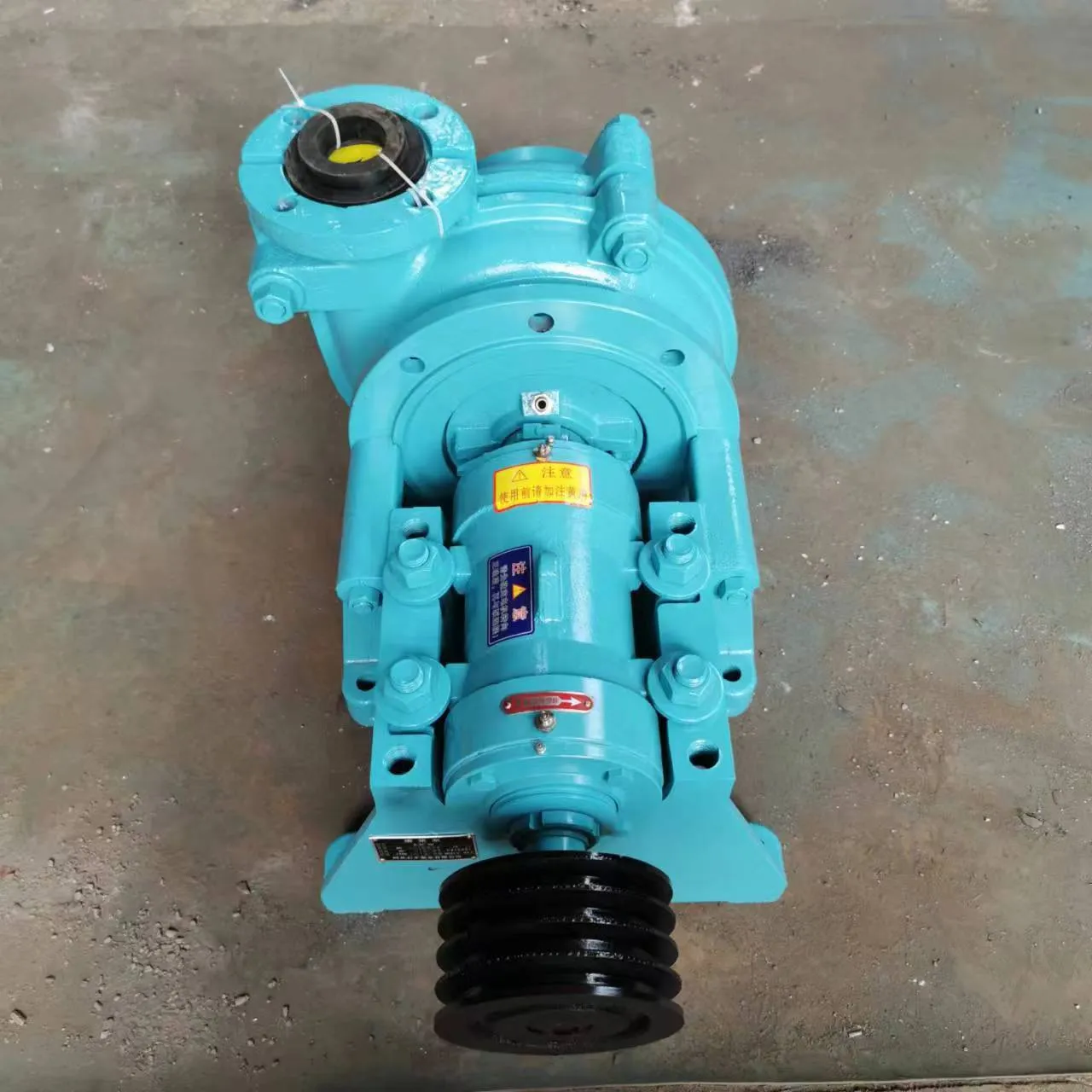
Cement slurry pumps are positive displacement pumps specifically engineered for the reliable and continuous transfer of abrasive and highly viscous cement slurries. These pumps are critical components in industries such as oil and gas well cementing, construction, and mining, where the controlled delivery of cement is paramount. Unlike general-purpose pumps, cement slurry pumps are designed to withstand the extreme pressures, abrasive nature, and specific rheological properties of cement slurries. Their technical position within the industry chain is downstream of cement production, directly supporting wellbore consolidation in oil & gas, structural support in construction, and material transport in mining operations. Core performance characteristics include high volumetric efficiency, consistent discharge pressure, minimal pulsation, and robust resistance to abrasive wear and corrosion. The operational success of these pumps directly impacts the integrity and longevity of the structures and processes they support.
Material Science & Manufacturing
The construction of a cement slurry pump necessitates materials capable of enduring significant mechanical stress and chemical attack. Pump housings are typically manufactured from high-strength carbon steel alloys (ASTM A532 Grade 1) for pressure containment, often with internal liners constructed from wear-resistant materials like duplex stainless steel (UNS S31803) or high-chrome cast iron. These liners mitigate abrasive wear from cement particles. Piston rods utilize alloy steel (4140) hardened and chrome-plated for corrosion resistance and tensile strength. Seals are commonly composed of nitrile rubber (NBR) or Viton (FKM) depending on the slurry’s temperature and chemical composition. Manufacturing processes involve precision casting of the housing, CNC machining of critical components like pistons and valve plates, and specialized welding techniques (SMAW or GTAW) for joining sections. Parameter control during casting is vital to avoid porosity and ensure structural integrity. Machining tolerances are tightly controlled (±0.025mm) for proper sealing and efficient operation. Heat treatment processes (hardening, tempering) are applied to steel components to optimize mechanical properties. The mixing of cement slurries introduces substantial particle impact, demanding rigorous quality control throughout the manufacturing process, including non-destructive testing (NDT) such as ultrasonic testing and radiographic inspection to identify flaws.
Performance & Engineering
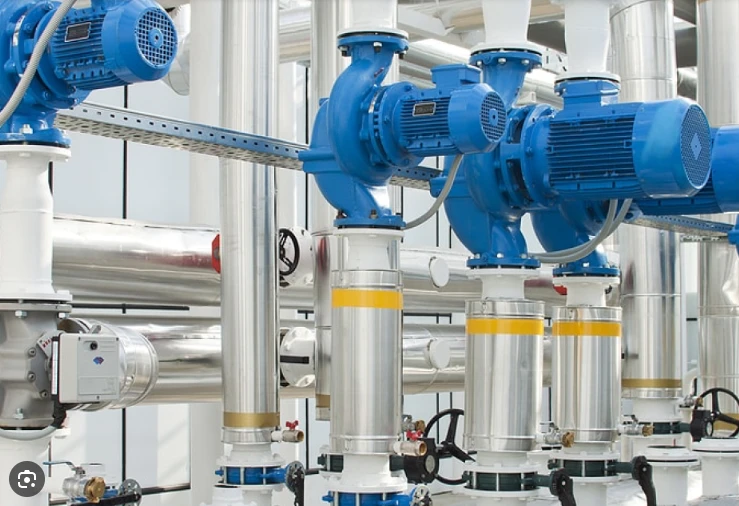
The performance of cement slurry pumps is critically tied to fluid mechanics and stress analysis. Force analysis during operation identifies peak stress concentrations in the piston, connecting rod, and housing, dictating material selection and component geometry. Hydraulic calculations determine the optimal piston diameter and stroke length to achieve desired flow rates and discharge pressures. Environmental resistance is a key consideration; pumps operating in offshore environments require specialized coatings (epoxy or polyurethane) to prevent corrosion from saltwater exposure (ASTM B117 salt spray testing). Compliance requirements include API Specification 674 (Positive Displacement Pumps – Reciprocating) which defines performance standards and testing procedures. Functional implementation relies on a reciprocating piston design, driven by a hydraulic power end. The piston’s movement creates alternating suction and discharge strokes, drawing slurry into the pump chamber and expelling it through the discharge line. Valve operation is crucial for efficient pumping; check valves (typically ball or flapper valves) prevent backflow and maintain consistent pressure. Pulsation dampeners are often incorporated to reduce pressure fluctuations and ensure a smooth, continuous flow. Understanding the cement slurry’s rheological properties (yield stress, viscosity, thixotropy) is essential for pump selection and operation to prevent plugging and ensure efficient transport.
Technical Specifications
| Parameter | Unit | Typical Value (Small Pump) | Typical Value (Large Pump) |
|---|---|---|---|
| Discharge Rate | m³/hr | 5-20 | 50-200 |
| Maximum Discharge Pressure | MPa | 35-70 | 70-210 |
| Suction Lift | m | 5-8 | 8-12 |
| Particle Size (Max) | mm | 10-25 | 25-50 |
| Pump Weight | kg | 200-500 | 800-2000 |
| Power Requirement | kW | 5-15 | 20-50 |
Failure Mode & Maintenance
Cement slurry pumps are susceptible to several failure modes, primarily due to the abrasive nature of the fluid and high operating pressures. Fatigue cracking in the piston, connecting rod, and pump housing is common, especially under cyclical loading. This often initiates at stress concentration points. Abrasive wear of the liner, valve seats, and piston leads to reduced volumetric efficiency and eventual leakage. Chemical attack from aggressive slurry components (e.g., chlorides) can cause corrosion of metallic parts. Seal failure results in slurry leakage and loss of pump pressure. Cavitation, caused by inadequate suction pressure, can erode valve surfaces and the pump housing. Preventative maintenance is crucial. This includes regular inspection of wear liners, valve components, and seals. Lubrication of moving parts (piston, bearings) with appropriate greases is essential. Periodic pressure testing ensures the integrity of the pump housing. Valve seat replacement should be performed proactively, based on wear measurements. For corrosion prevention, regular cleaning and application of protective coatings are recommended. Failure analysis should be conducted on failed components to identify root causes and implement corrective actions. Vibration analysis can detect early signs of bearing wear or imbalance.
Industry FAQ
Q: What slurry characteristics pose the greatest challenge for cement slurry pump performance?
A: High solids content, large particle size, and significant yield stress are the most challenging slurry characteristics. These properties increase abrasive wear, reduce pump efficiency, and can lead to plugging within the pump chamber and valve assemblies. Slurries with high thixotropy can also be problematic, as their viscosity increases when stationary, requiring higher starting torque.
Q: How does the pump liner material impact the overall lifespan of the pump?
A: The pump liner material is arguably the single most important factor affecting pump lifespan. Wear-resistant liners, such as duplex stainless steel or high-chrome cast iron, significantly reduce abrasive wear on the pump housing, extending its operational life. The correct liner selection, based on slurry composition and particle size, is critical for minimizing downtime and maintenance costs.
Q: What are the primary causes of seal failure in cement slurry pumps?
A: Seal failure is commonly caused by abrasive particles eroding the seal faces, temperature fluctuations causing expansion/contraction, chemical incompatibility between the seal material and the slurry, and improper installation. Regular inspection and replacement of seals, using materials compatible with the slurry, are essential for preventing leakage and maintaining pump efficiency.
Q: What maintenance practices are critical for preventing cavitation damage?
A: Maintaining adequate suction pressure is paramount to preventing cavitation. Ensure suction lines are properly sized and free of obstructions. Monitor suction pressure continuously during operation. Regularly inspect valve surfaces for erosion, as damaged valves can contribute to cavitation. Proper vent installation also helps prevent vapor lock.
Q: How does pulsation affect the cementing process, and how can it be minimized?
A: Excessive pulsation can disrupt the laminar flow of cement slurry in the wellbore, potentially leading to channeling and incomplete wellbore filling. Pulsation dampeners, strategically placed in the discharge line, can effectively minimize pressure fluctuations and provide a more consistent flow rate, ensuring optimal cement placement.
Conclusion
Cement slurry pumps represent a highly specialized class of positive displacement pumps engineered to withstand the demanding conditions inherent in abrasive slurry applications. Their construction, material selection, and operational parameters are all meticulously designed to ensure reliable and efficient fluid transfer in critical industrial processes. Proper selection, based on slurry characteristics and application requirements, coupled with a robust preventative maintenance program, is essential for maximizing pump lifespan and minimizing operational downtime.
Looking forward, advancements in materials science, such as the development of ceramic liners and enhanced alloy compositions, will further improve pump wear resistance and corrosion protection. Integration of predictive maintenance technologies, leveraging sensor data and machine learning algorithms, will enable proactive identification of potential failures and optimized maintenance scheduling. Continued adherence to industry standards, like API 674, and a focus on minimizing environmental impact through efficient pump design will be key to the ongoing evolution of cement slurry pump technology.
-
Comprehensive Guide to Waterproof ORings for Optimal Sealing Solutions
News2026-06-09
-
Septic Pump System Performance Analysis
News2026-06-08
-
pump for septic Material Science
News2026-06-08
-
basement sewer pump Performance Analysis
News2026-06-08
-
submerged pump Performance Engineering
News2026-06-08
-
Septic System Pumps Performance Analysis
News2026-06-08
-
septic system pump Material Science and Manufacturing
News2026-06-07
-
pump for septic tank Material Science Manufacturing
News2026-06-07
-
submersible sewage pump Material Science
News2026-06-07
-
Sewage Ejector Material Science and Manufacturing
News2026-06-07
-
Ejection Pump Material Science
News2026-06-07
-
pump submersible Performance Analysis
News2026-06-06
-
ejector pumps Performance Engineering
News2026-06-06
-
basement ejector pump Material Science Manufacturing
News2026-06-06
-
Septic Tanks Pumping Performance Analysis
News2026-06-06




