English
- Afrikaans
- Albanian
- Amharic
- Arabic
- Armenian
- Azerbaijani
- Basque
- Belarusian
- Bengali
- Bosnian
- Bulgarian
- Catalan
- Cebuano
- Corsican
- Croatian
- Czech
- Danish
- Dutch
- English
- Esperanto
- Estonian
- Finnish
- French
- Frisian
- Galician
- Georgian
- German
- Greek
- Gujarati
- Haitian Creole
- hausa
- hawaiian
- Hebrew
- Hindi
- Miao
- Hungarian
- Icelandic
- igbo
- Indonesian
- irish
- Italian
- Japanese
- Javanese
- Kannada
- kazakh
- Khmer
- Rwandese
- Korean
- Kurdish
- Kyrgyz
- Lao
- Latin
- Latvian
- Lithuanian
- Luxembourgish
- Macedonian
- Malgashi
- Malay
- Malayalam
- Maltese
- Maori
- Marathi
- Mongolian
- Myanmar
- Nepali
- Norwegian
- Norwegian
- Occitan
- Pashto
- Persian
- Polish
- Portuguese
- Punjabi
- Romanian
- Russian
- Samoan
- Scottish Gaelic
- Serbian
- Sesotho
- Shona
- Sindhi
- Sinhala
- Slovak
- Slovenian
- Somali
- Spanish
- Sundanese
- Swahili
- Swedish
- Tagalog
- Tajik
- Tamil
- Tatar
- Telugu
- Thai
- Turkish
- Turkmen
- Ukrainian
- Urdu
- Uighur
- Uzbek
- Vietnamese
- Welsh
- Bantu
- Yiddish
- Yoruba
- Zulu

Telephone: +86 13120555503
Email: frank@cypump.com


Apr . 01, 2024 17:55 Back to list
best slurry pump Performance Analysis
Introduction
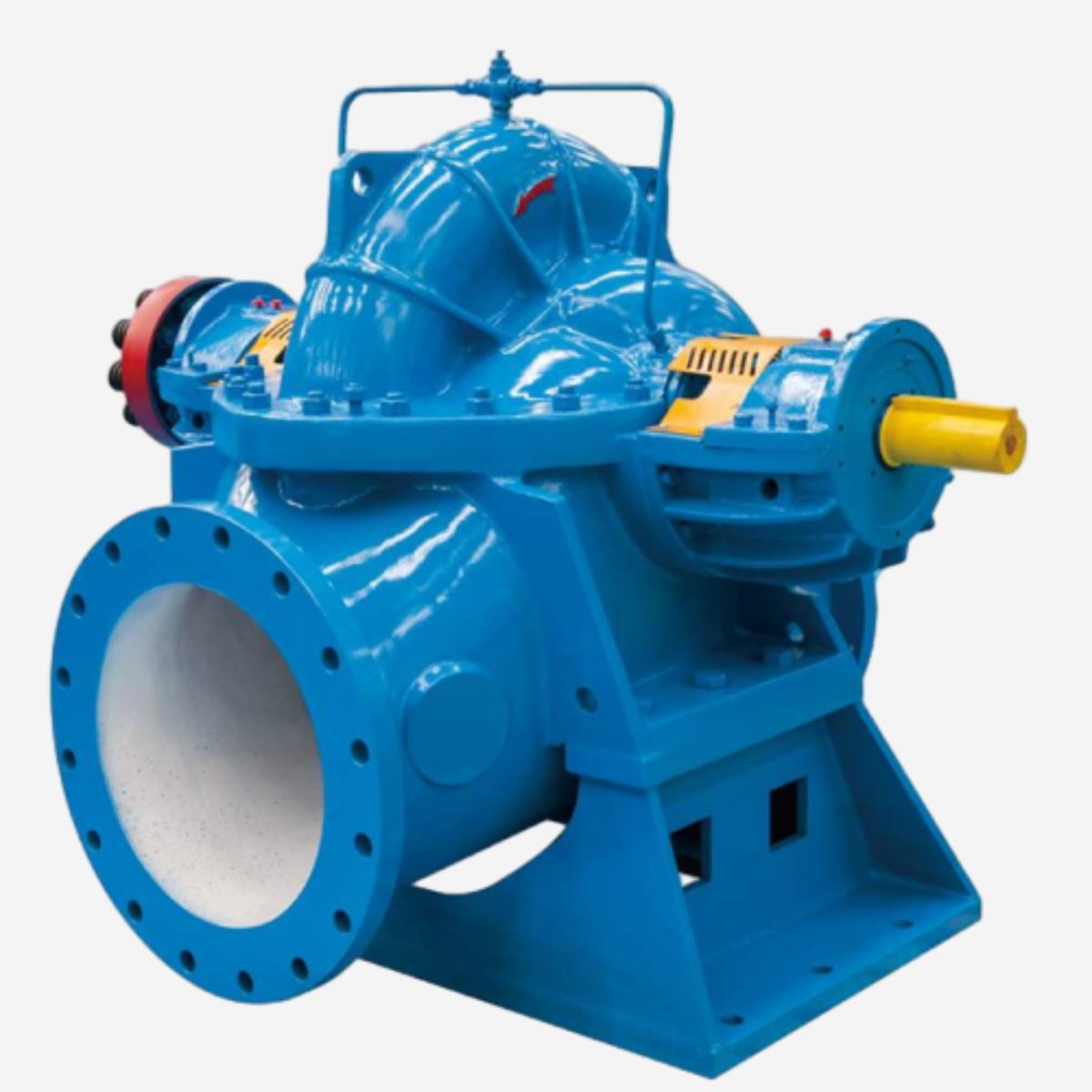
Slurry pumps are engineered to transport abrasive, corrosive, and erosive fluids – commonly referred to as slurries – across diverse industrial applications. Positioned critically within the mineral processing, wastewater treatment, chemical processing, and dredging industries, the performance of a slurry pump directly impacts process efficiency, operational longevity, and overall cost-effectiveness. Unlike centrifugal pumps designed for clean fluids, slurry pumps address specific challenges presented by particulate solids, demanding robust construction, specialized impeller designs, and wear-resistant materials. This guide provides an in-depth technical overview of slurry pump technology, covering material science, manufacturing processes, performance parameters, failure modes, and relevant industry standards. The core pain point this technology addresses is minimizing downtime and maintenance costs associated with handling highly abrasive materials, while maximizing throughput and energy efficiency. Performance is critically defined by flow rate, head (pressure), solids concentration, solids size, and the slurry's rheological properties. Selecting the appropriate slurry pump requires a detailed understanding of these factors, as well as the specific chemical composition of the slurry to ensure material compatibility.
Material Science & Manufacturing
Slurry pump construction fundamentally relies on materials exhibiting high wear resistance and corrosion resistance. Common materials include high-chrome cast irons (typically 15-30% chromium), specialized alloys like duplex stainless steels (e.g., 2205, 2507), ceramics (alumina, silicon carbide), and rubber linings. High-chrome cast irons provide excellent abrasion resistance due to the formation of hard chromium carbides during the casting process. However, they are susceptible to corrosion in acidic or saline environments. Duplex stainless steels offer a superior combination of strength, corrosion resistance, and abrasion resistance, making them suitable for more aggressive slurry applications. Ceramic components are used in demanding applications requiring exceptional wear resistance, particularly against fine, hard particles. Rubber linings provide cushioning and impact resistance, reducing erosion damage.
Manufacturing processes vary depending on the component. Pump casings are typically manufactured using sand casting, investment casting, or centrifugal casting. Investment casting allows for complex geometries and tighter tolerances. Impellers are often manufactured using the lost-wax process followed by machining to achieve precise hydraulic profiles. Shafts are generally forged from alloy steel and subjected to heat treatment to enhance strength and toughness. Welding is a critical process for joining components, and stringent quality control measures, including radiographic and ultrasonic testing, are essential to ensure weld integrity. Parameter control during manufacturing focuses on achieving appropriate hardness levels, chemical compositions, and dimensional accuracy. Heat treatment processes are carefully monitored to optimize material properties. Linings, such as rubber or polymer coatings, are applied using specialized techniques to ensure uniform thickness and adhesion. Surface treatments, like hard facing, are applied to wear surfaces to further enhance abrasion resistance.
Performance & Engineering
Slurry pump performance is dictated by several critical engineering factors, primarily revolving around hydraulic design and mechanical integrity. Force analysis centers on understanding the impact forces exerted by the slurry on the impeller and casing, particularly at high flow rates and solids concentrations. Cavitation, a phenomenon caused by the formation and collapse of vapor bubbles, is a major concern in slurry pumps, as it can lead to significant erosion damage. Pump designers employ strategies such as optimizing impeller geometry, increasing suction pressure, and reducing fluid velocity to mitigate cavitation.
Environmental resistance is crucial, particularly in corrosive environments. Material selection must consider the slurry's pH, chloride content, and other corrosive agents. Coatings and linings can provide additional protection against corrosion. Compliance requirements often necessitate adherence to specific industry standards related to pump efficiency, safety, and environmental impact. Functional implementation involves selecting the appropriate pump type (centrifugal, positive displacement) based on the application's specific requirements. Centrifugal pumps are generally preferred for high flow rates and low to moderate heads, while positive displacement pumps are better suited for high heads and viscous slurries. The pump’s Net Positive Suction Head Required (NPSHr) must be carefully matched to the available NPSHa (Net Positive Suction Head Available) to avoid cavitation. Proper pump sizing and impeller trimming are essential for optimal performance and energy efficiency.
Technical Specifications
| Parameter | Unit | Typical Range | Material Options |
|---|---|---|---|
| Flow Rate | m³/h | 10 - 1500 | Cast Iron, Stainless Steel, Alloy 20 |
| Head | m | 5 - 100 | Cast Iron, Stainless Steel, Alloy 20 |
| Solids Handling Capacity | % by Weight | Up to 70 | High Chrome Iron, Rubber Lined |
| Particle Size | mm | Up to 75 | High Chrome Iron, Ceramic |
| Maximum Slurry Specific Gravity | - | 1.8 | Stainless Steel, Alloy 20 |
| Operating Temperature | °C | -30 to 150 | Various, depending on elastomer/material |
Failure Mode & Maintenance
Slurry pump failure modes are predominantly linked to the abrasive and corrosive nature of the fluids handled. Fatigue cracking in the pump casing and impeller is common, resulting from cyclic stress induced by slurry impact and pressure fluctuations. Erosion is a significant failure mechanism, particularly in areas of high fluid velocity, such as the impeller vanes and volute casing. This can lead to dimensional changes, reduced pump efficiency, and eventual failure. Corrosion, especially in aggressive chemical environments, can weaken pump components and accelerate failure rates. Delamination of rubber linings can occur due to poor adhesion or exposure to high temperatures. Oxidation of metallic components can also contribute to corrosion and reduce material strength.
Preventative maintenance is crucial for maximizing pump lifespan. Regular inspections for wear and corrosion are essential. Impeller and casing replacement are common maintenance tasks. Bearing lubrication and seal replacement are critical for maintaining mechanical integrity. Monitoring pump performance parameters, such as flow rate, head, and power consumption, can provide early warning signs of impending failure. Vibration analysis can detect bearing wear or impeller imbalance. Implementing a planned maintenance schedule based on operating hours and slurry characteristics can significantly reduce downtime and maintenance costs. Proper slurry pump selection based on application needs and a thorough understanding of failure modes are the most effective strategies for ensuring long-term reliability.
Industry FAQ
Q: What is the optimal impeller material for handling a highly abrasive silica slurry?
A: For highly abrasive silica slurries, a high-chrome cast iron impeller is generally the most cost-effective solution. The high chromium content (typically 15-30%) forms hard carbides, providing excellent resistance to abrasion. However, for extended service life or particularly corrosive environments, consider a ceramic impeller (e.g., alumina or silicon carbide) or a rubber-lined impeller, despite their higher initial cost.
Q: How does slurry velocity affect pump wear?
A: Slurry velocity has a significant impact on pump wear. Higher velocities increase the kinetic energy of the solid particles, leading to greater erosive wear. Optimizing pump speed and impeller design to minimize slurry velocity is crucial. Excessive velocity also increases the risk of cavitation and turbulence, further accelerating wear.
Q: What are the key considerations when selecting a pump for a slurry containing large, irregularly shaped solids?
A: When handling slurries with large, irregularly shaped solids, a pump with a large free passage is essential to prevent clogging. Positive displacement pumps, such as progressing cavity pumps or peristaltic pumps, are often preferred due to their ability to handle large solids without clogging. If using a centrifugal pump, select a design with an open impeller and a wide volute casing.
Q: How does the solids concentration in the slurry influence pump performance and selection?
A: Increasing solids concentration increases the slurry’s density and viscosity, which affects pump head, flow rate, and power consumption. Higher concentrations require more powerful pumps and may necessitate the use of positive displacement pumps. Settling of solids can also occur at low velocities, leading to clogging and increased wear. Proper pump selection must consider the slurry’s rheological properties at different solids concentrations.
Q: What are the implications of using an inappropriate pump material in a corrosive slurry environment?
A: Using an inappropriate pump material in a corrosive slurry environment can lead to rapid corrosion, weakening of pump components, and eventual failure. Corrosion can also release metal ions into the slurry, potentially contaminating the process fluid. Selecting a material with sufficient corrosion resistance is critical, considering the slurry’s pH, chloride content, and other corrosive agents. Protective coatings and linings can provide additional corrosion protection.
Conclusion
The selection and operation of slurry pumps represent a complex engineering challenge demanding a thorough understanding of material science, fluid dynamics, and failure mechanisms. Optimizing pump performance and longevity requires careful consideration of slurry characteristics, including solids concentration, particle size, and chemical composition. Selecting the appropriate materials, implementing preventative maintenance programs, and adhering to relevant industry standards are all critical factors in minimizing downtime and maximizing operational efficiency.
Future trends in slurry pump technology are focused on developing more wear-resistant materials, improving pump efficiency through advanced hydraulic designs, and integrating smart monitoring systems for predictive maintenance. The increasing demand for sustainable and environmentally friendly solutions is also driving innovation in pump design and operation. Ultimately, a proactive and technically informed approach to slurry pump management is essential for ensuring reliable and cost-effective operation in demanding industrial applications.
-
Comprehensive Guide to Waterproof ORings for Optimal Sealing Solutions
News2026-06-09
-
Septic Pump System Performance Analysis
News2026-06-08
-
pump for septic Material Science
News2026-06-08
-
basement sewer pump Performance Analysis
News2026-06-08
-
submerged pump Performance Engineering
News2026-06-08
-
Septic System Pumps Performance Analysis
News2026-06-08
-
septic system pump Material Science and Manufacturing
News2026-06-07
-
pump for septic tank Material Science Manufacturing
News2026-06-07
-
submersible sewage pump Material Science
News2026-06-07
-
Sewage Ejector Material Science and Manufacturing
News2026-06-07
-
Ejection Pump Material Science
News2026-06-07
-
pump submersible Performance Analysis
News2026-06-06
-
ejector pumps Performance Engineering
News2026-06-06
-
basement ejector pump Material Science Manufacturing
News2026-06-06
-
Septic Tanks Pumping Performance Analysis
News2026-06-06




