English
- Afrikaans
- Albanian
- Amharic
- Arabic
- Armenian
- Azerbaijani
- Basque
- Belarusian
- Bengali
- Bosnian
- Bulgarian
- Catalan
- Cebuano
- Corsican
- Croatian
- Czech
- Danish
- Dutch
- English
- Esperanto
- Estonian
- Finnish
- French
- Frisian
- Galician
- Georgian
- German
- Greek
- Gujarati
- Haitian Creole
- hausa
- hawaiian
- Hebrew
- Hindi
- Miao
- Hungarian
- Icelandic
- igbo
- Indonesian
- irish
- Italian
- Japanese
- Javanese
- Kannada
- kazakh
- Khmer
- Rwandese
- Korean
- Kurdish
- Kyrgyz
- Lao
- Latin
- Latvian
- Lithuanian
- Luxembourgish
- Macedonian
- Malgashi
- Malay
- Malayalam
- Maltese
- Maori
- Marathi
- Mongolian
- Myanmar
- Nepali
- Norwegian
- Norwegian
- Occitan
- Pashto
- Persian
- Polish
- Portuguese
- Punjabi
- Romanian
- Russian
- Samoan
- Scottish Gaelic
- Serbian
- Sesotho
- Shona
- Sindhi
- Sinhala
- Slovak
- Slovenian
- Somali
- Spanish
- Sundanese
- Swahili
- Swedish
- Tagalog
- Tajik
- Tamil
- Tatar
- Telugu
- Thai
- Turkish
- Turkmen
- Ukrainian
- Urdu
- Uighur
- Uzbek
- Vietnamese
- Welsh
- Bantu
- Yiddish
- Yoruba
- Zulu

Telephone: +86 13120555503
Email: frank@cypump.com


Apr . 01, 2024 17:55 Back to list
best pump for slurry Performance Analysis
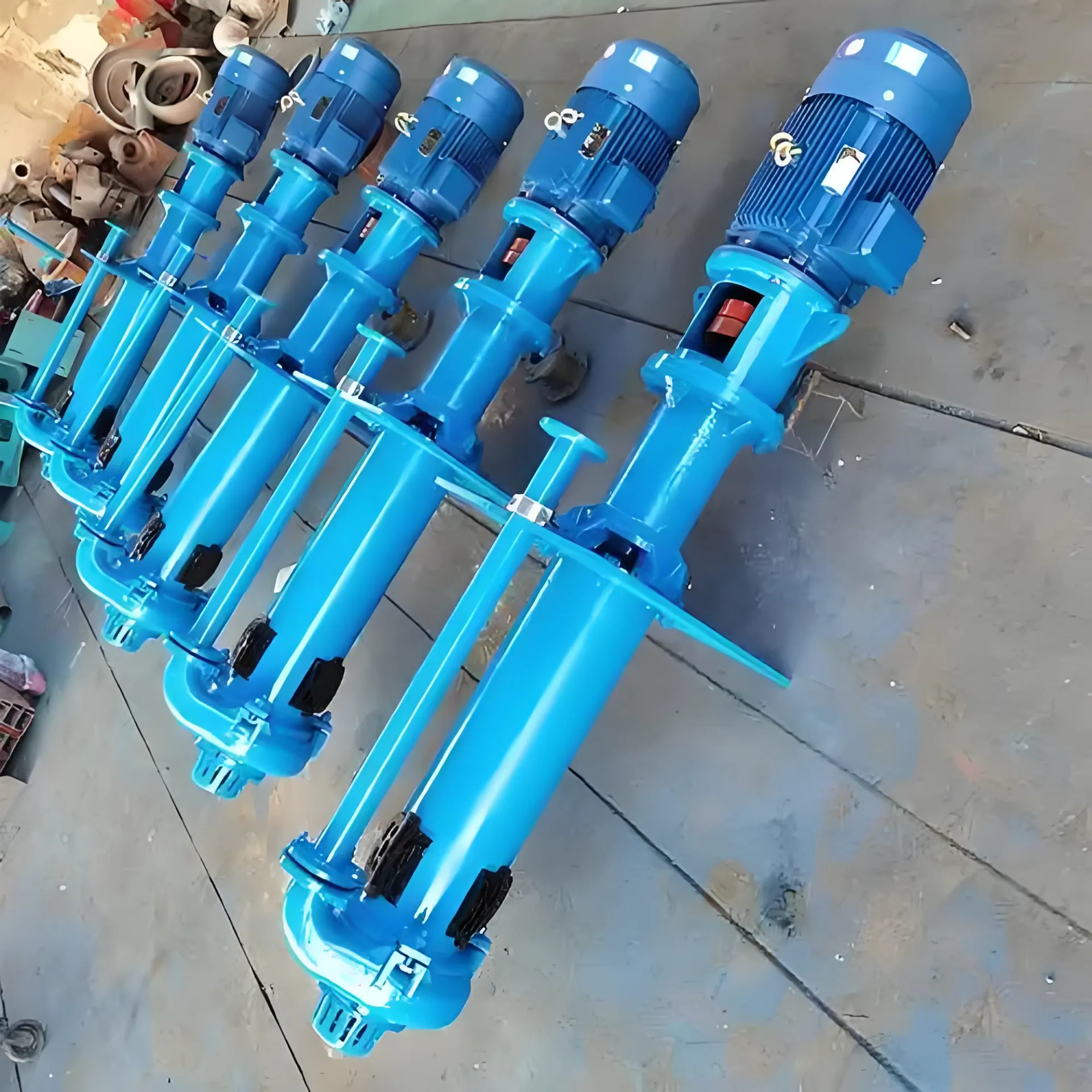
Introduction
Slurry pumps are critical components in numerous industrial processes, responsible for the reliable and efficient transportation of abrasive, corrosive, and high-solids-content fluids. This guide provides a comprehensive technical overview of slurry pump selection, materials, performance characteristics, failure modes, and maintenance protocols. Unlike clean fluid pumps, slurry pumps face unique challenges related to wear, erosion, and potential clogging. The optimal pump selection hinges on a precise understanding of the slurry's characteristics – particle size distribution, solids concentration, specific gravity, and chemical composition – coupled with the system's head and flow rate requirements. This document aims to equip engineers and procurement professionals with the knowledge necessary to mitigate operational risks and maximize pump longevity in demanding slurry applications. The industry faces consistent pain points related to premature wear, leading to downtime, increased maintenance costs, and potential environmental hazards due to pump failure.
Material Science & Manufacturing
Slurry pump construction demands materials resistant to both abrasive and corrosive wear. Common materials include high-chrome cast irons (typically 15-30% chromium) which offer excellent abrasion resistance due to the formation of hard chromium carbides. For highly abrasive slurries, particularly those containing hard, angular particles, white irons (high carbon cast irons) are utilized, though they are more brittle and less resistant to impact. Pump casings are frequently manufactured from ductile iron due to its strength and shock resistance. Impeller designs vary considerably depending on the slurry characteristics. Closed impellers are suitable for lower solids content slurries, providing higher efficiency. Open or semi-open impellers are preferred for higher solids concentrations, minimizing clogging risk. Manufacturing processes include sand casting for larger components (casings, impellers), investment casting for complex impeller geometries, and machining for precision fitting of wear plates and liners. Welding is critical for casing construction and requires careful consideration of weld metal compatibility with the base material to prevent galvanic corrosion. Key parameter control during manufacturing involves hardness testing of wear-resistant components (Brinell Hardness Number – BHN), dimensional accuracy checks to ensure proper clearances, and non-destructive testing (NDT) such as radiographic inspection to identify internal flaws in castings. The chemical composition of materials must adhere to stringent standards (e.g., ASTM A532 for ductile iron castings) to ensure consistent performance and longevity.
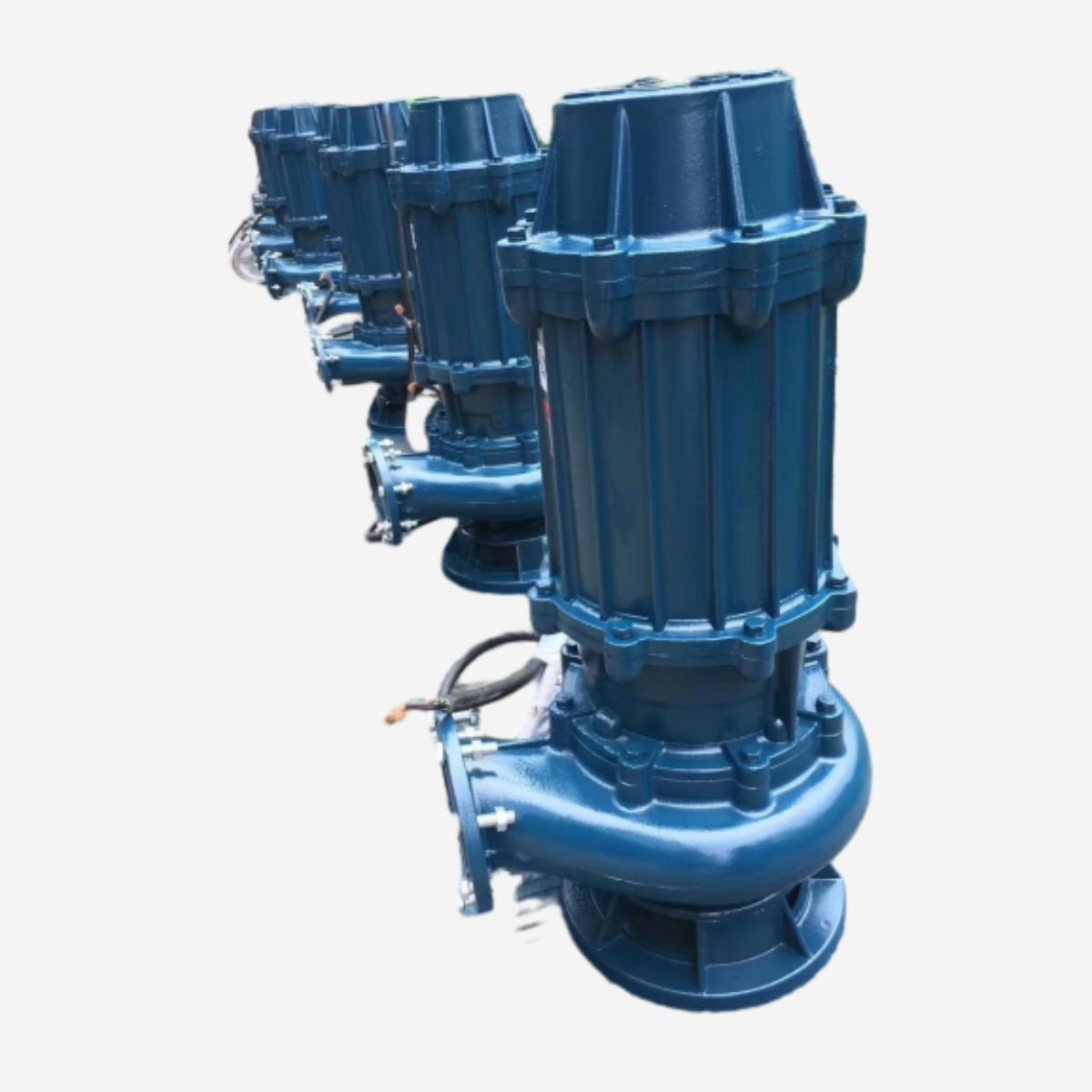
Performance & Engineering
Slurry pump performance is fundamentally governed by hydraulic principles, but significantly complicated by the presence of solids. The pump's affinity laws dictate the relationship between flow rate, head, and power consumption. However, the solids concentration influences the effective hydraulic efficiency. Higher solids content increases the slurry's viscosity and density, requiring more power to achieve the same flow rate and head. Force analysis must account for the impact forces exerted by the slurry particles on the impeller and casing. Cavitation is a major concern, particularly in suction lines, and can be exacerbated by increased slurry viscosity. Environmental resistance considerations include temperature extremes, atmospheric corrosion (particularly in coastal environments), and potential exposure to hazardous chemicals. Compliance requirements often dictate specific materials of construction and sealing arrangements to prevent leakage and environmental contamination. For instance, API 610 standards address pump design and testing for refinery and petrochemical applications, often extended to slurry pumping in related industries. The pump's Net Positive Suction Head Required (NPSHr) must be carefully matched to the Net Positive Suction Head Available (NPSHa) in the system to avoid cavitation. Pump curves provided by manufacturers detail the pump's performance characteristics across a range of flow rates and heads, but these curves are typically generated with water; corrections must be applied to account for the slurry's properties.
Technical Specifications
| Pump Type | Maximum Solids Size (mm) | Maximum Solids Concentration (% by weight) | Maximum Discharge Pressure (bar) |
|---|---|---|---|
| Centrifugal (Horizontally Split Case) | 75 | 60 | 30 |
| Centrifugal (Vertical Sump) | 50 | 70 | 50 |
| Positive Displacement (Progressive Cavity) | 25 | 80 | 40 |
| Diaphragm Pump | 100 | 40 | 10 |
| Slurry Pump (Hydrocyclone Feed) | 5 | 30 | 60 |
| Slurry Pump (Deep Well) | 30 | 50 | 80 |
Failure Mode & Maintenance
Slurry pumps are susceptible to several failure modes. Fatigue cracking in the impeller and casing is common due to cyclic loading from particle impact. Erosion, particularly at the impeller's leading edge and inside the casing volute, leads to material loss and reduced pump performance. Delamination of wear-resistant coatings (e.g., rubber liners) can occur due to insufficient adhesion or chemical attack. Mechanical seal failure is a frequent issue, often caused by abrasive particles infiltrating the seal faces. Bearing failure can result from improper lubrication, misalignment, or excessive loads. Oxidation and corrosion can degrade the pump's structural integrity, particularly in harsh chemical environments. Preventative maintenance is crucial. Regular inspection of wear liners, impeller condition, and seal integrity is essential. Lubrication schedules must be strictly adhered to. Vibration analysis can detect early signs of bearing or impeller imbalance. Planned component replacement (impellers, liners, seals) based on operating hours and historical wear rates is more cost-effective than reactive repairs. Proper alignment of the pump and motor is vital to minimize bearing stress. Flushing the pump with clean water before start-up and after shutdown can help prevent solids buildup and corrosion.
Industry FAQ
Q: What is the primary difference between a centrifugal slurry pump and a positive displacement slurry pump?
A: Centrifugal pumps excel at handling high flow rates and lower to medium viscosity slurries. They are generally more economical for large-volume applications. Positive displacement pumps, such as progressive cavity pumps, are ideal for highly viscous slurries, higher pressures, and applications requiring precise flow control, but generally offer lower flow rates and are more sensitive to solids size.
Q: How does solids concentration affect pump selection and performance?
A: Higher solids concentrations increase slurry density and viscosity, requiring more power and potentially necessitating the use of open or semi-open impeller designs to prevent clogging. Pump capacity will decrease as solids concentration increases, and the risk of abrasion significantly increases, dictating the selection of more wear-resistant materials.
Q: What are the key considerations for selecting a pump material for a corrosive slurry?
A: Material selection must prioritize chemical resistance to the slurry's constituents. Stainless steel alloys (e.g., 316 stainless steel) offer good resistance to many acids and bases. Polymer linings (e.g., rubber, polyurethane) provide excellent corrosion protection but may be less resistant to abrasion. Thorough chemical compatibility testing is critical before final material selection.
Q: What is NPSH and why is it important for slurry pump operation?
A: Net Positive Suction Head (NPSH) is the absolute pressure at the pump suction, exceeding the vapor pressure of the liquid. Insufficient NPSH leads to cavitation – the formation of vapor bubbles that implode, causing erosion and reduced pump performance. Maintaining adequate NPSHa (available) relative to NPSHr (required) is crucial for reliable operation.
Q: How can I minimize pump wear and extend its lifespan?
A: Implement a robust preventative maintenance program, including regular inspections, lubrication, and component replacement. Optimize pump speed to reduce erosion. Use wear-resistant materials appropriate for the slurry characteristics. Implement filtration or screening upstream of the pump to remove oversized particles. Avoid running the pump dry.
Conclusion
The selection and operation of slurry pumps represent a complex engineering challenge. Effective pump performance relies on a holistic understanding of the slurry’s physical and chemical properties, coupled with careful consideration of the system’s operating parameters and environmental constraints. Prioritizing robust material selection, appropriate pump type, and a diligent maintenance schedule is paramount to maximizing pump longevity, minimizing downtime, and ensuring efficient and reliable fluid transfer in demanding industrial applications.
Looking forward, advancements in materials science – such as the development of novel ceramic composites and surface coatings – promise to further enhance slurry pump resistance to wear and corrosion. Integration of real-time monitoring systems and predictive maintenance algorithms will also play an increasingly important role in optimizing pump performance and preventing catastrophic failures. A focus on energy efficiency and sustainable pumping solutions will drive innovation in pump design and operation.
-
Comprehensive Guide to Waterproof ORings for Optimal Sealing Solutions
News2026-06-09
-
Septic Pump System Performance Analysis
News2026-06-08
-
pump for septic Material Science
News2026-06-08
-
basement sewer pump Performance Analysis
News2026-06-08
-
submerged pump Performance Engineering
News2026-06-08
-
Septic System Pumps Performance Analysis
News2026-06-08
-
septic system pump Material Science and Manufacturing
News2026-06-07
-
pump for septic tank Material Science Manufacturing
News2026-06-07
-
submersible sewage pump Material Science
News2026-06-07
-
Sewage Ejector Material Science and Manufacturing
News2026-06-07
-
Ejection Pump Material Science
News2026-06-07
-
pump submersible Performance Analysis
News2026-06-06
-
ejector pumps Performance Engineering
News2026-06-06
-
basement ejector pump Material Science Manufacturing
News2026-06-06
-
Septic Tanks Pumping Performance Analysis
News2026-06-06




