English
- Afrikaans
- Albanian
- Amharic
- Arabic
- Armenian
- Azerbaijani
- Basque
- Belarusian
- Bengali
- Bosnian
- Bulgarian
- Catalan
- Cebuano
- Corsican
- Croatian
- Czech
- Danish
- Dutch
- English
- Esperanto
- Estonian
- Finnish
- French
- Frisian
- Galician
- Georgian
- German
- Greek
- Gujarati
- Haitian Creole
- hausa
- hawaiian
- Hebrew
- Hindi
- Miao
- Hungarian
- Icelandic
- igbo
- Indonesian
- irish
- Italian
- Japanese
- Javanese
- Kannada
- kazakh
- Khmer
- Rwandese
- Korean
- Kurdish
- Kyrgyz
- Lao
- Latin
- Latvian
- Lithuanian
- Luxembourgish
- Macedonian
- Malgashi
- Malay
- Malayalam
- Maltese
- Maori
- Marathi
- Mongolian
- Myanmar
- Nepali
- Norwegian
- Norwegian
- Occitan
- Pashto
- Persian
- Polish
- Portuguese
- Punjabi
- Romanian
- Russian
- Samoan
- Scottish Gaelic
- Serbian
- Sesotho
- Shona
- Sindhi
- Sinhala
- Slovak
- Slovenian
- Somali
- Spanish
- Sundanese
- Swahili
- Swedish
- Tagalog
- Tajik
- Tamil
- Tatar
- Telugu
- Thai
- Turkish
- Turkmen
- Ukrainian
- Urdu
- Uighur
- Uzbek
- Vietnamese
- Welsh
- Bantu
- Yiddish
- Yoruba
- Zulu

Telephone: +86 13120555503
Email: frank@cypump.com


Apr . 01, 2024 17:55 Back to list
bauer slurry pump Manufacturing Specification and Performance Analysis
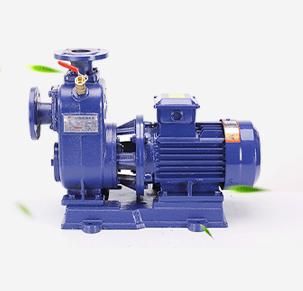
Bauer Slurry Pump Manufacturing Specification and Performance Analysis
The Bauer slurry pump represents a critical component in the geotechnical and foundation engineering value chain, specifically designed for the circulation, transport, and treatment of drilling fluids and bentonite suspensions. In the context of diaphragm wall construction and deep foundation piling, these pumps serve as the primary hydraulic engine for maintaining hole stability by managing the hydrostatic pressure of the slurry. Technically, the Bauer slurry pump is engineered to handle non-Newtonian fluids characterized by high viscosity and abrasive suspended solids. Its industrial positioning is centered on the transition between the primary excavation phase and the concrete casting phase, ensuring that the slurry's thixotropic properties are maintained through consistent circulation without compromising the integrity of the pump's internal wetted parts. The core performance metrics revolve around volumetric efficiency, abrasion resistance, and the ability to maintain high discharge pressures under fluctuating slurry densities.
Material Science & Manufacturing
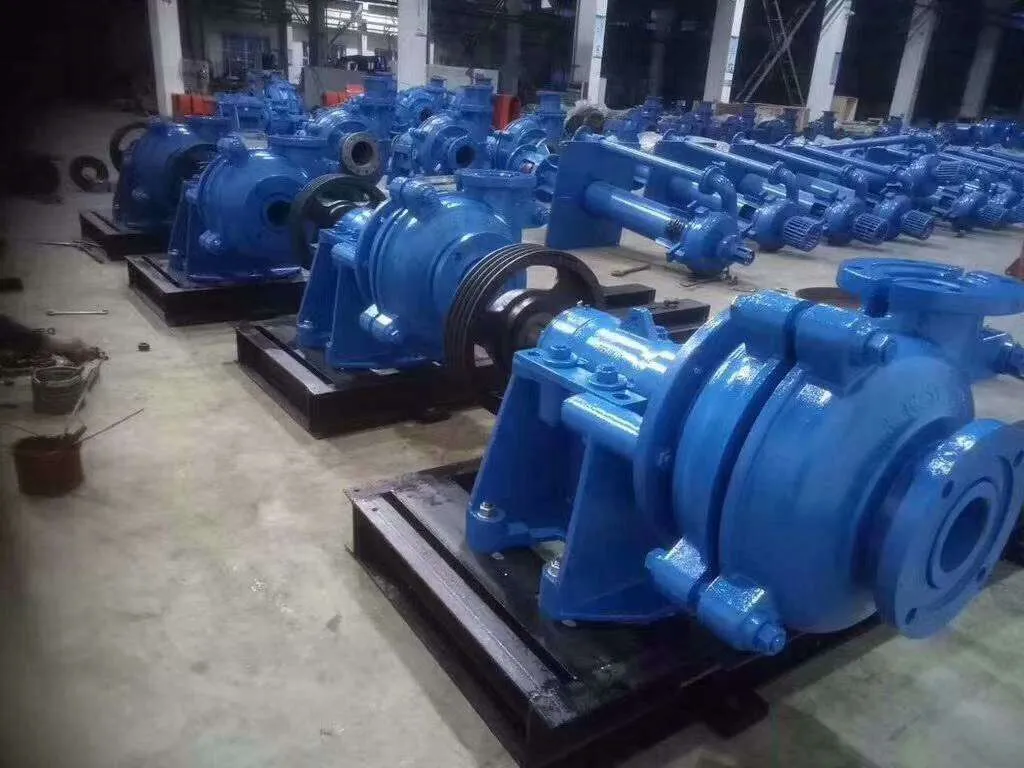
The manufacturing of Bauer slurry pumps necessitates an advanced approach to material science to combat the dual threats of erosive wear and corrosive degradation. The primary wetted components, including the impeller and the volute casing, are typically fabricated from high-chromium cast irons (ASTM A532) or specialized duplex stainless steels. High-chromium alloys are selected for their formation of hard M7C3 carbides, which provide a microstructure capable of resisting the micro-cutting and plowing actions of silica-rich drilling muds. For high-stress zones, the application of tungsten carbide coatings via High-Velocity Oxy-Fuel (HVOF) spraying is employed to enhance surface hardness beyond 1000 HV.
The manufacturing process follows a rigorous sequence of precision casting and CNC machining. The impeller is subjected to dynamic balancing to ISO 1940-1 G2.5 standards to minimize vibrational stress on the shaft and bearings. A critical aspect of the production is the precision grinding of the wear plate and seal interfaces; a deviation of more than 0.05mm in the clearance between the impeller and the suction liner can lead to internal recirculation, significantly reducing the pump's hydraulic efficiency. Furthermore, the shaft is manufactured from 42CrMo alloy steel, vacuum-degassed and induction-hardened to ensure a high fatigue limit and resistance to torsional deformation under the heavy loads typical of high-density slurry transport.
Performance & Engineering
From an engineering perspective, the Bauer slurry pump must solve the complex problem of fluid shear and viscosity management. Because bentonite slurries exhibit pseudoplastic behavior (shear-thinning), the pump is designed with a specific impeller geometry that optimizes the shear rate to reduce the apparent viscosity at the impeller eye, thereby lowering the Net Positive Suction Head required (NPSHr) and preventing cavitation. The force analysis of the pump focuses on the radial thrust generated by the asymmetric pressure distribution in the volute, which is countered by the use of heavy-duty tapered roller bearings capable of absorbing both axial and radial loads.
Environmental resistance is achieved through a modular sealing system. The pump utilizes a mechanical seal with silicon carbide (SiC) or tungsten carbide faces, coupled with a flush system that prevents abrasive particles from entering the seal chamber. Compliance with international engineering standards ensures that the pump can operate in diverse climates, from sub-zero temperatures in arctic drilling to high-ambient heat in tropical zones. Engineering calculations for the pump’s operational window prioritize the "Critical Solids Concentration" limit, ensuring that the pump can transport slurries with a density of up to 1.2 - 1.5 g/cm³ without incurring exponential increases in energy consumption or precipitous drops in flow rate.
Technical Specifications
| Performance Parameter | Standard Series (Medium) | Heavy Duty Series (High) | Ultra-Wear Series (Special) | Tolerance/Standard |
|---|---|---|---|---|
| Max Flow Rate (m³/h) | 450 | 750 | 900 | ± 5% |
| Max Discharge Pressure (bar) | 6.0 | 10.0 | 12.5 | ± 0.2 bar |
| Impeller Material | High-Cr Cast Iron | Duplex Stainless Steel | Tungsten Carbide Coated | ASTM A532 / A890 |
| Max Slurry Density (g/cm³) | 1.15 | 1.30 | 1.50 | Measured at 20°C |
| Shaft Power (kW) | 55 | 110 | 160 | IEC 60034 |
| Bearing Life (L10h) | 20,000 | 35,000 | 40,000 | ISO 281 |
Failure Mode & Maintenance
The primary failure modes of Bauer slurry pumps are categorized into abrasive wear, fatigue failure, and seal degradation. Abrasive wear typically manifests as "thinning" of the impeller vanes and erosion of the volute tongue. This occurs when the velocity of the abrasive particles exceeds the critical erosion velocity of the base material, leading to pitting and a subsequent loss of head pressure. Failure analysis often reveals that operating the pump below its minimum flow rate leads to localized turbulence and accelerated wear patterns known as "eddy erosion."
Fatigue cracking in the pump shaft is another critical failure mode, often triggered by misalignment or the pumping of oversized aggregates that cause sudden impulsive loads. Delamination of hard-facing coatings can occur if the thermal expansion coefficient of the coating differs significantly from the substrate during extreme temperature fluctuations. To mitigate these failures, a professional maintenance protocol is mandatory: weekly inspections of the vibration spectrum to detect bearing wear, monthly measurement of the impeller clearance, and a rigorous lubrication schedule using synthetic lubricants with high additive packages to prevent oxidation. When the impeller wear exceeds 15% of its original thickness, immediate replacement is required to prevent the onset of cavitation-induced vibration.
Industry FAQ
Q: How do we determine the optimal impeller material for a specific slurry density?
A: The selection is based on the Mohs hardness of the suspended solids and the chemical pH of the slurry. For standard bentonite, high-chromium cast iron is sufficient. However, if the slurry contains high concentrations of quartz or granite fines, we specify Duplex stainless steel or HVOF-coated components to ensure a sustainable Mean Time Between Failures (MTBF).
Q: What is the impact of high viscosity on the pump's NPSH requirements?
A: High viscosity increases the frictional losses in the suction piping, which elevates the NPSHr. To prevent cavitation, we recommend increasing the suction pipe diameter and reducing the distance between the slurry tank and the pump inlet, effectively increasing the NPSHa (Available) to maintain a safety margin of at least 0.5 meters.
Q: Can these pumps handle sudden changes in slurry concentration without damage?
A: Yes, provided the pump is operated within its engineered power curve. However, sudden spikes in density increase the torque load on the motor. We utilize Variable Frequency Drives (VFDs) to modulate the pump speed, allowing the system to adapt to density changes while preventing motor overload trips.
Q: How do you diagnose the difference between cavitation and mechanical misalignment?
A: Cavitation typically produces a high-frequency "crackling" sound, similar to pumping gravel, accompanied by erratic pressure fluctuations. Mechanical misalignment is characterized by a distinct low-frequency vibration peak at 1x or 2x the rotational frequency, detectable via accelerometers and FFT analysis.
Q: What is the recommended protocol for long-term storage of the pump?
A: The pump must be thoroughly flushed with clean water to remove all residual slurry, as dried bentonite can cement internal components. The shaft should be rotated manually every 30 days to prevent "brinelling" of the bearings, and the seals must be coated with a corrosion-inhibiting lubricant.
Conclusion
The Bauer slurry pump is a highly specialized piece of industrial machinery where success depends on the precise intersection of metallurgical integrity and hydraulic engineering. By utilizing high-chromium alloys and optimizing the flow dynamics for non-Newtonian fluids, these pumps ensure the stability and efficiency of complex foundation works. The technical synergy between the wear-resistant materials and the robust mechanical design allows for the handling of extreme abrasive loads while maintaining high volumetric efficiency.
Moving forward, the integration of real-time sensor monitoring for wear detection and the adoption of additive manufacturing for complex impeller geometries will likely further enhance performance. For procurement and engineering teams, the focus must remain on the rigorous adherence to maintenance schedules and the precise matching of material specifications to the geochemical properties of the slurry to maximize the operational lifespan of the equipment.
-
residential sewage pumps Material Science and Manufacturing
News2026-05-26
-
residential sewage lift pump Performance Analysis
News2026-05-26
-
high head sump pump Performance and Engineering
News2026-05-26
-
effluent pump for septic tank Material Science Manufacturing
News2026-05-26
-
effluent and sewage pumps Material Science Manufacturing
News2026-05-26
-
1 2 hp sewage ejector pump Performance Engineering
News2026-05-25
-
Zoeller 1/2 hp sewage pump Performance Analysis
News2026-05-25
-
Effluent Pump Performance Analysis
News2026-05-25
-
sump pump vs effluent pump Performance Analysis
News2026-05-25
-
sewer pumps residential Performance Analysis
News2026-05-25
-
Sewage Pump Company Performance and Engineering
News2026-05-24
-
sewage pump 1/2 hp Performance Analysis
News2026-05-24
-
Sewage Ejector Systems Performance Analysis
News2026-05-24
-
Sewage Ejection System Material Science and Manufacturing
News2026-05-24
-
sewage and effluent pumps Performance Engineering
News2026-05-24




