English
- Afrikaans
- Albanian
- Amharic
- Arabic
- Armenian
- Azerbaijani
- Basque
- Belarusian
- Bengali
- Bosnian
- Bulgarian
- Catalan
- Cebuano
- Corsican
- Croatian
- Czech
- Danish
- Dutch
- English
- Esperanto
- Estonian
- Finnish
- French
- Frisian
- Galician
- Georgian
- German
- Greek
- Gujarati
- Haitian Creole
- hausa
- hawaiian
- Hebrew
- Hindi
- Miao
- Hungarian
- Icelandic
- igbo
- Indonesian
- irish
- Italian
- Japanese
- Javanese
- Kannada
- kazakh
- Khmer
- Rwandese
- Korean
- Kurdish
- Kyrgyz
- Lao
- Latin
- Latvian
- Lithuanian
- Luxembourgish
- Macedonian
- Malgashi
- Malay
- Malayalam
- Maltese
- Maori
- Marathi
- Mongolian
- Myanmar
- Nepali
- Norwegian
- Norwegian
- Occitan
- Pashto
- Persian
- Polish
- Portuguese
- Punjabi
- Romanian
- Russian
- Samoan
- Scottish Gaelic
- Serbian
- Sesotho
- Shona
- Sindhi
- Sinhala
- Slovak
- Slovenian
- Somali
- Spanish
- Sundanese
- Swahili
- Swedish
- Tagalog
- Tajik
- Tamil
- Tatar
- Telugu
- Thai
- Turkish
- Turkmen
- Ukrainian
- Urdu
- Uighur
- Uzbek
- Vietnamese
- Welsh
- Bantu
- Yiddish
- Yoruba
- Zulu

Telephone: +86 13120555503
Email: frank@cypump.com


Apr . 01, 2024 17:55 Back to list
battlemax slurry pumps Performance Analysis and Manufacturing Specifications
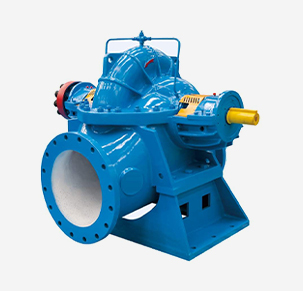
Battlemax Slurry Pumps Performance Analysis and Manufacturing Specifications
Battlemax slurry pumps are high-performance industrial centrifugal pumps engineered specifically for the transport of abrasive and corrosive fluids. Positioned at the critical juncture of the mineral processing and waste management value chains, these pumps are designed to handle high-density slurries containing suspended solids such as tailings, ores, and chemical precipitates. Unlike standard water pumps, Battlemax slurry pumps utilize specialized hydraulic geometries and advanced material science to mitigate the effects of erosive wear and cavitation. The core technical objective of these systems is to maintain volumetric efficiency while extending the Mean Time Between Failures (MTBF) in extreme environments, ensuring that the transport of slurry remains constant without catastrophic failure of the internal wetted components.
Material Science & Manufacturing
The operational longevity of Battlemax slurry pumps is predicated on the synergistic application of metallurgy and precision casting. The primary challenge in slurry transport is the abrasive wear caused by the kinetic energy of solid particles impacting the pump walls. To counteract this, Battlemax employs High-Chrome Alloys (typically 27% Cr) and natural rubber linings, depending on the particle size and chemical composition of the medium.
High-Chrome White Irons: For applications involving large, angular particles, the pump internals are cast from centrifugal-cast high-chrome alloys. These materials form a hard martensitic matrix embedded with primary M7C3 carbides, providing a hardness typically exceeding 60 HRC. This structure prevents the "plowing" effect of abrasive minerals on the metal surface.
Elastomeric Linings: For finer particles and highly corrosive slurries, natural rubber or polyurethane linings are utilized. These materials exhibit high resilience, allowing the surface to deform momentarily under particle impact and then rebound, effectively absorbing the kinetic energy rather than suffering material loss. The bonding process involves high-pressure vulcanization to ensure no delamination occurs under high-vacuum or high-pressure conditions.
Manufacturing Process Control: The manufacturing flow integrates precision investment casting and CNC machining. Key parameter control focuses on the impeller balance; any eccentricity in the impeller rotation can lead to asymmetric wear and premature bearing failure. Dynamic balancing is conducted to G2.5 standards to minimize vibration. Furthermore, the casing is subjected to X-ray diffraction and ultrasonic testing to ensure the absence of casting voids or slag inclusions, which could act as initiation points for stress corrosion cracking.
Performance & Engineering
Engineering a slurry pump requires a sophisticated balance between flow velocity and wear rate. According to the laws of fluid dynamics, the rate of erosive wear is proportional to the cube of the fluid velocity. Therefore, Battlemax slurry pumps are engineered with optimized hydraulic profiles that minimize turbulence and prevent "dead zones" where solids can accumulate and cause localized erosion.
Hydraulic Analysis and NPSH: Net Positive Suction Head (NPSH) is a critical engineering metric for Battlemax pumps. Slurries, due to their higher density and viscosity, are more prone to cavitation than clear water. Engineering specifications include an oversized suction nozzle and a modified impeller eye to reduce the pressure drop at the inlet, thereby preventing the formation of vapor bubbles that can collapse and pit the impeller surface.
Force Analysis and Structural Integrity: The pump shaft is engineered to withstand significant radial and axial loads. Using Finite Element Analysis (FEA), the shaft diameter and shoulder geometry are optimized to prevent fatigue failure. The use of heavy-duty bearings with specialized lubrication systems ensures that the mechanical energy is transmitted efficiently from the motor to the fluid without excessive heat generation.
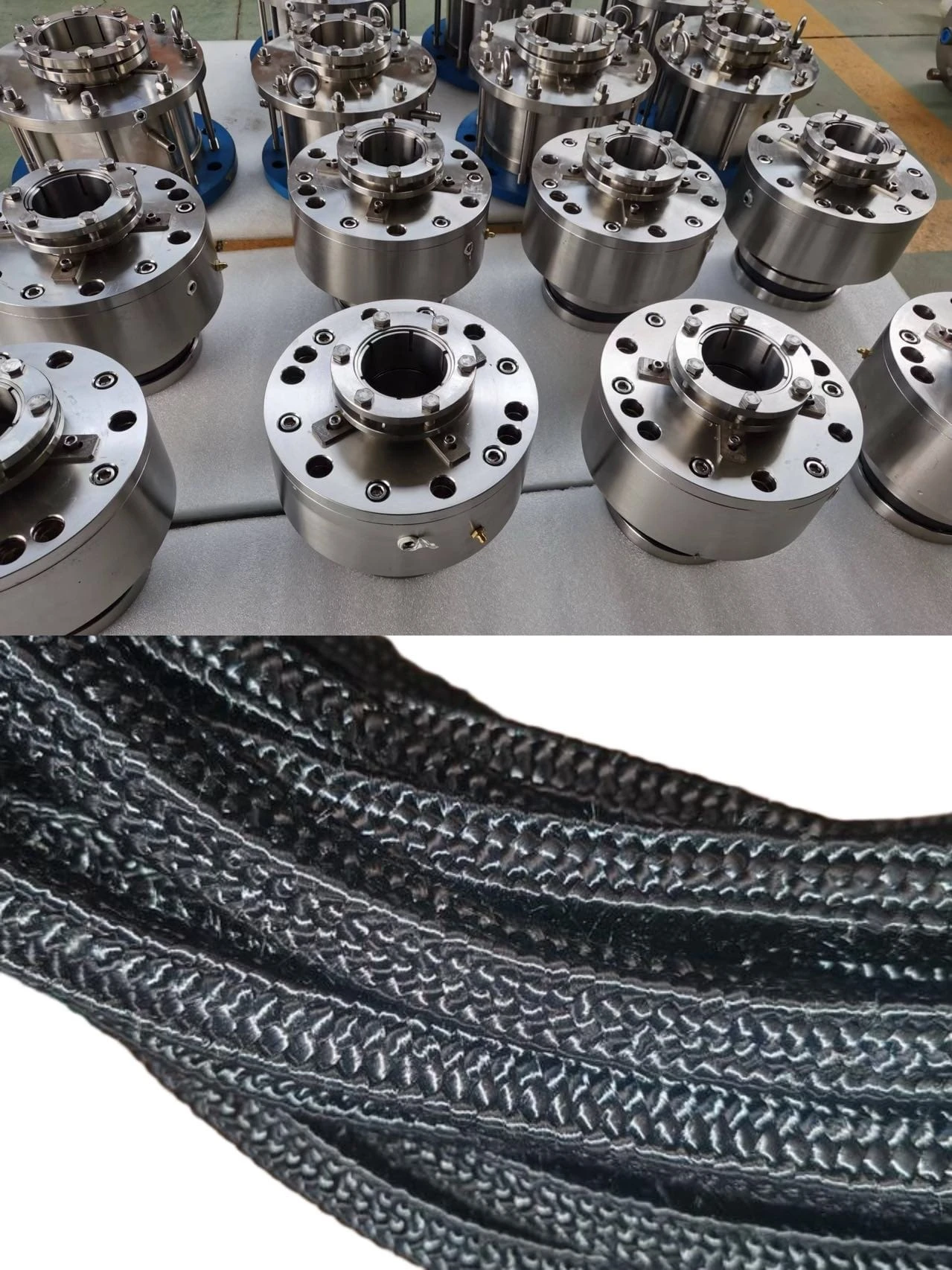
Sealing Engineering: To prevent the leakage of abrasive slurry into the bearing housing, Battlemax utilizes a combination of expeller seals and gland packing. The expeller seal creates a centrifugal barrier that pumps the slurry away from the shaft seal, significantly reducing the wear on the packing material and extending the maintenance interval.
Technical Specifications
| Model Series | Max Flow Rate (m³/h) | Max Discharge Head (m) | Max Particle Size (mm) | Lining Material | Max Operating Speed (RPM) |
|---|---|---|---|---|---|
| BMAX-100-Standard | 120 | 45 | 12 | High-Chrome Alloy | 1450 |
| BMAX-150-HeavyDuty | 250 | 60 | 25 | Natural Rubber | 1100 |
| BMAX-200-Industrial | 400 | 75 | 35 | Chrome-Steel Hybrid | 900 |
| BMAX-250-Mining | 600 | 90 | 50 | Hardened Ceramic | 750 |
| BMAX-300-Extreme | 850 | 110 | 65 | Tungsten Carbide | 600 |
| BMAX-Custom-Spec | Variable | Up to 150 | Custom | Special Alloy | Custom |
Failure Mode & Maintenance
Despite robust engineering, slurry pumps operate in the most aggressive environments in the industry. A rigorous Failure Mode and Effects Analysis (FMEA) identifies three primary failure modes: erosive wear, cavitation damage, and seal failure.
1. Erosive Wear and Thinning: The most common failure mode is the gradual thinning of the impeller vanes and casing walls. This is typically identified by a gradual drop in discharge pressure and flow rate. Maintenance involves the use of ultrasonic thickness gauges to monitor wear patterns. Once the thickness reaches the "minimum safety limit," the liners must be replaced. Preventative maintenance includes the rotation of the impeller to distribute wear evenly.
2. Cavitation-Induced Pitting: If the NPSH available is lower than the NPSH required, vapor bubbles form and collapse violently on the impeller surface, causing "pitting" that resembles a sponge. This not only destroys the material but also causes severe vibration. The solution involves adjusting the suction head, increasing the suction pipe diameter, or reducing the pump speed via a Variable Frequency Drive (VFD).
3. Seal Degradation and Bearing Contamination: When the gland packing or expeller seal fails, abrasive particles enter the bearing housing. This leads to rapid bearing seizure and potential shaft breakage. Maintenance protocols require daily monitoring of the leakage rate at the gland; a steady drip is necessary for cooling and lubrication. If the leakage becomes a stream, the packing must be tightened or replaced immediately.
Industry FAQ
Q: How do we determine whether to choose a high-chrome alloy or a rubber lining for our specific slurry?
A: The choice depends on the particle size and the nature of the abrasion. High-chrome alloys are superior for large, sharp, and heavy particles that cause high-impact wear. Rubber linings are more effective for fine particles and highly corrosive fluids where the wear is primarily caused by sliding abrasion rather than impact.
Q: What is the impact of slurry density (specific gravity) on the pump's motor power requirements?
A: Slurry density directly increases the mass of the fluid being moved. As the specific gravity (SG) increases, the power required to maintain the same flow rate increases linearly. It is critical to calculate the power requirement based on the maximum possible SG to avoid motor overload and tripping.
Q: Why is my pump experiencing excessive vibration despite the impeller being balanced?
A: Excessive vibration in slurry pumps is often caused by "plugging" or partial blockage of the impeller eye, leading to hydraulic imbalance. Alternatively, it could be a sign of severe cavitation or misalignment between the pump and the motor. We recommend checking the suction line for debris and verifying the coupling alignment using a laser tool.
Q: Can these pumps be run dry for short periods during system priming?
A: No, slurry pumps should never be run dry. The fluid acts as a coolant and lubricant for the internal components and the gland packing. Running dry can lead to rapid overheating of the seal area and potential warping of the impeller, which can cause catastrophic failure upon restart.
Q: How often should the impeller clearance be adjusted?
A: Impeller clearance should be checked every 500 to 1,000 operating hours, depending on the abrasiveness of the medium. As the impeller and liner wear, the gap increases, leading to internal recirculation and a loss of efficiency. Adjusting the pump position to restore the optimal clearance can improve efficiency by 5-10%.
Conclusion
Battlemax slurry pumps represent a critical engineering solution for high-abrasion fluid transport, blending advanced metallurgy with precision hydraulic design. By integrating high-chrome alloys and elastomeric materials with a deep understanding of NPSH and erosive fluid dynamics, these pumps minimize downtime and optimize operational costs in the most demanding industrial environments. The technical superiority of these systems is not found in a single component, but in the systemic integration of wear resistance, structural rigidity, and hydraulic efficiency.
Looking forward, the integration of IoT-based vibration monitoring and real-time wear sensors will further transform the maintenance of slurry pumps from a reactive to a predictive model. For procurement and engineering managers, the focus must remain on the total cost of ownership (TCO), where the initial investment in superior material science pays dividends through extended component life and reduced unplanned outages. Ensuring strict adherence to installation and lubrication standards will remain the cornerstone of operational excellence.
-
residential sewage pumps Material Science and Manufacturing
News2026-05-26
-
residential sewage lift pump Performance Analysis
News2026-05-26
-
high head sump pump Performance and Engineering
News2026-05-26
-
effluent pump for septic tank Material Science Manufacturing
News2026-05-26
-
effluent and sewage pumps Material Science Manufacturing
News2026-05-26
-
1 2 hp sewage ejector pump Performance Engineering
News2026-05-25
-
Zoeller 1/2 hp sewage pump Performance Analysis
News2026-05-25
-
Effluent Pump Performance Analysis
News2026-05-25
-
sump pump vs effluent pump Performance Analysis
News2026-05-25
-
sewer pumps residential Performance Analysis
News2026-05-25
-
Sewage Pump Company Performance and Engineering
News2026-05-24
-
sewage pump 1/2 hp Performance Analysis
News2026-05-24
-
Sewage Ejector Systems Performance Analysis
News2026-05-24
-
Sewage Ejection System Material Science and Manufacturing
News2026-05-24
-
sewage and effluent pumps Performance Engineering
News2026-05-24




