English
- Afrikaans
- Albanian
- Amharic
- Arabic
- Armenian
- Azerbaijani
- Basque
- Belarusian
- Bengali
- Bosnian
- Bulgarian
- Catalan
- Cebuano
- Corsican
- Croatian
- Czech
- Danish
- Dutch
- English
- Esperanto
- Estonian
- Finnish
- French
- Frisian
- Galician
- Georgian
- German
- Greek
- Gujarati
- Haitian Creole
- hausa
- hawaiian
- Hebrew
- Hindi
- Miao
- Hungarian
- Icelandic
- igbo
- Indonesian
- irish
- Italian
- Japanese
- Javanese
- Kannada
- kazakh
- Khmer
- Rwandese
- Korean
- Kurdish
- Kyrgyz
- Lao
- Latin
- Latvian
- Lithuanian
- Luxembourgish
- Macedonian
- Malgashi
- Malay
- Malayalam
- Maltese
- Maori
- Marathi
- Mongolian
- Myanmar
- Nepali
- Norwegian
- Norwegian
- Occitan
- Pashto
- Persian
- Polish
- Portuguese
- Punjabi
- Romanian
- Russian
- Samoan
- Scottish Gaelic
- Serbian
- Sesotho
- Shona
- Sindhi
- Sinhala
- Slovak
- Slovenian
- Somali
- Spanish
- Sundanese
- Swahili
- Swedish
- Tagalog
- Tajik
- Tamil
- Tatar
- Telugu
- Thai
- Turkish
- Turkmen
- Ukrainian
- Urdu
- Uighur
- Uzbek
- Vietnamese
- Welsh
- Bantu
- Yiddish
- Yoruba
- Zulu

Telephone: +86 13120555503
Email: frank@cypump.com


Apr . 01, 2024 17:55 Back to list
Auxiliary Slurry Pump Supplier Manufacturing Specifications and Performance Analysis
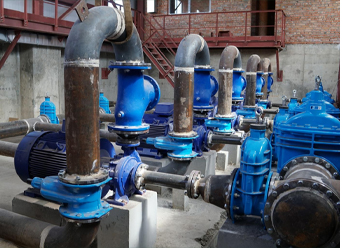
Auxiliary Slurry Pump Manufacturing Specifications and Performance Analysis
In the complex landscape of industrial fluid handling, the auxiliary slurry pump serves as a critical component within the primary pumping circuit, designed specifically to manage abrasive, high-viscosity, or non-Newtonian fluids that would otherwise compromise the integrity of main process pumps. These systems are strategically positioned to handle recirculation, priming, or secondary transport of slurry—mixtures containing suspended solid particles such as mineral ores, chemical precipitates, or wastewater sludge. The technical positioning of an auxiliary slurry pump supplier involves the synthesis of fluid dynamics and metallurgy to ensure that the equipment can withstand extreme erosive wear while maintaining precise volumetric efficiency. For industrial operators, the core performance is measured by the pump's ability to maintain a stable flow rate under varying solid concentrations, ensuring that the primary system remains free of sedimentation and catastrophic blockages.
Material Science & Manufacturing
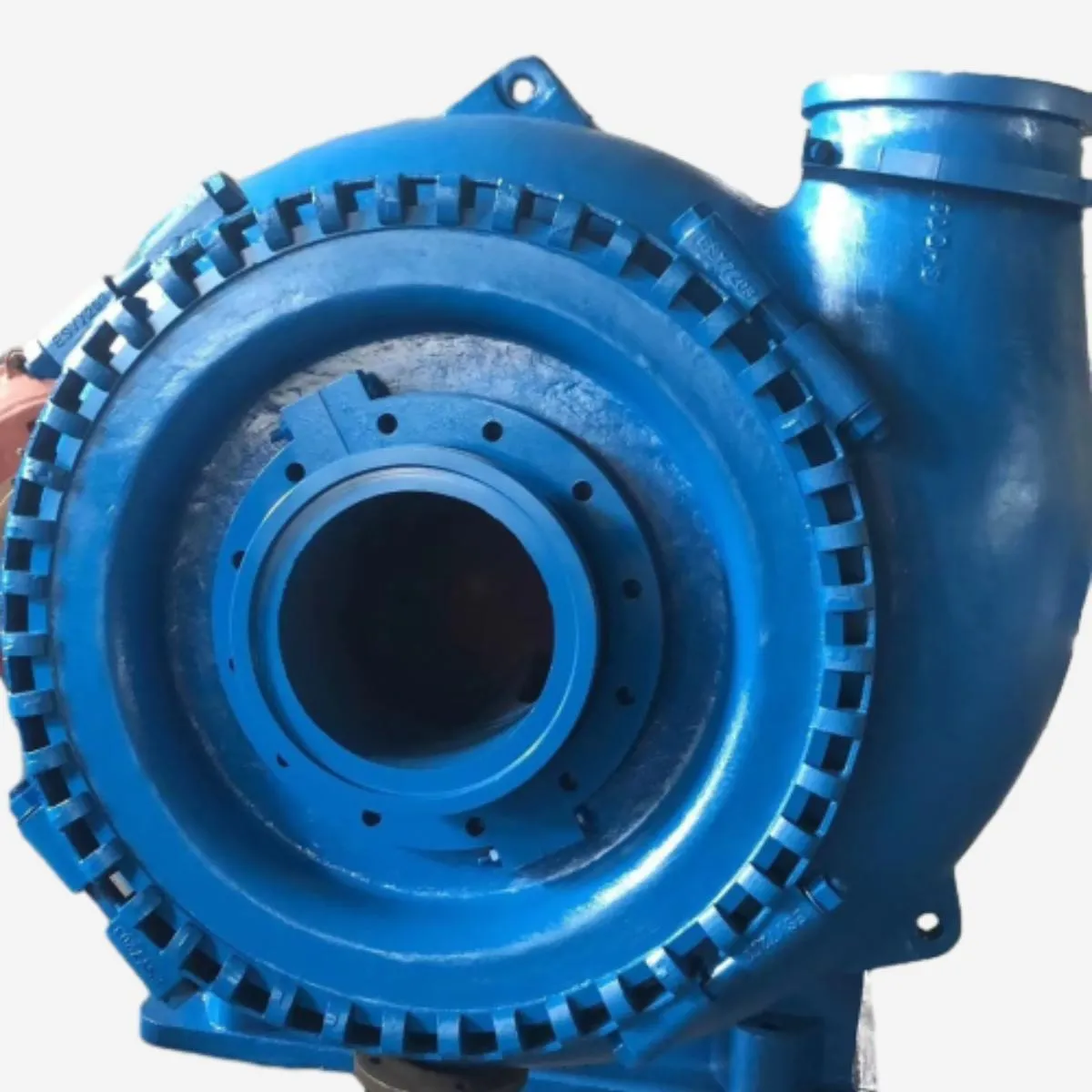
The manufacturing of auxiliary slurry pumps is a rigorous exercise in material science, primarily focusing on the mitigation of abrasive wear and corrosive degradation. The wetted parts—specifically the impeller and volute liner—are typically constructed from high-chrome white irons (ASTM A532) or natural rubber liners, depending on the particle size and chemical composition of the slurry. High-chrome alloys utilize a martensitic matrix with embedded M7C3 carbides, providing a hardness typically exceeding 60 HRC, which is essential for resisting the scouring action of hard minerals like quartz or alumina. For softer, more corrosive slurries, thermoplastic elastomers or high-grade nitrile rubbers are employed to absorb the kinetic energy of impacting particles, thereby preventing the "pitting" common in metallic surfaces.
The manufacturing process involves precision investment casting for the impeller to ensure hydraulic balance and minimize turbulence, which can lead to localized erosion. Each component undergoes a controlled heat-treatment process, including austenitizing and quenching, to optimize the metallurgical structure for maximum toughness and hardness. Furthermore, the shafting is often manufactured from duplex stainless steels (e.g., 2205) to provide a dual defense against stress corrosion cracking and mechanical fatigue. The assembly process incorporates strict tolerances in the seal chamber to prevent slurry ingress into the bearing housing, utilizing mechanical seals with silicon carbide or tungsten carbide faces to ensure hermetic closure under high pressure.
Performance & Engineering
Engineering an auxiliary slurry pump requires a sophisticated force analysis to manage the interaction between the fluid's rheology and the pump's mechanical components. One of the primary engineering challenges is the management of the Net Positive Suction Head (NPSH). Because slurries have a higher density than water, they are prone to cavitation and "sanding out" at the suction inlet. Engineers implement specialized inducer designs and optimize the suction nozzle geometry to maintain a laminar flow profile, reducing the risk of vortex formation that could introduce air into the system and lead to impeller cavitation.
Environmental resistance is another critical engineering pillar. Auxiliary pumps often operate in harsh outdoor environments or within chemical processing plants where ambient temperatures fluctuate and corrosive vapors are present. The use of epoxy-coated housings and IP66-rated motors ensures operational continuity. From a compliance perspective, these pumps are designed to meet stringent leakage standards to prevent the environmental contamination of hazardous tailings. The functional implementation focuses on the "Critical Velocity" calculation—ensuring the flow velocity remains high enough to keep solids in suspension but low enough to minimize the rate of abrasive wear, which increases exponentially with fluid velocity.
Technical Specifications
| Parameter Dimension | Standard Duty Specification | Heavy Duty Specification | Extreme Abrasive Specification | Testing Standard |
|---|---|---|---|---|
| Liner Material | High-Chrome Iron (27% Cr) | High-Chrome Iron (28% Cr) | Ceramic Composite / Tungsten | ASTM A532 |
| Max Particle Size | ≤ 6 mm | ≤ 12 mm | ≤ 20 mm | ISO 10816 |
| Max Slurry Density | 1.3 g/cm³ | 1.5 g/cm³ | 1.8 g/cm³ | API 610 |
| Operating Pressure | Up to 10 Bar | Up to 16 Bar | Up to 25 Bar | ASME B16.5 |
| Shaft Hardness | 45-50 HRC | 52-55 HRC | 58-62 HRC | Rockwell C |
| Seal Type | Single Mechanical Seal | Double Mechanical Seal | Expeller / Seal-less | DIN 24960 |
Failure Mode & Maintenance
The failure modes of auxiliary slurry pumps are primarily driven by the aggressive nature of the pumped media. The most prevalent mode is "Erosive Wear," characterized by the gradual thinning of the impeller vanes and volute walls. This occurs when the impact angle of the slurry particles aligns with the material's weakest crystalline orientation, leading to micro-cutting and material loss. Another critical failure is "Cavitation Erosion," where the collapse of vapor bubbles near the impeller surface creates localized high-pressure jets that pit the metal, eventually leading to structural fatigue and imbalance.
Mechanical seal failure is frequently observed due to "Abrasive Infiltration," where fine particulates bypass the primary seal face and grind into the secondary sealing elements. To combat this, a professional maintenance regimen must include the installation of a seal flush system (API Plan 32 or 54) to keep the seal faces clean. Maintenance schedules should prioritize vibration analysis to detect early signs of bearing wear or shaft misalignment caused by the uneven wear of the impeller. Regular ultrasonic thickness testing of the volute liner is recommended to predict the remaining service life and schedule replacements before a full breach occurs.
Industry FAQ
Q: How do we determine the optimal liner material for a specific slurry application?
A: The selection depends on the "Particle Hardness vs. Particle Size" matrix. For particles smaller than 0.1mm and high acidity, natural rubber is superior due to its elastic resilience. For larger, hard particles (e.g., silica), high-chrome alloys are mandatory to provide the necessary surface hardness to resist cutting.
Q: What is the impact of slurry viscosity on the NPSH requirements of the auxiliary pump?
A: Increased viscosity increases the friction loss in the suction piping, which reduces the available NPSH. This requires either lowering the pump elevation relative to the source or increasing the suction pipe diameter to prevent cavitation and ensure stable priming.
Q: Why is the pump experiencing premature impeller failure despite using high-chrome materials?
A: This is often caused by operating the pump too far from its Best Efficiency Point (BEP). Operating at low flow rates increases internal recirculation and turbulence, which accelerates localized erosion on the impeller shroud and vanes regardless of material hardness.
Q: How does the "critical velocity" affect the lifespan of the auxiliary slurry pump?
A: If the velocity is below the critical threshold, solids settle in the pump casing, causing "sanding" and potential seizure. Conversely, exceeding the critical velocity significantly increases the wear rate, as erosion is typically proportional to the cube of the velocity.
Q: Can these pumps handle non-Newtonian fluids such as Bingham plastics?
A: Yes, but the pump must be engineered with a higher starting torque motor and a modified impeller geometry to overcome the initial yield stress of the fluid and prevent stagnant zones within the volute.
Conclusion
The selection and operation of an auxiliary slurry pump are fundamentally governed by the synergy between metallurgical properties and fluid dynamic engineering. To ensure operational longevity, it is imperative to align the material hardness of the wetted components with the abrasive characteristics of the slurry while maintaining strict adherence to the pump's hydraulic design limits. The transition from standard duty to extreme abrasive specifications necessitates a shift toward composite ceramics and advanced sealing technologies to mitigate the inherent risks of erosive failure.
Looking forward, the integration of real-time wear monitoring sensors and variable frequency drives (VFDs) will allow for the dynamic adjustment of flow velocities to match real-time slurry concentrations. This evolution toward "smart" slurry handling will not only reduce unplanned downtime but also optimize the total cost of ownership by extending the intervals between major overhauls and liner replacements.
-
1 2 hp sewage ejector pump Performance Engineering
News2026-05-25
-
Zoeller 1/2 hp sewage pump Performance Analysis
News2026-05-25
-
Effluent Pump Performance Analysis
News2026-05-25
-
sump pump vs effluent pump Performance Analysis
News2026-05-25
-
sewer pumps residential Performance Analysis
News2026-05-25
-
Sewage Pump Company Performance and Engineering
News2026-05-24
-
sewage pump 1/2 hp Performance Analysis
News2026-05-24
-
Sewage Ejector Systems Performance Analysis
News2026-05-24
-
Sewage Ejection System Material Science and Manufacturing
News2026-05-24
-
sewage and effluent pumps Performance Engineering
News2026-05-24
-
pump for sewage water Performance Analysis
News2026-05-23
-
plumbing sewage ejector pump Performance Engineering
News2026-05-23
-
home sewer pump station Performance and Engineering
News2026-05-23
-
high pressure sump pump Performance Analysis
News2026-05-23
-
high head effluent pump Performance Analysis
News2026-05-23




