English
- Afrikaans
- Albanian
- Amharic
- Arabic
- Armenian
- Azerbaijani
- Basque
- Belarusian
- Bengali
- Bosnian
- Bulgarian
- Catalan
- Cebuano
- Corsican
- Croatian
- Czech
- Danish
- Dutch
- English
- Esperanto
- Estonian
- Finnish
- French
- Frisian
- Galician
- Georgian
- German
- Greek
- Gujarati
- Haitian Creole
- hausa
- hawaiian
- Hebrew
- Hindi
- Miao
- Hungarian
- Icelandic
- igbo
- Indonesian
- irish
- Italian
- Japanese
- Javanese
- Kannada
- kazakh
- Khmer
- Rwandese
- Korean
- Kurdish
- Kyrgyz
- Lao
- Latin
- Latvian
- Lithuanian
- Luxembourgish
- Macedonian
- Malgashi
- Malay
- Malayalam
- Maltese
- Maori
- Marathi
- Mongolian
- Myanmar
- Nepali
- Norwegian
- Norwegian
- Occitan
- Pashto
- Persian
- Polish
- Portuguese
- Punjabi
- Romanian
- Russian
- Samoan
- Scottish Gaelic
- Serbian
- Sesotho
- Shona
- Sindhi
- Sinhala
- Slovak
- Slovenian
- Somali
- Spanish
- Sundanese
- Swahili
- Swedish
- Tagalog
- Tajik
- Tamil
- Tatar
- Telugu
- Thai
- Turkish
- Turkmen
- Ukrainian
- Urdu
- Uighur
- Uzbek
- Vietnamese
- Welsh
- Bantu
- Yiddish
- Yoruba
- Zulu

Telephone: +86 13120555503
Email: frank@cypump.com


Apr . 01, 2024 17:55 Back to list
ah slurry pump Performance Analysis
Introduction
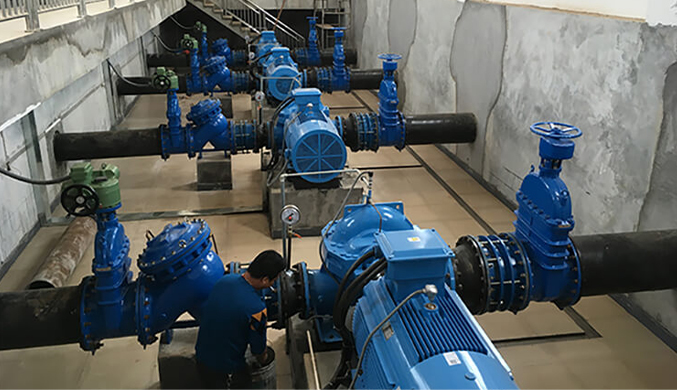
AH slurry pumps are heavy-duty centrifugal pumps designed for the continuous handling of abrasive, corrosive, and erosive slurries in a wide range of industrial applications. Positioned within the industrial fluid handling chain, they represent a critical component in mineral processing, wastewater treatment, dredging, chemical processing, and power generation. Their technical position is defined by a robust construction—typically utilizing high-chrome alloy castings for wetted parts—and hydraulic designs optimized to minimize wear and maintain efficiency despite handling challenging fluid mixtures. Core performance characteristics center around volumetric flow rate (typically measured in gallons per minute or cubic meters per hour), discharge head (measured in feet or meters), solids handling capability (expressed as particle size and concentration), and resistance to specific chemical attack dictated by the slurry composition. A primary industry pain point addressed by AH slurry pumps is mitigating unscheduled downtime and maintenance costs associated with premature pump failure caused by abrasive wear and corrosion. Selecting the appropriate pump involves a detailed assessment of slurry characteristics, system requirements, and lifecycle cost analysis.
Material Science & Manufacturing
The primary material of construction for AH slurry pump casings and impellers is typically high-chrome alloy cast iron (e.g., ASTM A532 Grade 1A). This alloy offers excellent abrasion resistance due to the presence of hard chromium carbides formed during the casting process. The chrome content generally ranges from 15% to 30% depending on the intended abrasion resistance level. Shafts are commonly manufactured from alloy steel (e.g., 4140 or 4340) and hardened to provide tensile strength and resistance to torsional stress. Elastomeric liners, often made of natural rubber or synthetic rubber compounds (like EPDM or neoprene), are utilized to protect the pump casing from corrosion and impact damage. Manufacturing processes begin with pattern making for the castings, followed by sand casting utilizing methods like green sand molding or shell molding. Impellers are often investment cast for greater dimensional accuracy and smoother surface finish. Critical parameters during casting include precise control of alloy composition, cooling rates (to minimize residual stress), and heat treatment schedules (for achieving optimal hardness and toughness). Welding is extensively used in the fabrication of pump casings and supports; controlled welding procedures, including pre-heating, post-weld heat treatment, and qualified welders are paramount to avoid cracking and maintain structural integrity. Rubber liners are vulcanized to the metal casing to ensure a secure bond. Quality control involves non-destructive testing (NDT) methods such as radiographic inspection, ultrasonic testing, and liquid penetrant inspection to detect internal flaws and surface defects. Chemical compatibility assessments are performed to verify material resistance to the specific slurry constituents.
Performance & Engineering
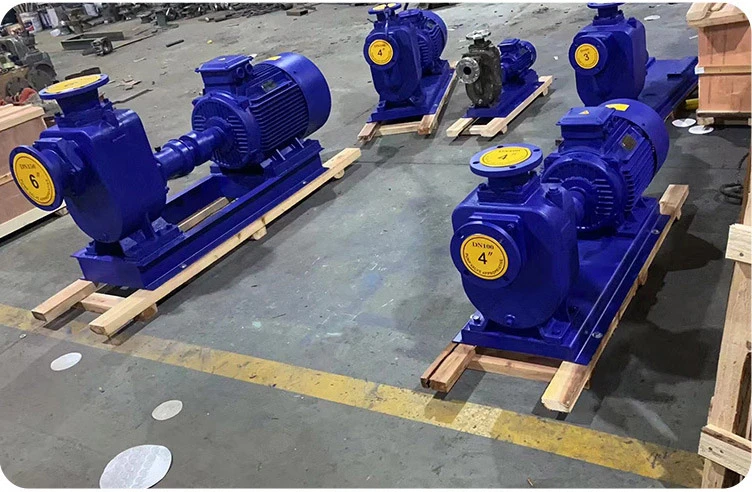
AH slurry pump performance is fundamentally governed by the principles of centrifugal pump theory, with significant modifications to account for slurry characteristics. Force analysis considers both hydrodynamic forces generated by fluid flow and mechanical forces arising from impeller rotation and pressure differentials. Cavitation is a significant concern, especially with slurries containing entrained gases. Pump design incorporates features like optimized impeller geometry and sufficient Net Positive Suction Head Available (NPSHA) to prevent cavitation. Environmental resistance is crucial, particularly in corrosive environments. The choice of liner materials and the design of the pump casing are tailored to withstand specific chemical attack. Hydraulic efficiency is impacted by slurry viscosity and solids concentration. Higher viscosity and solids content lead to increased frictional losses and reduced pump efficiency. Pump selection must consider the total dynamic head (TDH) required to overcome static lift, friction losses in piping, and pressure requirements at the discharge point. Compliance requirements vary depending on the application and geographical location. For example, pumps used in mining applications may need to comply with MSHA regulations (US Mine Safety and Health Administration). Pumps used in food processing must meet sanitary standards (e.g., 3-A Sanitary Standards). Functional implementation involves careful consideration of system layout, piping design, and control systems. Variable Frequency Drives (VFDs) are often used to modulate pump speed and flow rate to optimize performance and reduce energy consumption. Proper pump alignment is essential to minimize vibration and bearing wear.
Technical Specifications
| Parameter | Unit | Typical Range (Small Pump) | Typical Range (Large Pump) |
|---|---|---|---|
| Flow Rate | GPM (US) | 50-200 | 500-2000 |
| Discharge Head | ft | 20-80 | 100-300 |
| Solids Handling Size | in | 0.5-1.5 | 2-6 |
| Slurry Concentration (Max) | % by Weight | 30-50 | 60-80 |
| Pump Speed | RPM | 500-1500 | 500-1800 |
| Casing Material | - | High-Chrome Alloy Iron | High-Chrome Alloy Iron |
Failure Mode & Maintenance
Common failure modes in AH slurry pumps include abrasive wear of the impeller and casing, corrosion leading to material loss, bearing failure due to inadequate lubrication or excessive load, seal failure resulting in leakage, and mechanical failures such as shaft cracking or impeller breakage. Abrasive wear is the most prevalent failure mechanism, particularly when handling high-solids content slurries. Failure analysis reveals that the wear rate is dependent on the hardness of the abrasive particles, the impact angle, and the slurry velocity. Corrosion can be localized (pitting corrosion) or generalized, depending on the slurry composition and the pump material. Fatigue cracking can occur in the impeller or shaft due to cyclic loading and stress concentration. Delamination of rubber liners can result from poor bonding or exposure to incompatible chemicals. Oxidation can affect the pump’s metallic components. Preventive maintenance is crucial. Regular inspection of wear parts (impeller, casing liners, volute) is recommended. Lubrication of bearings should be performed according to manufacturer specifications. Seal replacement should be scheduled proactively to prevent leakage. Vibration monitoring can detect early signs of bearing failure or impeller imbalance. Proper pump alignment is essential to minimize stress on the bearings and seals. In cases of severe abrasion, replacing worn parts with more wear-resistant materials (e.g., tungsten carbide inserts) may be necessary. Regular cleaning of the pump casing to remove accumulated solids can help prevent clogging and reduce wear. Proper slurry preparation (screening, desanding) can minimize the abrasive particle size and improve pump performance.
Industry FAQ
Q: What is the impact of slurry solids concentration on pump efficiency and wear rate?
A: Increasing slurry solids concentration generally reduces pump efficiency due to increased frictional losses and higher energy requirements for solids transport. Simultaneously, it significantly accelerates wear rates of the impeller and casing. Higher solids concentrations lead to more frequent and intense impact events, resulting in increased material removal. Selecting a pump designed for higher solids concentrations and utilizing wear-resistant materials is critical.
Q: How do you select the appropriate liner material for a corrosive slurry?
A: Liner material selection is based on the slurry's chemical composition, pH, temperature, and concentration. A thorough chemical compatibility assessment is essential. Common liner materials include natural rubber, EPDM, neoprene, and specialized polymers like polyurethane. Rubber liners are effective against a wide range of acids and alkalis, while polyurethane offers superior resistance to abrasion and hydrocarbons. Consulting chemical resistance charts and conducting pilot tests with representative slurry samples are highly recommended.
Q: What are the common causes of cavitation in slurry pumps and how can it be prevented?
A: Cavitation occurs when the absolute pressure at the pump suction drops below the vapor pressure of the slurry, causing vapor bubbles to form and collapse violently. Common causes include insufficient NPSHA, high suction lift, and restricted suction piping. Prevention involves ensuring adequate NPSHA, minimizing suction lift, using larger diameter suction piping, and avoiding sharp bends in the suction line.
Q: How often should impeller and casing liners be inspected for wear?
A: Inspection frequency depends on the slurry's abrasiveness and the pump's operating hours. As a general guideline, liners should be inspected every 3-6 months during routine maintenance. Visual inspection can reveal significant wear, but more accurate measurements can be obtained using ultrasonic thickness gauging. A wear rate analysis can help predict when replacement is necessary.
Q: What are the benefits of using a Variable Frequency Drive (VFD) with an AH slurry pump?
A: VFDs allow for precise control of pump speed and flow rate, enabling optimization of performance and energy consumption. Reducing pump speed can significantly reduce wear rates, particularly when handling abrasive slurries. VFDs also provide soft starting and stopping, minimizing stress on the pump and connected piping. They can be integrated into automated control systems for improved process control and efficiency.
Conclusion
AH slurry pumps represent a vital technology for the efficient and reliable handling of challenging slurries across diverse industries. Their effectiveness hinges on a careful understanding of material science, hydraulic principles, and the specific characteristics of the slurry being pumped. Selecting the appropriate pump configuration, incorporating robust wear protection measures, and implementing a comprehensive preventative maintenance program are crucial for maximizing pump lifespan and minimizing lifecycle costs.
Future advancements in AH slurry pump technology will likely focus on the development of more wear-resistant materials, improved hydraulic designs for enhanced efficiency, and the integration of advanced sensor technologies for predictive maintenance. The adoption of digital twin technology, allowing for virtual simulation and optimization of pump performance, holds significant promise for reducing downtime and improving operational efficiency in slurry handling applications.
-
Comprehensive Guide to Waterproof ORings for Optimal Sealing Solutions
News2026-06-09
-
Septic Pump System Performance Analysis
News2026-06-08
-
pump for septic Material Science
News2026-06-08
-
basement sewer pump Performance Analysis
News2026-06-08
-
submerged pump Performance Engineering
News2026-06-08
-
Septic System Pumps Performance Analysis
News2026-06-08
-
septic system pump Material Science and Manufacturing
News2026-06-07
-
pump for septic tank Material Science Manufacturing
News2026-06-07
-
submersible sewage pump Material Science
News2026-06-07
-
Sewage Ejector Material Science and Manufacturing
News2026-06-07
-
Ejection Pump Material Science
News2026-06-07
-
pump submersible Performance Analysis
News2026-06-06
-
ejector pumps Performance Engineering
News2026-06-06
-
basement ejector pump Material Science Manufacturing
News2026-06-06
-
Septic Tanks Pumping Performance Analysis
News2026-06-06




