English
- Afrikaans
- Albanian
- Amharic
- Arabic
- Armenian
- Azerbaijani
- Basque
- Belarusian
- Bengali
- Bosnian
- Bulgarian
- Catalan
- Cebuano
- Corsican
- Croatian
- Czech
- Danish
- Dutch
- English
- Esperanto
- Estonian
- Finnish
- French
- Frisian
- Galician
- Georgian
- German
- Greek
- Gujarati
- Haitian Creole
- hausa
- hawaiian
- Hebrew
- Hindi
- Miao
- Hungarian
- Icelandic
- igbo
- Indonesian
- irish
- Italian
- Japanese
- Javanese
- Kannada
- kazakh
- Khmer
- Rwandese
- Korean
- Kurdish
- Kyrgyz
- Lao
- Latin
- Latvian
- Lithuanian
- Luxembourgish
- Macedonian
- Malgashi
- Malay
- Malayalam
- Maltese
- Maori
- Marathi
- Mongolian
- Myanmar
- Nepali
- Norwegian
- Norwegian
- Occitan
- Pashto
- Persian
- Polish
- Portuguese
- Punjabi
- Romanian
- Russian
- Samoan
- Scottish Gaelic
- Serbian
- Sesotho
- Shona
- Sindhi
- Sinhala
- Slovak
- Slovenian
- Somali
- Spanish
- Sundanese
- Swahili
- Swedish
- Tagalog
- Tajik
- Tamil
- Tatar
- Telugu
- Thai
- Turkish
- Turkmen
- Ukrainian
- Urdu
- Uighur
- Uzbek
- Vietnamese
- Welsh
- Bantu
- Yiddish
- Yoruba
- Zulu

Telephone: +86 13120555503
Email: frank@cypump.com


Apr . 01, 2024 17:55 Back to list
ah slurry pump parts Engineering Performance and Manufacturing Analysis
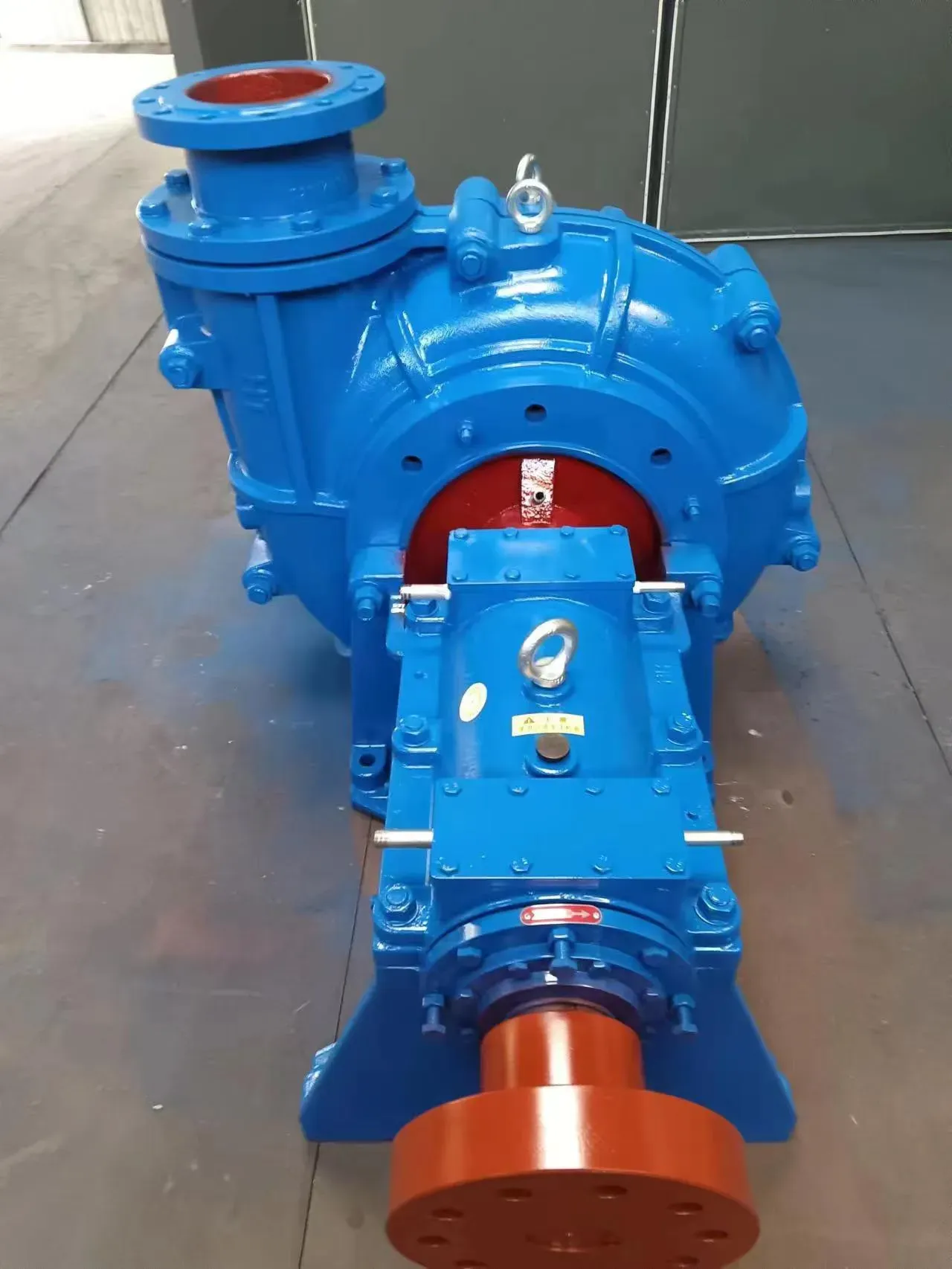
AH Slurry Pump Parts: Engineering Performance and Manufacturing Analysis
AH slurry pump parts represent critical components within the heavy-duty centrifugal pumping systems designed specifically for the transport of abrasive slurries. In the industrial chain, these parts—including impellers, liners, and suction covers—serve as the primary sacrificial barriers against the high-velocity impact of suspended solids. The technical positioning of these components is defined by their ability to maintain hydraulic efficiency while resisting extreme erosive wear. The core performance of AH slurry pump parts is governed by the synergy between metallurgical hardness and structural toughness, ensuring that the pump can operate in mining, mineral processing, and dredging environments where fluid mediums are characterized by high viscosity and high particle concentration.
Material Science & Manufacturing
The longevity of AH slurry pump parts is fundamentally dependent on the material science employed to combat abrasive wear and chemical corrosion. The primary materials utilized are High-Chrome Alloys (typically 27% Cr), Natural Rubber, and Duplex Stainless Steels. High-chrome white irons are engineered to form primary M7C3 carbides, which provide a hardness range of 60-65 HRC, essential for resisting the scouring action of coarse particles. Conversely, natural rubber liners are employed for finer, less angular particles where the "bounce-back" effect of the elastomer absorbs the kinetic energy of the slurry, preventing material loss.
The manufacturing process involves rigorous parameter control to ensure structural integrity. For metallic components, investment casting or sand casting is utilized, followed by a precise heat treatment cycle consisting of austenitizing and quenching to stabilize the martensitic matrix. For rubber-lined parts, a vulcanization process is employed where the rubber is bonded to a steel shell under high pressure and temperature, ensuring an airtight seal to prevent the corrosive slurry from reaching the structural housing. Precision machining via CNC grinding is applied to the impeller eye and wear plate interfaces to maintain tight clearances, which is critical for preventing internal recirculation and maximizing volumetric efficiency.
Performance & Engineering
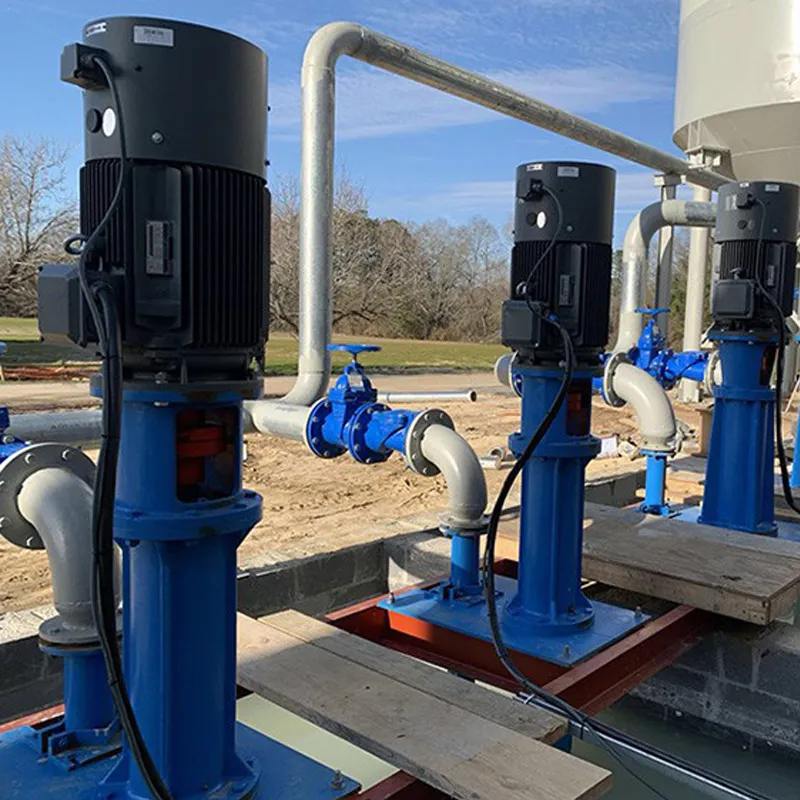
Engineering AH slurry pump parts requires a comprehensive force analysis, specifically focusing on the impingement angle of the slurry against the internal walls. The fluid dynamics are managed by optimizing the impeller vane geometry to reduce turbulence and cavitation, which are the primary precursors to premature material failure. Environmental resistance is addressed by analyzing the pH level of the slurry; for acidic or alkaline environments, chrome-alloy parts are substituted with specialized alloys containing molybdenum to prevent pitting corrosion.
Compliance requirements demand that these parts adhere to strict dimensional tolerances to ensure interchangeable compatibility across different pump frames. From a functional implementation standpoint, the balance between the impeller's mass and its rotational velocity is critical; dynamic balancing is performed to minimize vibration, which otherwise leads to accelerated bearing wear and mechanical seal failure. The engineering goal is to optimize the Wear Rate (WR) relative to the slurry velocity, ensuring that the transition from the suction zone to the discharge zone occurs with minimal energy loss and maximum component lifespan.
Technical Specifications
| Material Grade | Hardness (HRC/Shore A) | Corrosion Resistance | Primary Application |
|---|---|---|---|
| High Chrome (27% Cr) | 60 - 65 HRC | Moderate | Coarse Abrasive Slurries |
| Natural Rubber (NR) | 65 - 75 Shore A | High (Non-Oil) | Fine Sand / Tailings |
| Duplex Stainless Steel | 25 - 35 HRC | Very High | Corrosive Acid Slurries |
| High Manganese Steel | 20 - 25 HRC (Work Hardening) | Low | High Impact Environments |
| Polyurethane (PU) | 85 - 95 Shore A | Moderate | High-Pressure Fine Slurry |
| Chrome-Nickel Alloy | 50 - 55 HRC | High | Mixed Chemical-Abrasive |
Failure Mode & Maintenance
Failure analysis of AH slurry pump parts typically reveals three dominant modes: abrasive wear, cavitation erosion, and fatigue cracking. Abrasive wear manifests as gradual thinning of the liner and impeller vanes, leading to a drop in head pressure. Cavitation occurs when the Net Positive Suction Head (NPSH) is insufficient, causing vapor bubbles to collapse and create micro-jets that "pit" the metal surface, often appearing as a sponge-like texture. Fatigue cracking usually originates at the junction of the impeller vanes and the hub, driven by cyclic loading and vibration.
Professional maintenance protocols necessitate a scheduled inspection of the wear gap between the impeller and the suction cover. Once the gap exceeds the manufacturer's specification, the pump's efficiency drops significantly, and the risk of housing erosion increases. Maintenance solutions include the implementation of ultrasonic thickness gauging to monitor liner wear without dismantling the pump. For high-chrome parts, the use of hard-facing weld overlays (such as tungsten carbide) can be employed to extend the life of high-wear areas. Systematic alignment of the pump-motor shaft is mandatory during part replacement to prevent eccentric loading.
Industry FAQ
Q: How do I determine whether to use high-chrome or rubber liners for my AH pump?
A: The selection depends on the particle size and angularity. High-chrome alloys are superior for large, sharp, and hard particles that would cut through rubber. Rubber is preferred for smaller, rounded particles and applications where the slurry has higher impact energy but lower hardness, as rubber absorbs the impact.
Q: What is the primary indicator that the impeller requires replacement?
A: The most reliable indicators are a measurable decrease in discharge pressure (head) and an increase in the motor's current draw for the same flow rate, which suggests internal recirculation due to excessive wear gaps.
Q: Why is my pump experiencing premature failure despite using high-chrome parts?
A: This is often caused by "dry running" or cavitation. If the pump runs without sufficient slurry, the heat buildup can cause thermal cracking in the brittle high-chrome structure. Additionally, if the fluid is highly acidic, chemical corrosion may strip the passive layer, accelerating abrasive wear.
Q: How does the "work-hardening" property of manganese steel differ from high-chrome alloys?
A: Manganese steel starts relatively soft but hardens upon impact, making it ideal for high-impact, low-abrasion environments. High-chrome alloys are hard from the start and are designed for constant scouring abrasion rather than sudden heavy impacts.
Q: What is the recommended procedure for installing rubber-lined parts to avoid delamination?
A: Ensure the mating surfaces are chemically clean and dry. Use an approved bonding agent if applicable, and torque the bolts in a star pattern to the exact specifications to ensure uniform compression of the rubber against the shell, preventing voids where slurry could penetrate.
Conclusion
The operational efficiency of AH slurry pumps is inextricably linked to the material integrity and precision engineering of their internal parts. By balancing the hardness of high-chrome alloys with the elasticity of rubber liners, operators can mitigate the destructive effects of erosion and corrosion. The transition from reactive replacement to a predictive maintenance strategy, based on technical failure mode analysis and precise wear monitoring, is essential for reducing downtime in industrial processing plants.
Looking forward, the integration of advanced composite materials and 3D-printed optimized impeller geometries promises to further reduce fluid friction and extend the mean time between failures (MTBF). Engineering teams must continue to prioritize the alignment of material selection with the specific chemical and physical properties of the handled slurry to ensure sustainable and cost-effective hydraulic transport.
-
Sewage Pump Company Performance and Engineering
News2026-05-24
-
sewage pump 1/2 hp Performance Analysis
News2026-05-24
-
Sewage Ejector Systems Performance Analysis
News2026-05-24
-
Sewage Ejection System Material Science and Manufacturing
News2026-05-24
-
sewage and effluent pumps Performance Engineering
News2026-05-24
-
pump for sewage water Performance Analysis
News2026-05-23
-
plumbing sewage ejector pump Performance Engineering
News2026-05-23
-
home sewer pump station Performance and Engineering
News2026-05-23
-
high pressure sump pump Performance Analysis
News2026-05-23
-
high head effluent pump Performance Analysis
News2026-05-23
-
Effluent vs Sump Pump Performance Analysis
News2026-05-22
-
effluent septic pump Performance Engineering
News2026-05-22
-
best sewer pumps Performance Engineering
News2026-05-22
-
best sewer pump Performance Analysis
News2026-05-22
-
best sewage pumps Performance Engineering
News2026-05-22




