English
- Afrikaans
- Albanian
- Amharic
- Arabic
- Armenian
- Azerbaijani
- Basque
- Belarusian
- Bengali
- Bosnian
- Bulgarian
- Catalan
- Cebuano
- Corsican
- Croatian
- Czech
- Danish
- Dutch
- English
- Esperanto
- Estonian
- Finnish
- French
- Frisian
- Galician
- Georgian
- German
- Greek
- Gujarati
- Haitian Creole
- hausa
- hawaiian
- Hebrew
- Hindi
- Miao
- Hungarian
- Icelandic
- igbo
- Indonesian
- irish
- Italian
- Japanese
- Javanese
- Kannada
- kazakh
- Khmer
- Rwandese
- Korean
- Kurdish
- Kyrgyz
- Lao
- Latin
- Latvian
- Lithuanian
- Luxembourgish
- Macedonian
- Malgashi
- Malay
- Malayalam
- Maltese
- Maori
- Marathi
- Mongolian
- Myanmar
- Nepali
- Norwegian
- Norwegian
- Occitan
- Pashto
- Persian
- Polish
- Portuguese
- Punjabi
- Romanian
- Russian
- Samoan
- Scottish Gaelic
- Serbian
- Sesotho
- Shona
- Sindhi
- Sinhala
- Slovak
- Slovenian
- Somali
- Spanish
- Sundanese
- Swahili
- Swedish
- Tagalog
- Tajik
- Tamil
- Tatar
- Telugu
- Thai
- Turkish
- Turkmen
- Ukrainian
- Urdu
- Uighur
- Uzbek
- Vietnamese
- Welsh
- Bantu
- Yiddish
- Yoruba
- Zulu

Telephone: +86 13120555503
Email: frank@cypump.com


Apr . 01, 2024 17:55 Back to list
AH Slurry Pump Manufacturers Manufacturing Specifications and Performance Analysis
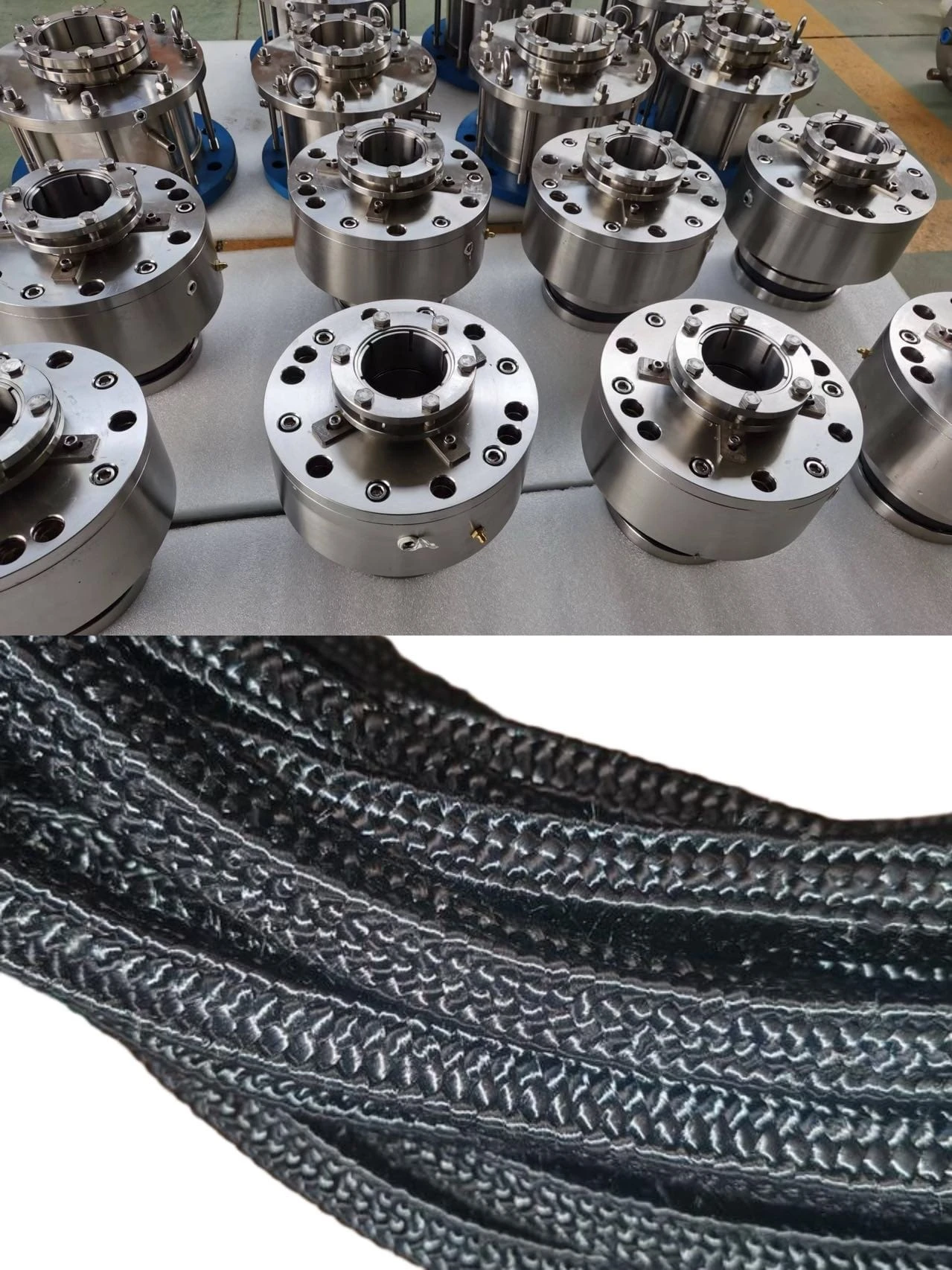
AH Slurry Pump Manufacturing Specifications and Performance Analysis
The AH slurry pump represents a critical engineering benchmark in the transport of abrasive and corrosive fluids within the mining, mineral processing, and chemical industries. As a heavy-duty centrifugal pump, the AH series is specifically engineered to handle high-density slurries containing solid particles that would cause rapid erosion in standard water pumps. For AH slurry pump manufacturers, the technical challenge lies in balancing hydraulic efficiency with extreme wear resistance. Positioned centrally in the industrial value chain—between raw material extraction and refinement—these pumps must maintain operational stability under fluctuating viscosity and particle concentrations. The core performance of an AH slurry pump is defined by its ability to maintain a high Net Positive Suction Head (NPSH) while resisting the aggressive scouring action of particulate matter, ensuring prolonged Mean Time Between Failures (MTBF) in the most demanding industrial environments.
Material Science & Manufacturing
The manufacturing of AH slurry pumps is rooted in advanced metallurgy and precision casting to combat the dual threats of abrasion and corrosion. AH slurry pump manufacturers typically employ High-Chrome (Hi-Cr) alloys, specifically ASTM A532 Class III Type A, which consists of a martensitic matrix embedded with primary M7C3 carbides. These carbides provide the requisite hardness (typically HRC 60-65) to resist the sliding and impacting abrasion of mineral ores. In environments where chemical corrosion is the primary failure driver, duplex stainless steels or specialized rubber linings (such as Natural Rubber or Butyl Rubber) are utilized. The rubber lining approach focuses on the "elastic deformation" principle, where the material absorbs the energy of particle impact rather than succumbing to surface material loss.
The production process begins with precision investment casting or sand casting, followed by a rigorous heat treatment cycle—including austenitizing and quenching—to optimize the carbide distribution. Key parameter control is exerted during the machining of the impeller and volute; the tolerances must be tight enough to minimize internal recirculation (which accelerates wear) but wide enough to prevent clogging. Dynamic balancing of the impeller is a non-negotiable manufacturing step, conducted to G2.5 standards or better, to eliminate vibrational stresses that could lead to premature bearing failure or shaft fatigue. Furthermore, the welding of the pump casing involves specialized pre-heating and post-weld heat treatment (PWHT) to prevent the formation of brittle zones in the heat-affected zone (HAZ).
Performance & Engineering
Engineering an AH slurry pump requires a complex force analysis of the fluid-structure interaction. The primary engineering focus is the optimization of the impeller vane geometry to reduce local turbulence and high-velocity zones, which are the primary catalysts for localized erosion. Manufacturers utilize Computational Fluid Dynamics (CFD) to map the velocity vectors within the volute, ensuring that the slurry velocity remains below the critical erosion threshold while maintaining the required head and flow rate. The engineering of the stuffing box and sealing system is equally critical; the transition from traditional gland packing to mechanical seals with external flushing (API Plan 32 or 54) is essential to prevent abrasive particles from entering the seal faces.
Environmental resistance is addressed through the integration of heavy-duty bearing housings and lubrication systems capable of operating in extreme ambient temperatures. Compliance requirements dictate that these pumps meet stringent vibration and noise emission standards. From a functional implementation perspective, the "heavy-duty" nature of the AH series is realized through a robust frame design that minimizes deflection under maximum load. The interaction between the impeller diameter and the pump casing is carefully calibrated; by allowing for the adjustment of the impeller diameter, engineers can fine-tune the pump to the specific duty point of the application, thereby maximizing energy efficiency and reducing the specific energy consumption (SEC) per cubic meter of slurry moved.
Technical Specifications
| Parameter Dimension | High-Chrome Alloy Specification | Natural Rubber Lined Specification | Duplex Stainless Specification | Testing Standard |
|---|---|---|---|---|
| Hardness (Rockwell C) | 60 - 65 HRC | 60 - 80 Shore A | 25 - 35 HRC | ASTM E18 |
| Max Particle Size (mm) | Up to 15 mm | Up to 10 mm | Up to 8 mm | ISO 10816 |
| Abrasion Resistance | Extreme (High Impact) | High (Low Impact) | Moderate (Chemical) | ASTM G65 |
| Max Operating Temp (°C) | Up to 250°C | Up to 70°C | Up to 150°C | ISO 23936 |
| Corrosion Resistance | Moderate | Excellent (Acids) | Extreme (Chlorides) | ASTM G48 |
| Typical MTBF (Hours) | 8,000 - 12,000 | 6,000 - 10,000 | 10,000 - 15,000 | Manufacturer Data |
Failure Mode & Maintenance
Analysis of field failures in AH slurry pumps reveals several recurring modes. The most prevalent is "localized erosion-corrosion," where the protective oxide layer of the metal is mechanically stripped away by abrasive particles, exposing fresh metal to rapid chemical attack. This often occurs at the impeller eye and the volute tongue. Another critical failure mode is "cavitation-induced pitting," which occurs when the NPSH available falls below the NPSH required, creating vapor bubbles that collapse violently against the impeller surface, leading to material fatigue and pitting.
Shaft failure often manifests as "fatigue cracking" due to excessive radial loads or misalignment between the pump and the motor. To mitigate these risks, AH slurry pump manufacturers recommend a rigorous preventive maintenance schedule. This includes the implementation of vibration monitoring (accelerometers) to detect early signs of bearing wear or imbalance. Maintenance protocols must include the regular inspection of the liner thickness using ultrasonic testing (UT) to determine the exact wear rate and schedule replacements before the base metal is compromised. For sealing systems, the flushing water pressure must be maintained at 1-2 bar above the pump discharge pressure to ensure that no slurry penetrates the seal chamber, which would cause immediate catastrophic failure of the mechanical seal faces.
Industry FAQ
Q: How do I determine whether to choose High-Chrome or Rubber-Lined materials for my AH pump?
A: The selection depends on the particle size and the nature of the abrasion. High-Chrome alloys are superior for large, sharp particles and high-impact conditions (e.g., tailings with high quartz content). Rubber lining is preferred for fine-particle slurries with high velocities and where chemical corrosion from acids is a concern, as rubber provides better resilience and chemical inertness.
Q: What is the impact of slurry density on the pump's total dynamic head (TDH)?
A: Increased slurry density increases the fluid viscosity and the overall mixture density, which typically results in a decrease in the pump's efficiency and a slight reduction in the total dynamic head compared to water. Engineers must apply a "slurry correction factor" to the water performance curves to accurately predict the actual head and power requirements.
Q: Why is the pump experiencing excessive vibration despite correct alignment?
A: Excessive vibration in AH pumps is often caused by internal recirculation or uneven wear of the impeller. When an impeller wears unevenly, it becomes hydraulically and mechanically unbalanced. Additionally, operating the pump too far from its Best Efficiency Point (BEP) can induce radial thrust loads that cause shaft deflection and vibration.
Q: How can I extend the service life of the impeller in highly abrasive environments?
A: The most effective method is to optimize the operating speed (RPM). Reducing the speed while increasing the impeller diameter (if the casing allows) can maintain the required flow rate while significantly reducing the impingement velocity of particles, which follows a cubic relationship with wear rate. Additionally, ensuring a constant suction head to prevent cavitation is vital.
Q: What are the signs that the pump liner needs immediate replacement?
A: The primary indicator is a noticeable drop in discharge pressure and flow rate at a constant RPM, signaling that the internal clearances have increased due to wear. Furthermore, an increase in motor current (due to turbulence) or the detection of "washout" patterns during visual inspections of the casing exterior are critical warning signs.
Conclusion
The technical integrity of an AH slurry pump is predicated on the synergy between metallurgical hardness and hydraulic precision. By integrating High-Chrome alloys and advanced CFD-driven designs, manufacturers can effectively mitigate the destructive forces of abrasion and corrosion. The ability to maintain operational efficiency under extreme particulate loads is not merely a result of material selection, but of a comprehensive engineering approach that addresses everything from dynamic balancing to the precise control of NPSH.
Looking forward, the industry is shifting toward "intelligent pumping" through the integration of IoT sensors for real-time wear monitoring and predictive maintenance. For procurement managers and engineers, the focus must remain on the Total Cost of Ownership (TCO) rather than initial capital expenditure, as the longevity of the internal components and the reduction of unscheduled downtime provide the true economic value in heavy-industrial slurry transport.
-
Sewage Pump Company Performance and Engineering
News2026-05-24
-
sewage pump 1/2 hp Performance Analysis
News2026-05-24
-
Sewage Ejector Systems Performance Analysis
News2026-05-24
-
Sewage Ejection System Material Science and Manufacturing
News2026-05-24
-
sewage and effluent pumps Performance Engineering
News2026-05-24
-
pump for sewage water Performance Analysis
News2026-05-23
-
plumbing sewage ejector pump Performance Engineering
News2026-05-23
-
home sewer pump station Performance and Engineering
News2026-05-23
-
high pressure sump pump Performance Analysis
News2026-05-23
-
high head effluent pump Performance Analysis
News2026-05-23
-
Effluent vs Sump Pump Performance Analysis
News2026-05-22
-
effluent septic pump Performance Engineering
News2026-05-22
-
best sewer pumps Performance Engineering
News2026-05-22
-
best sewer pump Performance Analysis
News2026-05-22
-
best sewage pumps Performance Engineering
News2026-05-22




