English
- Afrikaans
- Albanian
- Amharic
- Arabic
- Armenian
- Azerbaijani
- Basque
- Belarusian
- Bengali
- Bosnian
- Bulgarian
- Catalan
- Cebuano
- Corsican
- Croatian
- Czech
- Danish
- Dutch
- English
- Esperanto
- Estonian
- Finnish
- French
- Frisian
- Galician
- Georgian
- German
- Greek
- Gujarati
- Haitian Creole
- hausa
- hawaiian
- Hebrew
- Hindi
- Miao
- Hungarian
- Icelandic
- igbo
- Indonesian
- irish
- Italian
- Japanese
- Javanese
- Kannada
- kazakh
- Khmer
- Rwandese
- Korean
- Kurdish
- Kyrgyz
- Lao
- Latin
- Latvian
- Lithuanian
- Luxembourgish
- Macedonian
- Malgashi
- Malay
- Malayalam
- Maltese
- Maori
- Marathi
- Mongolian
- Myanmar
- Nepali
- Norwegian
- Norwegian
- Occitan
- Pashto
- Persian
- Polish
- Portuguese
- Punjabi
- Romanian
- Russian
- Samoan
- Scottish Gaelic
- Serbian
- Sesotho
- Shona
- Sindhi
- Sinhala
- Slovak
- Slovenian
- Somali
- Spanish
- Sundanese
- Swahili
- Swedish
- Tagalog
- Tajik
- Tamil
- Tatar
- Telugu
- Thai
- Turkish
- Turkmen
- Ukrainian
- Urdu
- Uighur
- Uzbek
- Vietnamese
- Welsh
- Bantu
- Yiddish
- Yoruba
- Zulu

Telephone: +86 13120555503
Email: frank@cypump.com


Apr . 01, 2024 17:55 Back to list
AH Slurry Pump Manufacturer Manufacturing Specifications and Performance Analysis
AH Slurry Pump Manufacturing Specifications and Performance Analysis
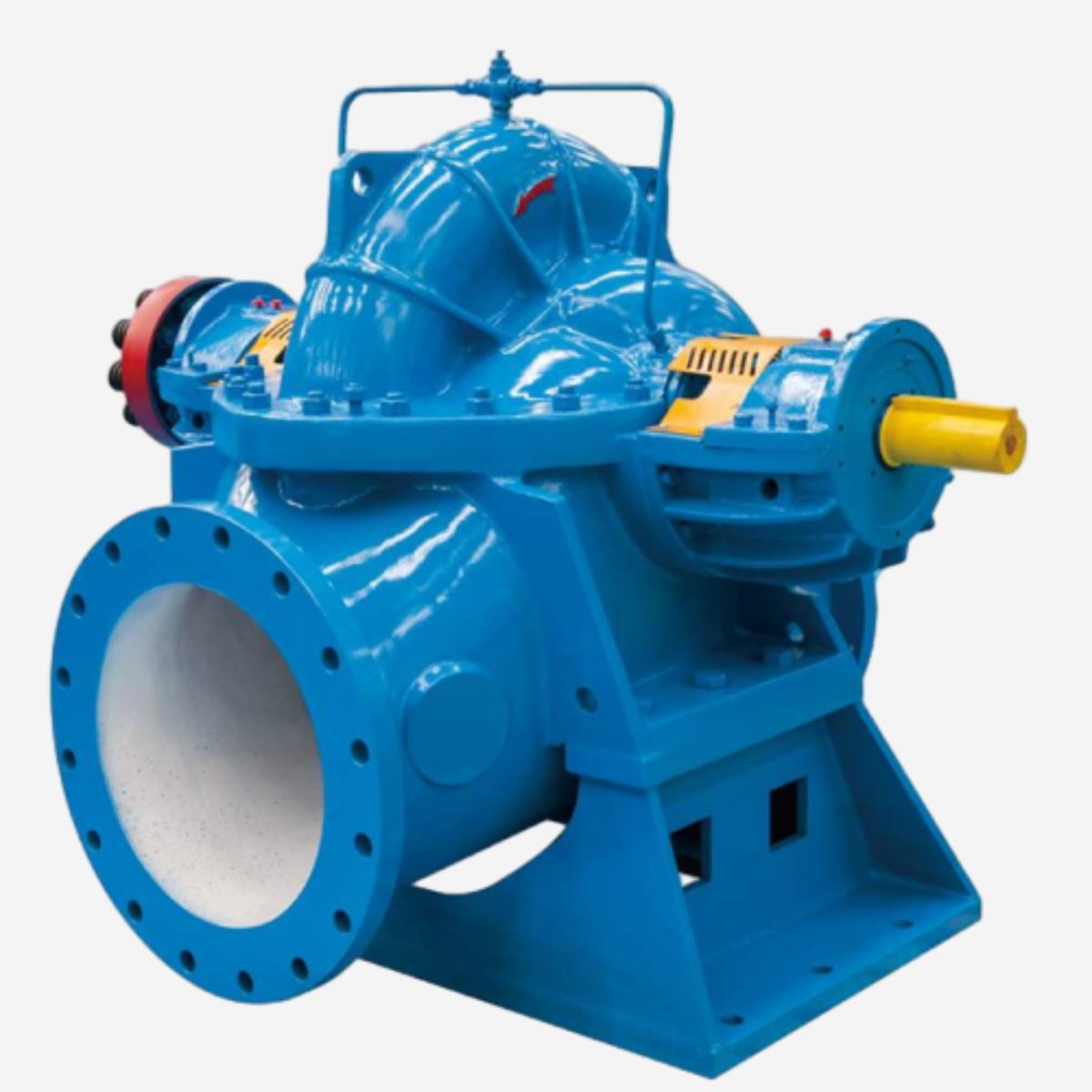
The AH slurry pump represents a critical engineering benchmark in the transport of abrasive and corrosive fluids within the mining, mineral processing, and dredging industries. As a heavy-duty centrifugal pump, the AH series is specifically engineered to handle high-concentration slurries, where the primary technical challenge lies in balancing hydraulic efficiency with extreme wear resistance. In the industrial value chain, the ah slurry pump manufacturer occupies a pivotal position, bridging the gap between raw material extraction and refined processing. The core performance of these systems is defined by their ability to maintain a constant volumetric flow rate while resisting the erosive forces of particulate matter, which can lead to rapid degradation of internal components if the metallurgy and hydraulic design are not meticulously synchronized. This guide provides an exhaustive technical analysis of the material science, engineering tolerances, and failure modes associated with high-performance slurry pumping systems.
Material Science & Manufacturing
The operational longevity of an AH slurry pump is directly proportional to the tribological properties of its wetted parts. The ah slurry pump manufacturer must employ advanced metallurgy to counteract the synergistic effects of abrasion and corrosion. The primary materials utilized include High-Chrome Alloys (e.g., ASTM A532), which provide a hard martensitic matrix embedded with primary chromium carbides (M7C3), ensuring a surface hardness typically exceeding 60 HRC. For applications involving high acidity or salinity, duplex stainless steels or specialized rubber linings (such as natural rubber or nitrile) are implemented to provide a resilient barrier that absorbs the kinetic energy of impacting particles.
The manufacturing process begins with precision casting, where the mold design must account for shrinkage rates of high-chrome alloys to prevent internal porosity. Following casting, components undergo rigorous heat treatment, including quenching and tempering, to optimize the grain structure and eliminate internal stresses. The machining phase requires the use of CNC grinding and milling to achieve strict tolerances on the impeller eye and the volute casing interface, minimizing the gap between the impeller and the liner. This precision is critical to prevent "recirculation wear," where fluid eddies accelerate the erosion of the casing. Furthermore, the assembly process incorporates a heavy-duty bearing housing and a shaft designed for high torsional rigidity, ensuring that deflection is minimized under the load of high-density solids.
Performance & Engineering
Engineering an AH slurry pump requires a deep understanding of fluid dynamics in non-Newtonian flows. The primary objective is to optimize the Net Positive Suction Head required (NPSHr) to prevent cavitation, which is exacerbated by the presence of solids. The impeller design utilizes a semi-open or closed geometry with optimized vane angles to maintain laminar flow as much as possible, reducing the turbulence that triggers localized erosion. Force analysis is applied to the shaft and bearings to handle the radial thrust generated when the pump operates away from its Best Efficiency Point (BEP). This is achieved through the use of heavy-duty spherical roller bearings and reinforced shaft sleeves.
Environmental resistance is another critical engineering pillar. In open-pit mining or coastal dredging, the pump must withstand ambient temperature extremes and corrosive atmospheres. The sealing system, typically comprising a gland packing or a mechanical seal with a flushing arrangement, is engineered to prevent the leakage of abrasive slurry into the bearing housing. The hydraulic performance is further refined through Computational Fluid Dynamics (CFD) modeling, which allows the ah slurry pump manufacturer to identify "hot spots" of high velocity within the volute, leading to the strategic reinforcement of liner thickness in those specific zones to ensure uniform wear across the pump's interior.
Technical Specifications
| Pump Model Series | Max Flow Rate (m³/h) | Max Head (m) | Material Grade | Max Particle Size (mm) | Max Operating Temp (°C) |
|---|---|---|---|---|---|
| AH-3/45 | 150 - 300 | 45 | High-Chrome Alloy | 8.0 | 90 |
| AH-6/65 | 400 - 800 | 65 | Natural Rubber Lined | 12.0 | 60 |
| AH-8/80 | 800 - 1500 | 80 | Duplex Stainless | 15.0 | 110 |
| AH-10/100 | 1200 - 2500 | 100 | High-Chrome Alloy | 20.0 | 90 |
| AH-12/120 | 2000 - 4000 | 120 | Hardened Alloy Steel | 25.0 | 90 |
| AH-15/150 | 3000 - 6000 | 150 | Ceramic-Composite | 30.0 | 120 |
Failure Mode & Maintenance
The failure modes of AH slurry pumps are predominantly linked to the aggressive nature of the pumped medium. The most common failure is abrasive wear (erosion), characterized by the gradual thinning of the impeller vanes and volute liners. This occurs when the impact angle of the solids is between 20 and 40 degrees, leading to micro-cutting of the material surface. Another critical failure mode is cavitation erosion, appearing as pitting on the impeller eye, caused by the formation and collapse of vapor bubbles due to insufficient NPSH. In chemically aggressive environments, stress corrosion cracking (SCC) can occur in the shaft or casing if the metallurgy is not correctly matched to the pH level of the slurry.
Professional maintenance requires a predictive approach based on wear-monitoring protocols. Maintenance engineers should implement regular ultrasonic thickness measurements of the liner to determine the remaining service life and schedule replacements before the casing wall is breached. To mitigate fatigue cracking, the shaft alignment must be verified using laser alignment tools during every overhaul. For the sealing system, the transition from gland packing to mechanical seals with an external flushing system (Plan 32 or 54) is recommended to reduce the friction-induced heat and prolong the life of the shaft sleeve. Lubrication analysis of the bearing oil is also essential to detect the presence of particulate ingress, which signals a failure in the primary seal.
Industry FAQ
Q: How do we determine the optimal liner material between High-Chrome and Natural Rubber?
A: The selection depends on the particle size and hardness. High-Chrome alloys are superior for large, hard, and sharp particles that would tear rubber. Conversely, Natural Rubber is ideal for fine, abrasive particles with high impact energy, as the elastomer absorbs the impact rather than resisting it through hardness.
Q: What is the primary cause of premature impeller failure in high-density slurry applications?
A: The primary cause is typically "recirculation wear" or operating the pump too far from its Best Efficiency Point (BEP). This creates high-velocity vortices that accelerate local erosion. Ensuring the pump is sized correctly for the specific gravity of the slurry is paramount.
Q: How does the ah slurry pump manufacturer manage shaft deflection in larger models?
A: For larger AH models, we employ oversized shaft diameters and reinforced bearing housings. We also utilize tapered shaft designs and high-precision spherical roller bearings that can accommodate minor misalignments without inducing fatigue stress.
Q: Can these pumps handle slurries with a pH level below 4 or above 10?
A: Standard High-Chrome alloys have limited resistance to extreme pH levels. For highly acidic or alkaline slurries, we specify duplex stainless steels or specialized polymer linings to prevent chemical corrosion from accelerating abrasive wear.
Q: What is the recommended frequency for checking the clearance between the impeller and the suction liner?
A: In high-wear environments, clearances should be inspected every 500 to 1,000 operating hours. Excessive clearance leads to significant loss in volumetric efficiency and increases the risk of internal turbulence and erosion.
Conclusion
The engineering of AH slurry pumps is a sophisticated balance of material science and hydraulic optimization. By integrating high-chrome metallurgy with precision CNC manufacturing and CFD-verified geometries, the ah slurry pump manufacturer ensures that these systems can withstand the most punishing industrial environments. The technical density of the design—from the martensitic matrix of the alloys to the rigorous control of NPSHr—is what allows for the reliable transport of abrasive solids over extended operational lifecycles.
Moving forward, the industry is shifting toward "smart pumping" systems, where embedded sensors provide real-time wear data and vibration analysis to shift maintenance from reactive to predictive. For procurement managers and engineers, the focus must remain on the synergy between material selection and operational parameters, as this remains the only viable method to reduce Total Cost of Ownership (TCO) and maximize plant uptime in mineral processing and heavy industry.
-
Sewage Pump Company Performance and Engineering
News2026-05-24
-
sewage pump 1/2 hp Performance Analysis
News2026-05-24
-
Sewage Ejector Systems Performance Analysis
News2026-05-24
-
Sewage Ejection System Material Science and Manufacturing
News2026-05-24
-
sewage and effluent pumps Performance Engineering
News2026-05-24
-
pump for sewage water Performance Analysis
News2026-05-23
-
plumbing sewage ejector pump Performance Engineering
News2026-05-23
-
home sewer pump station Performance and Engineering
News2026-05-23
-
high pressure sump pump Performance Analysis
News2026-05-23
-
high head effluent pump Performance Analysis
News2026-05-23
-
Effluent vs Sump Pump Performance Analysis
News2026-05-22
-
effluent septic pump Performance Engineering
News2026-05-22
-
best sewer pumps Performance Engineering
News2026-05-22
-
best sewer pump Performance Analysis
News2026-05-22
-
best sewage pumps Performance Engineering
News2026-05-22




