English
- Afrikaans
- Albanian
- Amharic
- Arabic
- Armenian
- Azerbaijani
- Basque
- Belarusian
- Bengali
- Bosnian
- Bulgarian
- Catalan
- Cebuano
- Corsican
- Croatian
- Czech
- Danish
- Dutch
- English
- Esperanto
- Estonian
- Finnish
- French
- Frisian
- Galician
- Georgian
- German
- Greek
- Gujarati
- Haitian Creole
- hausa
- hawaiian
- Hebrew
- Hindi
- Miao
- Hungarian
- Icelandic
- igbo
- Indonesian
- irish
- Italian
- Japanese
- Javanese
- Kannada
- kazakh
- Khmer
- Rwandese
- Korean
- Kurdish
- Kyrgyz
- Lao
- Latin
- Latvian
- Lithuanian
- Luxembourgish
- Macedonian
- Malgashi
- Malay
- Malayalam
- Maltese
- Maori
- Marathi
- Mongolian
- Myanmar
- Nepali
- Norwegian
- Norwegian
- Occitan
- Pashto
- Persian
- Polish
- Portuguese
- Punjabi
- Romanian
- Russian
- Samoan
- Scottish Gaelic
- Serbian
- Sesotho
- Shona
- Sindhi
- Sinhala
- Slovak
- Slovenian
- Somali
- Spanish
- Sundanese
- Swahili
- Swedish
- Tagalog
- Tajik
- Tamil
- Tatar
- Telugu
- Thai
- Turkish
- Turkmen
- Ukrainian
- Urdu
- Uighur
- Uzbek
- Vietnamese
- Welsh
- Bantu
- Yiddish
- Yoruba
- Zulu

Telephone: +86 13120555503
Email: frank@cypump.com


Apr . 01, 2024 17:55 Back to list
ah slurry pump factory Manufacturing Specifications and Performance Analysis
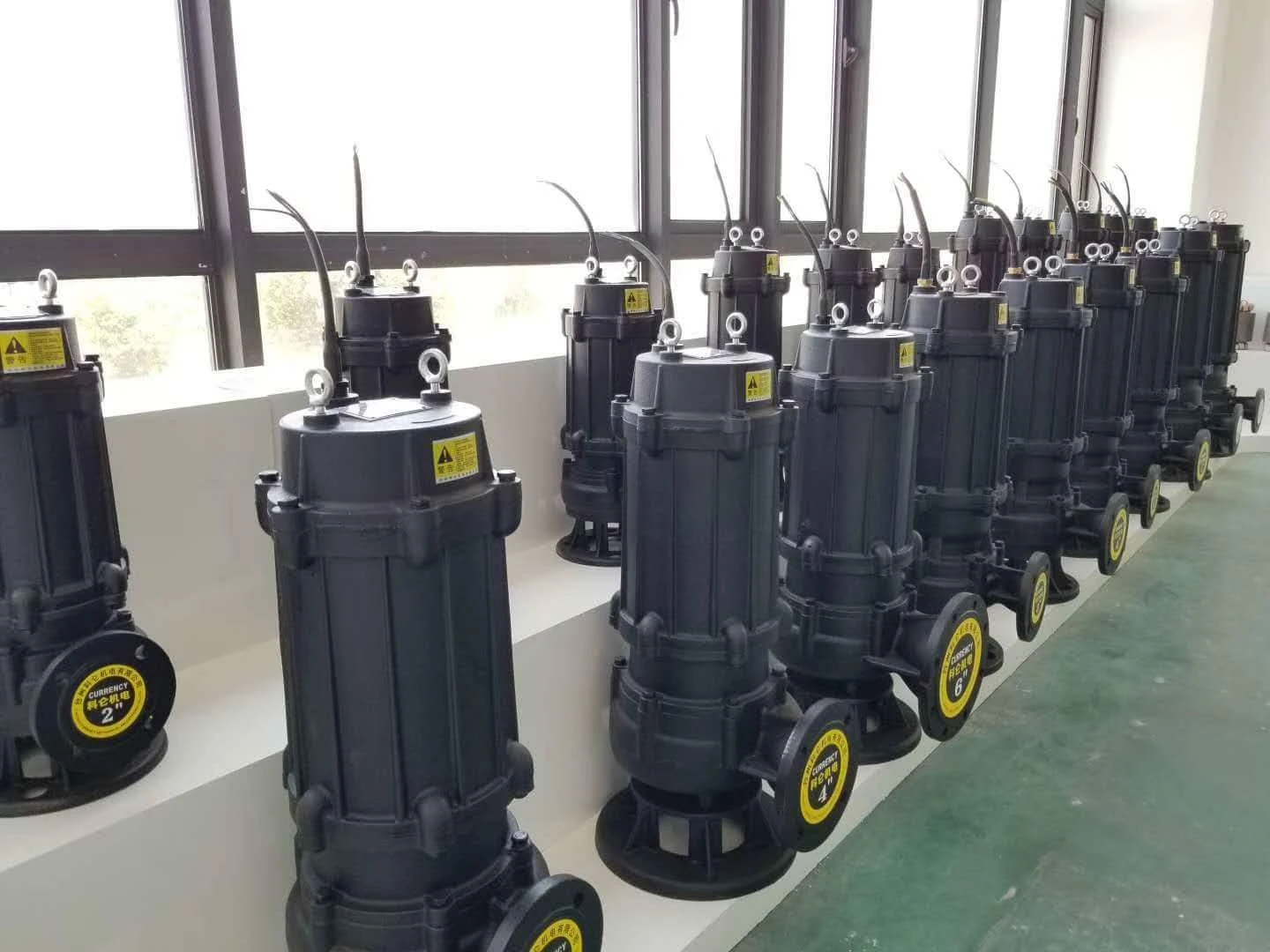
AH Slurry Pump Manufacturing Specifications and Performance Analysis
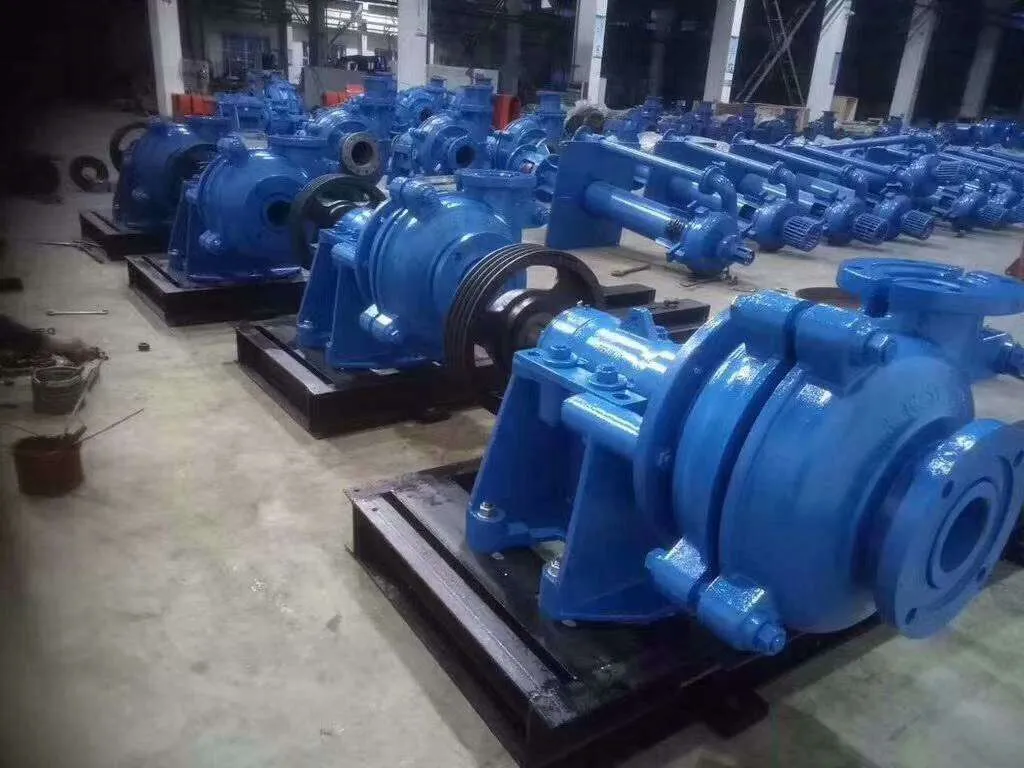
The AH series slurry pump represents a critical engineering benchmark in the transport of abrasive and corrosive fluids across the mining, dredging, and chemical processing industries. Characterized by its heavy-duty horizontal design, the AH slurry pump is engineered to handle high-density slurries containing suspended solid particles without compromising hydraulic efficiency or structural integrity. In the industrial value chain, these pumps function as the primary motive force for tailings management, mineral processing, and waste treatment. The core technical objective of an AH slurry pump factory is to optimize the trade-off between volumetric efficiency and wear resistance, ensuring that the pump can maintain a constant flow rate while operating under extreme erosive conditions. This guide provides a comprehensive technical decomposition of the metallurgy, fluid dynamics, and failure analysis associated with high-performance AH slurry pumps.
Material Science & Manufacturing
The longevity of an AH slurry pump is fundamentally determined by the metallurgical composition of its wetted parts. An ah slurry pump factory must implement rigorous material selection based on the chemical profile and particle morphology of the medium. The primary materials utilized include High-Chrome Alloys (27% Cr), Natural Rubber, and Duplex Stainless Steels.
1. High-Chrome Metallurgy: For highly abrasive slurries, High-Chrome White Iron (ASTM A532) is employed. The microstructure consists of hard chromium carbides embedded in a martensitic matrix. The hardness, typically ranging from 600 to 700 HB, provides superior resistance to scouring. The manufacturing process involves precise vacuum induction melting followed by controlled quenching and tempering to prevent internal stresses and brittle fracture.
2. Elastomeric Liners: In applications involving smaller, sharper particles, natural rubber liners are preferred. These materials utilize a high-molecular-weight polymer structure that absorbs the kinetic energy of impacting particles, effectively "bouncing" them off the surface rather than allowing them to erode the metal. The vulcanization process is critical here; improper curing leads to premature delamination and thermal degradation.
3. Precision Manufacturing Processes: The production flow begins with investment casting for the impeller and volute to ensure dimensional accuracy and minimal machining requirements. The impeller is subjected to dynamic balancing to ISO 1940 standards to eliminate centrifugal vibrations that would otherwise accelerate bearing failure. The shaft is typically forged from 42CrMo alloy steel, heat-treated for optimal tensile strength, and precision-ground to ensure a seamless fit with the mechanical seals and bearings.
Performance & Engineering
The engineering of AH slurry pumps focuses on the optimization of the Net Positive Suction Head (NPSH) and the reduction of turbulent eddies within the volute. Slurry transport is governed by the critical carrying velocity—the minimum velocity required to prevent solid particles from settling and clogging the pipeline.
Fluid Dynamic Analysis: The AH pump utilizes a semi-open impeller design to reduce the risk of plugging while maintaining sufficient head pressure. The volute is designed with a gradual expansion area to convert kinetic energy into static pressure efficiently. Engineers employ Computational Fluid Dynamics (CFD) to map the velocity vectors of the slurry, identifying high-wear zones (hotspots) where the fluid velocity exceeds the erosive threshold of the material.
Force and Load Distribution: Due to the high specific gravity of slurries (often exceeding 1.3 SG), the radial thrust on the shaft is significantly higher than in clean water pumps. To counteract this, the AH pump utilizes heavy-duty spherical roller bearings and a robust bearing housing designed for high radial loads. The seal assembly—typically a combination of a gland packer or a mechanical seal with a flushing system—prevents the ingress of abrasive particles into the bearing chamber, which would cause immediate catastrophic failure.
Environmental Resistance: In corrosive environments, such as acid leaching in gold mining, the factory integrates Duplex stainless steel (ASTM A890) to provide a synergistic effect of corrosion resistance and mechanical strength, preventing pitting and stress corrosion cracking (SCC).
Technical Specifications
| Model Series | Max Flow Rate (m³/h) | Max Discharge Head (m) | Max Particle Size (mm) | Lining Material | Operating Temp (°C) |
|---|---|---|---|---|---|
| AH3/45 | 120 | 45 | 8 | High-Chrome/Rubber | -10 to 90 |
| AH6/65 | 450 | 65 | 12 | High-Chrome/Rubber | -10 to 90 |
| AH10/85 | 900 | 85 | 15 | High-Chrome/Rubber | -10 to 90 |
| AH15/110 | 1600 | 110 | 20 | High-Chrome/Rubber | -10 to 90 |
| AH20/130 | 2500 | 130 | 25 | High-Chrome/Rubber | -10 to 90 |
| AH25/150 | 3500 | 150 | 30 | High-Chrome/Rubber | -10 to 90 |
Failure Mode & Maintenance
Operational failure in AH slurry pumps is rarely sudden; it is usually the result of progressive degradation. A detailed failure analysis reveals four primary modes:
1. Erosive Wear: This is the most common failure mode, characterized by the gradual thinning of the impeller vanes and volute liners. When the flow velocity deviates from the design point, localized turbulence causes "accelerated erosion." Maintenance involves monitoring the pump's head-flow curve; a drop in discharge pressure typically indicates that the internal clearances have widened due to wear.
2. Cavitation Erosion: Occurs when the NPSH available is lower than the NPSH required. Vapor bubbles collapse violently against the impeller surface, creating microscopic pits that eventually lead to structural failure. This is mitigated by increasing the suction head or reducing the fluid temperature.
3. Bearing Fatigue and Seizure: Contamination of the lubricant by slurry particles leads to abrasive wear of the bearing races. This results in increased vibration and thermal expansion, eventually causing the shaft to seize. The solution is the implementation of a pressurized oil-film seal or a rigorous lubrication schedule.
4. Seal Leakage and Gland Erosion: The interface between the rotating shaft and the stationary housing is a high-stress zone. Excessive tightening of gland packing can score the shaft, while insufficient tightening leads to slurry leakage. Maintenance involves replacing packing rings every 500-1000 operational hours and polishing the shaft sleeve to a mirror finish (Ra < 0.8 μm).
Industry FAQ
Q: How do we determine whether to use High-Chrome or Rubber lining for an AH pump?
A: The selection depends on the particle size and hardness. For large, coarse particles with high hardness (e.g., quartz or granite), High-Chrome alloys are required for their surface hardness. For smaller, finer particles that exhibit high impact but lower abrasion, Natural Rubber is superior as it absorbs impact energy rather than resisting it through hardness.
Q: Why is the pump experiencing excessive vibration despite proper balancing of the impeller?
A: Excessive vibration in AH pumps is often not caused by imbalance, but by "slurry slugs" or non-homogeneous flow, which creates uneven hydraulic loads. Additionally, check for misalignment between the pump and the motor or wear in the spherical roller bearings, which can allow the shaft to deviate from its axis.
Q: What is the impact of slurry density on the motor power requirements?
A: Power consumption is directly proportional to the specific gravity (SG) of the fluid. As the density increases, the torque required to rotate the impeller increases linearly. Engineers must size the motor with a safety margin (typically 15-20%) to account for fluctuations in slurry concentration and prevent motor overload during start-up.
Q: How can we extend the Mean Time Between Failures (MTBF) for the impeller?
A: MTBF can be extended by maintaining the pump at its Best Efficiency Point (BEP). Operating too far to the left or right of the BEP increases internal recirculation and turbulence, which accelerates wear. Additionally, utilizing variable frequency drives (VFDs) allows for precise speed control to match the critical carrying velocity without over-accelerating the fluid.
Q: What are the signs of impending cavitation in an AH slurry pump?
A: The most prominent sign is a characteristic "marbles in the pump" sound, accompanied by erratic discharge pressure and a noticeable drop in flow rate. If cavitation is suspected, check for obstructions in the suction line or verify if the slurry viscosity has increased beyond design parameters.
Conclusion
The AH slurry pump is a sophisticated piece of industrial machinery where material science and fluid dynamics converge to solve the challenge of transporting abrasive media. Success in this application depends not only on the initial manufacturing quality—specifically the metallurgical integrity of the chrome alloys and the precision of the casting—but also on the rigorous alignment of operational parameters with the pump's hydraulic design. By focusing on the critical carrying velocity and the minimization of turbulence, operators can significantly reduce the rate of erosive wear and optimize the life cycle of the equipment.
Looking forward, the industry is moving toward the integration of smart monitoring systems, such as acoustic emission sensors and real-time wear tracking, to transition from scheduled maintenance to predictive maintenance. For the ah slurry pump factory, the future lies in the development of nanocomposite liners and advanced CFD-driven impeller geometries that further push the boundaries of volumetric efficiency and wear resistance in the harshest environments on earth.
-
pump for sewage water Performance Analysis
News2026-05-23
-
plumbing sewage ejector pump Performance Engineering
News2026-05-23
-
home sewer pump station Performance and Engineering
News2026-05-23
-
high pressure sump pump Performance Analysis
News2026-05-23
-
high head effluent pump Performance Analysis
News2026-05-23
-
Effluent vs Sump Pump Performance Analysis
News2026-05-22
-
effluent septic pump Performance Engineering
News2026-05-22
-
best sewer pumps Performance Engineering
News2026-05-22
-
best sewer pump Performance Analysis
News2026-05-22
-
best sewage pumps Performance Engineering
News2026-05-22
-
basement bathroom sewage pump Material Science Manufacturing
News2026-05-21
-
wastewater treatment plant pumps Material Science Manufacturing
News2026-05-21
-
waste water pump for basement Material Science Manufacturing
News2026-05-21
-
sump pump sewage Performance Analysis
News2026-05-21
-
sump pump for sewage Material Science and Manufacturing
News2026-05-21




