English
- Afrikaans
- Albanian
- Amharic
- Arabic
- Armenian
- Azerbaijani
- Basque
- Belarusian
- Bengali
- Bosnian
- Bulgarian
- Catalan
- Cebuano
- Corsican
- Croatian
- Czech
- Danish
- Dutch
- English
- Esperanto
- Estonian
- Finnish
- French
- Frisian
- Galician
- Georgian
- German
- Greek
- Gujarati
- Haitian Creole
- hausa
- hawaiian
- Hebrew
- Hindi
- Miao
- Hungarian
- Icelandic
- igbo
- Indonesian
- irish
- Italian
- Japanese
- Javanese
- Kannada
- kazakh
- Khmer
- Rwandese
- Korean
- Kurdish
- Kyrgyz
- Lao
- Latin
- Latvian
- Lithuanian
- Luxembourgish
- Macedonian
- Malgashi
- Malay
- Malayalam
- Maltese
- Maori
- Marathi
- Mongolian
- Myanmar
- Nepali
- Norwegian
- Norwegian
- Occitan
- Pashto
- Persian
- Polish
- Portuguese
- Punjabi
- Romanian
- Russian
- Samoan
- Scottish Gaelic
- Serbian
- Sesotho
- Shona
- Sindhi
- Sinhala
- Slovak
- Slovenian
- Somali
- Spanish
- Sundanese
- Swahili
- Swedish
- Tagalog
- Tajik
- Tamil
- Tatar
- Telugu
- Thai
- Turkish
- Turkmen
- Ukrainian
- Urdu
- Uighur
- Uzbek
- Vietnamese
- Welsh
- Bantu
- Yiddish
- Yoruba
- Zulu

Telephone: +86 13120555503
Email: frank@cypump.com


Apr . 01, 2024 17:55 Back to list
ah slurry pump factories Technical Specification and Performance Analysis
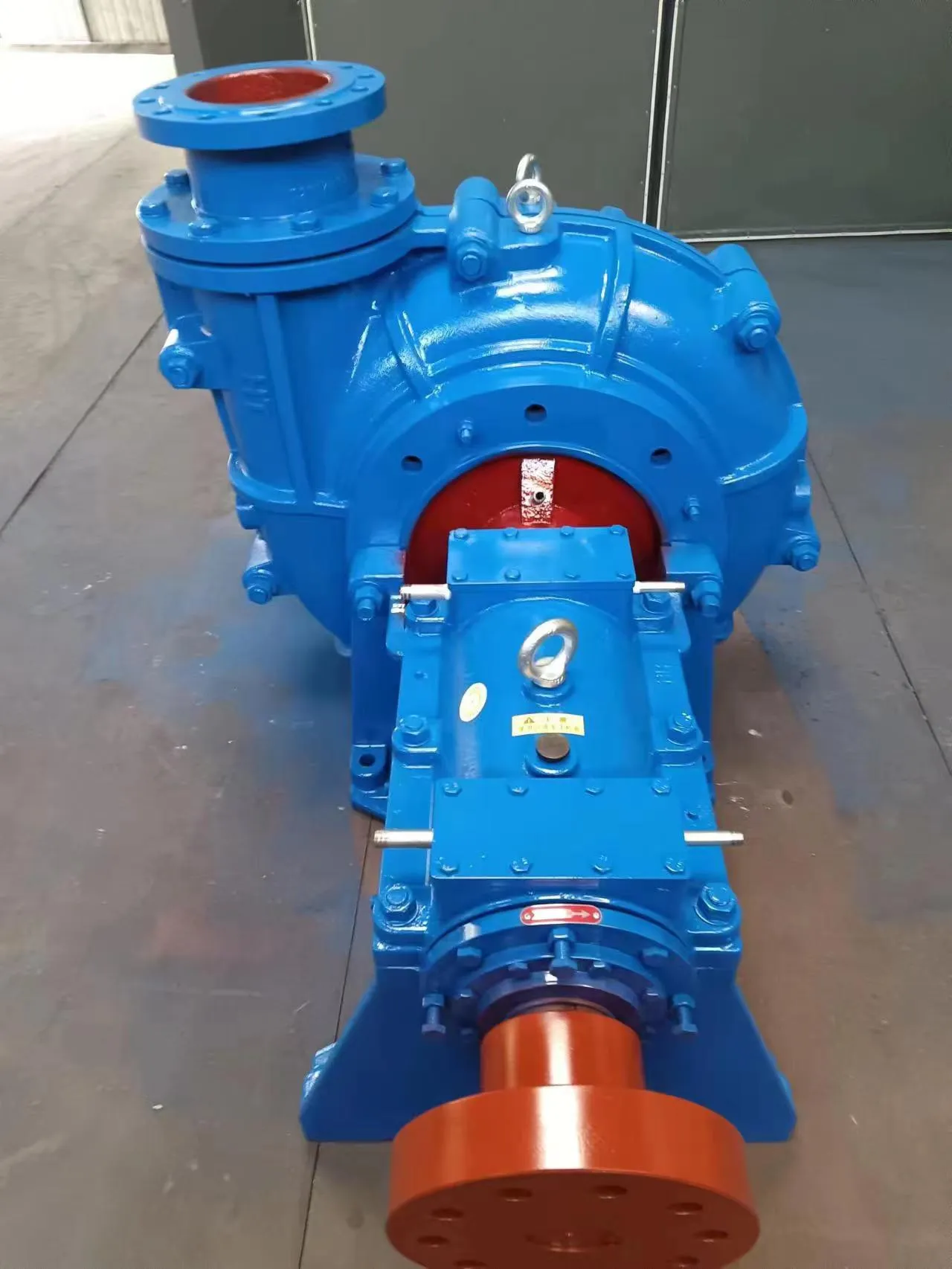
AH Slurry Pump Technical Specification and Performance Analysis
The AH slurry pump is a heavy-duty centrifugal pump specifically engineered for the transportation of abrasive slurries, tailings, and mineral concentrates within the mining, dredging, and chemical processing industries. Occupying a critical position in the industrial fluid-handling chain, the AH series is designed as a horizontal, single-stage pump that balances high-volume throughput with extreme wear resistance. Unlike standard water pumps, the AH slurry pump must manage non-Newtonian fluids where the suspended solid particles cause significant erosive wear on the internal wetted parts. Its technical position is defined by the ability to maintain hydraulic efficiency while operating under conditions of high turbulence and particle impact, ensuring the continuous movement of materials from extraction sites to processing plants without catastrophic component failure.
Material Science & Manufacturing
The operational lifespan of an AH slurry pump is fundamentally dictated by the material science of its wetted components. AH slurry pump factories employ a rigorous selection of alloys to combat the synergistic effects of abrasion and corrosion. The primary materials utilized include High-Chrome (27% Cr) white irons, which offer superior hardness (typically HRC 60-65) to resist the cutting action of sharp mineral particles. For environments involving high acidity or salinity, duplex stainless steels or natural rubber linings are implemented to provide a chemical barrier that prevents the leaching of the base metal.
Manufacturing processes center on precision casting and CNC machining. The impeller and volute casing are typically produced via investment casting or sand casting, followed by heat treatment processes—such as quenching and tempering—to optimize the martensitic structure of the alloy, ensuring a balance between hardness and fracture toughness. A critical manufacturing parameter is the dynamic balancing of the impeller; any eccentricity can lead to premature bearing failure and cavitation. Furthermore, the mating surfaces of the pump casing are machined to micron-level tolerances to ensure a hermetic seal, reducing the risk of leakage that could lead to external corrosion of the pump housing.
Performance & Engineering
Engineering an AH slurry pump requires a deep analysis of fluid dynamics and force distribution. The primary engineering challenge is the management of the "Critical Settling Velocity," ensuring that the flow rate remains high enough to prevent the suspended solids from depositing within the pump casing, which would lead to clogging and localized turbulence-induced erosion. The hydraulic design focuses on optimizing the impeller vane geometry to minimize shear stress while maximizing the head and flow rate. Force analysis is applied to the shaft assembly to withstand the radial loads generated by the asymmetric pressure distribution common in slurry pumping.
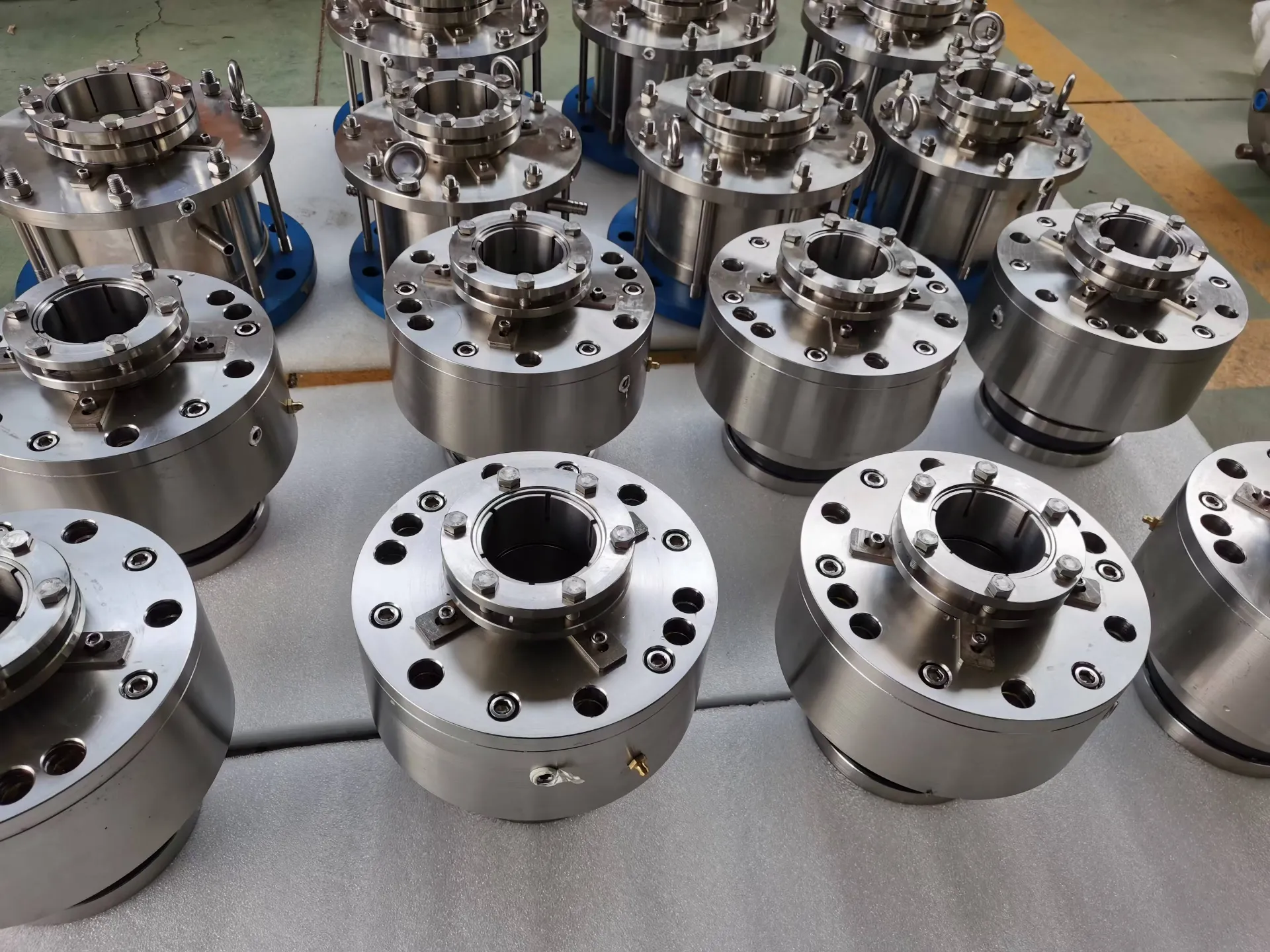
Environmental resistance is achieved through a sophisticated sealing system. Most AH pumps utilize an expeller seal or a mechanical seal with a flushing system to prevent abrasive particles from entering the bearing housing. Compliance requirements necessitate that the pump be designed to handle specific gravity (SG) levels often exceeding 1.3, necessitating reinforced structural supports and oversized bearings to manage the increased mass of the fluid. The engineering objective is to maximize the Mean Time Between Failures (MTBF) by aligning the pump's Best Efficiency Point (BEP) with the actual operating conditions of the slurry density and viscosity.
Technical Specifications
| Pump Model Series | Max Flow Rate (m³/h) | Max Discharge Head (m) | Recommended Liner Material | Max Particle Size (mm) | Shaft Power (kW) |
|---|---|---|---|---|---|
| AH 6/4 | 120 | 45 | High Chrome Alloy | 25 | 37 |
| AH 8/6 | 250 | 55 | Natural Rubber | 32 | 75 |
| AH 10/8 | 400 | 60 | Duplex Stainless Steel | 40 | 110 |
| AH 12/10 | 600 | 65 | High Chrome Alloy | 50 | 160 |
| AH 15/12 | 800 | 70 | Natural Rubber | 60 | 200 |
| AH 20/14 | 1200 | 75 | High Chrome Alloy | 80 | 315 |
Failure Mode & Maintenance
Failure analysis of AH slurry pumps typically reveals three primary modes: erosive wear, cavitation-induced pitting, and fatigue cracking of the shaft. Erosive wear occurs predominantly at the impeller vanes and the volute tongue, where high-velocity particles impact the surface. When the fluid velocity exceeds the critical threshold, the material is stripped away, leading to a loss of hydraulic efficiency and a drop in discharge pressure. Cavitation occurs when the Net Positive Suction Head Available (NPSHa) falls below the Net Positive Suction Head Required (NPSHr), creating vapor bubbles that collapse violently against the metal surfaces, causing microscopic pitting that accelerates corrosion.
Maintenance protocols must be predictive rather than reactive. This involves the use of vibration analysis to detect bearing wear and ultrasound thickness gauging to monitor liner degradation. Professional maintenance solutions include the implementation of a "sacrificial liner" strategy, where replaceable liners are used to protect the main pump casing. When the liner thickness reaches a predetermined minimum threshold (typically 20% of original thickness), it is replaced during scheduled downtime. Shaft alignment must be verified using laser alignment tools after every liner change to prevent eccentric loading and subsequent fatigue cracking.
Industry FAQ
Q: How do we determine whether to use High Chrome or Natural Rubber liners for a specific application?
A: The choice depends on the particle shape and chemical nature of the slurry. High Chrome alloys are preferred for sharp, angular particles (e.g., crushed rock, quartz) that cause abrasive cutting. Natural Rubber is superior for finer, rounded particles and provides better resistance to corrosive chemical environments where the slurry is acidic or alkaline.
Q: What are the primary indicators that an AH slurry pump is operating too far from its Best Efficiency Point (BEP)?
A: Key indicators include excessive pump vibration, a significant increase in power consumption relative to the flow rate, and accelerated wear on the impeller. If the pump is operating at low flow, internal recirculation increases, which rapidly erodes the volute casing.
Q: How does slurry density affect the NPSHr of the pump?
A: Increasing the slurry density increases the viscosity and the effective weight of the fluid, which generally increases the Net Positive Suction Head Required (NPSHr). Failure to adjust the suction head accordingly will lead to cavitation, especially at the impeller eye.
Q: Can the AH slurry pump handle air entrainment in the slurry?
A: AH pumps are designed for liquids and solids; excessive air entrainment can lead to "air binding" or a total loss of prime. If air entrainment is unavoidable, an air-release valve must be installed at the highest point of the suction line to maintain hydraulic stability.
Q: What is the recommended procedure for restarting a pump that has been idle with a settled slurry?
A: The pump should never be started "dry" or with a settled bed of solids. The line must be flushed with clean water to mobilize the settled solids, and the pump should be started with the discharge valve partially closed to prevent a sudden surge and potential water hammer effect.
Conclusion
The operational reliability of the AH slurry pump is a direct result of the integration between advanced metallurgy and precise hydraulic engineering. By optimizing the balance between material hardness and structural toughness, and by strictly adhering to fluid dynamic principles such as the management of critical settling velocities, these pumps enable the efficient movement of the world's most challenging abrasive materials. The transition from reactive maintenance to predictive monitoring remains the cornerstone of maximizing the lifespan of these industrial assets.
Looking forward, the industry is moving toward the integration of smart sensors for real-time wear monitoring and the development of nano-composite liners to further extend the MTBF. For procurement managers and engineers, the focus must remain on the total cost of ownership (TCO), prioritizing high-grade material specifications and precise engineering alignment over initial acquisition costs to ensure sustainable industrial productivity.
-
pump for sewage water Performance Analysis
News2026-05-23
-
plumbing sewage ejector pump Performance Engineering
News2026-05-23
-
home sewer pump station Performance and Engineering
News2026-05-23
-
high pressure sump pump Performance Analysis
News2026-05-23
-
high head effluent pump Performance Analysis
News2026-05-23
-
Effluent vs Sump Pump Performance Analysis
News2026-05-22
-
effluent septic pump Performance Engineering
News2026-05-22
-
best sewer pumps Performance Engineering
News2026-05-22
-
best sewer pump Performance Analysis
News2026-05-22
-
best sewage pumps Performance Engineering
News2026-05-22
-
basement bathroom sewage pump Material Science Manufacturing
News2026-05-21
-
wastewater treatment plant pumps Material Science Manufacturing
News2026-05-21
-
waste water pump for basement Material Science Manufacturing
News2026-05-21
-
sump pump sewage Performance Analysis
News2026-05-21
-
sump pump for sewage Material Science and Manufacturing
News2026-05-21




