English
- Afrikaans
- Albanian
- Amharic
- Arabic
- Armenian
- Azerbaijani
- Basque
- Belarusian
- Bengali
- Bosnian
- Bulgarian
- Catalan
- Cebuano
- Corsican
- Croatian
- Czech
- Danish
- Dutch
- English
- Esperanto
- Estonian
- Finnish
- French
- Frisian
- Galician
- Georgian
- German
- Greek
- Gujarati
- Haitian Creole
- hausa
- hawaiian
- Hebrew
- Hindi
- Miao
- Hungarian
- Icelandic
- igbo
- Indonesian
- irish
- Italian
- Japanese
- Javanese
- Kannada
- kazakh
- Khmer
- Rwandese
- Korean
- Kurdish
- Kyrgyz
- Lao
- Latin
- Latvian
- Lithuanian
- Luxembourgish
- Macedonian
- Malgashi
- Malay
- Malayalam
- Maltese
- Maori
- Marathi
- Mongolian
- Myanmar
- Nepali
- Norwegian
- Norwegian
- Occitan
- Pashto
- Persian
- Polish
- Portuguese
- Punjabi
- Romanian
- Russian
- Samoan
- Scottish Gaelic
- Serbian
- Sesotho
- Shona
- Sindhi
- Sinhala
- Slovak
- Slovenian
- Somali
- Spanish
- Sundanese
- Swahili
- Swedish
- Tagalog
- Tajik
- Tamil
- Tatar
- Telugu
- Thai
- Turkish
- Turkmen
- Ukrainian
- Urdu
- Uighur
- Uzbek
- Vietnamese
- Welsh
- Bantu
- Yiddish
- Yoruba
- Zulu

Telephone: +86 13120555503
Email: frank@cypump.com


Apr . 01, 2024 17:55 Back to list
agricultural slurry pumps Performance Analysis and Manufacturing Specifications
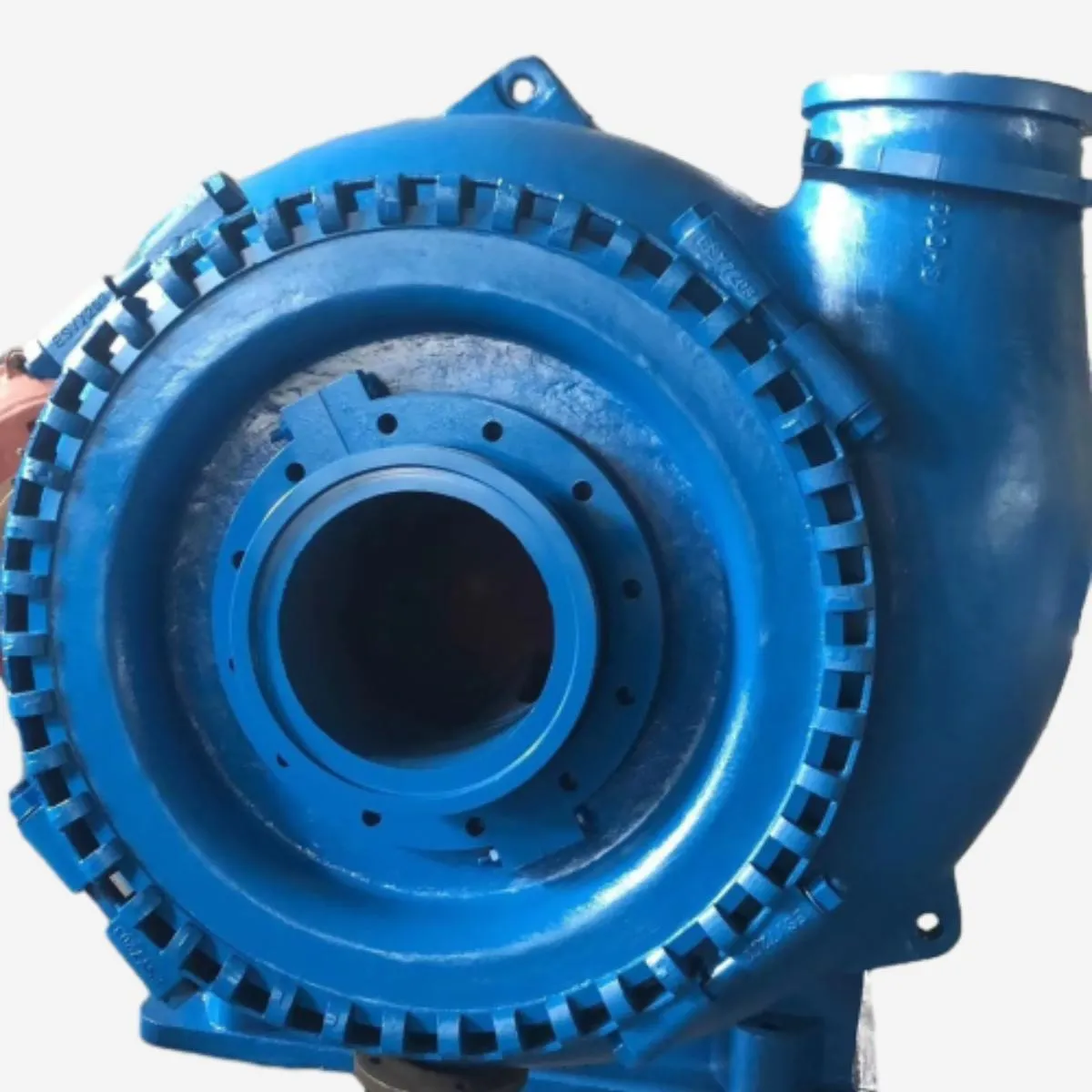
Agricultural Slurry Pumps Performance Analysis and Manufacturing Specifications
Agricultural slurry pumps are specialized hydraulic machines engineered to transport non-Newtonian fluids consisting of animal waste, water, and organic particulates. Positioned as critical infrastructure in the nutrient management cycle, these pumps must bridge the gap between waste storage (lagoons/pits) and application systems (injectors/spreaders). Unlike standard water pumps, slurry pumps operate in environments characterized by extreme chemical aggressiveness, high solid concentrations (ranging from 2% to 15% total solids), and significant abrasive loads. The technical objective is to maintain a constant flow rate despite the varying viscosity and density of the slurry, ensuring that the mechanical system can withstand the combined effects of erosive wear and corrosive attack without compromising hydraulic efficiency.
Material Science & Manufacturing
The selection of materials for agricultural slurry pumps is dictated by the synergy between abrasion and corrosion. Slurry contains suspended silica, bedding materials, and organic acids (such as sulfuric and acetic acids) which create a highly corrosive electrolyte. To combat this, high-chromium cast irons ( ASTM A532) are frequently employed for impeller and volute construction due to their high hardness and carbide distribution, which resists the scouring action of abrasive particles. In applications requiring higher corrosion resistance, duplex stainless steels (e.g., AISI 2205) are utilized, offering a balanced microstructure of austenite and ferrite to prevent stress corrosion cracking and pitting.
Manufacturing processes focus on achieving precise tolerances and surface integrity. The casting process involves controlled cooling rates to ensure a fine eutectic carbide structure, reducing the risk of intergranular corrosion. Precision CNC machining is applied to the wear plates and impeller vanes to optimize the fluid dynamics and minimize turbulence, which is a primary driver of localized erosion. Furthermore, the shafting is often treated with induction hardening or coated with tungsten carbide via High-Velocity Oxy-Fuel (HVOF) spraying to prevent premature wear at the seal interfaces. The assembly phase incorporates heavy-duty mechanical seals with silicon carbide faces, designed to exclude abrasive particles from the bearing housing, thereby extending the mean time between failures (MTBF).

Performance & Engineering
Engineering an agricultural slurry pump requires a deep understanding of fluid rheology. Slurry is often shear-thinning (pseudoplastic), meaning its viscosity decreases as the shear rate increases. To optimize performance, the impeller geometry is designed as an open or semi-open type to prevent clogging by fibrous materials (such as straw or bedding). The Net Positive Suction Head required (NPSHr) is a critical engineering parameter; because slurry is denser than water, the pump is prone to cavitation if the suction pressure drops below the vapor pressure of the liquid mixture. Engineers implement oversized suction inlets to minimize frictional losses and ensure a stable laminar flow into the impeller eye.
Force analysis within the pump highlights the impact of solids impingement. When particles strike the internal walls at high velocities, they cause micro-cutting and plastic deformation. To mitigate this, the volute is designed to maintain a consistent flow velocity, avoiding "dead zones" where solids might settle and cause localized plugging. Furthermore, environmental resistance is managed through the use of chemically inert elastomers (such as Viton or EPDM) for O-rings and gaskets, ensuring that the pump remains airtight and leak-proof even when exposed to ammonia-rich biogas and volatile organic compounds (VOCs).
Technical Specifications
| Performance Metric | Centrifugal Slurry Pump | Positive Displacement Pump | Submersible Slurry Pump | Vacuum/Pit Pump |
|---|---|---|---|---|
| Max Flow Rate (m³/h) | 450 - 1200 | 50 - 200 | 100 - 600 | 20 - 150 |
| Max Head (m) | 15 - 40 | 80 - 150 | 10 - 30 | 5 - 15 |
| Max Solid Content (%) | Up to 12% | Up to 30% | Up to 10% | Up to 5% |
| Typical Material | High-Cr Cast Iron | Duplex SS / Rubber | Cast Iron / SS316 | Cast Iron / Epoxy |
| NPSHr Requirement | Medium to High | Low | Very Low | High |
| Wear Mechanism | Erosive Wear | Mechanical Fatigue | Impact Erosion | Cavitation/Erosion |
Failure Mode & Maintenance
Failure analysis of agricultural slurry pumps typically reveals three primary modes: erosive wear, chemical corrosion, and mechanical seal failure. Erosive wear manifests as "honeycombing" or thinning of the impeller vanes, typically occurring at the leading edges where fluid velocity is highest. This leads to a drop in discharge pressure and an increase in energy consumption. Chemical corrosion often occurs as pitting in the volute casing, accelerated by the presence of chlorides and sulfates in the slurry, which breach the passive oxide layer of the metal.
Mechanical seal failure is the most frequent cause of unplanned downtime. The ingress of abrasive grit between the seal faces leads to scoring and leakage, which can then contaminate the bearing lubricant, resulting in catastrophic bearing seizure. Maintenance protocols must therefore prioritize a rigorous lubrication schedule and the implementation of a "flush line" to keep the seal faces clean. Professional maintenance involves the use of ultrasonic thickness gauging to monitor casing wear and the replacement of wear liners before the main pressure housing is compromised. Impellers should be dynamically balanced after any weld-repair to prevent vibration-induced fatigue cracking of the pump shaft.
Industry FAQ
Q: How does the solids concentration affect the pump's efficiency and power requirements?
A: Increased solids concentration increases the apparent density and viscosity of the fluid. According to the pump laws, as the specific gravity of the fluid increases, the brake horsepower (BHP) required to maintain the same flow rate increases proportionally. Additionally, higher solids loading increases frictional losses within the pump casing, which reduces the overall hydraulic efficiency.
Q: Why is a semi-open impeller preferred over a closed impeller for slurry applications?
A: Closed impellers are highly susceptible to "plugging" when handling slurry containing fibrous organic matter (straw, hair, corn stalks). A semi-open impeller provides a clear flow path, reducing the likelihood of material accumulation and minimizing the torque spikes that can lead to shaft shear or motor overload.
Q: What is the impact of aeration or biogas bubbles on pump performance?
A: The presence of biogas (methane/CO2) in the slurry can lead to "air binding" or gas locking, where the pump loses prime because the gas pockets prevent the fluid from filling the impeller eye. This necessitates the use of self-priming mechanisms or the installation of the pump below the liquid level to maintain a flooded suction.
Q: Which seal type is most effective for preventing abrasive ingress in agricultural environments?
A: A double mechanical seal with an external pressurized barrier fluid system is most effective. By maintaining the barrier fluid at a pressure higher than the pump's internal pressure, any leakage occurs from the barrier side into the pump, effectively preventing abrasive slurry particles from ever entering the seal faces.
Q: How often should the wear plates be inspected in a high-volume dairy operation?
A: In high-volume operations with high grit content, wear plates should be inspected every 500 to 1,000 operating hours. Monitoring the gap between the impeller and the wear plate is crucial; once the gap exceeds the design tolerance, internal recirculation increases, significantly reducing pump efficiency and increasing wear rates.
Conclusion
The technical integrity of agricultural slurry pumps depends on a sophisticated synergy between material science and hydraulic engineering. By utilizing high-chromium alloys and duplex stainless steels, manufacturers can mitigate the dual threats of abrasion and corrosion. The engineering focus must remain on optimizing the NPSHr and impeller geometry to handle the non-Newtonian characteristics of animal waste, ensuring a reliable transition from waste storage to field application without systemic failure.
Looking forward, the industry is shifting toward the integration of variable frequency drives (VFDs) and real-time vibration monitoring to move from reactive to predictive maintenance. As environmental regulations regarding nutrient runoff become more stringent, the demand for pumps that can maintain precise flow control and higher durability will continue to grow, necessitating further innovation in surface coatings and fluid dynamic modeling.
-
pump for sewage water Performance Analysis
News2026-05-23
-
plumbing sewage ejector pump Performance Engineering
News2026-05-23
-
home sewer pump station Performance and Engineering
News2026-05-23
-
high pressure sump pump Performance Analysis
News2026-05-23
-
high head effluent pump Performance Analysis
News2026-05-23
-
Effluent vs Sump Pump Performance Analysis
News2026-05-22
-
effluent septic pump Performance Engineering
News2026-05-22
-
best sewer pumps Performance Engineering
News2026-05-22
-
best sewer pump Performance Analysis
News2026-05-22
-
best sewage pumps Performance Engineering
News2026-05-22
-
basement bathroom sewage pump Material Science Manufacturing
News2026-05-21
-
wastewater treatment plant pumps Material Science Manufacturing
News2026-05-21
-
waste water pump for basement Material Science Manufacturing
News2026-05-21
-
sump pump sewage Performance Analysis
News2026-05-21
-
sump pump for sewage Material Science and Manufacturing
News2026-05-21




