English
- Afrikaans
- Albanian
- Amharic
- Arabic
- Armenian
- Azerbaijani
- Basque
- Belarusian
- Bengali
- Bosnian
- Bulgarian
- Catalan
- Cebuano
- Corsican
- Croatian
- Czech
- Danish
- Dutch
- English
- Esperanto
- Estonian
- Finnish
- French
- Frisian
- Galician
- Georgian
- German
- Greek
- Gujarati
- Haitian Creole
- hausa
- hawaiian
- Hebrew
- Hindi
- Miao
- Hungarian
- Icelandic
- igbo
- Indonesian
- irish
- Italian
- Japanese
- Javanese
- Kannada
- kazakh
- Khmer
- Rwandese
- Korean
- Kurdish
- Kyrgyz
- Lao
- Latin
- Latvian
- Lithuanian
- Luxembourgish
- Macedonian
- Malgashi
- Malay
- Malayalam
- Maltese
- Maori
- Marathi
- Mongolian
- Myanmar
- Nepali
- Norwegian
- Norwegian
- Occitan
- Pashto
- Persian
- Polish
- Portuguese
- Punjabi
- Romanian
- Russian
- Samoan
- Scottish Gaelic
- Serbian
- Sesotho
- Shona
- Sindhi
- Sinhala
- Slovak
- Slovenian
- Somali
- Spanish
- Sundanese
- Swahili
- Swedish
- Tagalog
- Tajik
- Tamil
- Tatar
- Telugu
- Thai
- Turkish
- Turkmen
- Ukrainian
- Urdu
- Uighur
- Uzbek
- Vietnamese
- Welsh
- Bantu
- Yiddish
- Yoruba
- Zulu

Telephone: +86 13120555503
Email: frank@cypump.com


Apr . 01, 2024 17:55 Back to list
agricultural hydraulic slurry lap pumps Performance Analysis
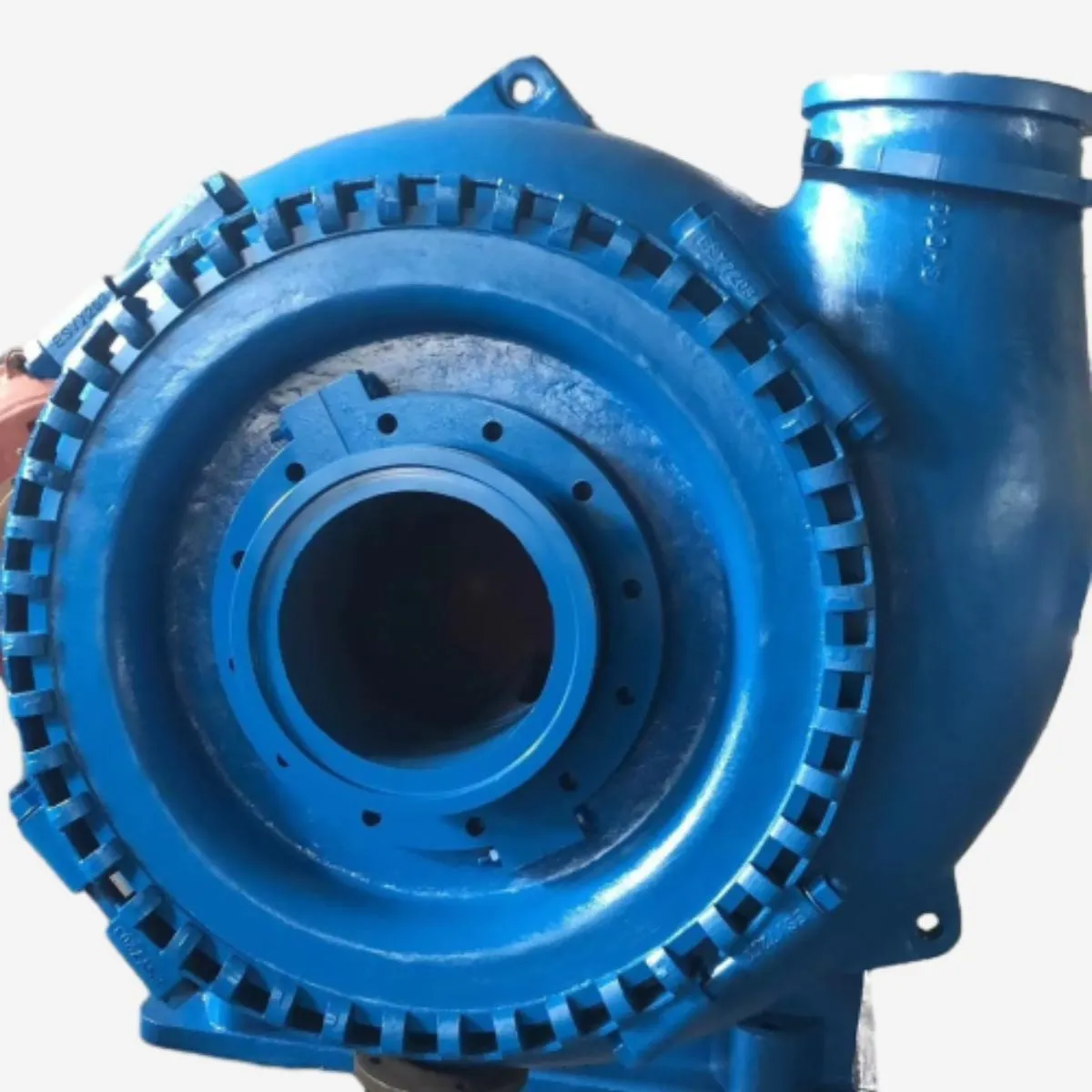
Agricultural Hydraulic Slurry Lap Pumps Performance Analysis
Agricultural hydraulic slurry lap pumps are specialized fluid-handling devices engineered to transport high-viscosity, non-Newtonian fluids—specifically livestock manure, silage residues, and organic slurry—within large-scale agricultural waste management systems. Positioned at the critical juncture between waste collection and nutrient distribution, these pumps utilize hydraulic power to drive heavy-duty impellers capable of handling suspended solids without clogging. Unlike standard centrifugal pumps, the "lap" or lobe-style hydraulic configurations are designed to minimize shear forces while maximizing volumetric efficiency. The core technical challenge in this application is the management of abrasive particulates (sand, stones, and fibrous organic matter) which exert extreme erosive pressure on internal surfaces. Consequently, these pumps are evaluated based on their Net Positive Suction Head (NPSH), volumetric efficiency, and the durability of their wetted parts against biochemical corrosion.
Material Science & Manufacturing
The manufacturing of agricultural hydraulic slurry lap pumps requires a rigorous approach to material selection due to the synergistic effect of abrasion and corrosion (tribocorrosion). The primary structural components and the impeller are typically fabricated from High-Chromium Cast Iron (ASTM A532) or duplex stainless steels (e.g., SAF 2205). High-chromium alloys are utilized specifically for their hard carbide phases, which provide a microstructure capable of resisting the scouring action of silica-rich agricultural slurry. For components exposed to aggressive chemical environments—such as anaerobic digesters where hydrogen sulfide (H2S) is prevalent—super-austenitic steels or specialized polymer coatings like Polyurethane (PU) are applied to the liner to reduce the wear rate.
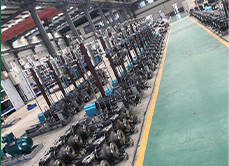
The manufacturing process involves precision investment casting to achieve the complex geometry of the lap lobes, followed by CNC grinding to ensure tight tolerances between the rotating elements and the housing. This tight fit is critical to minimize "slip" or internal recirculation, which would otherwise reduce hydraulic efficiency. The sealing system typically employs a mechanical seal with silicon carbide (SiC) faces or heavy-duty gland packing, depending on the solids concentration. Heat treatment processes, including quenching and tempering, are employed to optimize the balance between hardness (for wear resistance) and toughness (to prevent catastrophic brittle failure when the pump encounters large foreign objects like stones).
Performance & Engineering
Engineering an agricultural hydraulic slurry pump requires a deep analysis of the fluid dynamics of slurry, which exhibits Bingham plastic or pseudoplastic behavior. The primary engineering objective is to maintain a flow velocity above the critical deposition velocity to prevent the settling of solids within the pump casing and discharge piping. This is achieved through the optimization of the hydraulic motor's torque delivery and the impeller's vane geometry, ensuring a steady flow regime that reduces turbulence and cavitation risks.
From a force analysis perspective, the pump must withstand significant radial loads caused by the asymmetric distribution of solids during the suction phase. The shafting is engineered with oversized diameters and high-tensile alloy steel to prevent fatigue deflection. Hydraulic integration involves a closed-loop system where pressure-compensated pumps provide the drive power, allowing for variable speed control to match the slurry consistency. Compliance with environmental and safety standards requires the integration of pressure relief valves (PRV) and leak detection systems to prevent the contamination of surrounding soil and groundwater, ensuring the system operates within the safe working pressure (SWP) limits of the hydraulic circuit.
Technical Specifications
| Parameter Dimension | Standard Grade (Medium Duty) | Industrial Grade (Heavy Duty) | High-Performance Grade | Testing Metric |
|---|---|---|---|---|
| Max Flow Rate (m³/h) | 120 - 200 | 250 - 500 | 600 - 1,200 | ISO 5199 |
| Operating Pressure (Bar) | 4 - 8 | 10 - 16 | 20 - 35 | ASTM D638 |
| Max Solid Particle Size (mm) | 20 - 35 | 50 - 80 | 100 - 150 | Sieve Analysis |
| Impeller Material | Cast Iron (Ni-Resist) | High-Cr Alloy Steel | Duplex SS / Ceramic | Hardness HRC |
| Hydraulic Power Req. (kW) | 15 - 30 | 45 - 75 | 90 - 160 | Efficiency η% |
| Corrosion Resistance Rate | Moderate (pH 6-8) | High (pH 4-9) | Extreme (pH 2-12) | ASTM G31 |
Failure Mode & Maintenance
Failure analysis of agricultural hydraulic slurry lap pumps typically identifies three primary failure modes: abrasive wear, cavitation erosion, and seal degradation. Abrasive wear occurs when hard particulates create micro-plowing on the impeller surfaces, leading to an increase in internal clearances and a corresponding drop in volumetric efficiency. Cavitation occurs when the NPSH available is lower than the NPSH required, creating vapor bubbles that collapse violently against the metal surface, resulting in "pitting" and eventual structural breach of the casing.
Maintenance protocols must be proactive rather than reactive. The "Preventative Maintenance" (PM) schedule includes monthly inspections of the mechanical seals and lubrication of the hydraulic bearings. To combat erosion, the use of replaceable wear liners (sacrificial plates) is recommended. When failure is detected through a decrease in flow rate or an increase in vibration levels (measured via accelerometers), the pump should be dismantled for a "Tear-Down Analysis." This involves checking the shaft alignment and replacing the worn lap lobes. Regular flushing of the hydraulic system to remove contaminants from the fluid is essential to prevent the premature failure of the hydraulic motor that drives the pump.
Industry FAQ
Q: How does the pump maintain efficiency when the slurry concentration increases?
A: The pump utilizes a hydraulic drive system with variable displacement, allowing the operator to increase torque while reducing RPM. This prevents the motor from stalling under high-load conditions and maintains a consistent volumetric flow regardless of the fluid's apparent viscosity.
Q: What is the primary cause of premature impeller failure in these systems?
A: The most common cause is the ingestion of oversized inorganic debris (e.g., large stones or metal fragments) which leads to mechanical impact damage, combined with the erosive effect of fine silica sand which thins the impeller walls over time.
Q: Why is Duplex Stainless Steel preferred over standard 316L for high-performance models?
A: Duplex Stainless Steel offers significantly higher yield strength and superior resistance to stress corrosion cracking (SCC) and pitting, which are common in the presence of chlorides and organic acids found in agricultural waste.
Q: How do we distinguish between cavitation and air entrainment during operation?
A: Cavitation typically produces a high-frequency "gravel-like" sound and localized pitting on the suction side of the impeller. Air entrainment results in erratic flow pulses and a distinct change in the hydraulic motor's sound profile without the same physical pitting patterns.
Q: What is the recommended interval for replacing the wear liners?
A: While it depends on the slurry's abrasive index, a standard engineering baseline is every 2,000 to 4,000 operating hours. However, a 15% drop in discharge pressure usually indicates that liners have reached their critical wear limit.
Conclusion
The agricultural hydraulic slurry lap pump is a sophisticated piece of industrial equipment that balances the requirements of high volumetric throughput with the necessity of extreme wear resistance. By integrating advanced material sciences—specifically high-chromium alloys and duplex steels—with precise hydraulic engineering, these pumps effectively solve the core industry pain point of transporting abrasive, corrosive organic waste. The technical integrity of the system relies on the synergy between the mechanical seal's durability, the impeller's hydrodynamic profile, and the hydraulic drive's ability to modulate torque.
Looking forward, the integration of IoT-based condition monitoring, such as real-time vibration analysis and pressure differential sensors, will transition maintenance from scheduled intervals to predictive models. This evolution will further reduce operational downtime and extend the lifecycle of the equipment, ensuring that agricultural waste management remains sustainable and efficient in the face of increasing production scales.
-
pump for sewage water Performance Analysis
News2026-05-23
-
plumbing sewage ejector pump Performance Engineering
News2026-05-23
-
home sewer pump station Performance and Engineering
News2026-05-23
-
high pressure sump pump Performance Analysis
News2026-05-23
-
high head effluent pump Performance Analysis
News2026-05-23
-
Effluent vs Sump Pump Performance Analysis
News2026-05-22
-
effluent septic pump Performance Engineering
News2026-05-22
-
best sewer pumps Performance Engineering
News2026-05-22
-
best sewer pump Performance Analysis
News2026-05-22
-
best sewage pumps Performance Engineering
News2026-05-22
-
basement bathroom sewage pump Material Science Manufacturing
News2026-05-21
-
wastewater treatment plant pumps Material Science Manufacturing
News2026-05-21
-
waste water pump for basement Material Science Manufacturing
News2026-05-21
-
sump pump sewage Performance Analysis
News2026-05-21
-
sump pump for sewage Material Science and Manufacturing
News2026-05-21